A fire can change everything in a matter of minutes, leaving behind damage that goes far beyond what’s visible on the surface.
Smoke residue, soot, and water from firefighting efforts can continue to affect your home long after the flames are out. Knowing the right fire damage restoration steps can help you respond quickly and begin the process of restoring your space.
The first steps are critical. Securing the property, assessing the extent of the damage, and preventing further deterioration all play a role in protecting your home and belongings. Acting without a clear plan can lead to missed issues or delayed recovery.
With the right approach, you can move forward with cleanup, fire damage repair, and restoration in a more organized and effective way.
Fire Damage Recovery Steps That Restore Peace of Mind
What Immediate Actions Should You Take After Fire Damage?
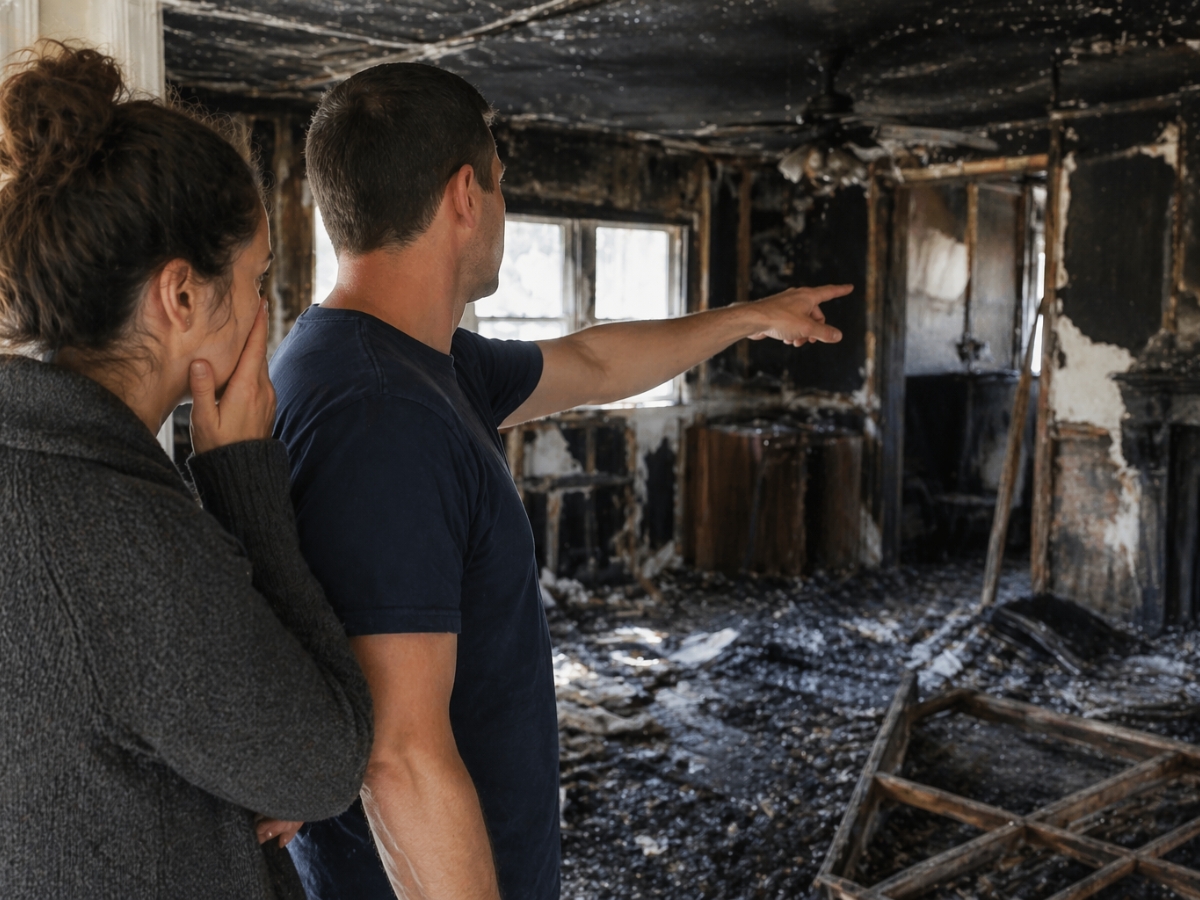
The moments after a fire can feel overwhelming, but taking the right steps early on can make a significant difference in how smoothly fire damage recovery unfolds. Acting quickly helps protect your safety, limits further damage, and sets a clear path for restoration.
How To Ensure Safety And Assess Fire Damage Quickly
Your first priority should always be safety. Before re-entering the property, wait for clearance from local authorities or fire officials. Even if the flames are out, hidden risks like weakened structures, exposed wiring, or lingering smoke can still pose serious hazards.
Once it is safe to enter, take a careful and measured approach. Move through the space slowly, paying attention to areas that may have sustained structural damage.
Ceilings, floors, and staircases are especially important to check, as they can be unstable after a fire. Wearing protective gear such as gloves and a mask can help reduce exposure to soot, ash, and airborne particles that may still be present.
As you begin assessing the situation, documentation becomes essential. Take clear photos and videos of all affected areas, including walls, furniture, and personal belongings.
This step is not just about record-keeping. It plays a key role in supporting insurance claims and guiding the fire damage recovery process. The more detailed your documentation, the easier it becomes to communicate the extent of the damage and move forward with restoration plans.
At this stage, it is also helpful to mentally separate what appears salvageable from what may require replacement. While professionals will ultimately make these determinations, having an initial understanding allows you to approach the next steps with more clarity.
Who To Contact For Emergency Fire Damage Cleanup Services
After addressing immediate safety concerns, the next step in fire damage recovery is bringing in the right professionals. Fire damage is rarely limited to what is visible. Smoke residue, water damage from firefighting efforts, and hidden structural issues often require specialized expertise.
Reaching out to a trusted fire damage restoration company as soon as possible can help prevent further deterioration. Soot and smoke can continue to affect surfaces long after the fire is extinguished, and moisture left behind can lead to mold if not handled quickly.
Professional teams are equipped to assess these risks and begin cleanup in a controlled and efficient way. When choosing a service provider, look for companies that offer emergency response and have experience with full-scale fire damage recovery.
A prompt response can reduce long-term repair costs and improve the chances of restoring more of your property. Many restoration teams also assist with coordinating inspections, securing the property, and guiding you through the next phases of recovery.
It is equally important to notify your insurance provider early in the process. Sharing your documentation and outlining the steps you have taken allows your claim to move forward without unnecessary delays.
In many cases, restoration companies can work directly with insurers, which helps streamline communication and keeps the process organized.
Taking these steps early creates a strong foundation for recovery. While the situation may feel uncertain at first, focusing on safety, documentation, and professional support makes fire damage recovery more manageable and sets you up for a smoother restoration journey.
What Are The Essential Steps In The Fire Damage Cleanup Process?
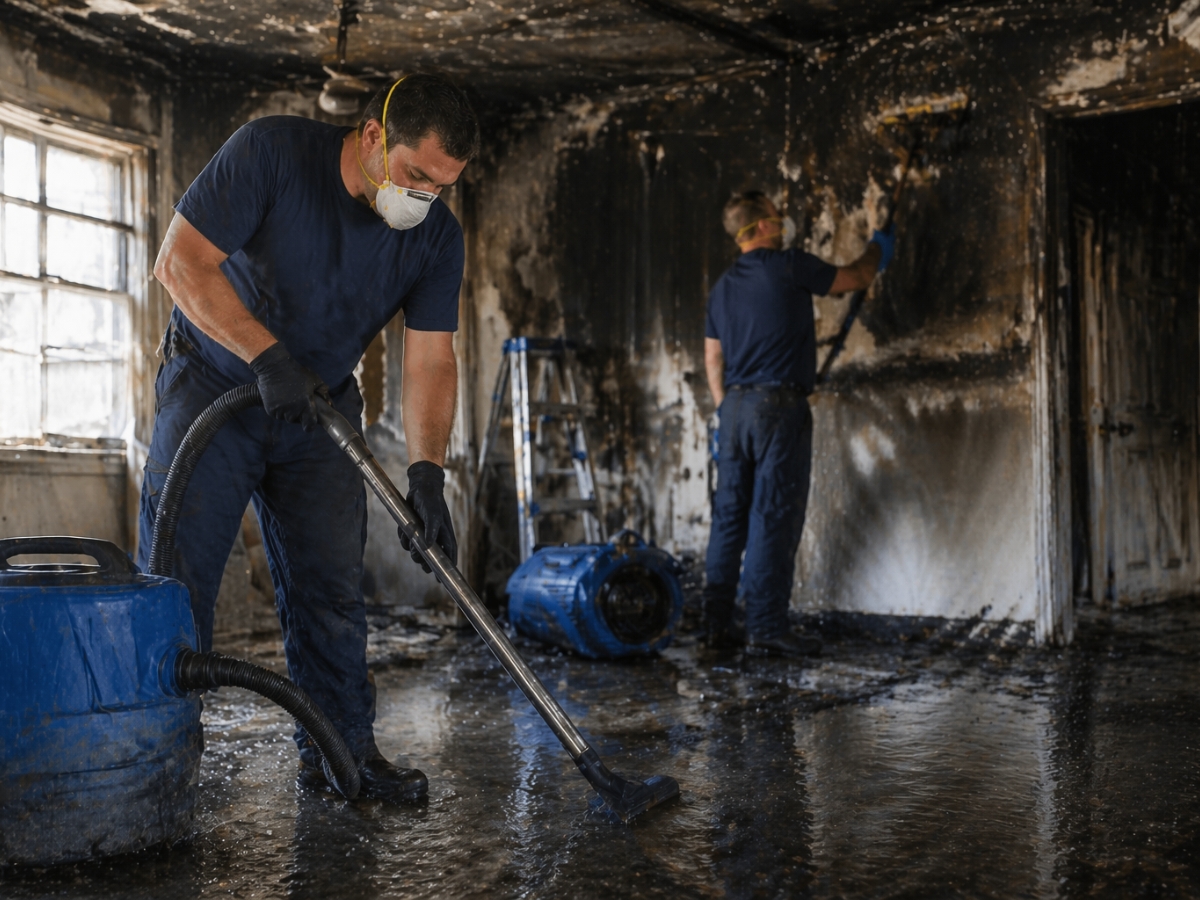
Recovering from a fire involves more than surface cleaning. A structured approach is necessary to restore safety, stability, and livability. Understanding how fire damage recovery typically unfolds can help you set expectations and make informed decisions as the process moves forward.
How Does Property Fire Cleanup Restore Your Home Or Business?
The cleanup phase is the first major step in fire damage recovery, and it focuses on stabilizing the property and removing what can no longer be salvaged.
This usually begins with a detailed inspection, where professionals evaluate the extent of fire, smoke, and water damage. Even areas that appear unaffected at first glance may have hidden issues, so a thorough assessment is essential.
Once the scope of damage is clear, the cleanup process moves into debris removal. Burned materials, damaged furniture, and unsafe structural elements are carefully taken out to create a clean working environment.
This step is not just about clearing space. It also helps prevent further contamination from soot and lingering smoke particles. After debris is removed, attention shifts to deep cleaning. Soot can settle into walls, ceilings, and even ventilation systems, so specialized equipment is used to remove residue and neutralize odors.
Air filtration systems may also be introduced to improve indoor air quality during this stage. This part of fire damage recovery is critical because it addresses both visible damage and the less obvious effects that can impact long-term health and comfort.
The timeline for cleanup can vary depending on the severity of the fire. Smaller incidents may take only a few days to address, while larger losses can extend over several weeks. What matters most is that each step is handled carefully to avoid overlooking damage that could cause issues later.
What Structural Repairs Are Included In Fire Damage Restoration?
Once the cleanup phase is complete, the focus shifts to rebuilding and repair. Structural restoration is where fire damage recovery transitions from removing damage to restoring the property’s integrity. This stage often includes repairing or replacing key components such as walls, ceilings, flooring, and support structures.
Fire can weaken materials even if they are not fully destroyed, so professionals assess whether elements can be reinforced or need to be replaced entirely.
For example, drywall exposed to intense heat may lose its strength, while wooden beams could be compromised internally. Addressing these issues early helps prevent long-term safety risks.
In addition to structural repairs, this phase may involve electrical and plumbing work. Fires can damage wiring systems or pipes, making it necessary to inspect and restore these essential functions before the property is considered safe for use.
Coordinating these repairs ensures that everything works together properly once the restoration is complete. Another important aspect of this stage is aligning repairs with local building codes and safety standards.
Professional restoration teams typically create a detailed plan that outlines the required work, timelines, and materials. This plan not only guides the repair process but also helps keep the fire damage recovery organized and efficient.
By the time structural repairs are finished, the property begins to resemble its original condition. Each step, from initial cleanup to final reconstruction, plays a role in restoring both the physical space and a sense of normalcy.
How Can Smoke Odor Removal Techniques Improve Post-Fire Recovery?
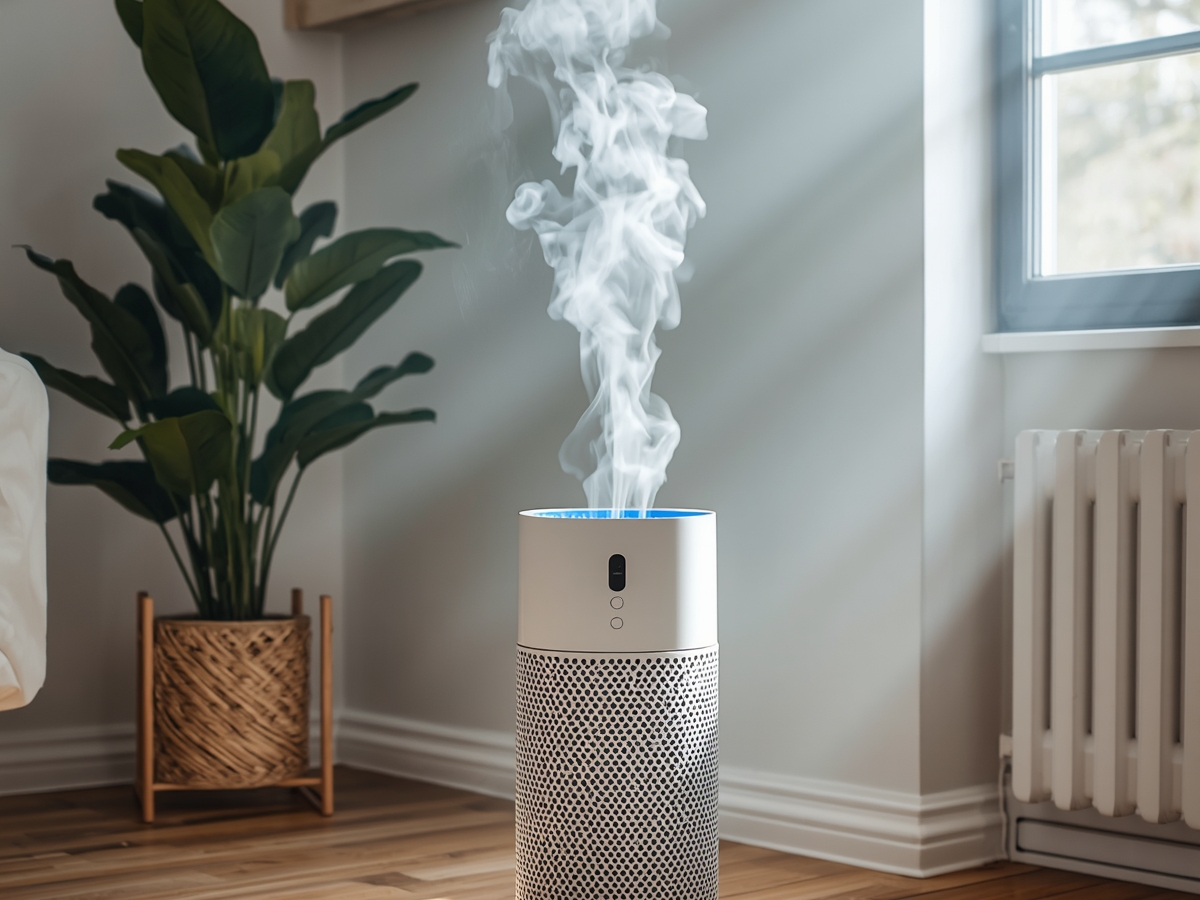
Even after visible damage has been addressed, smoke odor can remain trapped in walls, fabrics, and ventilation systems. This lingering smell is more than just unpleasant.
It can affect air quality and make it difficult to fully settle back into a space. That is why odor removal plays a key role in fire damage recovery, helping move the process from basic cleanup to complete restoration.
What Advanced Smoke Odor Removal Methods Are Most Effective?
Removing smoke odor requires more than surface cleaning. The particles responsible for the smell are often microscopic and deeply embedded, which means they need to be neutralized rather than simply covered up. This is where advanced methods come into play.
Thermal fogging is one approach that works by releasing a fine mist designed to penetrate the same areas smoke once reached. This allows odor-neutralizing agents to settle into porous materials such as drywall, upholstery, and wood.
Another method, ozone treatment, alters odor-causing molecules at a chemical level, effectively breaking them down so they no longer produce a smell. Air scrubbing, on the other hand, focuses on improving air quality by filtering out particles and contaminants through specialized filtration systems.
Each of these techniques serves a different purpose, which is why they are often used together. Combining methods ensures that both airborne particles and embedded odors are addressed.
In the context of fire damage recovery, this layered approach helps create a noticeable difference in how a space feels once restoration is complete.
It is also worth noting that timing matters. Addressing smoke odor early prevents it from settling further into materials, making removal more efficient. Delays can allow odors to intensify, which may require more extensive treatment later on.
How Does Smoke Odor Removal Integrate With Fire Damage Restoration Services?
Smoke odor removal is most effective when it is not treated as a separate step, but as part of a coordinated restoration plan.
During fire damage recovery, cleanup, repair, and odor control often happen in overlapping phases. This ensures that each step supports the next rather than working against it. For example, deep cleaning and debris removal prepare surfaces so odor treatments can reach affected areas more effectively.
At the same time, ongoing air filtration helps maintain a safer environment while repairs are underway. By integrating these efforts, restoration teams can prevent odors from reappearing after structural work is completed.
This approach also improves overall efficiency. Instead of revisiting the same areas multiple times, professionals can address odor issues alongside cleaning and repairs. This not only shortens the timeline but also reduces the likelihood of missed spots where smoke residue might linger.
From a practical standpoint, this integration helps restore comfort as well as structure. A space may look repaired, but if it still carries the smell of smoke, it does not feel fully restored.
Incorporating odor removal into the broader fire damage recovery process ensures that the final result is both visually clean and comfortable to live or work in.
By treating smoke odor as a core part of restoration rather than an afterthought, you create a more complete and lasting recovery.
How To Mitigate Water Damage And Prevent Mold After Fire Damage
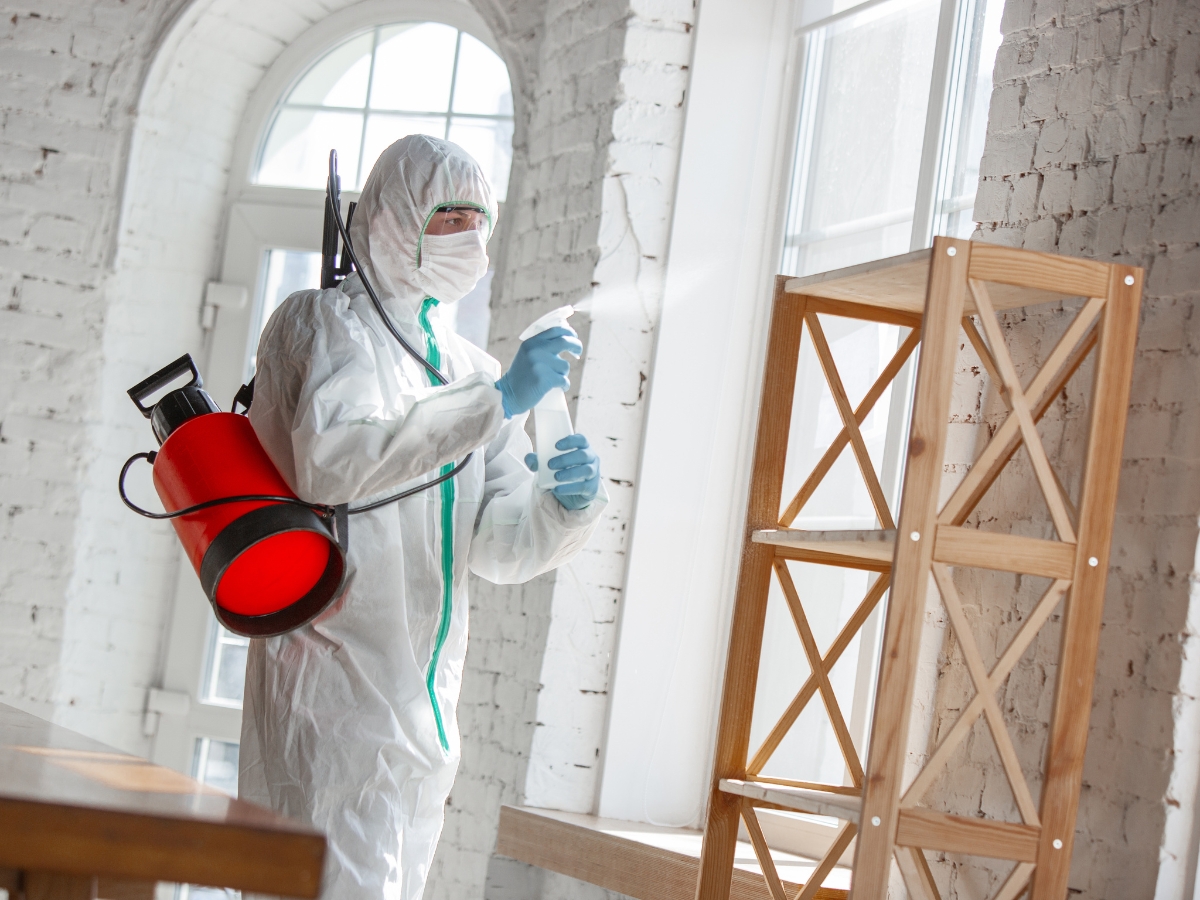
After a fire, water damage is often an unavoidable side effect of putting the flames out. While it may not be the first concern, excess moisture can quickly become a serious issue if left untreated.
Managing this stage properly is a key part of fire damage recovery, helping protect the structure and prevent additional complications like mold growth.
What Water Damage Mitigation Steps Are Critical Post-Fire?
The first priority is removing any standing water as soon as it is safe to do so. Water left sitting on floors or trapped in materials like drywall and insulation can seep deeper over time, weakening the structure and creating the ideal conditions for further damage. Acting early limits how far moisture can spread.
Once visible water is cleared, the focus shifts to thorough drying. This step goes beyond opening windows or using household fans.
Professional-grade air movers and dehumidifiers are often needed to pull moisture out of walls, flooring, and hidden cavities. These tools help restore balance to the indoor environment and prevent moisture from lingering in places that are not immediately visible.
Monitoring moisture levels is another important part of this process. Even when surfaces appear dry, internal materials may still hold water.
Restoration teams often use specialized meters to check moisture content and confirm when an area is truly dry. This attention to detail supports a more complete fire damage recovery by reducing the risk of future issues.
Timing plays a major role here. The longer water remains, the more difficult it becomes to reverse the damage. Quick, methodical action helps protect both the structure and any salvageable materials.
How To Prevent Mold Growth During Fire Damage Recovery?
Mold can begin developing within a short window after water exposure, which makes prevention a critical part of fire damage recovery. The goal is to create an environment where mold cannot take hold in the first place.
Controlling humidity is one of the most effective strategies. Keeping indoor humidity levels low helps limit the moisture that mold needs to grow. Dehumidifiers and proper airflow work together to maintain these conditions, especially in enclosed areas where air circulation is limited.
Ventilation also plays a key role. Allowing fresh air to move through the space helps remove damp air and replace it with drier air. This is particularly important in areas like basements, crawl spaces, and behind walls, where moisture can easily become trapped.
Ongoing inspection adds another layer of protection. Checking for early signs of mold, such as musty odors or small patches of discoloration, allows you to address problems before they spread. During repairs, choosing materials designed to resist moisture can further reduce the likelihood of mold returning in the future.
If mold is discovered, it is important to handle it carefully. Professional mold remediation ensures that the problem is contained and removed without spreading spores to other areas of the property. This step helps keep the broader fire damage recovery process on track.
Addressing water damage and mold prevention together creates a stronger foundation for restoration. By managing moisture early and consistently, you reduce setbacks and move closer to a complete recovery.
What Should You Know About Fire Damage Insurance Claims?
Dealing with insurance after a fire can feel just as overwhelming as the damage itself. The process involves more than filing a claim.
It requires clear documentation, steady communication, and a good understanding of what your policy actually covers. Taking the time to approach this step carefully can make a meaningful difference in how smoothly your fire damage recovery moves forward.
How To Navigate Fire Damage Insurance Claims Effectively?
The first step is to review your insurance policy in detail. Many homeowners assume they know what is covered, but policies often include specific limits, exclusions, and conditions that affect how a claim is handled. Understanding these details early helps you avoid surprises later in the process.
Once you have a clear sense of your coverage, documentation becomes your most important tool. Take detailed photos and videos of all damage, including structural areas, personal belongings, and any secondary issues like water damage.
Keeping a written record of what was affected, along with approximate values, can strengthen your claim and make it easier to communicate with your insurer.
Consistency in communication also matters. Keep track of every interaction with your insurance company, including emails, phone calls, and claim updates.
This creates a clear timeline and helps prevent misunderstandings. If questions or disputes arise, having organized records gives you a stronger position.
Many people find it helpful to involve a restoration professional early in the process. These experts can assess the damage and provide repair estimates that align with industry standards.
Their input often adds clarity to the scope of work required, which can support your claim and reduce back-and-forth with the insurer. In the context of fire damage recovery, this collaboration helps connect the financial side of the process with the practical steps needed to restore the property.
Patience is also part of the process. Claims can take time, especially when inspections and approvals are involved. Staying organized and responsive can help keep things moving, even if progress feels slow at times.
What Costs Are Typically Covered By Fire Damage Insurance?
Insurance coverage for fire damage generally focuses on restoring both the structure and your ability to live in the space.
Structural repairs are usually a primary component, covering damage to walls, roofing, flooring, and other essential parts of the building. These repairs are often necessary before any cosmetic restoration can begin.
Personal property is another key area of coverage. Items such as furniture, clothing, and electronics that were damaged or destroyed may be included in the claim.
The level of reimbursement often depends on whether your policy covers replacement cost or actual cash value, which takes depreciation into account.
In many cases, policies also include coverage for additional living expenses. If your home is not safe to occupy during fire damage recovery, insurance may help cover temporary housing, meals, and other necessary costs. This support can make a difficult situation more manageable while repairs are underway.
It is important to remember that every policy is different. Some items or situations may fall outside standard coverage, and limits may apply to certain categories. Reviewing your policy carefully and asking questions when needed helps ensure you understand what to expect.
Approaching the claims process with preparation and clarity allows you to focus on recovery rather than confusion. When handled thoughtfully, insurance can play a vital role in supporting a complete and stable fire damage recovery.
How Are Flooring And Carpet Restoration Handled After Fire Damage?
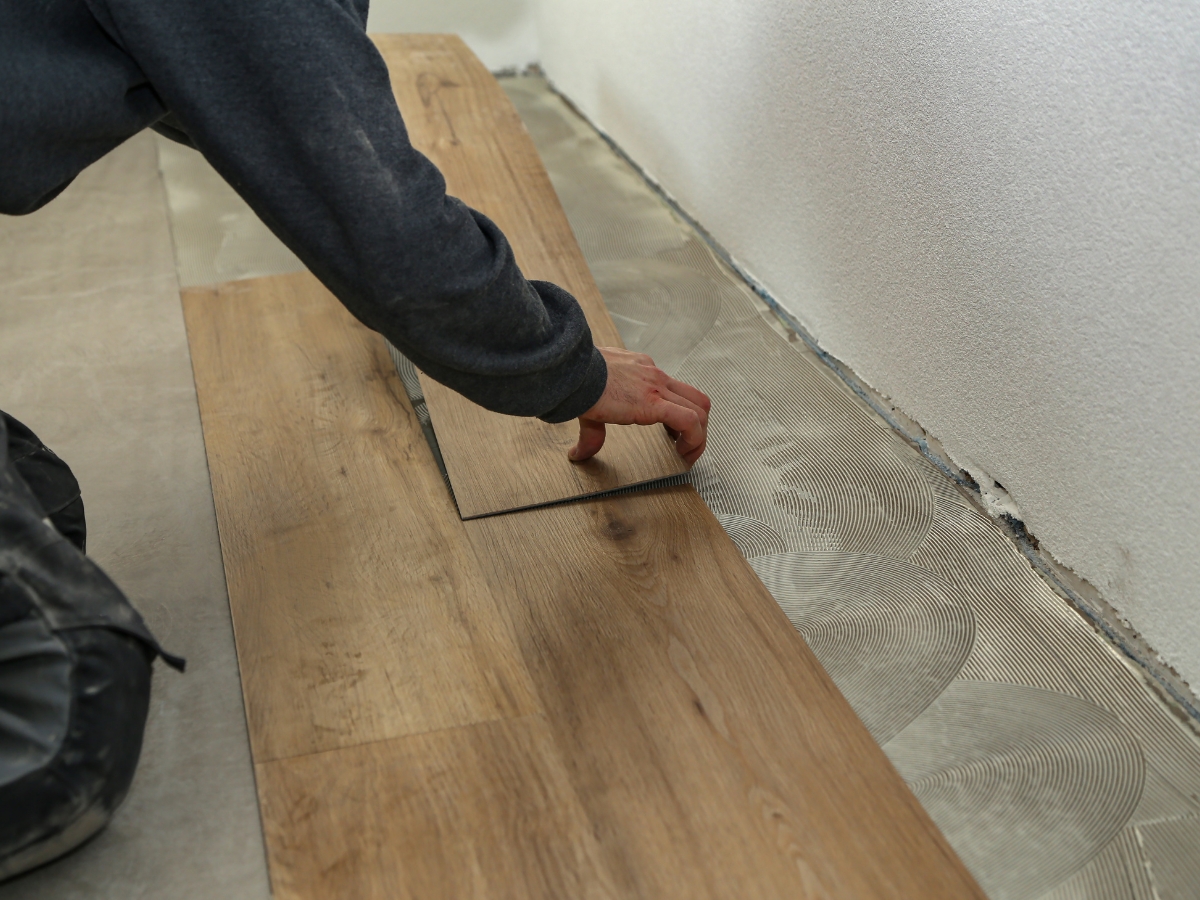
Flooring and carpets often absorb some of the most persistent effects of a fire. Heat, soot, and water used during firefighting can all impact these surfaces in different ways.
Because of this, restoring them is a detailed part of fire damage recovery that goes beyond simple cleaning. The goal is not only to improve appearance but also to ensure the space is safe, stable, and free from lingering contaminants.
What Flooring Installation And Carpet Cleaning Services Are Available?
The first step in restoring flooring and carpets is a careful evaluation of what can be saved. Some materials, especially those lightly affected by smoke or water, may respond well to deep cleaning.
Professional cleaning methods use specialized equipment to remove soot particles and odors that have settled into fibers or porous surfaces.
In cases where damage is more severe, replacement becomes the better option. Carpets that have been exposed to heavy smoke or prolonged moisture may hold odors and contaminants that are difficult to remove completely.
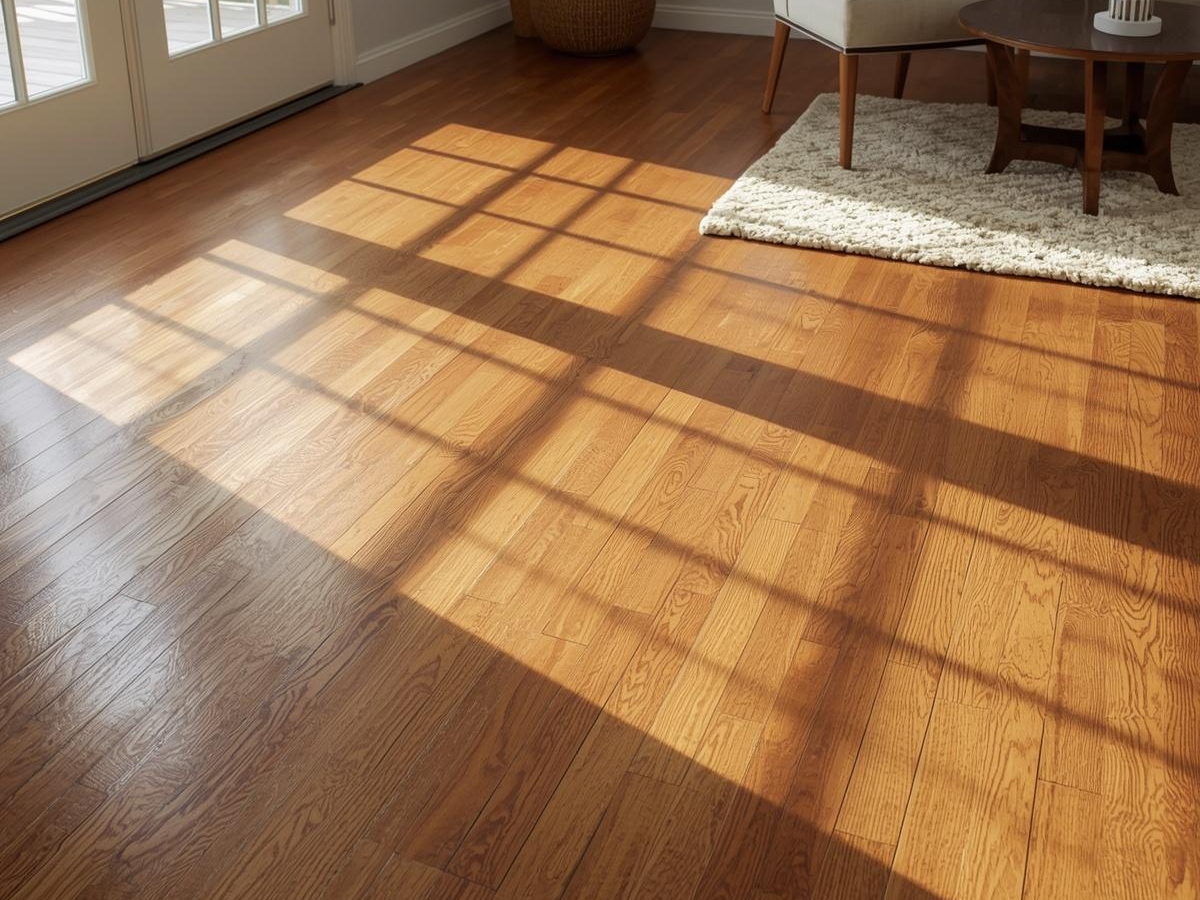
Similarly, certain flooring materials, such as laminate or hardwood, can warp or weaken after exposure to heat and water. When this happens, installing new flooring helps restore both the look and structural reliability of the space.
There are also situations where a combination of approaches is used. For example, one area of a home may only need cleaning, while another requires full replacement.
This flexible approach allows fire damage recovery efforts to stay efficient without overlooking problem areas. Restoration teams typically guide these decisions, balancing cost, safety, and long-term performance.
How To Choose The Right Restoration Services For Flooring And Carpets?
Selecting the right professionals is an important part of ensuring quality results. Flooring and carpet restoration after a fire requires specific experience, so it is worth looking for providers who specialize in fire damage recovery rather than general cleaning or installation alone.
This ensures they understand how smoke, heat, and water interact with different materials. Experience and reputation can provide useful insight when comparing options.
Companies with a track record in restoration work are more likely to follow proper processes and identify issues that might not be obvious at first. Reading reviews or asking for examples of past projects can help you get a clearer picture of what to expect.
It is also helpful to consider how a company approaches assessment and planning. A thorough inspection, followed by a clear explanation of recommended steps, often indicates a more reliable service.
Transparent communication makes it easier to understand why certain materials need replacement while others can be restored.
Finally, comparing estimates can give you a better sense of value. Pricing alone should not be the deciding factor, but it can highlight differences in scope and approach. Looking at what is included in each proposal helps ensure that the work aligns with your needs and supports a complete fire damage recovery.
By taking the time to evaluate your options, you can choose a service that restores your flooring and carpets in a way that feels both practical and lasting.
Key Takeaways for Fire Damage Recovery
Recovering from a house fire is an overwhelming experience, but knowing the essential steps—from ensuring safety and contacting your insurance provider to documenting damage and beginning cleanup—can help you navigate the process with greater confidence and clarity.
Acting quickly and working with experienced professionals ensures that your home is properly restored, soot and smoke damage are addressed, and your family can begin moving forward.
For compassionate, expert fire damage restoration you can rely on, trust Restor-It, Inc. Ready to take the first step toward recovery? Call (678) 355-6645 or visit our website for a free quote today. Let our dedicated team help you restore not just your property, but your peace of mind, every step of the way.