Adding a sunroom is one of the most effective ways to expand your living space while bringing more natural light into your home.
Whether you want a relaxing retreat, an entertainment area, a home office, or a space to enjoy the outdoors year-round, a thoughtfully designed sunroom can enhance both your lifestyle and your property’s value.
The sunroom builders Atlanta homeowners trust understand that every addition should complement the home’s existing architecture while meeting the family’s unique needs.
From selecting the right materials and energy-efficient windows to creating a seamless connection with your indoor and outdoor spaces, expert craftsmanship is essential for lasting results.
This guide explores the benefits of custom sunroom additions, key design considerations, and what to look for when choosing the right builder for your project.
How to Choose the Best Sunroom Builders Atlanta Has to Offer
Choosing the Right Type of Sunroom for Your Atlanta Home
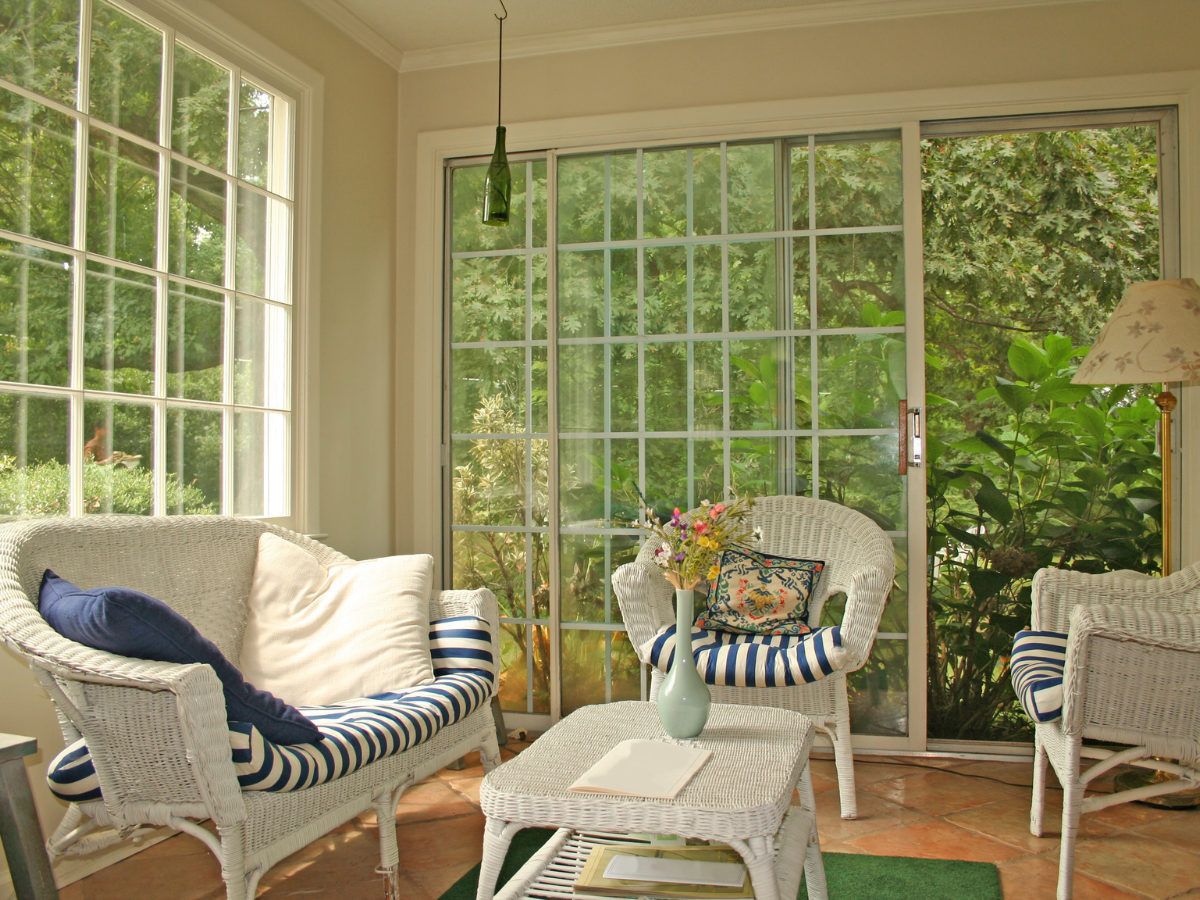
One of the first decisions homeowners make when planning a sunroom is choosing the style that best fits how they want to use the space. While appearance certainly matters, the biggest differences between sunroom designs come down to comfort, seasonal use, energy efficiency, and long-term value.
Experienced sunroom builders Atlanta homeowners trust typically begin by asking how the room will be used.
Whether you want a year-round family room, a bright reading nook, a casual dining area, or a space to enjoy your backyard views, selecting the right design from the beginning helps ensure the finished addition meets your expectations.
Compare the Most Popular Sunroom Styles
Each type of sunroom offers distinct advantages depending on your home’s layout, budget, and lifestyle.
| Sunroom Type | Best For | Key Benefits |
|---|---|---|
| Four-season room | Year-round living | Fully insulated with energy-efficient windows and climate control for every season. |
| Three-season room | Spring through fall enjoyment | Provides protection from insects and weather while keeping construction costs lower. |
| Solarium | Maximum natural light | Features extensive glass walls and ceilings for panoramic outdoor views. |
Rather than asking which option is “best,” consider which one best matches how your family will actually use the space throughout the year.
Match the Sunroom to Your Lifestyle
A four-season room is often the preferred choice for homeowners who want the addition to function as a true extension of the home. Because these rooms are insulated and connected to heating and cooling systems, they can serve as family rooms, home offices, exercise spaces, or dining areas regardless of the weather.
Three-season rooms appeal to homeowners who primarily want to enjoy pleasant weather without dealing with insects, pollen, or unexpected rain. They offer many of the benefits of outdoor living while typically requiring a smaller investment than a fully conditioned addition.
Solariums create a completely different experience. Their expansive glass construction maximizes daylight and outdoor views, making them ideal for plant enthusiasts, reading spaces, or homeowners who simply want to feel connected to their landscape throughout the day.
Select Materials That Perform Well in Atlanta’s Climate
Choosing durable materials is just as important as selecting the right sunroom style. Atlanta’s hot, humid summers, frequent rain, and occasional winter freezes require materials that resist moisture, minimize maintenance, and support long-term energy efficiency.
Many experienced sunroom builders Atlanta residents work with recommend the following materials:
| Material | Why It’s Well Suited for Atlanta |
|---|---|
| Vinyl framing | Low maintenance, moisture resistant, and energy efficient. |
| Aluminum framing | Strong, lightweight, and resistant to rust and corrosion. |
| Energy-efficient insulated glass | Helps regulate indoor temperatures while reducing heat gain and UV exposure. |
| Tempered or safety glass | Improves durability and meets modern building safety standards. |
The ideal combination often depends on your budget, desired appearance, and whether you’re building a three-season or four-season room.
Work With Builders Who Customize the Design
No two homes or backyards are exactly alike. Factors such as rooflines, sun exposure, lot orientation, and existing architecture all influence the best sunroom design.
Professional sunroom builders Atlanta homeowners rely on evaluate these site-specific details before recommending a design.
They can also suggest window placement, roof styles, ventilation options, and material combinations that improve comfort while ensuring the addition blends seamlessly with the rest of the home.
By choosing the right type of sunroom and materials from the start, you’ll create an outdoor living space that not only complements your home but also provides lasting comfort, durability, and enjoyment for years to come.
What Affects the Cost of a Custom Sunroom in Atlanta?
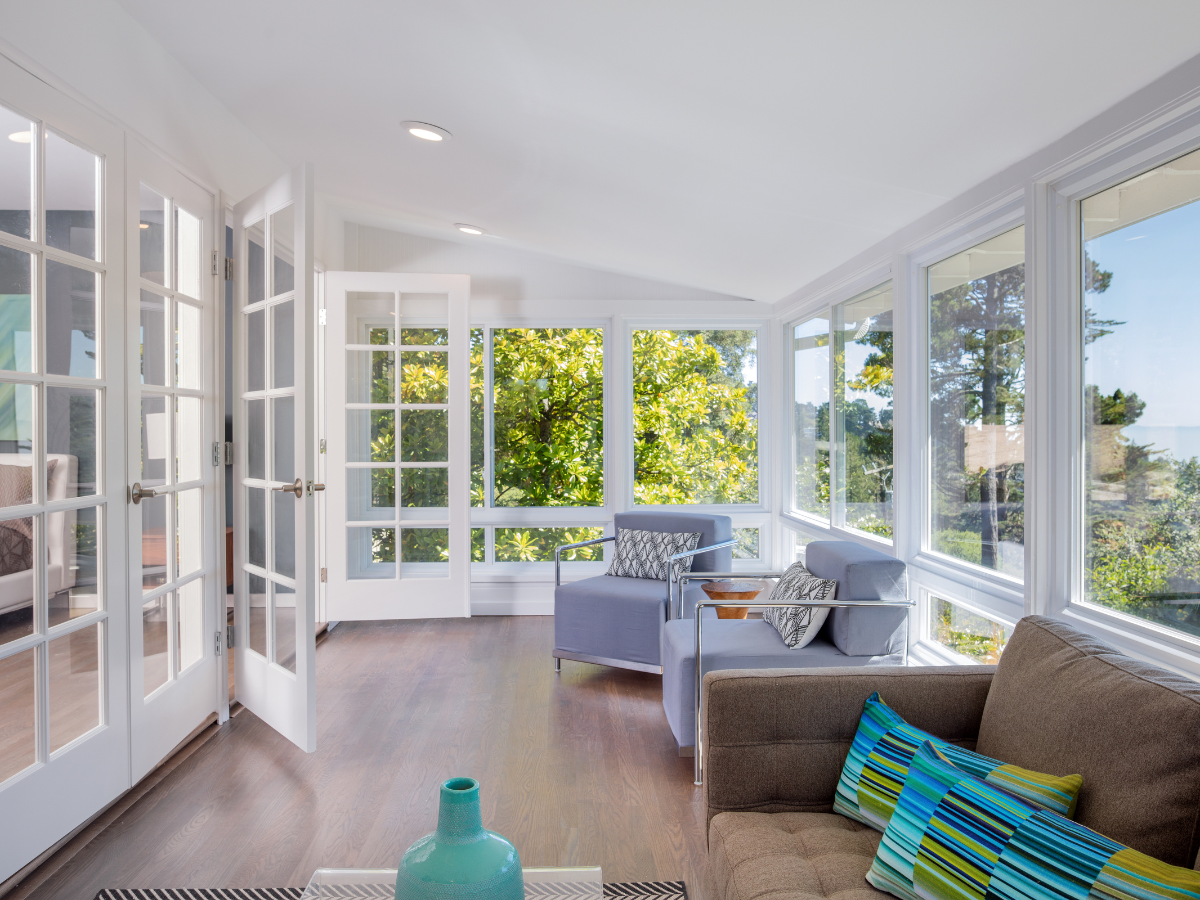
The cost of a custom sunroom depends on far more than its square footage. Every project is unique, with pricing influenced by the room’s intended use, construction methods, material selections, and the amount of customization involved.
While many sunroom projects in the Atlanta area fall between $20,000 and $55,000, the final investment varies based on the features you choose and the complexity of the installation.
Working with experienced sunroom builders Atlanta homeowners trust allows you to understand these variables early in the planning process and establish a realistic budget before construction begins.
The Biggest Factors That Influence Sunroom Pricing
Some design decisions have a greater impact on cost than others. Understanding these factors can help you prioritize the features that matter most to your family.
| Cost Factor | How It Affects Your Investment |
|---|---|
| Size of the addition | Larger sunrooms require more framing, roofing, windows, flooring, and labor. |
| Type of sunroom | Four-season rooms generally cost more than three-season rooms because of insulation and climate control requirements. |
| Materials | Premium framing systems, energy-efficient glass, and upgraded finishes increase the initial investment while improving long-term performance. |
| Site conditions | Foundation work, grading, or challenging access can add to construction costs. |
| Custom features | Built-in lighting, vaulted ceilings, specialty windows, and custom finishes increase project complexity. |
Reviewing these variables with your contractor helps balance your budget with your long-term goals.
Invest in Features That Deliver Long-Term Value
When comparing estimates, it’s tempting to focus on the lowest price. However, choosing higher-quality materials and construction often reduces maintenance, improves energy efficiency, and extends the lifespan of the addition.
For example, insulated windows, durable framing systems, and quality roofing materials may increase upfront costs but can improve year-round comfort and reduce future repair expenses. If you’re planning to use the sunroom as a true extension of your home, these upgrades often provide worthwhile long-term value.
Experienced sunroom builders Atlanta residents rely on can help identify which upgrades offer meaningful benefits and which features may be optional based on your budget.
Plan Your Budget Before Construction Begins
A detailed project plan helps prevent unexpected expenses later in the process.
Before construction starts, discuss:
- Your target budget and spending priorities.
- Whether you want a three-season or four-season room.
- Desired finishes and flooring materials.
- Heating, cooling, and electrical requirements.
- Local permitting and inspection requirements.
- Any future upgrades you’d like the design to accommodate.
Planning these details in advance allows your contractor to develop a design that aligns with both your vision and your financial expectations.
Financing Options for a Sunroom Addition
Because a custom sunroom is a significant home improvement project, many homeowners explore financing options rather than paying the full cost upfront.
Common financing solutions include:
| Financing Option | Best Suited For |
|---|---|
| Home equity loan or line of credit | Homeowners with available equity seeking competitive interest rates. |
| Personal loan | Those who prefer unsecured financing with predictable monthly payments. |
| Contractor financing | Homeowners looking for payment plans offered through the builder or lending partners. |
The right financing option depends on your financial goals, available equity, and preferred repayment schedule. Discussing financing early in the planning process can help you determine a comfortable investment range before selecting finishes and upgrades.
By understanding what drives project costs and working closely with experienced sunroom builders Atlanta homeowners recommend, you can make informed decisions that balance budget, functionality, and long-term value.
Rather than focusing solely on the initial price, consider the lasting comfort, additional living space, and enjoyment a thoughtfully designed sunroom can bring to your home for years to come.
Design a Sunroom Around How You Live
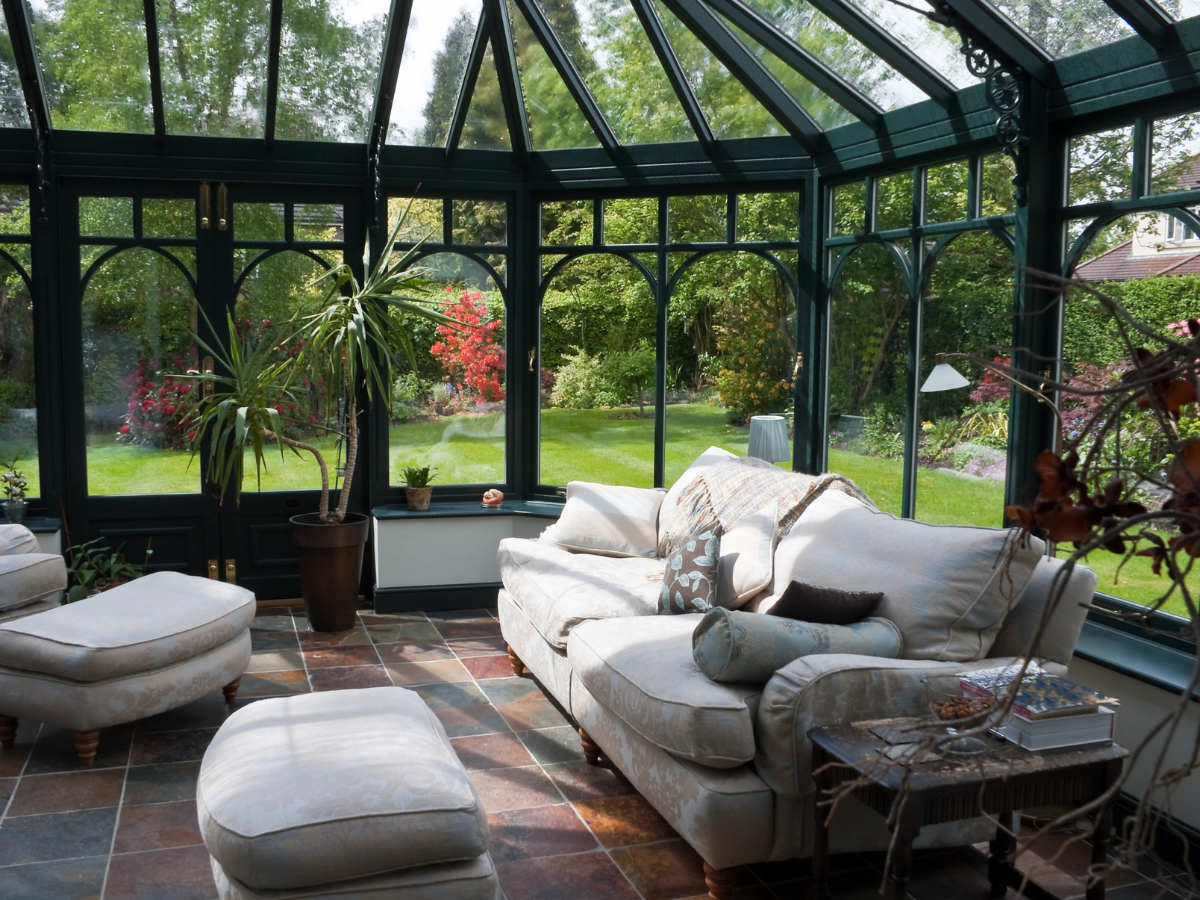
The most successful sunrooms aren’t defined by a particular style. They’re designed around the people who use them. Before choosing flooring, furniture, or window styles, think about how you want the space to function throughout the year.
Experienced sunroom builders Atlanta homeowners trust often begin the design process by asking practical questions. Will the room become your morning coffee spot?
Do you need a quiet home office with plenty of natural light? Will it serve as a family gathering space or an extension of your dining area? Answering these questions first helps every design decision support the way you actually live.
Choose a Layout That Fits Your Lifestyle
A thoughtful layout makes the room feel comfortable, organized, and easy to use.
Rather than filling the space with furniture, divide the room into functional zones that support your daily routine. For example, a larger sunroom might include a seating area for conversation, a reading corner near the windows, and a small dining table overlooking the backyard.
If space is limited, prioritize open walkways and furniture that serves multiple purposes. Built-in benches with hidden storage, nesting tables, and modular seating can maximize usable space without making the room feel crowded.
Add Features That Improve Comfort Every Day
The best design features aren’t always the most elaborate. Often, they’re the ones that make the room more enjoyable throughout the seasons.
| Feature | Why Homeowners Choose It |
|---|---|
| Skylights | Bring additional daylight into the room while creating a more open feeling. |
| Built-in seating | Saves space and provides integrated storage options. |
| Sliding or folding glass doors | Creates a smooth transition between the sunroom and outdoor living areas. |
| Ceiling fans | Improve airflow and comfort during warmer months. |
| Energy-efficient windows | Help regulate indoor temperatures while maximizing natural light. |
When these features are planned early in the design process, they create a space that feels both beautiful and highly functional.
Create a Flexible Space for Changing Needs
One of the biggest advantages of a custom sunroom is its versatility.
Many homeowners begin with one purpose in mind only to discover the room evolves over time. A playroom may become a home office. A hobby room may eventually serve as a guest sitting area. A casual lounge could double as an entertaining space during holidays and family gatherings.
Designing with flexibility in mind allows the room to adapt without requiring costly renovations later. Neutral finishes, movable furniture, and ample electrical outlets make it easier to repurpose the space as your lifestyle changes.
Popular Ways Homeowners Use Their Sunrooms
Today’s sunrooms are much more than places to enjoy the view. They often become some of the most frequently used rooms in the home.
Common uses include:
- Home offices with abundant natural light.
- Reading rooms and quiet retreats.
- Family rooms for everyday relaxation.
- Indoor dining spaces overlooking the backyard.
- Home gyms or yoga studios.
- Hobby and craft rooms.
- Plant rooms for gardening enthusiasts.
The right choice depends less on current trends and more on how your household spends time together.
Work With a Designer Who Plans Beyond the Room
A sunroom should feel like a natural extension of your home rather than an addition that was attached as an afterthought.
Professional sunroom builders Atlanta residents rely on consider factors such as traffic flow, furniture placement, window orientation, electrical needs, and connections to nearby indoor and outdoor spaces. These details influence how comfortable and functional the room will feel long after construction is complete.
By designing around your daily routine instead of simply following design trends, you’ll create a sunroom that adds lasting value to your home while becoming a space your family enjoys throughout every season.
What to Expect During the Sunroom Planning and Construction Process
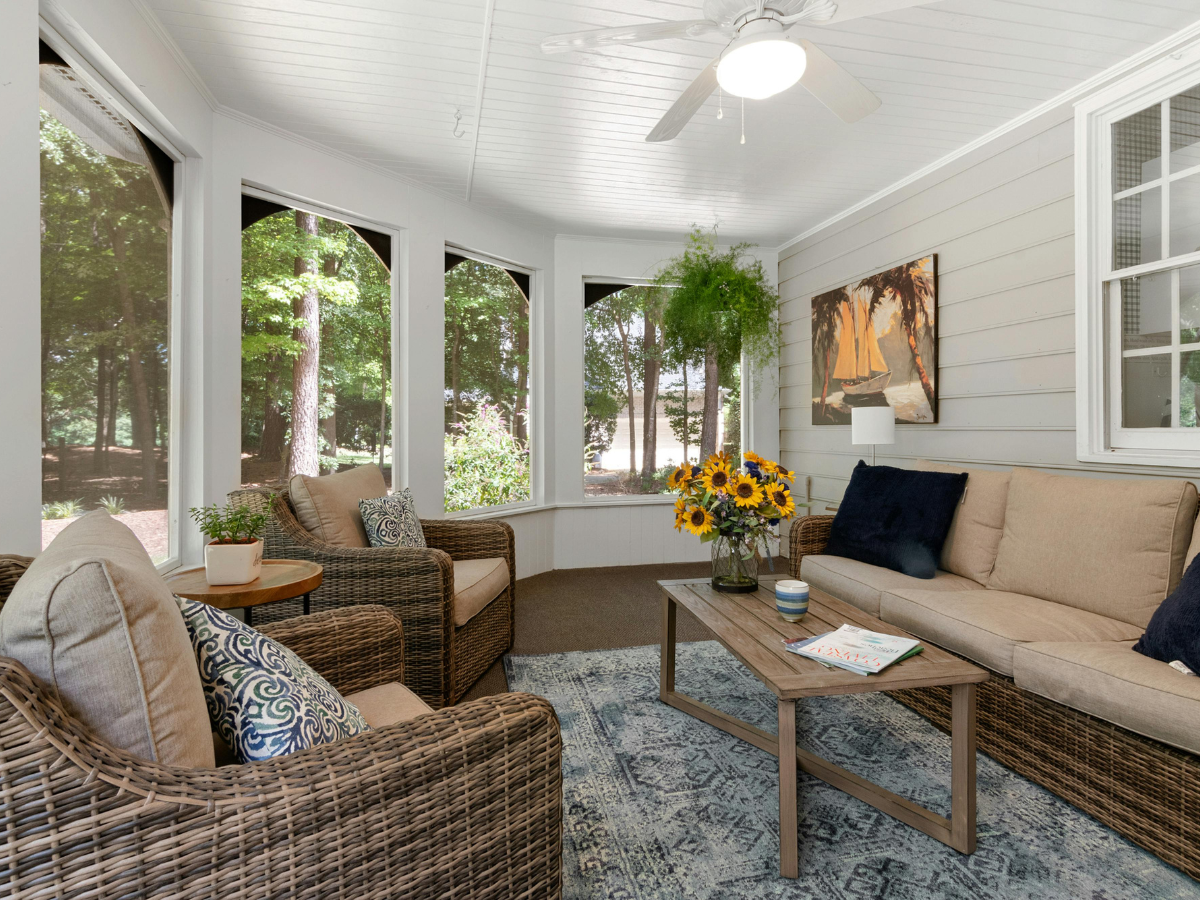
Building a custom sunroom is more than a construction project. It involves careful planning, permitting, design, and installation to ensure the finished addition is safe, functional, and fully integrated with your home.
Working with experienced sunroom builders Atlanta homeowners recommend can make this process much smoother. A qualified contractor understands local building requirements, coordinates the necessary approvals, and manages each phase of construction so you know what to expect from start to finish.
Step 1: Consultation and Site Evaluation
Every successful sunroom begins with a detailed consultation.
During this stage, the builder evaluates your property, discusses how you plan to use the space, and reviews factors such as your home’s existing architecture, available space, sun exposure, drainage, and budget.
This information helps determine the most suitable sunroom style, materials, and layout before any construction plans are prepared.
Step 2: Design, Engineering, and Permitting
Once the design has been finalized, construction documents are prepared for permitting.
Most sunroom additions in Metro Atlanta require building permits because they involve structural work and must comply with local building codes. Depending on the project, plans may also need to address electrical systems, HVAC connections, foundations, or other code requirements.
Professional sunroom builders Atlanta residents work with typically handle this process on the homeowner’s behalf, helping ensure the project meets municipal requirements before construction begins.
Step 3: Construction and Installation
After permits have been approved, construction can begin.
Although every project is different, the installation process generally follows a similar sequence:
| Construction Phase | What Happens |
|---|---|
| Site preparation | The area is cleared and prepared for construction. |
| Foundation work | Concrete slab or foundation is installed if required. |
| Framing | Walls, roof structure, and framing components are built. |
| Windows and doors | Energy-efficient windows and exterior doors are installed. |
| Interior finishing | Flooring, trim, electrical work, and final details are completed. |
| Final inspection | Local officials inspect the project before final approval when required. |
Having a structured construction process helps keep the project organized while maintaining quality throughout each stage.
How Long Does It Take to Build a Sunroom?
Project timelines vary depending on the size of the addition, weather conditions, permitting schedules, and the level of customization.
Many custom sunroom projects take approximately 6 to 12 weeks from the beginning of construction through final completion. However, the overall timeline may be longer when design development, engineering, and permit approvals are included before construction starts.
Rather than focusing solely on speed, homeowners should prioritize a realistic schedule that allows each phase of the project to be completed properly.
Why Planning Ahead Leads to Better Results
A successful sunroom isn’t built by rushing through construction. It’s created through thoughtful planning, careful design, and quality craftsmanship at every stage.
Choosing experienced sunroom builders Atlanta homeowners trust means working with professionals who can anticipate potential challenges before they become delays, coordinate inspections, and ensure the finished addition complies with local building requirements.
By understanding the permitting process, expected timeline, and major construction phases, homeowners can begin their project with realistic expectations and greater confidence, making the entire experience smoother from the initial consultation to the day they begin enjoying their new sunroom.
Design an Energy-Efficient Sunroom for Year-Round Comfort
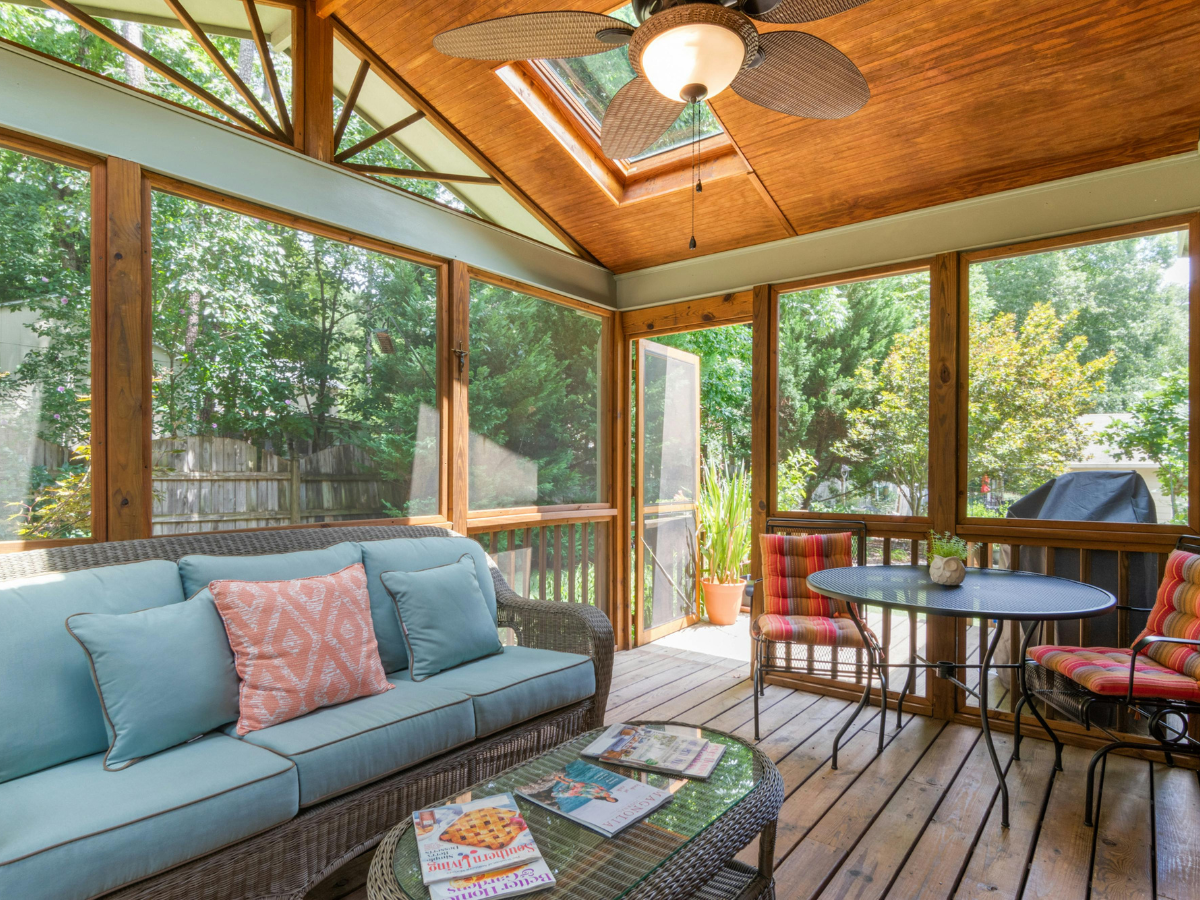
A beautiful sunroom should be comfortable in every season, not just during mild spring weather. In Metro Atlanta, homeowners often deal with intense summer heat, high humidity, and occasional cold snaps during winter.
Without proper planning, a sunroom can become too hot in the afternoon or difficult to heat when temperatures drop. Experienced sunroom builders Atlanta homeowners rely on address energy efficiency from the earliest stages of design.
Rather than depending on heating and cooling equipment alone, they create a balanced system where insulation, windows, ventilation, and room orientation all work together to maintain a comfortable indoor environment.
Focus on the Features That Have the Biggest Impact
Not every upgrade contributes equally to energy performance. Prioritizing the right components can improve comfort while reducing long-term operating costs.
| Energy-Efficient Feature | Why It Matters |
|---|---|
| High-performance insulated windows | Reduce heat gain in summer and heat loss during cooler months. |
| Quality wall and roof insulation | Helps maintain consistent indoor temperatures throughout the year. |
| Thermally efficient framing | Reduces unwanted heat transfer through the structure. |
| Weather-sealed doors and windows | Limits drafts and improves overall energy efficiency. |
| Proper ventilation | Helps manage humidity and improves indoor comfort. |
When these features are incorporated during construction, they create a much more comfortable living space than relying on HVAC upgrades alone.
Choose the Right Heating and Cooling System
A sunroom’s climate control needs often differ from the rest of the home.
Many homeowners choose ductless mini-split systems because they provide efficient heating and cooling without requiring major modifications to existing ductwork. Others may extend their home’s HVAC system when the addition is designed as a fully conditioned four-season room.
The best solution depends on the size of the addition, insulation levels, and how frequently the room will be used. A professional builder can recommend an approach that balances comfort, efficiency, and installation costs.
Let Natural Light Work for You, Not Against You
One of the biggest advantages of a sunroom is the abundance of natural light. However, large expanses of glass can also introduce unwanted solar heat if they aren’t carefully planned.
Thoughtful window placement, roof design, and glazing selection play a major role in maintaining comfortable indoor temperatures.
Research on energy-efficient sunroom design consistently shows that insulated glazing and strategic orientation can significantly improve thermal performance by controlling heat gain and heat loss throughout the year.
By considering the direction your sunroom faces and selecting energy-efficient glass, you can enjoy bright, open views while reducing glare and minimizing temperature swings.
Is Smart Glass Worth Considering?
For homeowners planning a premium custom sunroom, smart glass technology offers another way to improve year-round comfort.
Unlike traditional windows, smart glass can automatically or manually adjust its tint in response to changing sunlight conditions. This helps reduce glare, limit solar heat gain, and improve indoor comfort without sacrificing natural light or outdoor views.
Although it represents a higher initial investment, smart glass is becoming an increasingly attractive option for homeowners seeking greater energy efficiency and convenience.
Ongoing research also highlights its potential to support building energy management by reducing cooling demands while maintaining comfortable interior conditions.
Energy Efficiency Begins With Good Design
The most energy-efficient sunrooms aren’t created by adding expensive products after construction. They’re designed with performance in mind from the beginning.
Professional sunroom builders Atlanta residents trust evaluate factors such as home orientation, insulation, glazing, ventilation, and climate control before recommending materials or equipment.
This integrated approach results in a sunroom that stays brighter, more comfortable, and more energy efficient throughout every season.
When these elements work together, your sunroom becomes a true extension of your home, offering the natural light and outdoor views you want without compromising comfort or increasing energy costs.
Protect Your Sunroom With Simple Long-Term Maintenance
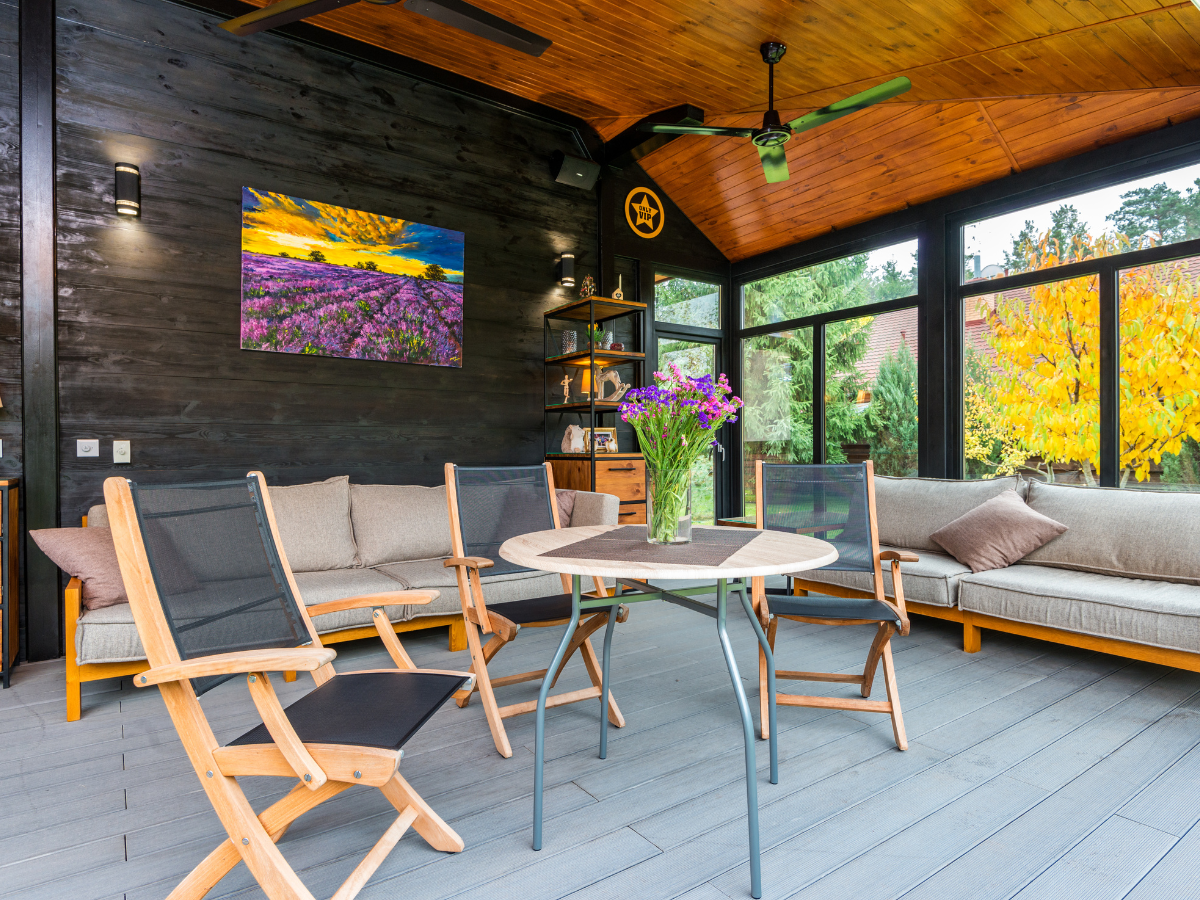
A well-built sunroom is designed to provide decades of enjoyment, but like any part of your home, it benefits from regular care. Fortunately, maintaining a sunroom doesn’t require extensive upkeep.
A few seasonal inspections and routine cleaning tasks can help preserve its appearance, improve energy efficiency, and prevent small issues from becoming expensive repairs.
Experienced sunroom builders Atlanta homeowners work with often recommend treating a sunroom as part of your home’s regular maintenance schedule rather than waiting until something goes wrong. Consistent care helps protect your investment while keeping the space comfortable throughout the year.
Follow a Seasonal Maintenance Routine
Breaking maintenance into seasonal tasks makes it easier to stay ahead of potential problems.
| Maintenance Task | Recommended Frequency | Why It Matters |
|---|---|---|
| Clean windows and glass panels | Twice a year or as needed | Maximizes natural light and helps identify cracks or damaged seals. |
| Inspect caulking and weather seals | Spring and fall | Prevents air leaks and moisture intrusion. |
| Check the roof and gutters | After major storms and seasonally | Helps prevent water damage and drainage issues. |
| Clean tracks, screens, and door hardware | Every few months | Keeps doors and windows operating smoothly. |
| Inspect framing and structural components | Annually | Allows early detection of wear, movement, or moisture-related damage. |
These simple inspections require little time but can extend the life of the entire structure.
Keep Moisture Under Control
Because Atlanta experiences high humidity and frequent rainfall, moisture management is one of the most important aspects of sunroom maintenance.
Inspect window seals regularly for signs of deterioration and make sure gutters and downspouts direct water away from the foundation. Inside the sunroom, maintain good airflow by using ceiling fans or ventilation when needed to help control humidity and reduce condensation on windows.
Addressing moisture early helps protect flooring, finishes, and framing while reducing the risk of mold or mildew developing in damp areas.
Address Small Repairs Before They Grow
Most major repairs begin as minor issues that are easy to overlook.
Watch for signs such as:
- Water stains near windows or the ceiling.
- Cracked or deteriorating caulk.
- Sticky windows or doors that no longer close smoothly.
- Loose screens or damaged hardware.
- Drafts around doors and window frames.
Prompt repairs help preserve the structural integrity of the sunroom and often cost significantly less than waiting until more extensive damage occurs.
Protect the Interior as Well
Maintaining a sunroom isn’t only about the structure itself. The interior deserves attention too. Sunlight can gradually fade furniture, flooring, rugs, and fabrics over time.
Window treatments, UV-resistant glass, or strategically placed shades can help protect furnishings while still allowing plenty of natural light into the room.
If your sunroom includes wood flooring or furniture, follow the manufacturer’s recommended cleaning and maintenance guidelines to preserve its appearance and longevity.
Schedule Professional Inspections When Needed
Routine homeowner maintenance goes a long way, but periodic professional inspections can provide added peace of mind, especially after severe weather or as the sunroom ages.
Many sunroom builders Atlanta homeowners trust offer maintenance services or can inspect the structure for issues that may not be immediately visible, including roofing concerns, settling, flashing, or aging seals. Identifying these problems early can help prevent more extensive repairs later.
With regular care and occasional professional attention, a custom sunroom can remain one of the most enjoyable and valuable spaces in your home.
A proactive maintenance routine protects your investment, preserves year-round comfort, and helps ensure your sunroom continues to look and perform its best for many years to come.
How to Choose a Qualified Sunroom Builder in Metro Atlanta
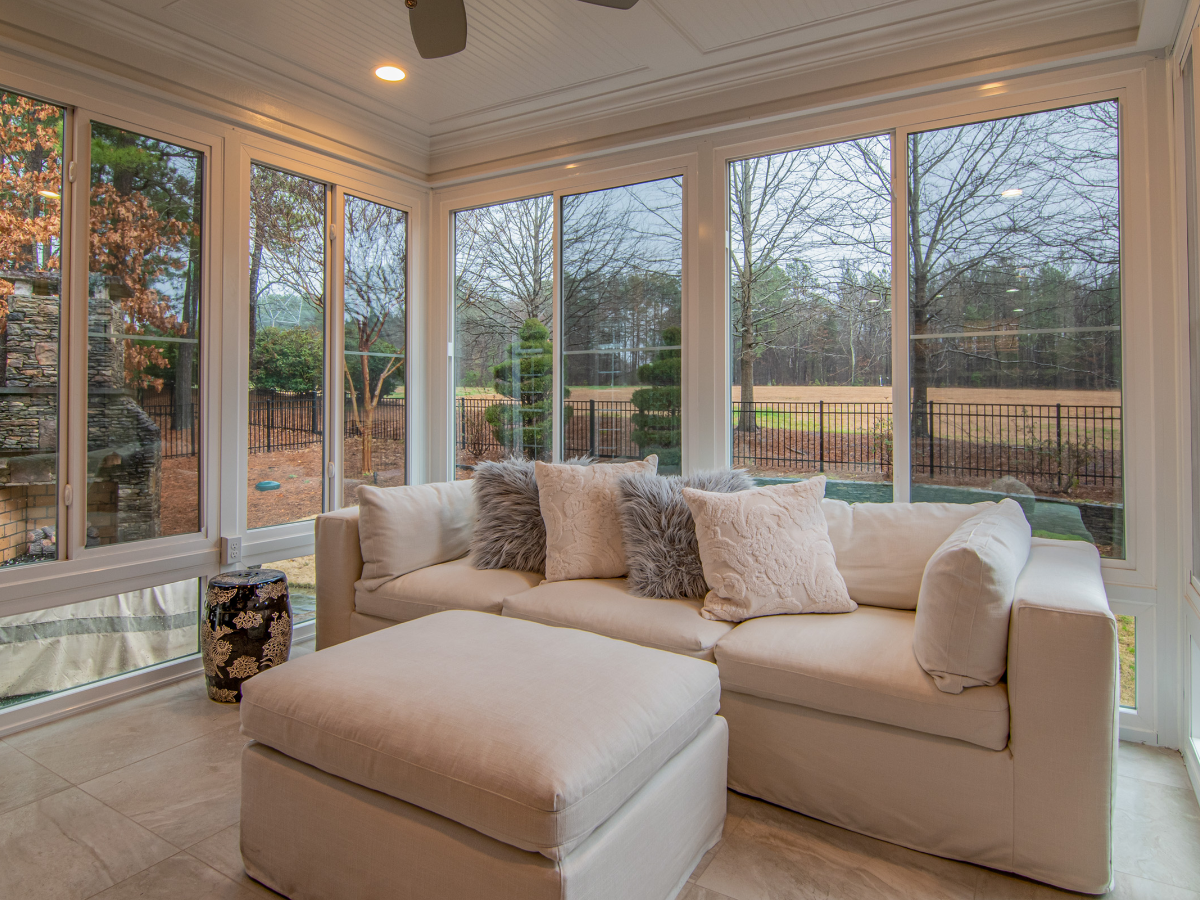
Choosing a contractor is one of the most important decisions in a sunroom project. Even a well-planned design can run into problems when the builder lacks relevant experience, provides an incomplete estimate, or fails to communicate clearly once construction begins.
Homeowners comparing sunroom builders Atlanta should look beyond polished websites and attractive project photos. The goal is to find a contractor who understands structural additions, local permitting, climate-related design concerns, and the practical details required to connect a new sunroom to an existing home.
Look for Experience With Sunroom Additions
General remodeling experience is useful, but sunroom construction presents its own challenges. The builder must account for foundations, roof connections, drainage, window systems, insulation, ventilation, and the transition between the addition and the original structure.
Ask how many similar projects the company has completed and whether its experience includes the type of room you want. A contractor who mainly installs screened enclosures may not be the right fit for a fully insulated four-season addition with electrical and HVAC work.
Relevant experience also helps a builder identify potential complications early, such as a difficult roofline, limited site access, poor drainage, or an existing patio that cannot support the proposed structure.
Verify Licensing, Insurance, and Permit Responsibilities
Before signing a contract, confirm that the builder carries the licensing and insurance required for the work being performed. Homeowners should also understand who will obtain permits, schedule inspections, and coordinate any licensed trade work.
A reliable contractor should be able to explain the approval process clearly. Be cautious when a builder suggests skipping permits, asks the homeowner to handle unfamiliar technical filings, or cannot explain how the project will comply with local requirements.
Documentation matters because it protects both the property and the homeowner. It may also become important when refinancing or selling the home later.
Review Estimates Beyond the Final Price
A low estimate is not always a better value. It may exclude work that appears in another contractor’s proposal or rely on lower-grade materials that will affect comfort and durability.
Compare written estimates line by line rather than looking only at the total.
| Estimate Detail | What to Confirm |
|---|---|
| Scope of work | Which parts of design, demolition, construction, and finishing are included |
| Materials | The proposed window, framing, roofing, insulation, and flooring products |
| Site work | Whether grading, foundation preparation, drainage, and debris removal are covered |
| Mechanical work | How electrical, heating, cooling, and ventilation will be handled |
| Permits and inspections | Who manages them and whether related fees are included |
| Payment schedule | When payments are due and what project milestones they correspond to |
Any exclusions should be stated in writing. Clear estimates make it easier to compare sunroom builders Atlanta on equal terms and reduce the risk of unexpected costs during construction.
Evaluate Past Projects With a Critical Eye
A portfolio can reveal more than a contractor’s preferred design style. Look closely at how each addition connects to the original house. Rooflines should feel intentional, exterior finishes should coordinate with the home, and doors and walkways should create a natural flow between spaces.
Ask to see projects similar in size and purpose to yours. Photographs taken immediately after installation are helpful, but completed projects that have been in use for several years can offer better insight into workmanship and material performance.
References are also valuable when the questions are specific. Ask former clients whether the project remained close to the proposed schedule and budget, how the contractor handled changes, and whether communication stayed consistent after the contract was signed.
Read Reviews for Patterns, Not Perfection
No established contractor is likely to have flawless feedback across every platform. What matters is the pattern.
Repeated praise for clear communication, clean job sites, careful workmanship, and responsive follow-up is encouraging. Repeated complaints about unexplained charges, missed appointments, unfinished details, or warranty problems deserve closer attention.
The contractor’s response to criticism can also be revealing. A professional, solution-focused response often says more than a generic apology or a defensive argument.
Ask Questions Before You Commit
A consultation should leave you with a clearer understanding of the project, not more confusion. Before choosing a builder, ask:
- Who will supervise the work each day?
- Which parts of the project will be subcontracted?
- How will design changes or unexpected conditions be documented?
- What warranties apply to labor and materials?
- How will delays and schedule updates be communicated?
- What is excluded from the quoted price?
The best sunroom builders Atlanta homeowners can hire are not simply the companies with the strongest sales presentation. They are the ones that provide relevant experience, transparent documentation, realistic expectations, and a construction plan tailored to the home.
Taking time to verify those qualities before signing a contract can prevent many of the problems that become difficult and expensive to correct later.
How to Research and Plan Your Sunroom Before Meeting With a Builder
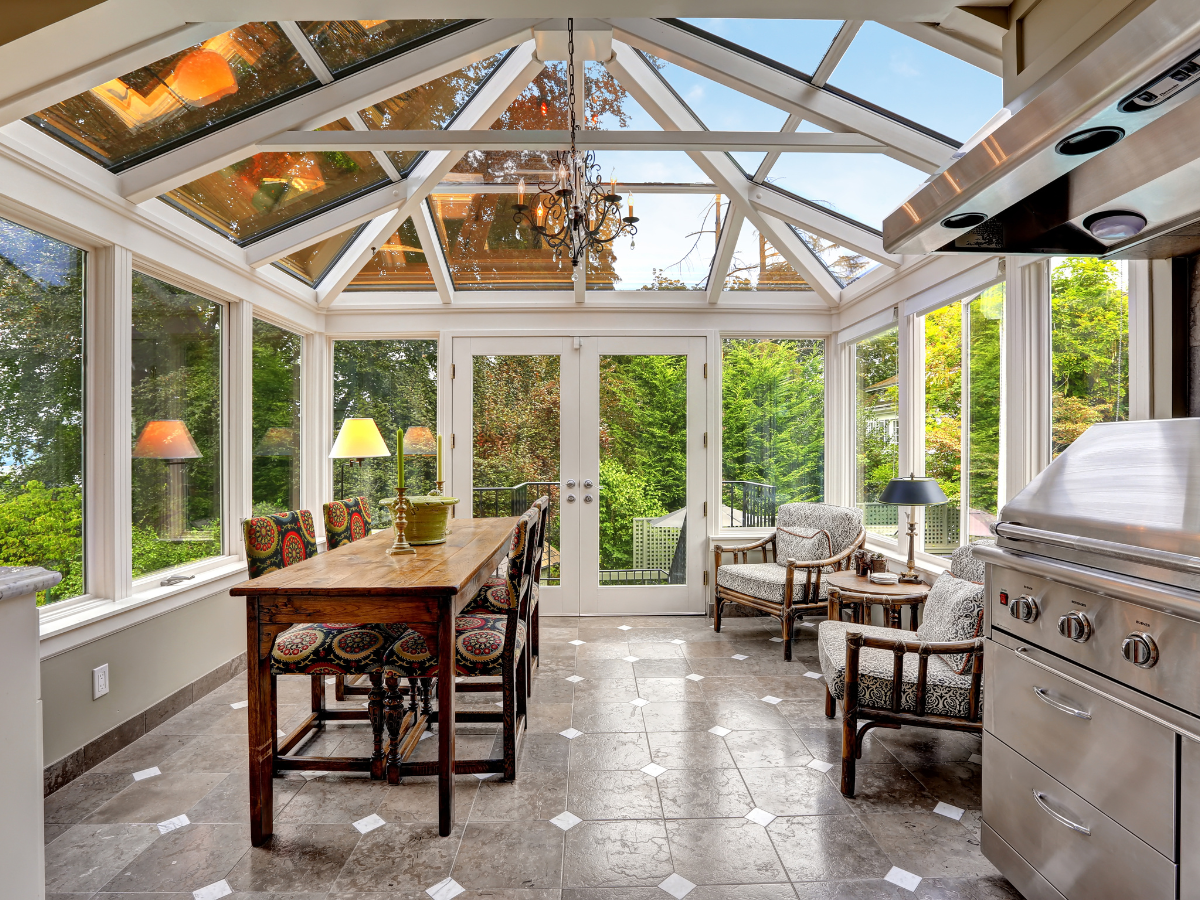
Collecting sunroom ideas can be enjoyable, but inspiration is only useful when it helps you make clear decisions. Saving dozens of attractive photos without identifying what you like about them can make the planning process more confusing, not less.
Before contacting sunroom builders Atlanta homeowners should gather examples, define priorities, and note the conditions that are specific to their property. This gives the contractor a better starting point and helps keep early design conversations focused on practical goals rather than vague preferences.
Start With Local Sunroom Projects
National design websites can introduce you to different styles, but local projects are often more helpful. A sunroom built in another climate may use materials, glazing, or ventilation strategies that are not ideal for Georgia’s heat, humidity, and seasonal weather.
Look for project galleries and case studies featuring homes in Metro Atlanta. Pay attention to more than the furnishings. Study how the addition connects to the original roofline, how much glass is used, where doors are placed, and whether the room appears to receive direct afternoon sun.
Local remodeling tours, home shows, and contractor portfolios can also reveal which designs work well with architectural styles commonly found throughout the area.
When reviewing completed projects, ask yourself:
- Does the sunroom look like part of the original house?
- How does the room connect to the backyard, patio, or deck?
- Is the space designed for year-round use or mild weather only?
- Which features appear practical rather than purely decorative?
- Would the layout work with the way my household uses the home?
These questions turn casual browsing into useful project research.
Build an Inspiration File With a Clear Purpose
Create one folder for the project and divide it into categories such as exterior design, windows, flooring, lighting, furniture, storage, and indoor-outdoor connections.
For every saved image, add a short note explaining what caught your attention. Instead of writing “I like this,” be specific:
- “The roofline blends naturally with the house.”
- “The windows begin low enough to preserve the backyard view.”
- “The built-in bench adds storage without blocking the glass.”
- “The doors create a wide opening to the patio.”
- “The neutral flooring would work with different furniture later.”
These notes help sunroom builders Atlanta understand your priorities even when the examples come from homes with different layouts or architectural styles.
It is equally useful to save examples of what you do not want. A few notes about overly narrow layouts, bulky framing, limited ventilation, or awkward transitions can prevent misunderstandings during design development.
Use Online Tools as Planning Aids, Not Final Answers
Room planners, design apps, and cost calculators can help you explore possibilities before requesting a professional proposal. They are useful for testing approximate dimensions, furniture arrangements, door placement, and circulation through the room.
Cost estimators can also provide a rough sense of how size and features influence the budget. However, they cannot account for every project-specific condition. Foundation requirements, roof modifications, permit fees, site access, drainage, electrical work, and material quality may all affect the final price.
Treat online estimates as early planning ranges rather than guaranteed construction costs.
Virtual design tools have similar limits. A layout may look appealing on a screen while overlooking structural requirements, solar exposure, or the way the addition must connect to the existing home. Use the technology to clarify your ideas, then rely on an experienced builder to determine what is feasible.
Create a Short Design Brief
Once you have gathered enough inspiration, reduce it to a one-page summary. This keeps your priorities from getting lost among dozens of saved images.
Include:
- The main purpose of the room
- Whether you want three-season or year-round use
- Your preferred size or general footprint
- Features you consider essential
- Features that would be nice but are optional
- The approximate budget range
- Examples of styles and materials you like
- Any concerns about privacy, glare, heat, drainage, or yard access
A focused design brief gives prospective builders enough information to offer relevant recommendations without locking the project into a design before the site has been evaluated.
Let Inspiration Guide the Project, Not Control It
The best sunroom design will not be an exact copy of a photograph. It should respond to your home’s architecture, lot conditions, sunlight, budget, and daily routines.
A strong inspiration file helps communicate your taste. A qualified contractor then translates those preferences into a room that can be built safely and used comfortably.
By moving from broad research to a clear set of priorities, you will be better prepared to compare ideas, evaluate recommendations, and work productively with sunroom builders Atlanta throughout the design process.
Conclusion
A custom sunroom is an excellent way to expand your living space while bringing more natural light and year-round enjoyment into your home.
Whether you’re creating a relaxing retreat, an entertainment area, or a functional extension of your existing space, working with experienced builders ensures your addition is designed to complement your home and built to last.
For trusted craftsmanship and high-quality home additions, choose Restor-It, Inc. If you’re ready to add a beautiful custom sunroom to your home, call (678) 355-6645 to speak with the team at Restor-It, Inc. or request your free quote today.