Imagine adjusting your lights, locking your doors, checking security cameras, and controlling your thermostat from anywhere with a simple tap or voice command. What once felt futuristic has become an everyday reality for homeowners looking to make life more convenient, efficient, and connected.
Smart home automation for modern living brings multiple systems together into one seamless experience. From lighting and climate control to security, entertainment, and energy management, automation allows your home to respond to your routines and preferences with minimal effort.
The result is greater convenience, improved efficiency, and more control over how your home functions each day. As technology continues to evolve, smart home automation is becoming an increasingly practical way to enhance comfort, simplify daily tasks, and create a more personalized living environment.
Home Automation Ideas for Smarter Everyday Living
What Are Smart Home Devices And How Do They Enhance Modern Living?
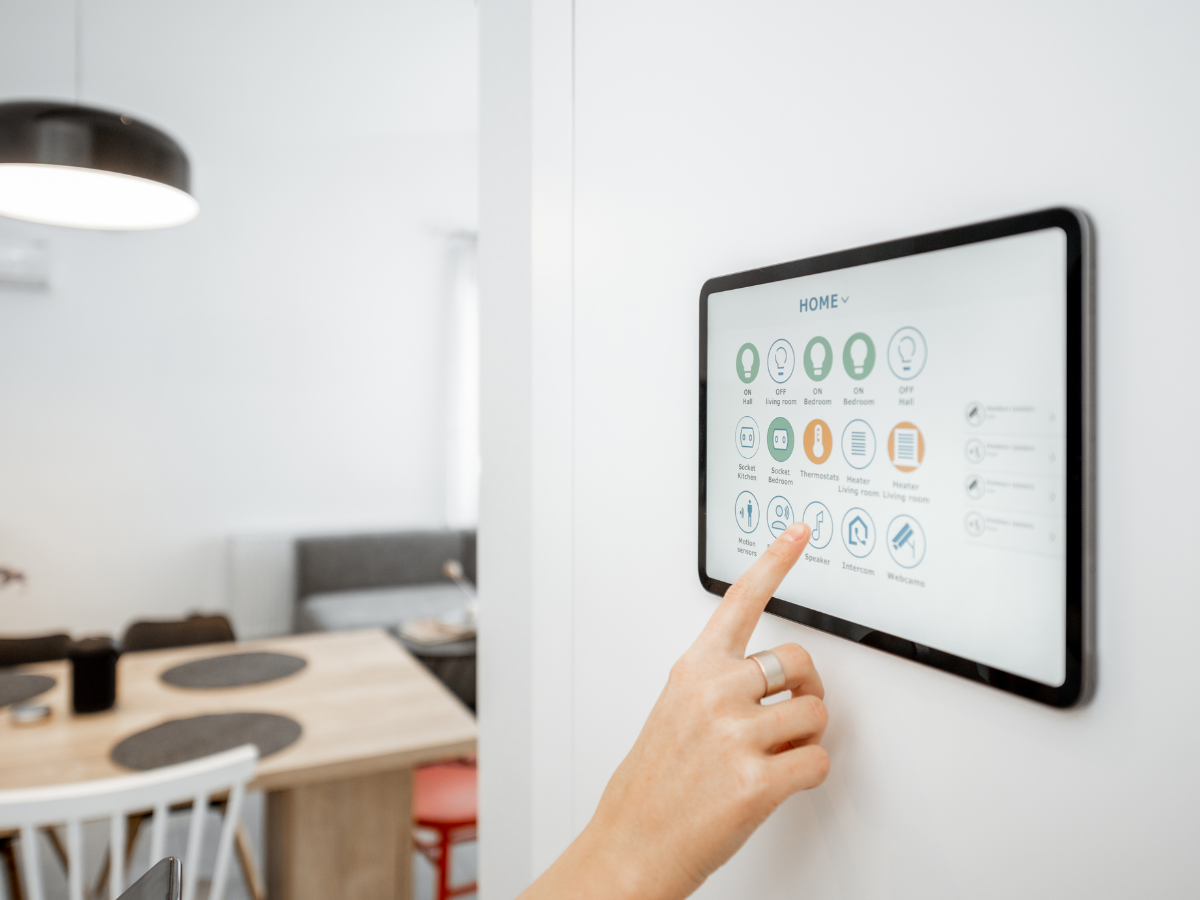
Technology has transformed the way people interact with their homes, making everyday tasks more convenient, efficient, and personalized.
At the center of this shift is home automation, which allows connected devices to communicate, respond to user preferences, and automate routine functions.
From adjusting the thermostat to monitoring home security, smart devices help homeowners simplify daily life while improving comfort and energy management.
Overview Of Key Smart Home Devices And Their Functions
A smart home relies on connected devices that can be controlled remotely through mobile apps, voice assistants, or automated schedules. These technologies work together to create a more responsive living environment while reducing the need for manual adjustments throughout the day.
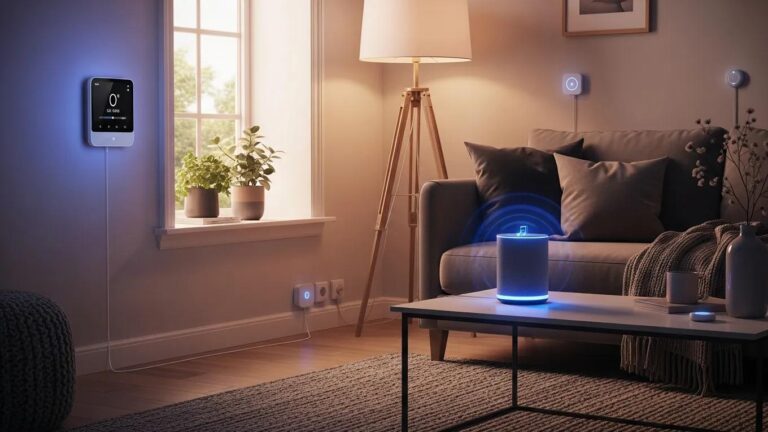
One of the most common examples is smart lighting. These systems allow homeowners to turn lights on or off remotely, adjust brightness levels, and create customized schedules. Some lighting systems can even respond automatically to occupancy or natural light levels, helping reduce unnecessary energy use.
Smart thermostats are another popular component of home automation. Unlike traditional thermostats, these devices learn household routines and adjust heating or cooling settings based on occupancy patterns and user preferences. This helps maintain comfort while reducing energy waste.
Smart security systems have also become increasingly sophisticated. Connected cameras, motion detectors, doorbell cameras, and smart locks provide real-time monitoring and alerts. Homeowners can view live footage, receive notifications, and control access to their property from virtually anywhere.
Other smart devices, including automated window shades, connected appliances, and voice-controlled assistants, continue to expand the capabilities of modern homes. Together, these technologies create a more integrated and convenient living experience.
How Smart Devices Improve Comfort, Security, And Energy Efficiency
The appeal of home automation extends beyond convenience. Smart devices are designed to improve the way homeowners experience and manage their living spaces.
From a comfort perspective, automation allows systems to adapt to daily routines automatically. For example, a smart thermostat can begin adjusting the temperature before occupants arrive home, ensuring a comfortable environment without requiring constant manual input.
Smart lighting systems can create different moods throughout the day, transitioning from bright task lighting to softer evening settings with minimal effort.
Security is another major benefit. Smart security devices provide homeowners with greater visibility and control over their property.
Whether checking camera feeds while traveling or receiving alerts about unexpected activity, users can stay informed about what is happening at home even when they are away. Features such as remote door locking and automated lighting schedules can also help deter potential intruders.
Energy efficiency is often one of the most practical advantages of adopting smart technology. Connected devices help eliminate unnecessary energy consumption by operating only when needed.
Smart thermostats optimize heating and cooling schedules, while automated lighting prevents lights from being left on in empty rooms. Some systems even provide detailed energy reports, helping homeowners identify opportunities to reduce utility costs.
As home automation technology continues to evolve, many devices are becoming more capable of working together as part of a unified system. For example, a smart security system can trigger outdoor lights when motion is detected, while a thermostat can adjust settings automatically when occupants leave the house.
These connected experiences create a home that is not only more convenient but also more responsive to the needs of the people living in it. By combining comfort, security, and energy management, smart devices offer practical solutions for modern homeowners.
Whether starting with a single device or building a fully integrated system, home automation provides opportunities to simplify everyday routines while creating a more efficient and connected living environment.
How Do Home Automation Systems And Protocols Enable Seamless IoT Integration?
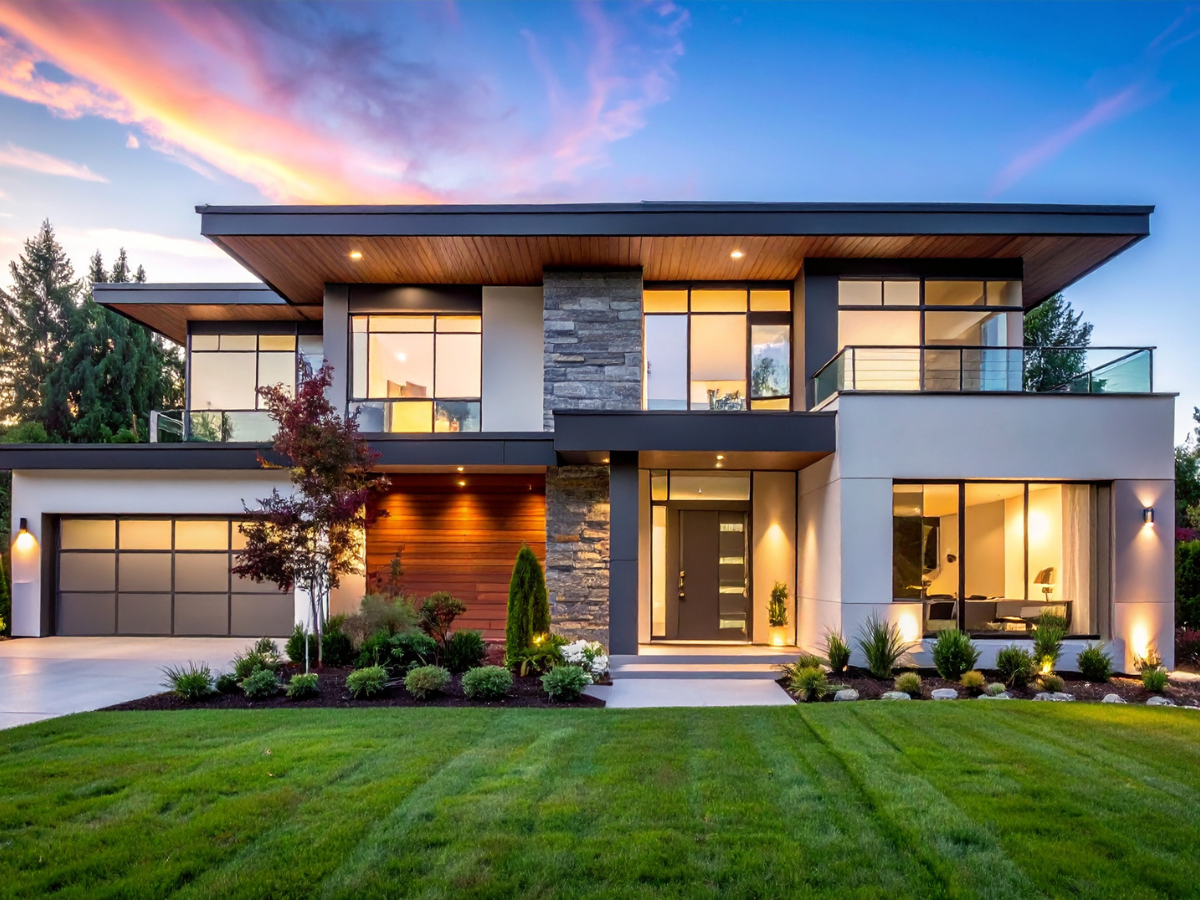
One of the biggest advantages of modern smart homes is that individual devices no longer have to operate independently.
Through home automation systems, lighting, security, climate control, entertainment, and appliances can work together as part of a connected ecosystem.
This level of integration is made possible by communication protocols that allow devices to exchange information and respond automatically to user preferences, schedules, and real-time conditions.
Understanding Popular Home Automation Protocols And Standards
Behind every connected smart home is a communication framework that enables devices to interact reliably. These frameworks, commonly known as protocols, act as a shared language that allows different products to send and receive information.
One of the most widely used protocols is Zigbee. Designed specifically for low-power devices, Zigbee creates a mesh network in which connected devices help relay signals to one another. This structure improves reliability and makes it easier to expand a smart home system over time.
Z-Wave is another popular protocol focused on home automation. Like Zigbee, it uses a mesh network approach but operates on a different wireless frequency. Z-Wave is known for its dependable connectivity and ability to communicate effectively across larger residential spaces.
Wi-Fi remains one of the most common technologies in smart homes. Because many households already have wireless internet networks in place, Wi-Fi-enabled devices can often connect directly without requiring additional equipment.
This makes installation straightforward while providing convenient remote access through mobile apps. Bluetooth is also used in certain home automation applications, particularly for short-range communication between devices.
It is commonly found in smart locks, speakers, and wearable devices that interact with home systems. The continued development of industry standards has improved compatibility across brands, allowing homeowners to build connected environments without being limited to a single manufacturer.
How Automation Systems Connect And Control Smart Devices
While communication protocols provide the connection, automation systems serve as the central point of control. These systems coordinate device activity, manage schedules, and allow homeowners to oversee multiple technologies from a single interface.
In many setups, a smart hub acts as the command center. The hub communicates with devices using supported protocols and translates information so that products can work together regardless of brand or function.
Some modern systems rely on cloud-based platforms rather than dedicated hubs, but the goal remains the same: creating a unified smart home experience.
Through these centralized systems, homeowners can automate routines that simplify daily life. For example, a morning routine might gradually brighten smart lights, adjust the thermostat, and start a connected coffee maker.
An evening routine could lock doors, lower window shades, activate security cameras, and turn off unused lights automatically.
This interconnected functionality is one of the key benefits of home automation. Instead of managing each device individually, homeowners can create coordinated actions that respond to specific triggers such as time of day, occupancy, weather conditions, or security events.
Remote access further enhances convenience. Whether at work, on vacation, or simply away from home for the day, users can monitor and control their systems through smartphone apps.
This capability allows for real-time adjustments and provides greater visibility into household operations. As the Internet of Things continues to expand, home automation platforms are becoming increasingly sophisticated.
Many systems now incorporate voice assistants, artificial intelligence, and predictive automation that learns user habits over time. These advancements help create a more responsive and personalized living environment.
By connecting devices through shared protocols and centralized controls, home automation makes it possible for technology to work together seamlessly. The result is a smart home that is easier to manage, more energy efficient, and better equipped to support the needs of modern households.
Which Voice Control And AI Assistants Best Support A Voice-Controlled Home?
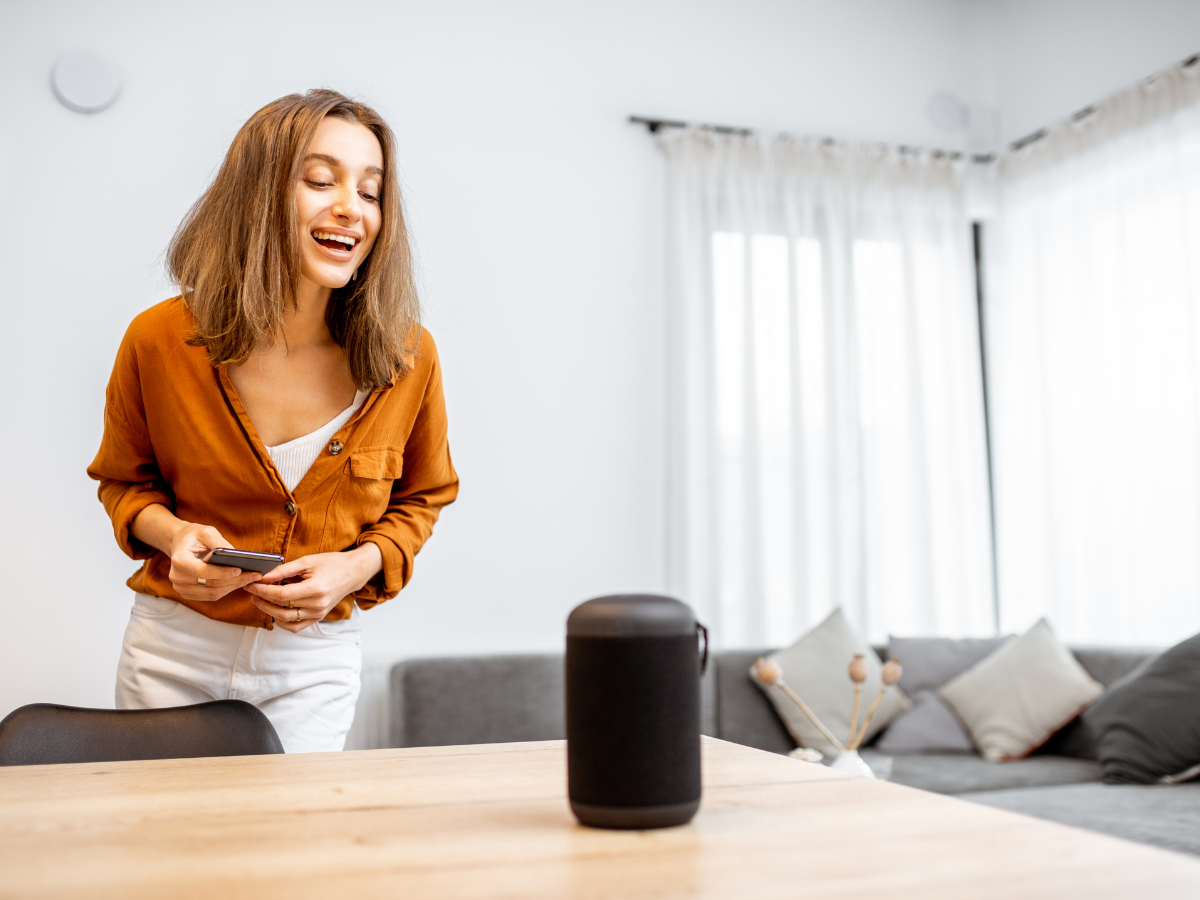
Voice control has become one of the most popular features in modern home automation systems. Instead of opening multiple apps or manually adjusting individual devices, homeowners can use simple voice commands to control lighting, security systems, thermostats, entertainment devices, and more.
As smart home technology continues to evolve, AI-powered voice assistants are making everyday interactions faster, more convenient, and increasingly personalized.
For many households, voice control serves as the primary interface for managing connected devices. The right assistant can simplify routines, improve accessibility, and create a more seamless home automation experience.
Comparing Leading Voice Assistants For Smart Home Integration
Several major voice assistants dominate the smart home market, each offering distinct strengths depending on a homeowner’s preferences and existing technology ecosystem.
Amazon Alexa remains one of the most widely adopted options for home automation. Its broad compatibility with smart home products allows users to connect a wide variety of devices from different manufacturers.
Alexa also supports customizable routines, enabling multiple actions to occur from a single voice command. For example, a simple “good night” command can turn off lights, lock doors, and adjust the thermostat simultaneously.
Google Assistant is often praised for its advanced natural language capabilities. Rather than requiring specific phrases, it can understand conversational requests and follow-up questions more naturally.
This makes interactions feel intuitive and can be especially helpful for users who prefer a more flexible voice-control experience. Google Assistant also integrates well with many smart home platforms and services.
Apple Siri offers a streamlined experience for households already invested in the Apple ecosystem. Through Apple HomeKit, Siri provides secure smart home control while maintaining a familiar interface across iPhones, iPads, Apple Watches, and other Apple devices.
Although HomeKit supports fewer products than some competitors, it is often valued for its privacy-focused approach and ease of use.
When choosing a voice assistant, compatibility should be one of the primary considerations. Selecting a platform that works with existing devices can help create a smoother and more reliable home automation setup.
How Voice Control Enhances User Experience And Accessibility
The appeal of voice control extends beyond convenience. For many homeowners, it fundamentally changes how they interact with technology throughout the day.
Simple voice commands allow users to control multiple systems without needing to reach for a phone or walk to a wall switch. Adjusting the temperature, dimming lights, checking security cameras, or playing music can all be accomplished while cooking, working, or relaxing.
This hands-free functionality makes smart homes feel more responsive and efficient. Voice control also improves accessibility for individuals who may have difficulty using traditional controls.
People with mobility limitations, arthritis, visual impairments, or other physical challenges can manage household devices independently through spoken commands.
Research has shown that voice-actuated control systems can help individuals operate lights, fans, appliances, and other connected devices with minimal effort, improving both accessibility and overall user satisfaction.
Beyond accessibility, voice assistants can simplify complex home automation tasks. Rather than manually adjusting multiple settings, homeowners can create routines that trigger several actions at once.
A morning routine might raise the thermostat, turn on lights, and provide a weather update, while an away-from-home routine could secure the property and activate security monitoring.
As artificial intelligence continues to advance, voice assistants are becoming more personalized as well. Many systems can learn user preferences, recognize different household members, and offer recommendations based on daily habits.
These capabilities make home automation feel less like a collection of devices and more like an integrated system designed around the needs of the people who live there.
For homeowners looking to maximize the benefits of home automation, voice control provides a practical and user-friendly way to manage connected technology.
Whether prioritizing convenience, accessibility, or seamless integration, the right AI assistant can make smart home management significantly easier while helping create a more comfortable and efficient living environment.
What Are the Best Practices for Energy Management and Efficiency in Smart Homes?
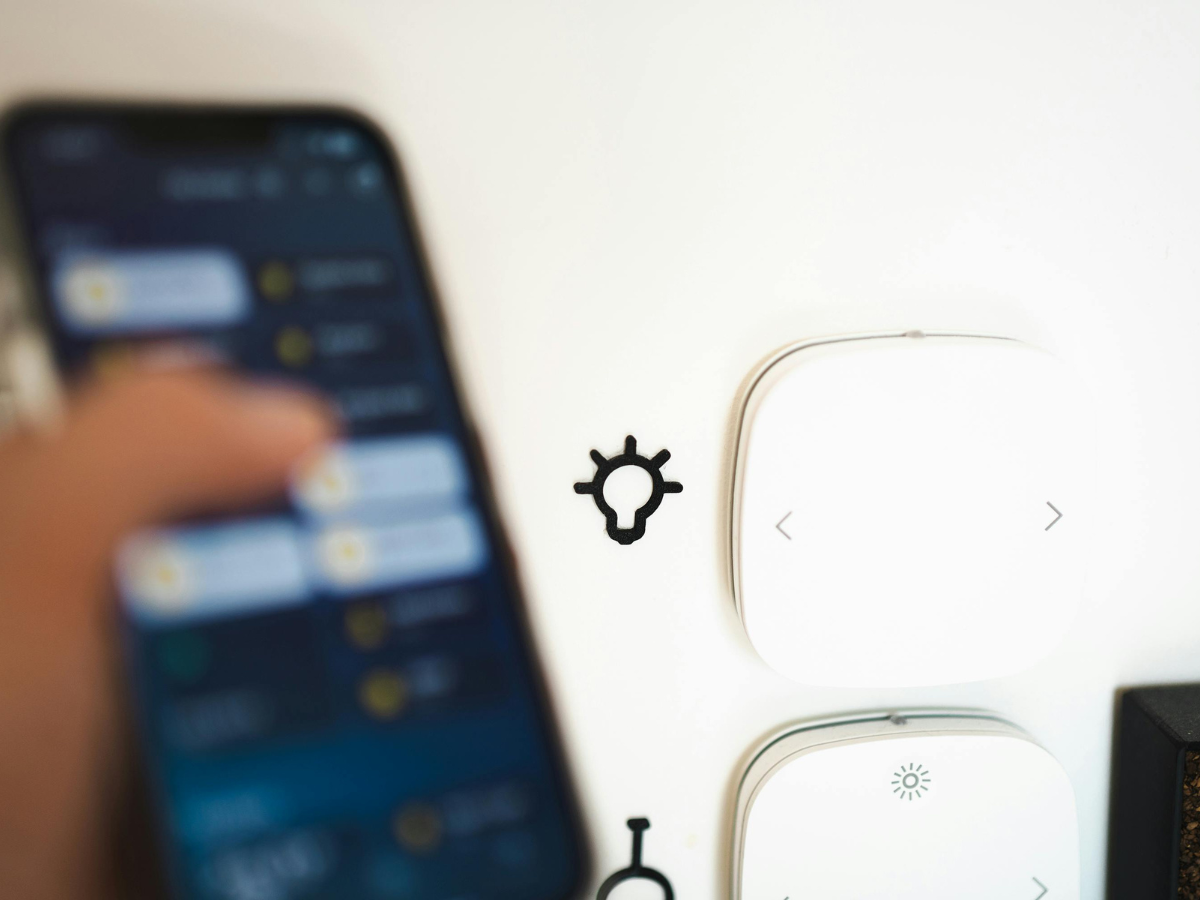
One of the biggest advantages of home automation is its ability to improve energy efficiency without sacrificing comfort. Smart devices can monitor household activity, adjust settings automatically, and provide insights into energy usage that would otherwise go unnoticed.
When used strategically, these technologies can help homeowners reduce utility costs while creating a more comfortable and responsive living environment.
Successful energy management starts with understanding where energy is being used and identifying opportunities to reduce waste. Home automation makes this process easier by giving homeowners greater visibility and control over everyday systems.
Smart Thermostats And Energy-Saving Devices Explained
Smart thermostats are among the most effective tools for improving efficiency in a home automation system. Unlike traditional thermostats, these devices can learn daily routines, adjust temperatures automatically, and allow homeowners to control heating and cooling remotely through a smartphone or tablet.
For example, a smart thermostat can lower energy usage while the home is empty and return the temperature to a comfortable level before residents arrive. This level of automation helps reduce unnecessary energy consumption without requiring constant manual adjustments.
Research continues to support the development of occupant-focused smart thermostats that balance energy savings with indoor comfort. By adapting to household patterns and preferences, these systems can improve efficiency while maintaining a pleasant living environment.
Beyond thermostats, several other devices contribute to smarter energy management. Smart plugs allow homeowners to schedule when appliances operate or remotely turn off devices that are not in use.
Energy monitoring systems provide detailed information about electricity consumption, helping users identify inefficient appliances or habits that increase utility costs.
When integrated into a broader home automation system, these devices work together to create a more efficient household. Rather than relying on manual intervention, energy-saving adjustments happen automatically based on real-time conditions and user preferences.
How Connected Home Technology Reduces Energy Consumption
Connected home technology reduces energy consumption by making household systems more responsive and data-driven. Instead of operating on fixed schedules or remaining active unnecessarily, smart devices can react to occupancy, weather conditions, and usage patterns.
Lighting is a common example. Smart lighting systems can automatically turn off when rooms are unoccupied, dim during certain hours, or adjust brightness based on available natural light. These small adjustments may seem minor individually, but they can lead to noticeable energy savings over time.
Heating and cooling systems benefit in a similar way. Because HVAC equipment accounts for a significant portion of household energy use, even modest improvements in efficiency can have a meaningful impact.
Smart thermostats use sensors and scheduling features to prevent unnecessary heating or cooling while maintaining comfort when occupants are present.
Many home automation platforms also provide detailed energy reports. These insights help homeowners understand when and where energy is being consumed, making it easier to identify opportunities for improvement.
For instance, users may discover that certain appliances consume more electricity than expected or that specific schedules could be adjusted to improve efficiency.
Another benefit of connected systems is the ability to coordinate multiple devices simultaneously. A single automation routine can adjust lighting, temperature, and electronics when the home is vacant, ensuring that energy is not wasted throughout the day.
This coordinated approach is often more effective than managing individual devices separately.
Creating A Long-Term Energy Management Strategy
The most effective home automation setups combine automation with ongoing monitoring. Reviewing energy reports, updating schedules as household routines change, and maintaining connected devices can help maximize long-term savings.
Homeowners should also prioritize compatibility when selecting new smart devices. Choosing products that integrate seamlessly into an existing home automation ecosystem creates a more unified experience and allows energy-saving features to work together effectively.
As smart technology continues to evolve, energy management is becoming increasingly sophisticated. Features such as occupancy detection, predictive automation, and AI-driven learning allow systems to make more accurate adjustments with minimal user input.
By taking advantage of these capabilities, homeowners can reduce energy consumption, lower utility costs, and make their home automation system a valuable tool for both comfort and efficiency.
The result is a smarter home that not only responds to daily needs but also helps create a more sustainable and cost-effective living environment.
How Can Home Security Automation Protect Your Connected Home?
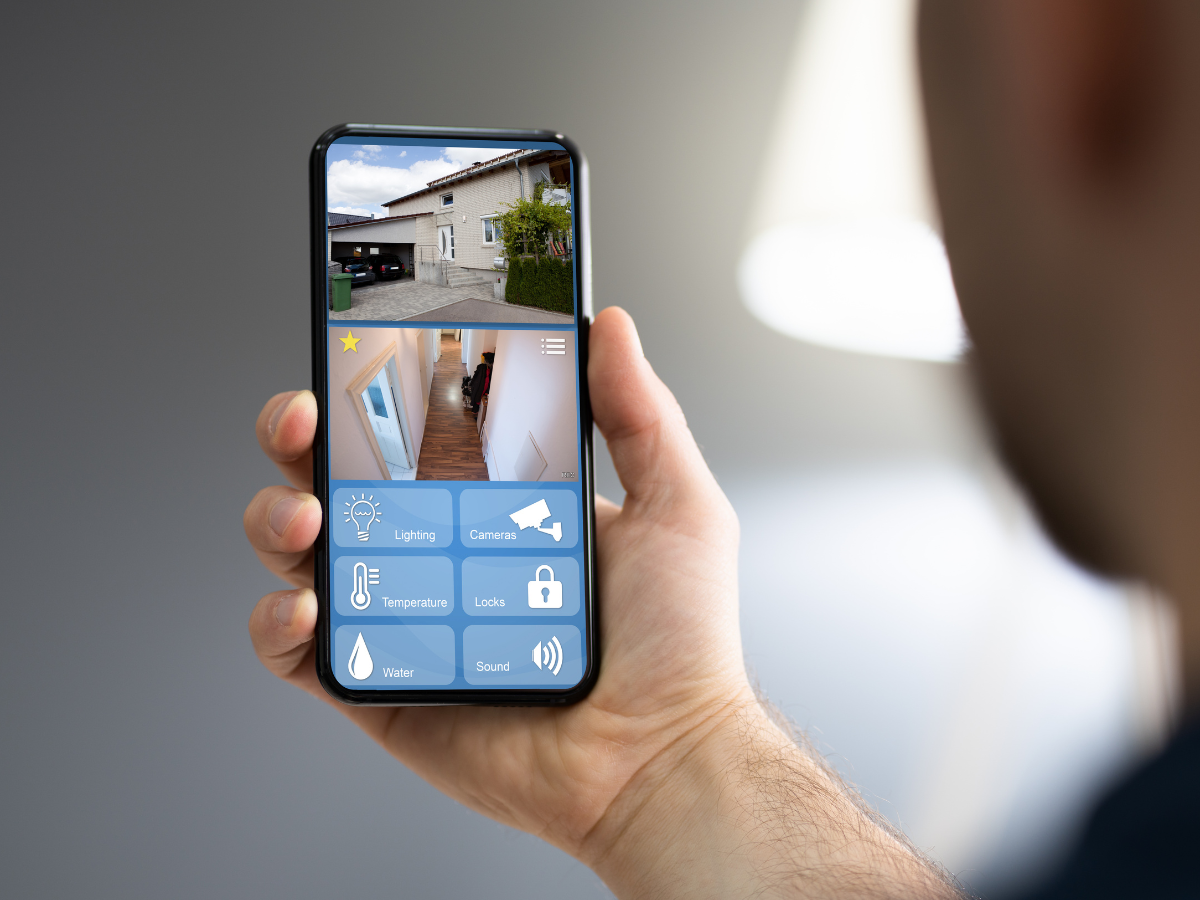
Security is one of the most compelling reasons homeowners invest in home automation. Modern smart security systems go beyond traditional alarms by providing real-time monitoring, remote access, and automated responses to potential threats.
By connecting security devices to a broader smart home network, homeowners can gain greater visibility and control over their property, whether they are at home or away.
A well-designed home automation system not only helps deter intruders but also makes everyday security management more convenient. From receiving instant alerts to checking camera feeds from a smartphone, connected security technology allows homeowners to stay informed and respond quickly when needed.
Key Security Systems And Sensors For Smart Home Safety
Effective home security automation typically combines multiple devices that work together to monitor and protect the property. Each component plays a specific role in creating a comprehensive security strategy.
Smart cameras are often the foundation of a connected security system. These devices provide live video feeds, motion-triggered recordings, and remote viewing capabilities.
Homeowners can monitor entrances, driveways, and other key areas from virtually anywhere using a mobile app. Many modern cameras also include features such as night vision, two-way audio, and intelligent motion detection that can distinguish between people, animals, and vehicles.
Motion sensors add another layer of protection by detecting movement in designated areas. When unusual activity is identified, the system can immediately send notifications to the homeowner or trigger other automated responses.
These sensors are commonly used both indoors and outdoors to monitor entry points and high-traffic areas. Smart locks offer convenient and secure access control.
Instead of relying solely on physical keys, homeowners can lock and unlock doors remotely, create temporary access codes for guests, and receive notifications whenever a door is opened.
This level of control can be particularly useful for managing deliveries, service appointments, or family members arriving home at different times.
Together, these devices create a connected home automation ecosystem that continuously monitors activity and provides greater awareness of what is happening around the property.
Integrating Security Automation With Other Smart Home Devices
One of the greatest strengths of home automation is the ability to connect security systems with other smart devices throughout the home. Rather than operating independently, these technologies can work together to create automated responses that improve both security and convenience.
For example, motion sensors can be linked to smart lighting systems. If movement is detected near a walkway, driveway, or entry point, outdoor lights can automatically turn on. This improves visibility for homeowners while also discouraging unwanted visitors who may prefer dark, concealed areas.
Smart locks can also be integrated with cameras and notification systems. When a door is unlocked, homeowners can receive an instant alert and view live camera footage to confirm who has entered the home. This added visibility helps improve awareness without requiring constant monitoring.
Many home automation platforms allow users to create customized routines based on specific events. A “vacation mode” routine, for instance, might lock all doors, activate security cameras, adjust lighting schedules, and send alerts if unusual activity is detected.
These automated actions help maintain security even when the property is unoccupied. Integration also extends to emergency situations. Some smart home systems can connect security devices with smoke detectors, carbon monoxide sensors, or water leak detectors.
If an issue is detected, the system can immediately send notifications, activate lights, or trigger other automated responses to help protect the home and its occupants.
Building A More Secure Connected Home
As smart technology continues to evolve, security automation is becoming increasingly sophisticated and accessible. Homeowners no longer need separate systems for surveillance, access control, and monitoring.
Instead, a unified home automation platform can bring these functions together into a single, easy-to-manage system.
By combining smart cameras, motion sensors, smart locks, and automated routines, homeowners can create a security strategy that is proactive rather than reactive.
The result is greater peace of mind, improved visibility, and a connected home that is better equipped to respond to both everyday activity and unexpected events.
What Are the Installation And Compatibility Considerations For Smart Home Integration?
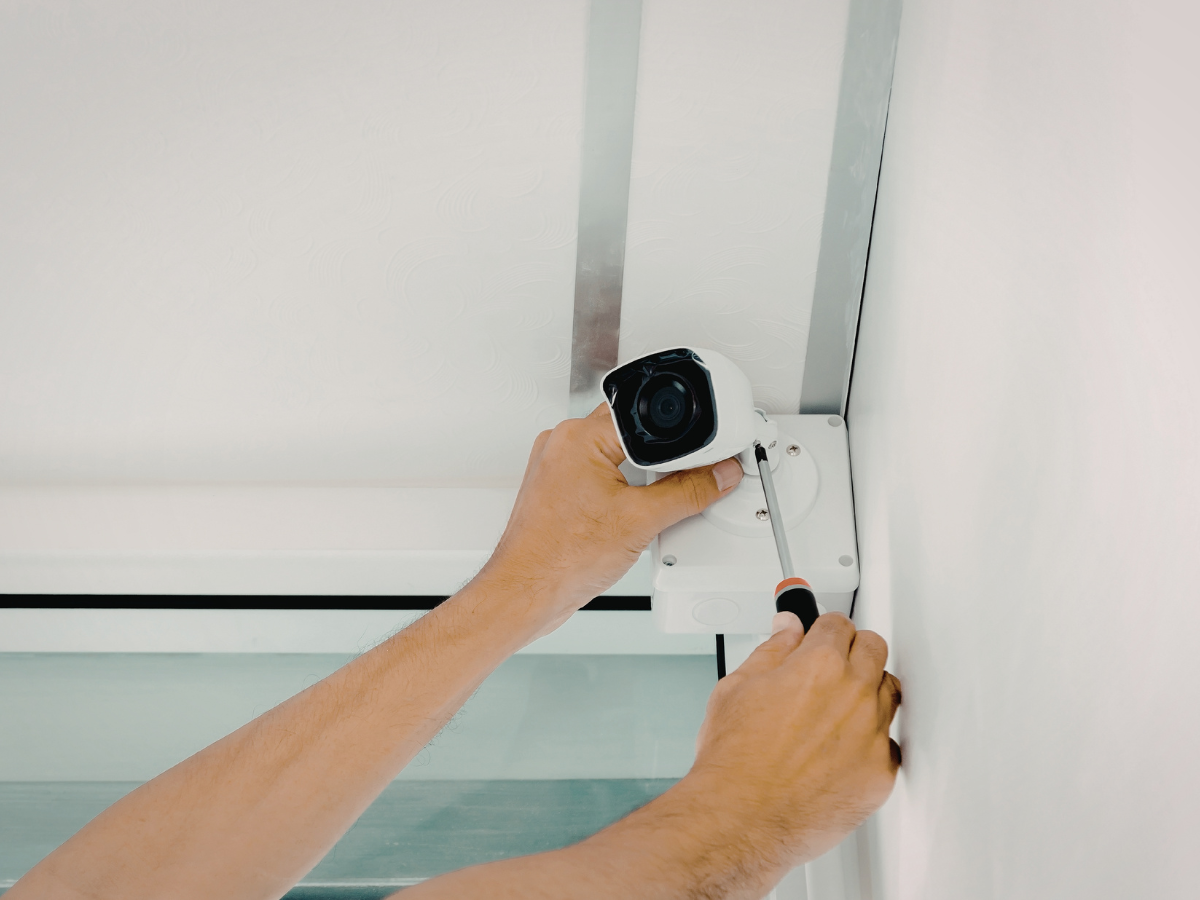
A successful home automation system depends on more than simply purchasing smart devices. Compatibility, connectivity, and proper installation all play important roles in creating a reliable and user-friendly experience.
Without careful planning, homeowners may encounter devices that do not communicate properly, inconsistent performance, or limitations that make future expansion difficult.
Taking the time to evaluate compatibility and installation requirements before purchasing equipment can help ensure that a home automation system functions smoothly from the start and remains adaptable as technology evolves.
How To Choose Compatible Devices And Hubs For Your Home
One of the most important steps in building a home automation system is selecting devices that can work together seamlessly. While many smart products offer similar features, they may rely on different communication standards or ecosystems that affect compatibility.
Before adding new devices, homeowners should identify the platform they plan to use as the foundation of their system. Whether the central hub is based on Amazon Alexa, Google Home, Apple HomeKit, Zigbee, Z-Wave, or another ecosystem, compatibility should be verified before making a purchase.
Communication protocols determine how devices exchange information. For example, Zigbee and Z-Wave are popular standards that allow smart devices to form reliable networks throughout the home.
Wi-Fi devices connect directly to the home’s internet network and often require fewer additional components. Understanding these technologies helps homeowners avoid mixing products that may not communicate effectively with one another.
Future expansion should also be considered. A home automation system often grows over time as homeowners add lighting controls, security devices, thermostats, entertainment systems, and appliances.
Choosing products from well-supported ecosystems can make it easier to integrate additional devices later without replacing existing equipment.
Another factor to evaluate is whether a dedicated hub is required. Some smart devices connect directly through an app, while others rely on a central hub that coordinates communication between multiple products.
Although hubs may add an extra step during setup, they often improve reliability and simplify management as the system expands.
Step-By-Step Installation Best Practices For Connected Home Technology
Proper installation can significantly improve the performance and reliability of a home automation system. Even the most advanced devices may experience connectivity issues if they are installed without adequate planning.
The first step is evaluating the layout of the home. Device placement affects signal strength, responsiveness, and overall system performance. Smart hubs, routers, and wireless devices should be positioned where they can maintain strong and consistent communication throughout the property.
Following manufacturer instructions is equally important. While many smart devices are designed for simple installation, setup procedures vary depending on the product. Taking the time to complete each step correctly helps prevent configuration issues that could affect performance later.
After installation, homeowners should test every device individually before creating automation routines. Verifying that sensors, lights, locks, cameras, and thermostats respond properly can help identify connectivity problems early.
This testing phase also provides an opportunity to adjust device locations if signal strength is weaker than expected. Security should not be overlooked during setup.
Strong passwords, secure Wi-Fi networks, and regular software updates help protect home automation systems from unauthorized access. Many manufacturers release firmware updates that improve both functionality and security, making ongoing maintenance an important part of ownership.
Creating A Reliable Long-Term Smart Home System
The most effective home automation systems are built with both current needs and future growth in mind. Choosing compatible devices, planning installation carefully, and prioritizing reliable connectivity can prevent many common frustrations associated with smart technology.
As more homeowners adopt home automation, interoperability between devices continues to improve. However, thoughtful planning remains essential for creating a connected environment that is easy to manage and capable of evolving alongside new technology.
By focusing on compatibility, proper installation, and long-term scalability, homeowners can create a home automation system that delivers convenience, efficiency, and reliable performance for years to come.
How Do You Troubleshoot And Maintain Your Smart Home Systems Effectively?
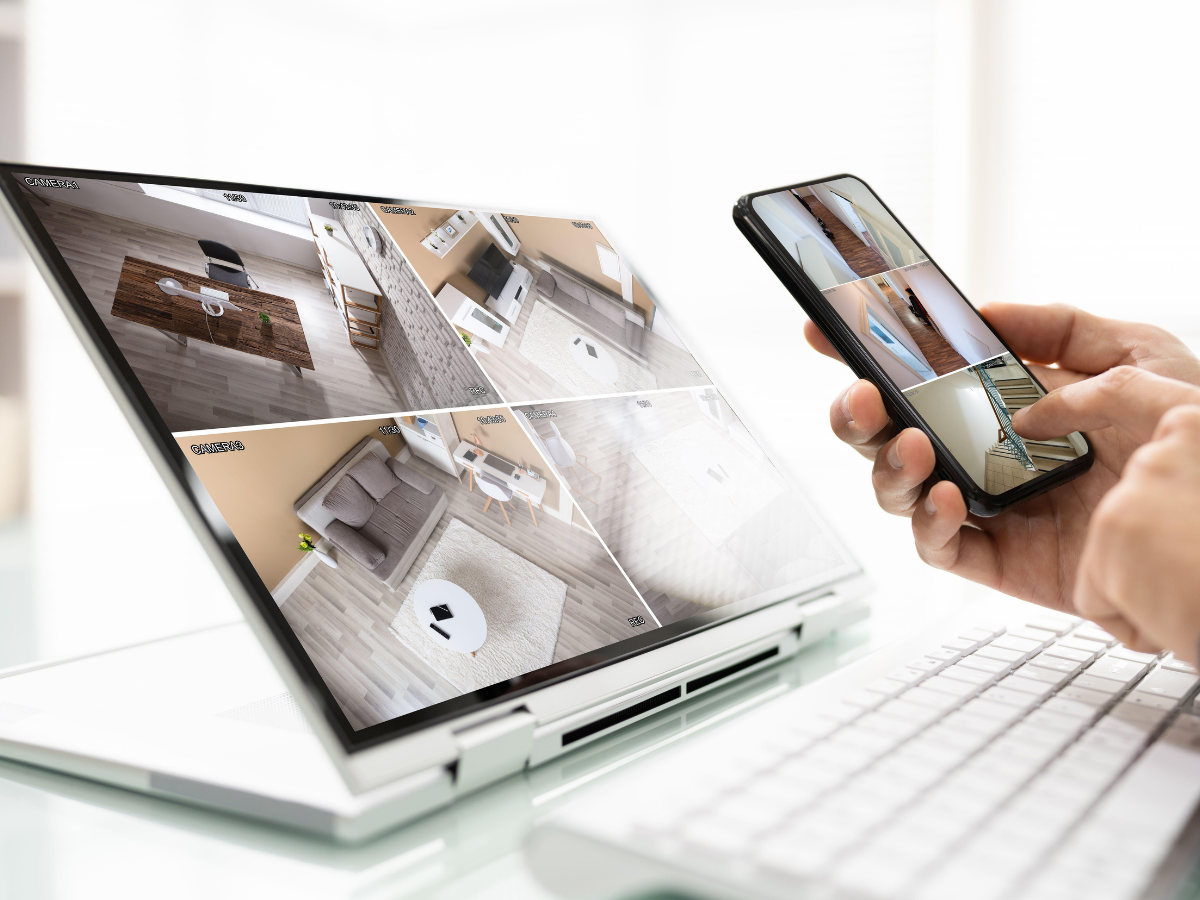
A well-designed home automation system can provide years of convenience, efficiency, and security, but like any technology, it requires occasional maintenance to perform at its best.
Connectivity issues, outdated software, and device conflicts can sometimes affect performance, especially as more smart devices are added to the network.
Fortunately, most common problems can be resolved with simple troubleshooting steps and routine upkeep. By taking a proactive approach to maintenance, homeowners can improve reliability, extend device lifespan, and get the most value from their home automation investment.
Common Issues And Solutions For Smart Device Connectivity
Connectivity challenges are among the most common issues in home automation systems. Since smart devices rely on network communication, even minor disruptions can affect how well they perform.
One frequent problem is a weak Wi-Fi signal. Devices located far from the router may experience delayed responses, intermittent disconnections, or difficulty staying online. In larger homes, adding a mesh Wi-Fi system or network extender can improve coverage and create a more stable connection for smart devices throughout the property.
Compatibility issues can also create frustration. As homeowners expand their home automation systems, devices from different manufacturers may not always communicate effectively.
Before adding new products, it is important to verify that they support the same ecosystem or communication protocols used by the existing setup.
Software-related problems are another common source of performance issues. Manufacturers regularly release firmware updates to improve functionality, fix bugs, and strengthen security.
When devices are not updated, users may encounter glitches, slow performance, or compatibility challenges with newer products. Keeping software current helps ensure smooth operation across the entire system.
Sometimes a simple restart can resolve temporary issues. Rebooting a smart device, hub, or router often restores connectivity and clears minor communication errors that develop over time.
Routine Maintenance Tips To Ensure Optimal Smart Home Performance
Preventive maintenance is one of the most effective ways to keep a home automation system running efficiently. Regular checkups can help identify small issues before they become larger problems.
One of the simplest maintenance tasks is periodically reviewing device connections. Homeowners should confirm that all smart devices remain connected to the network and respond properly to commands. This quick check can help identify failing devices, weak signals, or configuration issues before they affect daily use.
Software updates should be part of every maintenance routine. Most smart home manufacturers continuously improve their products through firmware and application updates. Installing these updates not only enhances performance but also helps protect devices from emerging security threats.
Physical maintenance is often overlooked but can be equally important. Dust accumulation on sensors, cameras, smart speakers, and other equipment may interfere with performance over time. Gently cleaning devices according to manufacturer recommendations can help maintain accuracy and extend their lifespan.
Battery-powered devices deserve special attention as well. Smart locks, sensors, remote controls, and security equipment often rely on batteries that gradually lose capacity. Checking battery levels regularly helps prevent unexpected failures and ensures critical systems remain operational when needed.
Creating A Long-Term Maintenance Strategy
As home automation systems become more advanced, maintaining them becomes less about fixing problems and more about ensuring consistent performance. A good long-term strategy includes periodic reviews of network health, software updates, device compatibility, and security settings.
Homeowners should also evaluate their system as their needs evolve. New devices, expanded automation routines, and increased network demands may require adjustments to improve efficiency and reliability. Reviewing system performance every few months can help identify opportunities for upgrades or optimization.
Security should remain a priority throughout the life of the system. Strong passwords, multi-factor authentication where available, and regular software updates help protect connected devices from unauthorized access.
With consistent maintenance and timely troubleshooting, home automation systems can continue to deliver convenience, energy savings, and enhanced security for years to come. A little ongoing attention can go a long way toward ensuring that smart technology remains dependable, responsive, and ready to support everyday life.
What Are the Future Trends And Benefits Of Smart Home Integration For Modern Living?

Home automation has already transformed the way people interact with their homes, but the technology continues to evolve at a rapid pace. As connected devices become more intelligent and capable, homeowners can expect greater convenience, improved efficiency, and more personalized experiences.
The next generation of smart home technology will focus not only on automation but also on anticipation, allowing systems to respond to household needs with minimal user input.
These advancements are shaping a future where home automation becomes increasingly seamless, adaptive, and integrated into everyday life.
Emerging Technologies In IoT And Home Automation
Several emerging technologies are driving the future of home automation and expanding what connected homes can accomplish.
Artificial intelligence is one of the most significant developments in the industry. Rather than simply following pre-programmed routines, AI-powered systems can learn from user behavior and make intelligent adjustments over time.
For example, a smart home may recognize when occupants typically wake up, leave for work, or return home and automatically adjust lighting, temperature, and security settings to match those patterns.
Another important advancement is the continued expansion of high-speed connectivity. Faster and more reliable networks allow smart devices to communicate more efficiently, reducing delays and improving system responsiveness.
As connected homes incorporate more devices, strong network performance becomes increasingly important for maintaining a smooth user experience.
Advanced sensors are also enhancing the capabilities of modern home automation systems. These sensors can gather detailed information about occupancy, temperature, humidity, air quality, lighting conditions, and energy consumption.
With more accurate data, automation systems can make better decisions and respond more effectively to changing household conditions.
Machine learning technologies are further improving how smart homes operate. Over time, connected systems can identify trends, predict user preferences, and automate repetitive tasks without requiring constant manual adjustments.
This creates a more personalized environment while reducing the amount of direct interaction needed from homeowners.
How Smart Homes Will Evolve To Enhance Energy Efficiency And User Convenience
One of the most promising areas of development in home automation is energy management. Future smart homes will become increasingly proactive in reducing energy waste while maintaining comfort and convenience.
Advanced energy management systems will be able to analyze real-time consumption patterns and make automatic adjustments based on household activity. Heating, cooling, lighting, and appliance usage can be optimized throughout the day to minimize unnecessary energy use.
These systems may also integrate with utility providers, adjusting energy consumption during peak demand periods to reduce costs.
Home automation platforms are expected to become more unified as well. Rather than managing multiple apps and interfaces, homeowners will increasingly be able to control all connected devices through a single ecosystem.
This streamlined experience will make smart technology more accessible to users of all experience levels. Voice assistants and AI-powered interfaces will continue to improve, making interactions more natural and conversational.
Instead of issuing specific commands, homeowners may be able to communicate with their systems much like they would with another person. This shift will help reduce the learning curve often associated with new technology.
Predictive automation is another emerging trend. Future systems may identify patterns and take action before users even make a request.
For example, a home automation system could automatically adjust indoor temperatures based on weather forecasts or prepare lighting scenes based on the time of day and household routines.
The Long-Term Benefits Of Smart Home Integration
As technology advances, the benefits of home automation will extend beyond convenience alone. Enhanced energy efficiency can lower utility costs and support sustainability goals, while improved automation can reduce the time spent managing everyday household tasks.
Security systems will become more intelligent, using data from multiple sensors and devices to identify unusual activity more accurately. At the same time, health and wellness technologies may play a larger role by monitoring indoor air quality, lighting conditions, and environmental factors that affect comfort and well-being.
Ultimately, the future of home automation is centered on creating homes that are more responsive, efficient, and personalized.
As artificial intelligence, advanced sensors, and connected technologies continue to evolve, homeowners can expect smarter systems that simplify daily life while delivering greater comfort, security, and control.
Conclusion
Smart home automation is transforming the way homeowners interact with their living spaces by improving convenience, efficiency, security, and overall comfort.
From automated lighting and climate control to advanced security systems and connected devices, today’s smart technology solutions can make everyday life simpler while helping homeowners better manage their properties.
Whether you’re upgrading a single system or creating a fully integrated smart home, professional expertise can help ensure everything works seamlessly together.
For trusted home improvement and restoration solutions, choose Restor-It, Inc.. If you’re ready to enhance your home with modern technology and smart automation solutions, call (678) 355-6645 to speak with the team at Restor-It, Inc. or request your free quote today.