The walls in your home do more than divide rooms. They influence durability, sound control, insulation, and the overall look of the space. When building or renovating, one of the biggest decisions homeowners face is choosing between drywall and plaster.
Each material offers distinct advantages depending on the style, budget, and performance needs of the project. Drywall is widely used for its affordability and faster installation, while plaster is known for its durability, texture, and classic appearance.
Factors like repair requirements, moisture resistance, and long-term maintenance also play an important role when comparing the two. Understanding the differences between drywall vs plaster can help you choose the wall finishing material that best fits your home construction or remodeling goals.
The Real Differences Between Drywall vs Plaster
What Are Drywall And Plaster? Definitions And Key Properties
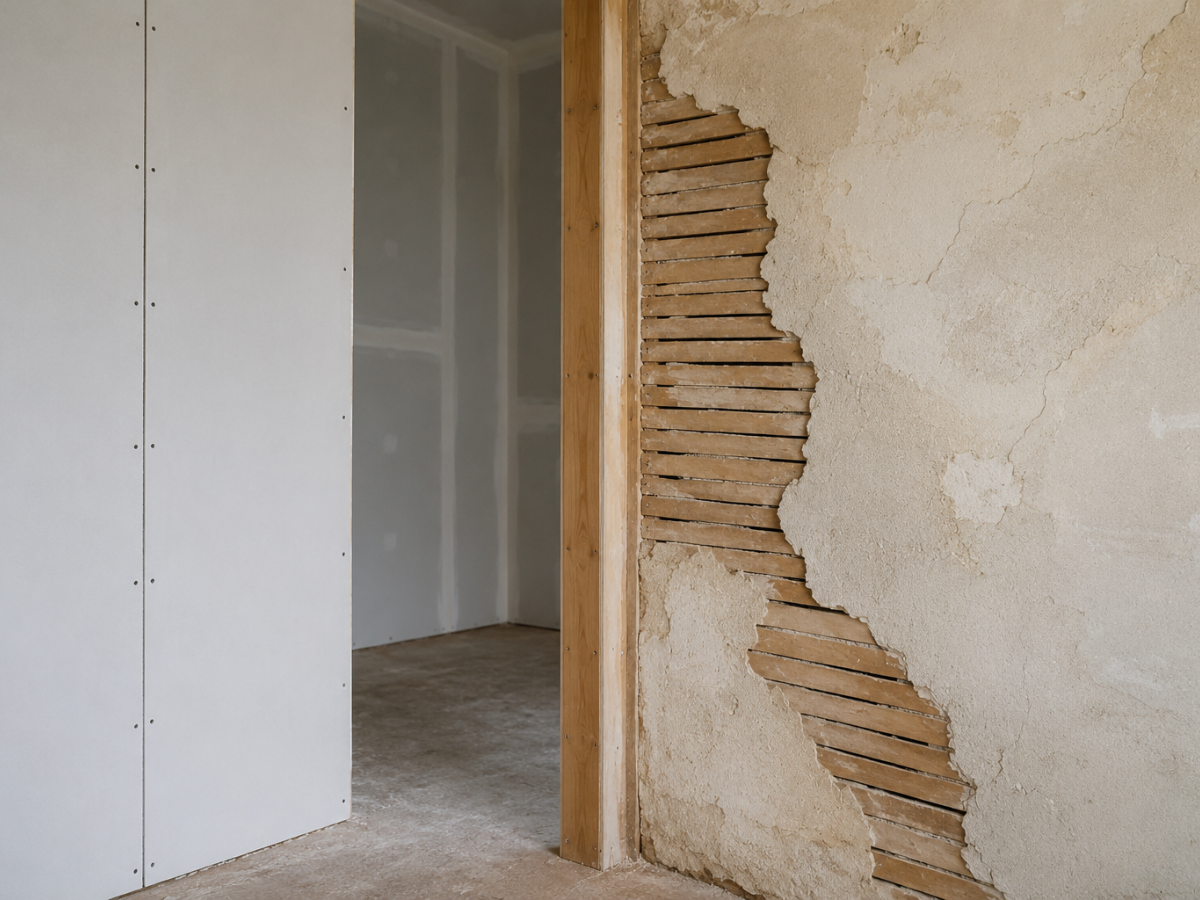
When comparing drywall vs plaster, it helps to understand how each material is made and why both remain common choices in residential construction and remodeling.
Although they serve the same basic purpose of creating interior wall and ceiling surfaces, drywall and plaster differ significantly in composition, installation methods, durability, and overall appearance.
Drywall, sometimes called gypsum board or sheetrock, is made from a gypsum core pressed between layers of heavy paper. It became widely popular because it is affordable, lightweight, and relatively quick to install.
Modern construction projects often rely on drywall because it speeds up the building process while still delivering a clean and finished appearance. Plaster, by contrast, is a traditional wall material created from mixtures such as lime, cement, sand, and water. It is applied in layers over a supportive surface called lath.
Plaster has been used for centuries in homes and historic buildings and is valued for its solid feel, detailed finishes, and long-lasting durability. Understanding the differences between these materials is an important first step when evaluating drywall vs plaster for a renovation or new construction project.
How Do Drywall And Plaster Differ In Material Composition?
The composition of drywall focuses on efficiency and consistency. Gypsum, the primary material used in drywall panels, naturally provides fire-resistant qualities while remaining lightweight enough for easier handling and installation.
Manufacturers often add reinforcing materials and specialty compounds to improve moisture resistance, sound control, or durability, depending on the intended application.
Plaster uses a more labor-intensive material blend. Traditional plaster mixtures may include lime, sand, water, or cement, depending on the style and age of the construction. Because plaster is applied wet and layered by hand, it creates a denser and more rigid wall surface once cured.
These differences in composition play a major role in how each material performs over time. Drywall is generally easier to repair and replace, while plaster is known for its strength and solid construction.
In many older homes, plaster walls contribute to the building’s character and architectural detail in ways modern drywall often cannot replicate.
How Do Durability And Moisture Resistance Compare?
Durability is one of the biggest distinctions in the drywall vs plaster discussion. Plaster walls tend to resist dents and everyday wear more effectively because of their dense composition. When properly maintained, plaster can last for decades without needing major repairs.
Drywall, while durable enough for most residential applications, is generally softer and more vulnerable to impact damage. Furniture bumps or accidental hits are more likely to leave dents or holes in drywall compared to plaster surfaces.
Moisture resistance also varies between the two materials. Standard drywall can absorb moisture if exposed to humidity or leaks for extended periods. This is why moisture-resistant drywall products are often recommended for bathrooms, laundry rooms, and basements.
Plaster naturally offers better resistance to moisture because of its dense and hardened structure. It is less likely to warp or soften when exposed to changing humidity levels. However, plaster can still crack over time if the home settles or if structural movement occurs.
Why Drywall Became The Standard In Modern Construction
Despite plaster’s durability and classic appearance, drywall became the dominant wall material because it simplifies construction. Installing drywall requires less time, less labor, and fewer specialized skills compared to traditional plaster application.
Builders can hang large drywall sheets quickly, tape the seams, and finish surfaces in a fraction of the time required for plaster work. This efficiency significantly reduces labor costs and shortens project timelines, making drywall especially attractive for large-scale residential construction.
Drywall also provides flexibility for future repairs or remodeling projects. Cutting into drywall for electrical updates or plumbing work is generally easier and less disruptive than modifying plaster walls.
Choosing Between Drywall Vs Plaster
The decision between drywall vs plaster often comes down to priorities such as budget, appearance, durability, and project scope. Homeowners restoring historic properties may prefer plaster because it preserves architectural authenticity and provides a more textured, high-end finish.
For newer homes or cost-conscious remodeling projects, drywall remains a practical and widely used solution because of its affordability and ease of installation.
Both materials have strengths, and understanding how they differ allows homeowners to select the option that best fits their space, maintenance expectations, and long-term goals. preferred choice for areas that require a long-lasting finish.
How Does the Installation Process Differ Between Drywall and Plaster?
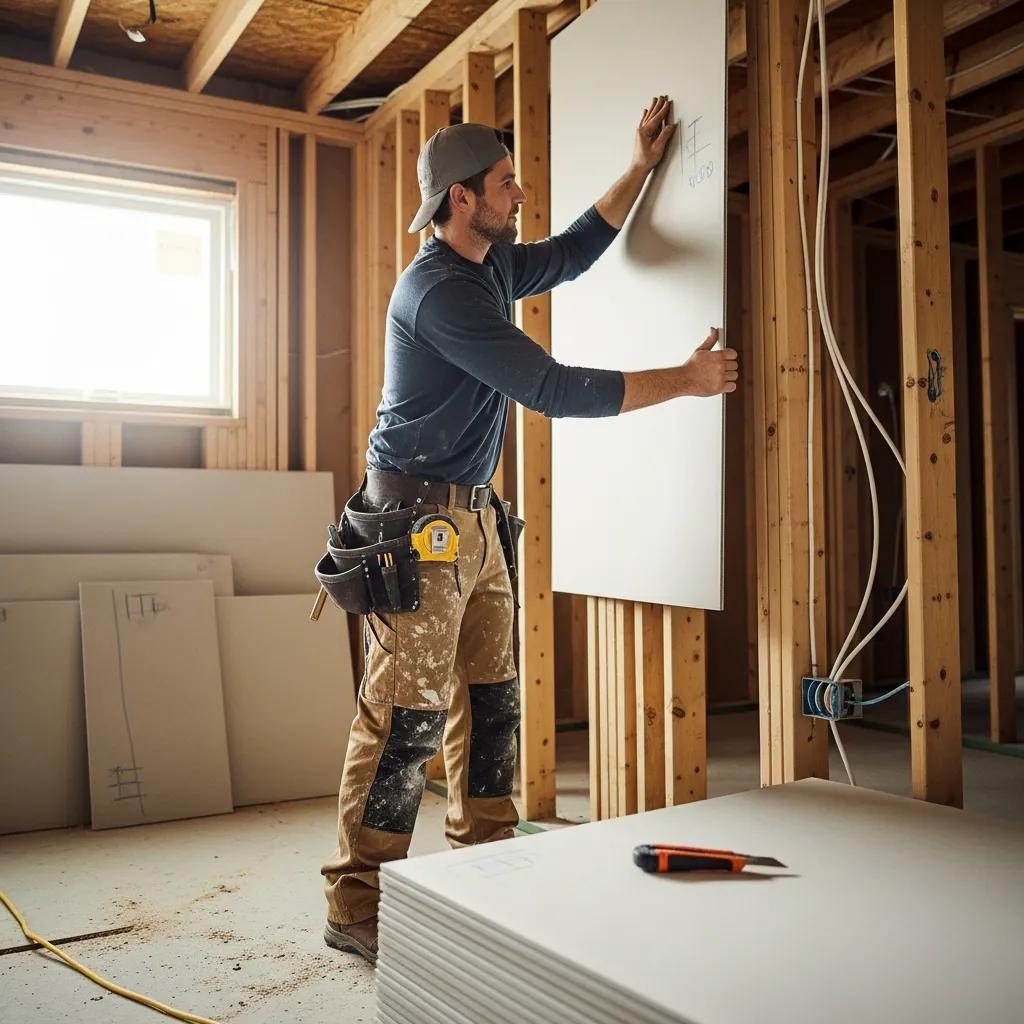
One of the biggest differences in the drywall vs plaster comparison comes down to installation. While both materials create finished wall and ceiling surfaces, the methods used to apply them are very different in terms of labor, time, and skill level.
These differences often influence construction costs, project timelines, and the type of finish homeowners can expect. Drywall installation is generally faster and more standardized.
Contractors attach large gypsum boards directly to wall studs using screws or nails, then finish the seams with tape and joint compound. Because drywall panels cover large surface areas quickly, the process is efficient for both new construction and remodeling projects.
Plaster installation, on the other hand, is much more hands-on. Traditional plastering involves building multiple layers over a base material called lath.
Each layer must be applied carefully and allowed to cure properly before the next coat is added. This process requires patience, precision, and experience to achieve a smooth, durable finish.
When evaluating drywall vs plaster, homeowners should consider not only appearance and durability but also how installation methods affect labor costs and project completion times.
What Are The Steps Involved In Drywall Installation?
Drywall installation follows a relatively straightforward process, which is one reason it became the standard in modern home construction. The project typically begins with measuring the wall area and cutting drywall sheets to fit the room dimensions.
Once the panels are prepared, installers secure them to wall studs using drywall screws. The goal is to create a stable, even surface while minimizing visible gaps between sheets. After the boards are attached, seams are covered with tape and joint compound to blend the sections together.
The finishing stage is especially important for achieving a clean appearance. Multiple thin coats of joint compound may be applied and sanded to create a smooth surface before painting.
Depending on the finish level desired, this step can range from basic seam coverage to highly polished wall preparation. Because drywall installation is faster and less labor-intensive than plaster work, it is often the more affordable option for residential projects.
Why Plaster Installation Requires More Skill
Plaster installation is a more specialized trade that demands experience and careful technique. Traditional plaster walls are created by applying several layers of plaster over wood or metal lath. The first layer, often called the scratch coat, provides a rough base that helps additional layers adhere properly.
A second layer, known as the brown coat, adds thickness and strength to the wall. Finally, the finish coat creates the smooth or textured surface visible inside the home. Each layer must dry adequately before the next is added, making the overall process more time-consuming than drywall installation.
Modern plaster products have simplified some aspects of the application process. Pre-mixed materials and veneer plaster systems can reduce labor time while still delivering the dense, durable finish associated with traditional plaster walls.
Even so, achieving a professional result still requires a higher level of craftsmanship compared to standard drywall work.
How Installation Differences Affect Cost And Project Timelines
The installation process has a direct impact on both cost and scheduling. In most drywall vs plaster comparisons, drywall is less expensive because it requires fewer labor hours and less specialized skill. Builders can complete drywall projects quickly, which helps reduce overall construction costs.
Plaster typically costs more because of the time and expertise involved. Skilled plasterers are less common today, and the multi-step application process increases labor demands.
However, many homeowners feel the finished appearance and durability justify the additional investment, especially in historic homes or custom interiors.
Drywall also offers easier access for future renovations. Electrical repairs, plumbing updates, and wall modifications are generally simpler with drywall because sections can be cut and replaced more easily than plaster surfaces.
Choosing The Right Installation Method For Your Home
When deciding between drywall vs plaster, installation requirements are an important part of the conversation. Drywall works well for homeowners seeking efficiency, affordability, and quicker project completion. Plaster appeals to those who value craftsmanship, durability, and a more traditional architectural feel.
Both materials can produce attractive and functional interiors, but understanding the installation process helps homeowners choose the option that best aligns with their budget, timeline, and design goals.
What Are The Cost Differences Between Drywall And Plaster?

Cost is one of the biggest factors homeowners consider when comparing drywall vs plaster. While both materials can create attractive interior walls, the overall expense can vary significantly depending on installation methods, labor requirements, and long-term upkeep.
In most residential projects, drywall is considered the more budget-friendly option. The materials are widely available, installation is faster, and labor costs are generally lower because the process is less specialized.
For homeowners working within a strict renovation budget or tight timeline, drywall often makes the most practical sense. Plaster, however, usually comes with a higher upfront investment.
The application process is more time-intensive and requires skilled craftsmanship to achieve a smooth, durable finish. Even though the initial price is higher, some homeowners prefer plaster because of its longevity, sound insulation, and traditional appearance.
When evaluating drywall vs plaster, it helps to look beyond the immediate installation price and consider how each material performs over time.
How Do Material And Labor Costs Compare In 2026?
In 2026, drywall remains the more affordable choice for most standard construction and remodeling projects. On average, drywall installation costs between $2.00 and $3.50 per square foot, including materials and labor.
The relatively low cost is largely due to the speed of installation and the widespread availability of drywall products. Plaster installation is typically more expensive, ranging from about $4.00 to $10.00 per square foot depending on the complexity of the project and the experience level of the contractor.
Historic restorations, custom textures, and decorative finishes can increase costs even further. Labor is where the biggest difference appears in the drywall vs plaster comparison.
Drywall installers can often complete projects quickly because the panels are pre-manufactured and easier to work with. Plastering requires multiple layers, drying time between applications, and greater technical precision, which naturally increases labor expenses.
Regional market conditions also affect pricing. Areas with fewer experienced plaster professionals may see even higher installation costs due to limited availability.
Why Drywall Is Often The More Affordable Option
Drywall became the standard wall material in modern construction largely because it reduces both labor time and overall project expenses. Large sheets cover walls quickly, repairs are relatively simple, and finishing methods are more streamlined than traditional plaster work.
For homeowners renovating large spaces or building new homes, these savings can add up quickly. Drywall is also easier to modify later for electrical updates, plumbing access, or remodeling changes, which may reduce future renovation costs.
Another financial advantage is predictability. Drywall projects typically involve fewer variables, making it easier for contractors to estimate timelines and labor expenses accurately.
How Long-Term Maintenance Costs Compare
While drywall usually costs less upfront, maintenance should also be part of the decision-making process. Drywall surfaces are more vulnerable to dents, scratches, and holes from everyday use. Over time, homeowners may need to patch damaged sections, repaint walls, or repair seams.
Plaster walls are generally harder and more durable, which helps them resist minor impacts and wear. In older homes, properly maintained plaster can last for decades with minimal structural issues. However, when damage does occur, repairs can be more specialized and expensive than standard drywall patching.
The long-term value often depends on the type of home and how the space is used. Busy households with children or frequent renovations may prefer drywall for its repair convenience, while homeowners focused on longevity and architectural character may lean toward plaster.
Choosing Between Upfront Savings And Long-Term Value
The drywall vs plaster decision ultimately comes down to balancing immediate costs with long-term priorities. Drywall offers affordability, quicker installation, and easier repairs, making it ideal for many modern homes.
Plaster costs more initially but provides durability, sound control, and a distinctive finish that some homeowners feel is worth the investment.
Understanding both the short-term and long-term financial considerations can help homeowners choose the material that best fits their renovation goals, maintenance expectations, and overall budget.
Which Material Offers Better Durability And Maintenance For Home Walls?
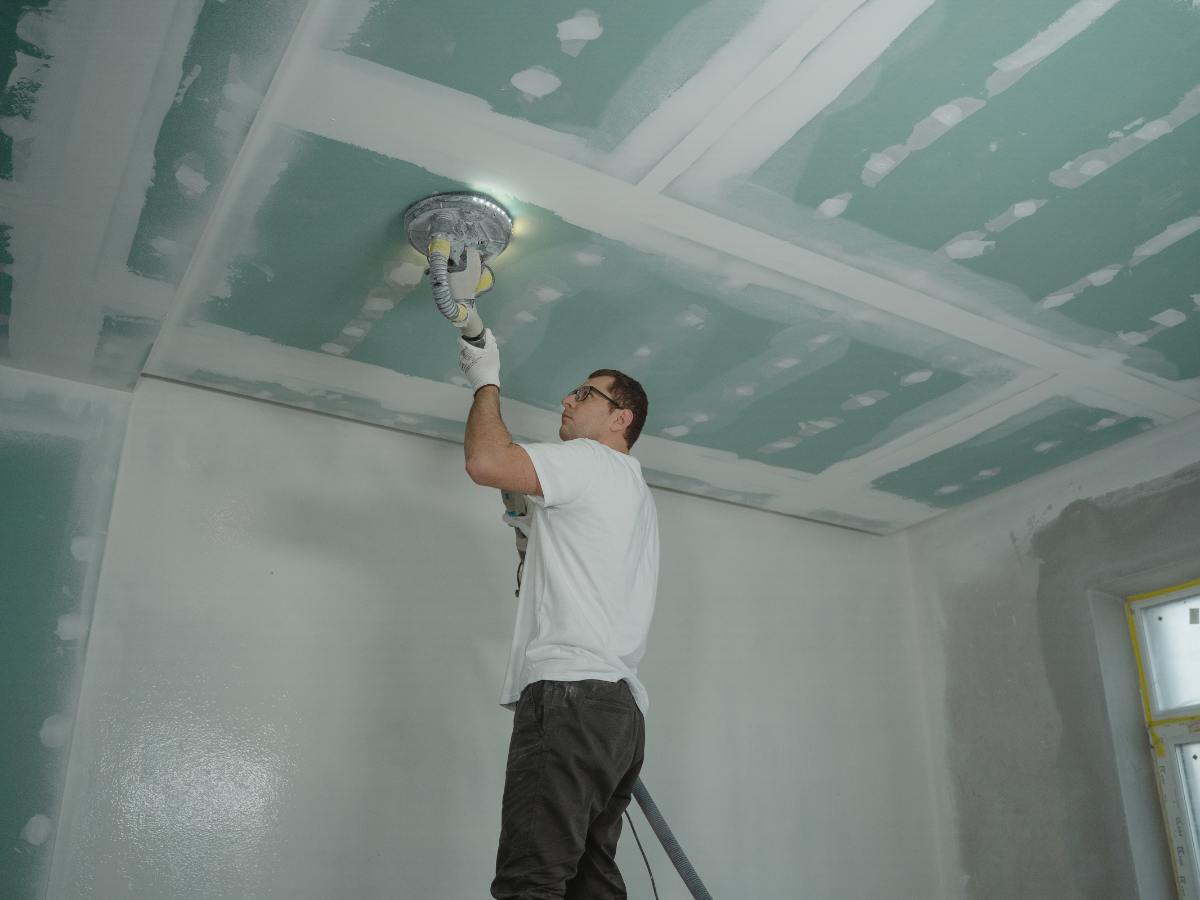
When comparing drywall vs plaster, durability is often one of the deciding factors for homeowners. Both materials can perform well for many years, but they respond differently to daily wear, moisture exposure, and structural movement within a home.
Drywall is commonly used because it is affordable and easy to repair, but it can be more vulnerable to dents, cracks, and water damage.
A hard impact from furniture or accidental bumps may leave noticeable holes or surface damage that requires patching. In areas with excessive moisture, standard drywall can also weaken or develop mold issues if not properly protected.
Plaster, by contrast, is known for its dense and durable finish. Traditional plaster walls feel more solid and tend to resist minor impacts better than drywall.
Many older homes still contain original plaster walls that have remained intact for decades, which speaks to the material’s long-term durability. In the drywall vs plaster conversation, plaster is often viewed as the stronger option for homeowners prioritizing longevity and a more substantial wall surface.
However, durability is not the only consideration. Maintenance requirements, repair complexity, and installation quality all influence how each material performs over time.
How Long Do Drywall And Plaster Walls Typically Last?
The lifespan of drywall and plaster walls can vary widely depending on environmental conditions, construction quality, and routine maintenance.
Drywall walls generally last between 30 and 70 years when properly installed and maintained. In most modern homes, drywall performs reliably for decades, especially in climate-controlled environments where moisture exposure is limited.
Small cosmetic issues such as nail pops, seam cracks, or dents are fairly common over time, but these are usually manageable with routine repairs.
Plaster walls often last much longer. In many historic homes, original plaster walls have remained functional for more than 100 years. Their layered construction and dense composition contribute to their durability, particularly in homes where the structure experiences minimal shifting.
That said, plaster is not completely maintenance-free. Older plaster walls may develop hairline cracks as homes settle, and repairs can require specialized techniques to preserve the original finish. Even so, many homeowners appreciate the long-term value and character plaster provides.
How Moisture And Impact Resistance Compare
Another important part of the drywall vs plaster discussion involves how each material handles moisture and physical stress. Drywall is more susceptible to water damage, especially standard gypsum board.
Leaks, humidity, or flooding can weaken the material quickly, often leading to swelling or deterioration. Moisture-resistant drywall products are available for bathrooms, kitchens, and basements, but they still require proper ventilation and maintenance.
Plaster generally offers better moisture resistance because of its dense composition. It is less likely to warp or soften when exposed to humidity, which is one reason it has historically been used in older homes and buildings.
In terms of impact resistance, plaster usually performs better against everyday bumps and wear. Drywall is softer and easier to puncture, while plaster creates a harder surface that stands up well to routine household activity.
What Are Common Repair Techniques For Drywall And Plaster Walls?
Repair methods differ significantly between drywall and plaster, and this can affect long-term maintenance costs and convenience.
Drywall repairs are usually straightforward. Small holes, dents, or cracks can often be fixed with joint compound, sanding, and repainting.
Larger damaged sections may require cutting out part of the drywall panel and replacing it with a new piece. Because drywall is widely used, repair materials and labor are generally affordable and accessible.
Plaster repairs tend to be more specialized. Cracks may need to be stabilized before new plaster is applied, and matching the original texture can require additional skill. In older homes, repairs sometimes involve reinforcing loose plaster before refinishing the surface.
For many homeowners, the drywall vs plaster decision comes down to balancing durability with maintenance simplicity. Drywall offers convenience and easier repairs, while plaster provides exceptional longevity and a more durable finish when properly maintained.
What Environmental Impacts Do Drywall and Plaster Have?
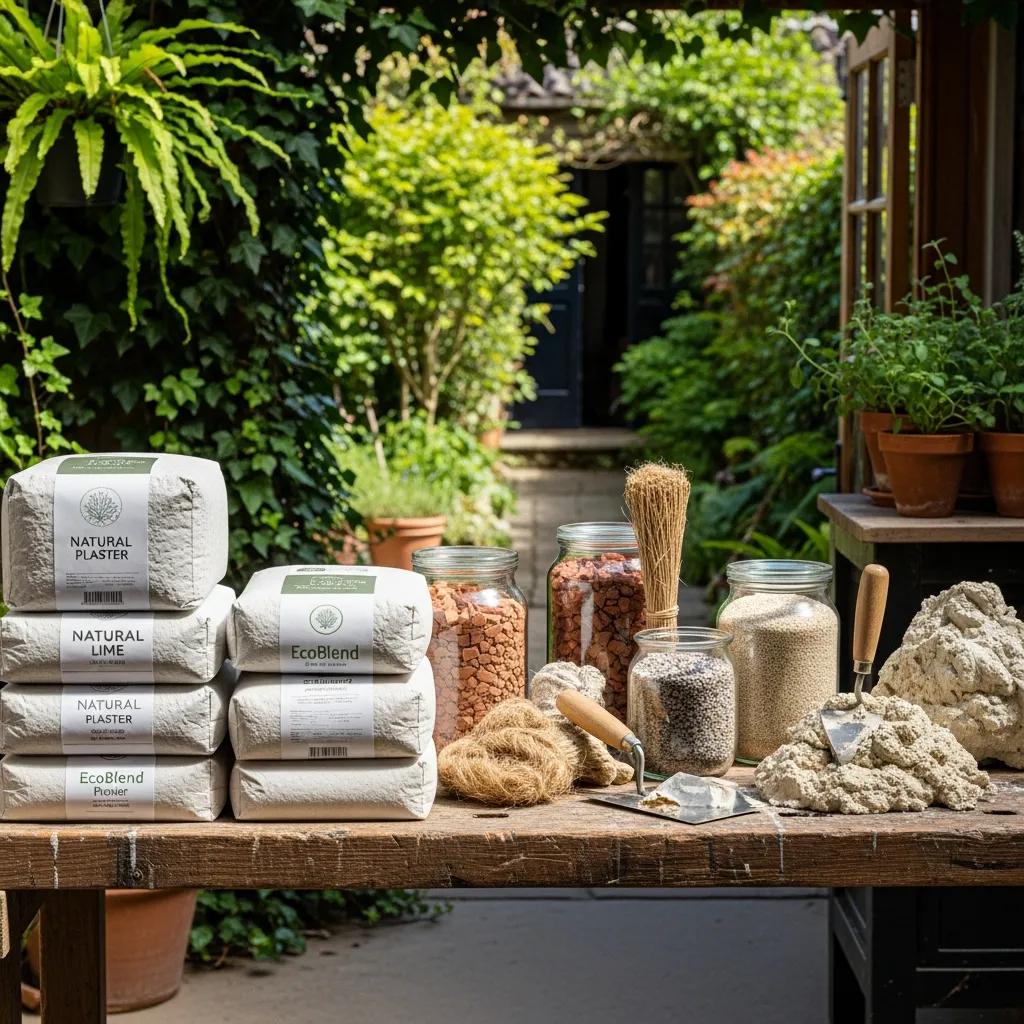
Environmental impact has become an important consideration for homeowners comparing drywall vs plaster. While both materials are widely used in residential construction, they differ in how they are produced, how long they last, and how much waste they generate over time.
Drywall is primarily made from gypsum, a naturally occurring mineral, combined with paper backing and various additives. Because drywall is mass-produced and heavily used in modern construction, its manufacturing process requires significant energy and raw material extraction.
Waste from construction cutoffs and demolition projects can also contribute to landfill volume if materials are not recycled properly. Plaster is also derived from natural materials, commonly lime, sand, or cement mixed with water.
Traditional plaster systems tend to last much longer than drywall, which can reduce replacement frequency and construction waste over the lifespan of a home. In the drywall vs plaster discussion, this durability is often viewed as one of plaster’s environmental advantages.
That said, sustainability depends on more than just material composition. Transportation, installation methods, repair frequency, and disposal practices all contribute to the long-term environmental impact of interior wall systems.
How Does Drywall Production Affect Sustainability?
Drywall production has improved over the years, but it still carries environmental challenges tied to mining, manufacturing, and disposal.
The gypsum used in drywall must be extracted, processed, and transported before it becomes a finished construction product.
Manufacturing facilities also consume energy during production and drying processes. In large-scale construction projects, drywall waste can accumulate quickly due to trimming, breakage, and demolition debris.
However, the industry has made progress in improving sustainability. Many manufacturers now incorporate recycled gypsum into drywall products, reducing the need for raw material extraction. Some facilities also recycle production scraps and use cleaner manufacturing practices to lower emissions and waste output.
For homeowners interested in reducing environmental impact, choosing recycled drywall products or working with contractors who prioritize waste reduction can make a meaningful difference.
While drywall remains one of the most common wall materials, its sustainability profile continues to evolve as recycling technologies improve.
Why Plaster Is Often Viewed As A Long-Term Sustainable Option
Plaster is frequently associated with longevity and reduced replacement needs, which can contribute to lower environmental impact over time. Properly installed plaster walls can remain functional for generations, especially in older homes where original plaster surfaces are still intact after decades of use.
Because plaster walls are dense and durable, they may require fewer repairs and less frequent replacement than drywall. This long service life can offset some of the higher labor and installation costs associated with plaster construction.
Traditional lime-based plaster also appeals to homeowners interested in natural building materials. Lime plaster is breathable, durable, and made from naturally sourced ingredients, which aligns with many sustainable construction practices.
In the drywall vs plaster comparison, plaster is often chosen for restoration projects, historic homes, and environmentally conscious renovations where durability and material lifespan are priorities.
Are There Eco-Friendly Alternatives in Plaster Wall Finishes?
Modern plaster products now include several eco-friendly options designed to reduce environmental impact while maintaining the classic appearance and durability plaster is known for.
Lime plaster remains one of the most popular sustainable finishes because it uses natural materials and can help regulate indoor moisture levels. Some plaster products also incorporate recycled content or low-toxicity ingredients that improve indoor air quality.
Clay plaster has also gained attention in sustainable building projects. It provides a natural finish, contains minimal synthetic additives, and can often be reapplied or repaired with less waste than conventional materials.
Homeowners exploring drywall vs plaster from an environmental perspective may find these alternative finishes especially appealing in green building or energy-efficient renovation projects.
Choosing The Right Material For Sustainability Goals
When comparing drywall vs plaster, environmental impact often comes down to balancing affordability, durability, and long-term performance.
Drywall offers convenience and accessibility, especially as recycling practices continue to improve. Plaster, meanwhile, provides exceptional longevity and access to more natural finish options that may reduce replacement waste over time.
For homeowners focused on sustainable construction, understanding the life cycle of each material can help guide a more informed and environmentally responsible decision.
Which Wall Finishing Material Is Better For Soundproofing And Insulation?
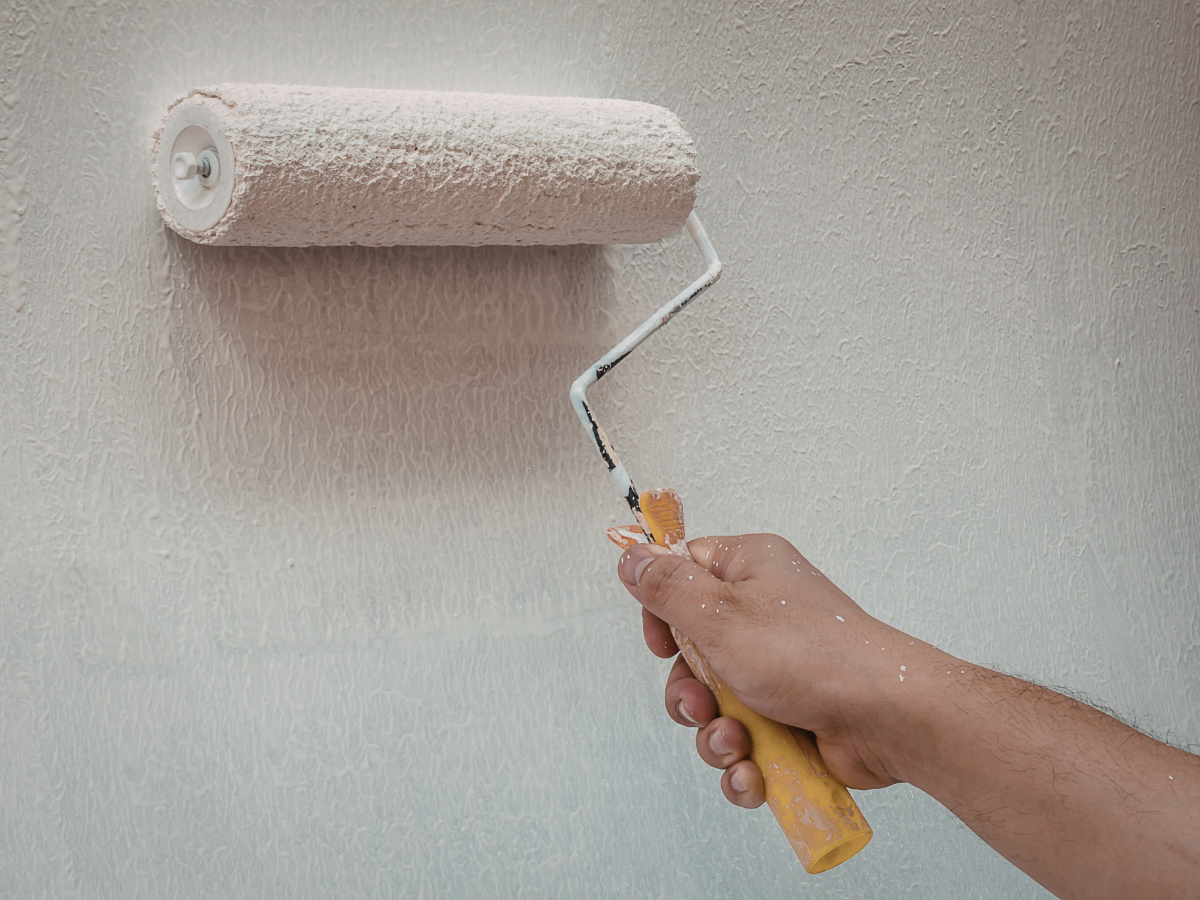
When comparing drywall vs plaster, soundproofing and insulation are often overlooked until homeowners begin noticing noise traveling between rooms.
The wall material used throughout a home can affect how well sound is absorbed, how much outside noise enters the space, and even how comfortable indoor temperatures feel throughout the year.
Both drywall and plaster offer some level of insulation, but they perform differently because of their composition and density.
Drywall is commonly used in modern construction because it is affordable, lightweight, and easy to install. Plaster, on the other hand, creates a denser wall surface that naturally helps reduce sound transmission.
The right choice often depends on the priorities of the homeowner. Some may value stronger sound control for privacy and comfort, while others may prioritize affordability and easier installation.
How Does Plaster Provide Superior Soundproofing?
One of the major advantages of plaster in the drywall vs plaster comparison is its natural sound-dampening ability. Plaster walls are thicker and denser than standard drywall, which helps block sound waves from moving easily between rooms.
This added mass makes plaster especially effective in spaces where quiet is important. Bedrooms, home offices, nurseries, and media rooms often benefit from the extra sound control plaster provides.
Older homes with original plaster walls are frequently quieter than newer drywall homes because the material absorbs and slows sound more effectively.
The layered application process used in traditional plaster systems also contributes to noise reduction. Multiple coats create a solid, compact surface that limits vibration and sound transfer.
While no wall system is completely soundproof on its own, plaster generally performs better at minimizing everyday household noise. For homeowners sensitive to noise or looking to create a quieter indoor environment, plaster can offer a noticeable improvement in acoustic comfort.
How Drywall Handles Insulation And Noise Reduction
Drywall still provides basic insulation and sound control, but standard drywall panels are typically less effective than plaster when it comes to blocking noise. Because drywall is lighter and thinner, sound can travel through walls more easily, especially in homes without added insulation.
That said, modern drywall systems have evolved significantly. Specialized soundproof drywall products are now available and are designed with additional layers or sound-dampening compounds that improve acoustic performance.
These products can help close the gap in the drywall vs plaster debate, especially in newer homes where sound control is a concern.
Homeowners can also improve drywall insulation by adding materials behind the walls during construction or remodeling. Fiberglass insulation, mineral wool, and resilient channels are commonly used to reduce sound transmission and improve thermal performance.
While drywall may not naturally match plaster’s density, the flexibility of modern drywall systems allows builders to customize wall assemblies for better insulation and quieter interiors.
Which Material Performs Better For Energy Efficiency?
Insulation is not only about sound. It also affects temperature regulation and energy efficiency throughout the home. Plaster’s dense composition can help stabilize indoor temperatures by slowing heat transfer.
In some older homes, thick plaster walls contribute to a more consistent indoor climate, particularly when paired with solid construction materials.
Drywall, however, is often used alongside modern insulation systems that are designed specifically for energy efficiency. New construction projects commonly combine drywall with high-performance wall insulation to meet modern building standards.
In the drywall vs plaster comparison, drywall may offer more flexibility for integrating advanced insulation materials, while plaster provides natural thermal mass that can help moderate temperature fluctuations.
Choosing The Best Option For Comfort And Quiet
The choice between drywall and plaster ultimately depends on the type of comfort homeowners want to prioritize. Plaster stands out for its superior soundproofing, solid feel, and quieter living experience. Drywall offers versatility, affordability, and the ability to enhance insulation through modern construction methods.
For homeowners focused on noise reduction and long-term acoustic performance, plaster may be the stronger option. Those seeking cost-effective construction with customizable insulation upgrades may find drywall better suited to their needs.
How To Choose Between Drywall And Plaster For Your Home Construction Needs
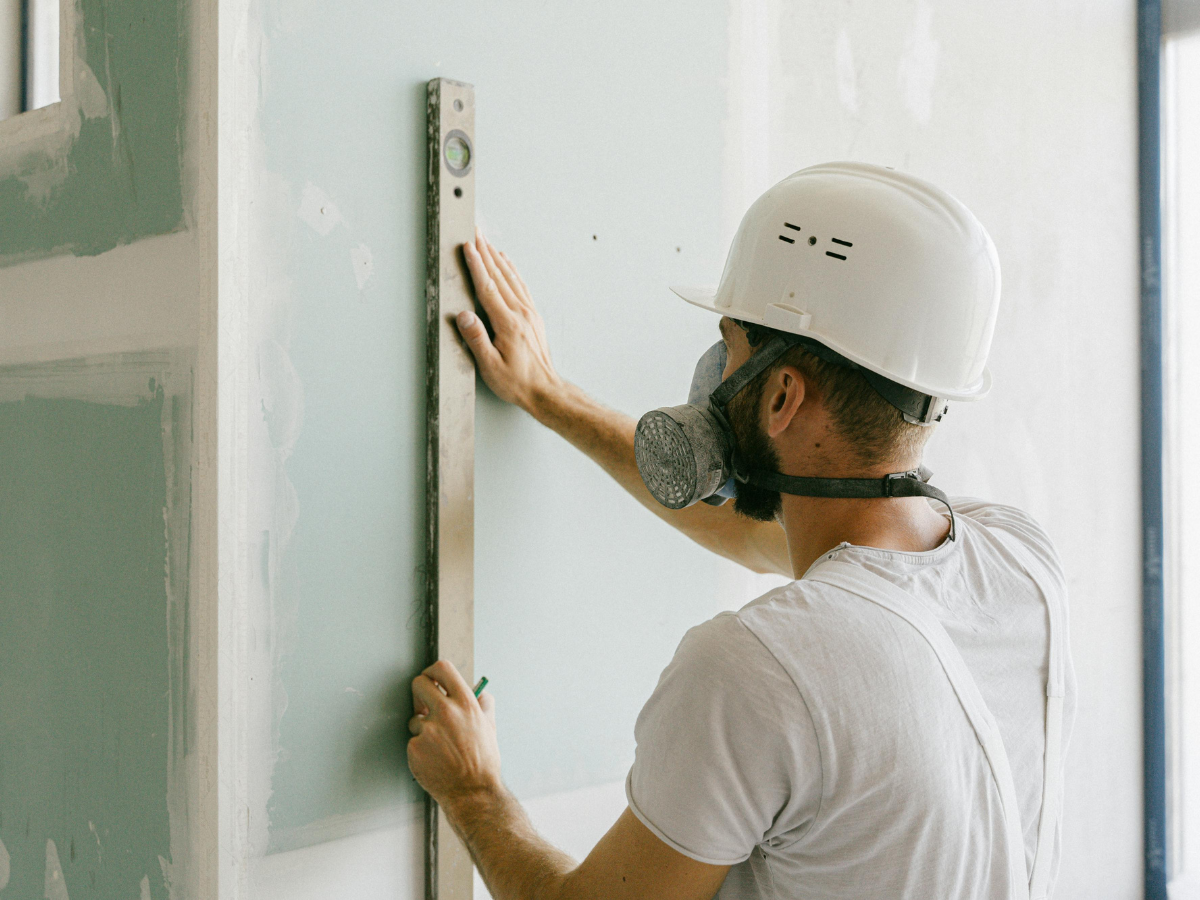
Choosing between drywall and plaster can feel overwhelming, especially when both materials offer distinct advantages. The right option often depends on the goals of the project, the style of the home, and the homeowner’s long-term priorities.
When comparing drywall vs plaster, it helps to look beyond appearance alone and consider how each material performs in everyday living conditions. Drywall is commonly chosen for modern construction because it is cost-effective, easier to install, and simple to repair.
Plaster, meanwhile, is known for its durability, classic appearance, and strong soundproofing qualities. Some homeowners prioritize convenience and affordability, while others are more interested in long-term performance and architectural character.
Understanding how cost, durability, aesthetics, and maintenance work together can make the drywall vs plaster decision much clearer.
What Factors Should Homeowners Consider When Selecting Wall Materials?
Several important factors influence whether drywall or plaster is the better fit for a home. Budget is often the starting point, but it should not be the only consideration.
Cost plays a major role because drywall is generally less expensive to install. The materials are affordable, and labor costs tend to be lower due to the faster installation process. Plaster usually requires more time and skilled craftsmanship, which increases the initial investment.
Durability is another key factor. Drywall performs well in most residential settings, but it can be more vulnerable to dents, moisture issues, and everyday wear.
Plaster walls are denser and often last much longer when properly maintained. For homeowners planning to stay in their home for decades, that added longevity may justify the higher upfront cost.
Aesthetics also shape the drywall vs plaster conversation. Drywall creates a clean, smooth finish that works well in contemporary homes. Plaster offers more texture, depth, and character, making it especially popular in historic homes or custom-designed interiors.
Homeowners should also think about maintenance, soundproofing needs, energy efficiency, and future remodeling plans before making a final decision.
How Do Cost, Durability, And Aesthetics Influence The Choice?
The balance between cost, durability, and appearance often determines which material makes the most sense for a project.
For homeowners focused on affordability and speed, drywall is usually the preferred option. It allows construction and remodeling projects to move quickly while keeping labor costs manageable. Repairs are also relatively simple, which can reduce maintenance expenses over time.
Plaster, however, appeals to homeowners looking for long-term durability and a more refined finish. Its solid construction helps reduce noise transfer and creates a premium feel that many people associate with older craftsmanship.
While plaster costs more initially, some homeowners view it as a worthwhile investment because of its longevity and visual appeal.
In the drywall vs plaster comparison, aesthetics can become especially important during restoration projects or luxury renovations. Plaster walls often complement traditional architecture and can add texture and depth that drywall sometimes lacks.
The choice ultimately comes down to which benefits matter most for the specific space and lifestyle.
Which Material Works Best For Different Types Of Homes?
Different homes and renovation goals naturally lend themselves to different wall materials.
Drywall is typically the practical choice for new construction, modern homes, rental properties, and budget-conscious remodels. Its flexibility and ease of installation make it ideal for projects where efficiency is important.
Plaster tends to work best in historic homes, custom interiors, and spaces where sound control or architectural detail is a priority. Homeowners restoring older properties often prefer plaster because it preserves the original character of the home.
When evaluating drywall vs plaster, it is also important to consider the local climate and how the home will be used. High-moisture areas, heavily used rooms, and long-term ownership plans can all influence which material performs better over time.
Making The Right Decision For Your Home
There is no universal answer in the drywall vs plaster debate because every home has different priorities. Drywall offers affordability, convenience, and easy maintenance, making it ideal for many modern projects.
Plaster delivers durability, soundproofing, and timeless visual appeal that can elevate the overall feel of a space. By carefully considering budget, performance expectations, maintenance needs, and design goals, homeowners can choose the wall material that best supports both the function and style of their home.
Conclusion
Choosing between plaster and drywall ultimately depends on your priorities—whether you value the historic durability and soundproofing of plaster or the modern affordability and ease of repair that drywall offers.
For expert guidance on home restoration, flooring, and professional repair services, trust Restor-It, Inc. With over 25 years of experience serving the Atlanta area, we provide quality craftsmanship and transparent communication for all your residential needs.
Ready to make the right choice for your home? Call (678) 355-6645 or visit our website for a free quote today. Let our team help you achieve beautiful, lasting results.