Restoration projects move fast, and the terminology can be just as overwhelming as the damage itself. From mitigation and remediation to structural drying and content pack-out, unfamiliar terms can make it difficult to follow what’s happening or make informed decisions.
Understanding the most common terms in a restoration glossary helps you stay clear, confident, and involved throughout the process.
Whether you’re dealing with water damage, fire cleanup, or mold remediation, each phase comes with its own language and procedures. Knowing what these terms mean can help you communicate more effectively with contractors and better understand timelines, costs, and expectations.
With a solid grasp of key restoration terms, you can navigate the process more smoothly and avoid confusion when it matters most.
Restoration Glossary Basics for Water, Fire, and Mold
Understanding Key Terms In A Restoration Glossary

A clear understanding of common terms can make the restoration process easier to navigate. A well-structured restoration glossary helps homeowners and property managers understand what to expect when dealing with damage and repairs. It also improves communication with contractors, since everyone is working from the same definitions.
At its core, restoration refers to returning a property to its condition before the damage occurred. This can involve cleaning, repairs, and in some cases, rebuilding. The exact approach depends on the type and severity of the issue.
Learning the basics of a restoration glossary allows homeowners to make more informed decisions and better understand the scope of work involved.
Common Types Of Property Damage
Different types of damage require different approaches, which is why they are often categorized in a restoration glossary. Knowing these categories helps identify the right response early on.
Some of the most common types include:
- Water damage, often caused by leaks, flooding, or plumbing issues, can weaken structures and lead to mold if not addressed
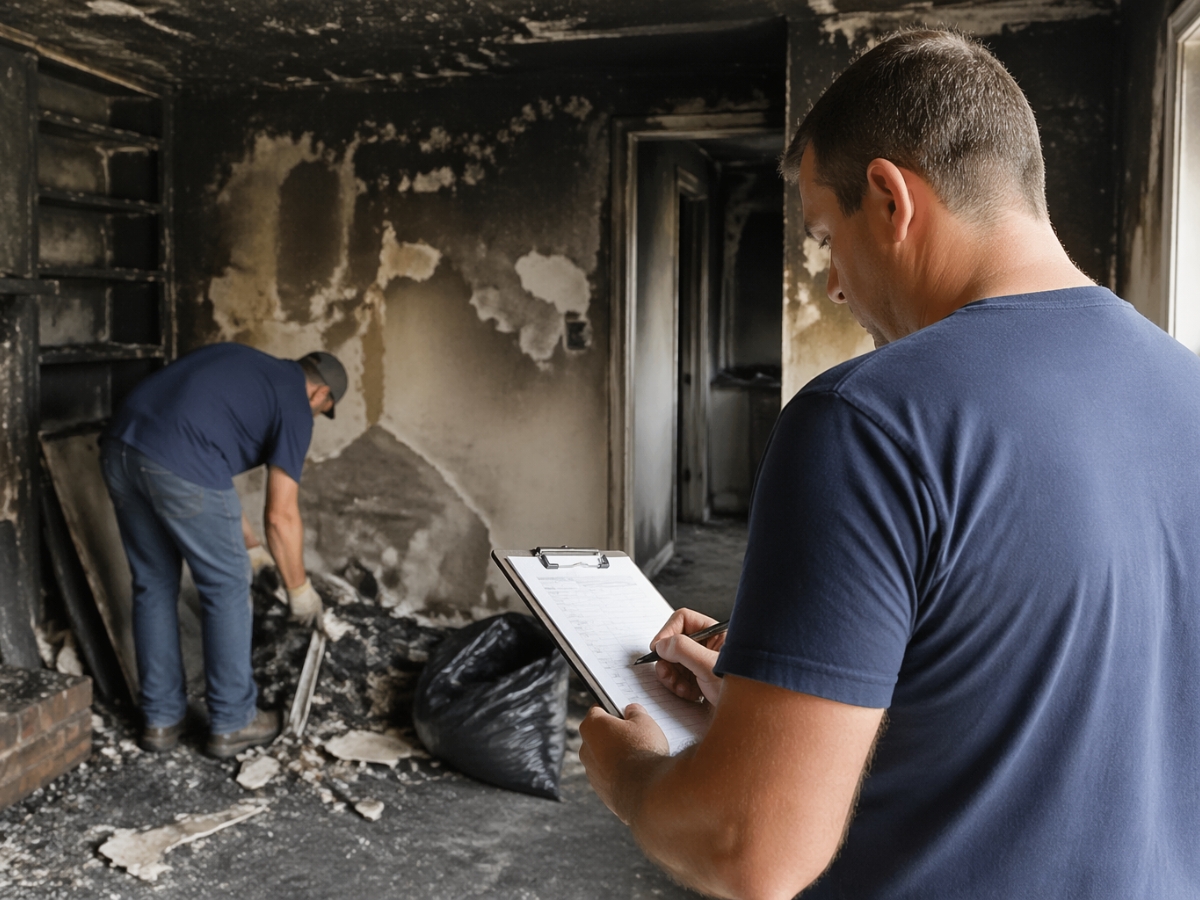
- Fire damage, which affects both the building and its contents, often requires specialized cleaning and repair methods
- Mold damage, typically the result of excess moisture, can spread quickly and affect indoor air quality
Each type of damage presents its own challenges. Recognizing these differences helps homeowners understand why certain restoration methods are recommended.
How Restoration Processes Are Defined
Restoration work is usually broken into stages, each with a specific purpose. A restoration glossary often includes these categories to explain how the process moves from initial response to final repair.
The process generally follows a sequence:
- Emergency response, which focuses on stopping further damage through actions like water removal or temporary protection
- Restoration, where cleaning, drying, and repair work begin to bring the property back to a usable condition
- Reconstruction, which may involve rebuilding sections of the property if the damage is severe
These stages help organize the work and ensure that nothing is overlooked. They also provide a clearer timeline for how repairs will progress.
Why Terminology Matters During Restoration
Understanding the terms used in a restoration glossary is not just about definitions. It helps set expectations. When homeowners know what each stage involves, they are better prepared for the time, cost, and scope of the project.
Clear terminology also reduces confusion. For example, knowing the difference between restoration and reconstruction can help avoid misunderstandings about what work will be completed. This is especially important when dealing with insurance claims or coordinating multiple services.
Using A Restoration Glossary To Make Better Decisions
A restoration glossary can serve as a reference point throughout the repair process. It allows homeowners to follow along as work is completed and to ask more informed questions when needed.
By understanding damage types, process stages, and key terms, it becomes easier to evaluate options and make decisions with confidence. This knowledge supports a smoother experience, especially during situations that can already feel overwhelming.
In the end, a strong grasp of restoration terminology helps simplify a complex process. It provides clarity, improves communication, and allows homeowners to move forward with a better understanding of what their property needs.
How A Restoration Glossary Helps Homeowners And Businesses

A restoration glossary is more than a list of definitions. It helps homeowners and businesses understand what is happening when damage occurs and what steps are needed to address it. When terms are clear, it becomes easier to follow the process and communicate with contractors.
Property damage situations often involve multiple stages and specialized work. Without a basic understanding of the terminology, it can be difficult to know what each service includes.
A restoration glossary provides that foundation, helping clients make sense of the work being recommended and how it applies to their situation.
How Restoration Services Connect To Common Terms
Many of the terms found in a restoration glossary are directly tied to specific services. Understanding these connections helps clarify what each step involves and why it is necessary.
Some common examples include:
- Water damage restoration, which involves removing water, drying affected areas, and repairing any structural impact
- Fire damage repair, which includes cleaning soot, addressing smoke residue, and restoring damaged surfaces
- Mold remediation, which focuses on removing mold and treating affected areas to reduce the chance of it returning
These services are often used together, depending on the type of damage. Recognizing how they fit into the overall process makes it easier to understand the scope of work.
Why Terminology Matters When Choosing Services
Clear terminology helps clients explain their situation more accurately. For example, knowing the difference between water extraction and dehumidification allows homeowners to describe both the immediate problem and the steps needed to resolve it.
This level of clarity can improve communication from the start. It helps ensure that the right services are recommended and reduces the chance of misunderstandings during the project.
A restoration glossary also helps when comparing estimates or reviewing service details. When terms are familiar, it becomes easier to evaluate what is included and whether it matches the needs of the property.
Supporting Better Decisions During The Restoration Process
Damage situations often require quick decisions. Having a basic understanding of restoration terms helps clients move forward with more confidence. Instead of relying entirely on explanations from others, they can follow along and ask more focused questions.
This is especially useful when multiple services are involved. Knowing how each stage connects to the next helps clients understand timelines, costs, and expected outcomes.
A restoration glossary supports this process by giving context to each step. It allows homeowners and businesses to see how initial response efforts lead to repairs and, if needed, reconstruction.
Creating A More Transparent Experience
Transparency is an important part of any restoration project. When both the client and the contractor are using the same terms, communication becomes more direct. This reduces confusion and helps keep the project on track.
Understanding the language also makes it easier to track progress. Clients can follow updates, review reports, and confirm that each stage is being completed as expected.
Why A Restoration Glossary Is A Practical Tool
A restoration glossary is useful before, during, and after a project. It helps clients prepare for potential issues, understand what is happening during repairs, and evaluate the final outcome.
By learning key terms and how they relate to specific services, homeowners and businesses can take a more active role in the process. This leads to better communication, clearer expectations, and more informed decisions.
In the end, a strong understanding of restoration terminology simplifies what can otherwise feel like a complex situation. It gives clients the tools they need to navigate damage and recovery with greater clarity.
Key Mold Remediation Terms In A Restoration Glossary

Understanding mold-related terminology can make the remediation process easier to follow. A well-defined restoration glossary helps explain how mold develops, how it spreads, and what steps are used to remove it safely.
Mold spores are one of the most basic terms. These are microscopic particles that exist in the air and can settle on surfaces when moisture is present. While spores are common, they become a concern when they begin to grow and spread indoors.
Containment is another important concept. During remediation, affected areas are sealed off to prevent spores from moving into other parts of the property. This step helps limit the spread and keeps the cleanup process controlled.
Air scrubbing is often used alongside containment. This process involves filtering the air to remove mold particles and improve air quality during cleanup. Together, these steps form the foundation of mold remediation and are frequently referenced in any restoration glossary.
Why Mold Terminology Matters During Cleanup
Knowing these terms helps homeowners understand why certain steps are necessary. Mold issues are not always visible, so the process can feel unclear without context.
When clients understand terms like containment and air scrubbing, they can better follow the work being done. It also helps them recognize the importance of addressing moisture issues, since mold growth is closely tied to damp conditions.
A restoration glossary provides a clearer picture of how each step contributes to a safer indoor environment.
Common Fire Damage Terms You Should Know
Fire damage repair also involves specific terminology that describes both the damage and the methods used to address it. These terms help explain what happens after a fire and how restoration work is carried out.
Soot removal is one of the most common steps. Soot can settle on walls, ceilings, and other surfaces, leaving behind residue that requires careful cleaning. This process is often more detailed than standard cleaning because soot can stain and damage materials over time.
Smoke damage is another key term. Even areas that were not directly affected by flames can experience smoke exposure. This can impact surfaces, air quality, and personal belongings.
Odor removal focuses on eliminating lingering smoke smells. These odors can remain long after visible damage has been addressed, so specialized techniques are used to restore the space to a more neutral condition.
How Fire Damage Terms Relate To Restoration Work
Each of these terms represents a specific part of the repair process. Understanding them helps clarify why multiple steps are often needed after a fire.
For example, removing soot alone does not address smoke damage or odors. Each issue requires a separate approach, which is why fire restoration is typically handled in stages. A restoration glossary helps connect these steps and explain how they fit together.
This understanding also helps homeowners set realistic expectations. Fire damage repair can involve cleaning, deodorizing, and structural work, depending on the extent of the damage.
Using A Restoration Glossary To Navigate Complex Repairs
Both mold remediation and fire damage repair involve detailed processes that can feel overwhelming at first. A restoration glossary provides a reference point that makes these processes easier to understand.
By learning key terms, homeowners can follow the progress of the work and ask more informed questions. This leads to better communication and a clearer understanding of what is being done and why.
In the end, knowing the language used in restoration helps simplify complex situations. It allows clients to stay informed and confident as their property moves through each stage of recovery.
Key Water Damage Terms In A Restoration Glossary
Water damage can develop quickly, but the recovery process involves several steps that are easier to follow with the right terminology. A clear restoration glossary helps explain what each stage means and how it contributes to restoring a property.
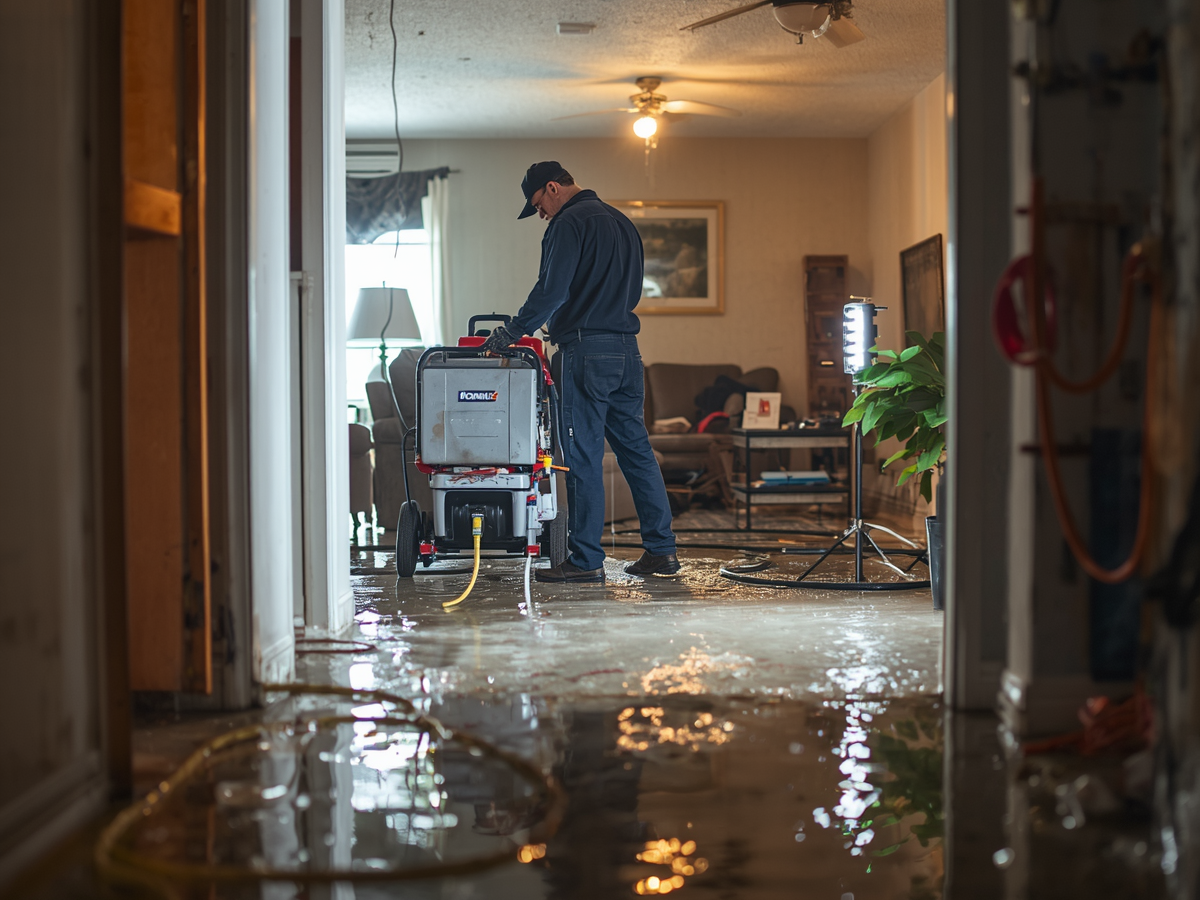
One of the first terms homeowners encounter is water extraction. This refers to removing standing water from floors, carpets, and other surfaces. It is often the first step because excess water can continue to spread and cause additional damage if not addressed right away.
Dehumidification follows extraction. Even after visible water is removed, moisture can remain in the air and surrounding materials. Dehumidifiers are used to reduce humidity levels and help prevent mold growth.
Structural drying is another important concept. This process focuses on drying building materials such as wood, drywall, and subflooring. It helps return these materials to a stable condition and reduces the risk of long-term damage.
Understanding these terms in a restoration glossary allows homeowners to follow the process more clearly and recognize why each step is necessary.
Why Water Damage Terminology Matters
Water damage is not always limited to what can be seen on the surface. Moisture can move into walls, floors, and other hidden areas. Without proper drying, these areas can become a source of future problems.
Knowing the difference between extraction, dehumidification, and structural drying helps clarify how the restoration process works. Each step addresses a different part of the problem, and skipping one can affect the outcome.
A restoration glossary helps connect these steps so homeowners can understand how the process moves from immediate response to full recovery.
Flooring And Carpet Restoration Terms Explained
Water damage often affects flooring, which introduces another set of terms. These definitions help explain how different materials are cleaned, repaired, or replaced depending on the level of damage.
Carpet cleaning is one of the more common services. It involves removing dirt, stains, and moisture from carpet fibers. In cases of water damage, this step may also include sanitizing to address potential contaminants.
Refinishing is typically associated with hardwood floors. This process restores the surface by removing damage, smoothing the wood, and applying a new finish. It helps bring floors back to a usable and visually consistent condition.
Padding replacement refers to replacing the layer beneath the carpet. When padding becomes saturated, it can lose its structure and may need to be removed to prevent odor or further damage.
These terms are commonly included in a restoration glossary because they describe how flooring is handled after water exposure.
How Flooring Terms Relate To Restoration Decisions
Understanding flooring terminology helps homeowners evaluate what can be saved and what needs to be replaced. Not all materials respond the same way to water, so the approach depends on the type of flooring and how long it has been affected.
For example, carpets may be cleaned if the damage is minimal, while padding often requires replacement. Hardwood floors may be refinished if they are properly dried, but severe exposure may lead to more extensive repairs.
A restoration glossary provides the context needed to understand these options. It helps explain why certain recommendations are made and what each step involves.
Using A Restoration Glossary For Better Outcomes
Water damage and flooring restoration can involve several moving parts. A restoration glossary helps organize these details and makes the process easier to follow.
By understanding key terms, homeowners can communicate more effectively and make more informed decisions. This leads to clearer expectations and a smoother overall experience.
In the end, knowing the language used in restoration helps simplify what can otherwise feel like a complex situation. It allows homeowners to stay informed while their property moves through each stage of repair.
How Insurance Terms Fit Into A Restoration Glossary

Insurance language is a key part of any restoration glossary because it directly affects how repairs are approved and paid for. When property damage occurs, the restoration process often runs alongside an insurance claim. Understanding the terminology helps homeowners follow both processes more clearly.
Insurance terms can shape decisions from the beginning. They influence what work can start right away, what documentation is required, and how costs are handled. Without a basic understanding, it can be difficult to know what is covered and what may require out-of-pocket payment.
A restoration glossary that includes insurance terms helps bridge this gap. It allows homeowners to better understand how restoration services connect to their policy.
Common Insurance Terms Homeowners Should Know
Several key terms appear frequently during the claims process. These definitions are often included in a restoration glossary because they explain how coverage works in practical terms.
Some of the most relevant include:
- Deductible, which is the amount a homeowner must pay before insurance begins to cover costs
- Coverage limit, which sets the maximum amount the policy will pay for a specific claim
- Exclusions, which outline what types of damage or situations are not covered under the policy
These terms affect how much of the restoration cost is handled by insurance and how much remains the homeowner’s responsibility. Understanding them early helps avoid confusion later in the process.
How Claims Terminology Affects Restoration Work
Claims vocabulary does more than define coverage. It also influences how restoration services are carried out. The way damage is described in a claim can determine what work is approved and how quickly it can begin.
For example, the distinction between actual cash value and replacement cost can affect how repairs are funded. Actual cash value takes depreciation into account, while replacement cost focuses on restoring the property to its previous condition without factoring in age or wear.
These differences matter because they can change the scope of the project. A restoration glossary helps explain these terms so homeowners can better understand how their claim is being evaluated.
The Role Of Documentation And Communication
Clear documentation is an important part of both insurance and restoration. Insurance providers often require detailed records of damage, repairs, and costs before approving payments. Understanding the terminology used in these documents makes it easier to review and respond to them.
Communication also improves when both parties are using the same language. Homeowners who are familiar with key terms can ask more specific questions and better understand the answers they receive. This can help prevent delays and keep the process moving forward.
A restoration glossary supports this by providing clear definitions that can be referenced throughout the project.
Making More Informed Decisions During A Claim
Insurance claims can feel complex, especially when they involve multiple steps and approvals. Knowing the terminology helps homeowners stay more involved in the process rather than relying entirely on others to interpret it.
This knowledge allows for better decision-making. Homeowners can evaluate estimates, understand coverage limits, and determine how different options may affect their final costs.
By using a restoration glossary as a reference, it becomes easier to track how insurance and restoration services work together.
Why Insurance Knowledge Supports A Smoother Restoration Process
Understanding insurance terms does not replace professional guidance, but it does make the overall experience more manageable. When homeowners know what key terms mean, they are better prepared to navigate both the claims process and the restoration work itself.
A restoration glossary that includes insurance terminology provides clarity at each stage. It helps explain how coverage decisions are made and how those decisions affect repairs.
In the end, a clear understanding leads to better communication, fewer surprises, and a more straightforward path from damage to recovery.
Frequently Asked Questions About Restoration Terms

Understanding common questions is one of the easiest ways to make sense of a restoration glossary. Many homeowners encounter unfamiliar terms during a stressful situation, so having clear explanations can make the process easier to follow.
These questions often focus on timelines, processes, and how to choose the right services. By addressing them directly, a restoration glossary becomes more practical and easier to use.
What Is Water Damage Restoration, and How Long Does It Take?
Water damage restoration refers to the process of removing water, drying affected areas, and repairing any damage caused by moisture. It usually begins with water extraction, followed by drying and dehumidification to remove hidden moisture.
The timeline can vary depending on how much water is involved and how long it has been present. The initial drying phase often takes a few days, but full restoration may take longer if repairs are needed.
Understanding this timeline helps set expectations. A restoration glossary can clarify why drying and repairs are handled in stages rather than all at once.
What Does Mold Remediation Involve?
Mold remediation focuses on identifying, removing, and preventing mold growth. The process usually begins with an inspection to locate affected areas, followed by containment to stop the spread.
Once the area is isolated, surfaces are cleaned and treated to remove mold. Steps are then taken to address moisture issues, since mold often returns if the source of dampness is not resolved.
In some cases, specialists such as indoor environmental professionals may be involved to assess conditions and confirm that remediation has been completed effectively. Including these terms in a restoration glossary helps explain why multiple steps are needed.
How Do Restoration Terms Help With Service Selection?
Understanding the language used in restoration makes it easier to choose the right services. When homeowners know what terms mean, they can describe their situation more clearly and understand the recommendations they receive.
For example, knowing the difference between cleaning, remediation, and reconstruction helps clarify what level of work is required. This reduces confusion and helps ensure that the right approach is taken from the beginning.
A restoration glossary supports this process by providing definitions that can be referenced throughout the project. It helps homeowners stay informed and involved rather than relying entirely on unfamiliar explanations.
Why Clarity Matters During The Restoration Process
Restoration work often involves several steps, and each one may use specific terminology. Without clear definitions, it can be difficult to follow what is happening or why certain decisions are made.
When terms are understood, communication improves. Homeowners can ask better questions, review project details more confidently, and track progress as work is completed.
This clarity also helps reduce stress. Property damage situations are already challenging, and having a basic understanding of the process makes them more manageable.
Using A Restoration Glossary As A Practical Guide
A restoration glossary is not just a reference tool. It can be used throughout the entire process, from the initial assessment to the final repairs. It helps explain what each step involves and how different services connect.
By becoming familiar with key terms, homeowners can make more informed decisions and feel more confident about the work being done. This leads to better outcomes and a smoother overall experience.
In the end, a restoration glossary helps turn a complex process into something more understandable. It provides the clarity needed to move forward with confidence and ensures that each step of the restoration process is easier to follow.
Empower Informed Restoration Decisions with Restor-It
Navigating the world of restoration and water damage recovery can feel overwhelming—especially when faced with unfamiliar terminology.
By understanding common terms like “category of water loss,” “structural drying,” and “mold remediation,” you empower yourself to make informed decisions when emergencies arise.
For expert restoration services backed by clear communication and professional integrity, trust Restor-It, Inc. Ready to restore your home with confidence?
Call (678) 355-6645 or visit our website for a free quote today. Let our experienced team guide you through every step of the restoration process with clarity, care, and craftsmanship you can count on.