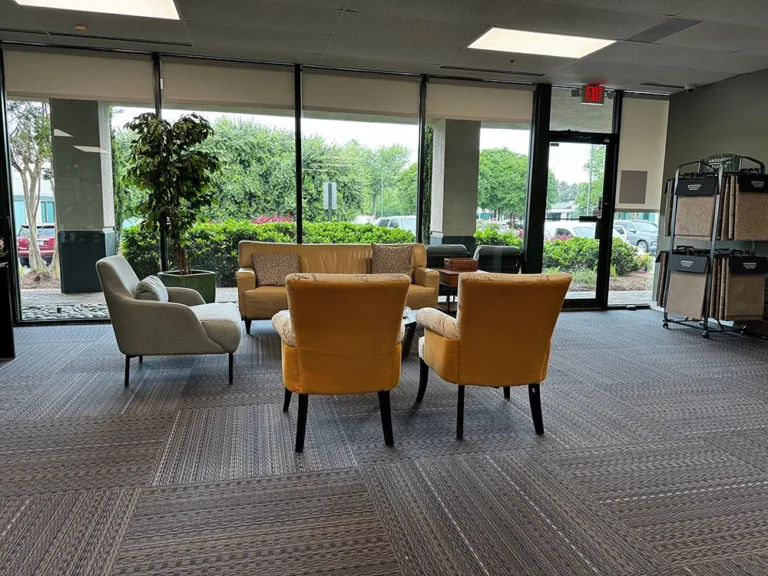
Modern interiors often prioritize efficiency and style, but they can sometimes feel disconnected from the natural world.
Biophilic design offers a different approach by intentionally incorporating natural elements into indoor spaces to support comfort, balance, and well-being. Bringing nature indoors through biophilic design can transform the atmosphere of a room while also supporting healthier living environments.
Natural light, organic materials, indoor plants, and nature-inspired textures help create spaces that feel calmer and more restorative. These design choices are especially valuable during interior restoration projects, where there is an opportunity to rethink how a space functions and how it affects the people who use it.
By blending natural elements with thoughtful design, biophilic interiors can improve mood, encourage relaxation, and create spaces that feel more connected to the environment outside.
How Biophilic Design Changes the Feel of a Space
What Are The Key Benefits Of Biophilic Design For Homes And Businesses?
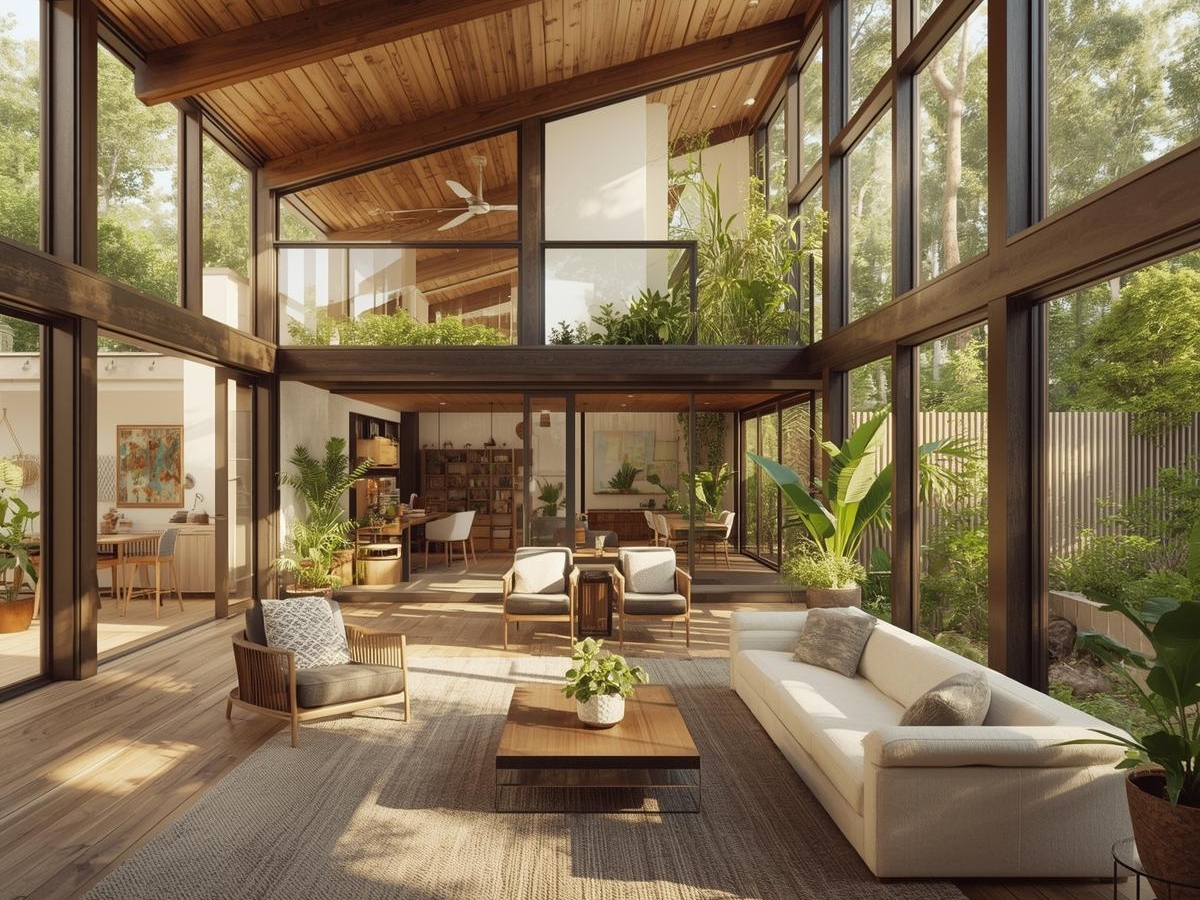
Biophilic design focuses on bringing elements of nature into built environments. This design approach recognizes that people tend to feel more comfortable and balanced when they remain connected to natural surroundings.
By integrating features such as plants, daylight, natural textures, and outdoor views, interior spaces can become more supportive of human health and daily well-being.
Both homes and workplaces can benefit from this approach. Residential spaces designed with nature in mind often feel calmer and more restorative.
In commercial environments, natural elements may support concentration and improve overall workplace satisfaction. Because of these effects, biophilic design is increasingly used in offices, healthcare spaces, schools, and homes.
Research in architecture and environmental psychology suggests that the presence of natural features can influence mood, productivity, and even physical comfort. When indoor environments mimic aspects of the natural world, people often report feeling less stressed and more engaged with their surroundings.
The Connection Between Nature And Human Well-Being
The idea behind biophilic design comes from the concept that humans naturally seek connections with nature. For most of human history, daily life occurred outdoors or in close contact with natural landscapes. Modern buildings, however, often separate people from those environments.
Design strategies that reintroduce natural features can help restore that connection. Interior architecture research has shown that integrating nature-based elements can support both psychological comfort and environmental sustainability.
In these spaces, natural materials, daylight, and views of greenery work together to create surroundings that feel more balanced and less artificial.
Studies examining biophilic design in interior architecture highlight its role in reconnecting people with natural environments.
By incorporating both direct elements, such as plants, and indirect elements, such as natural textures or patterns, interior spaces can create a stronger relationship between occupants and the natural world.
How Biophilic Design Supports Mental And Physical Wellness
A growing body of research shows that environments influenced by nature can support mental health. Exposure to greenery and natural light has been linked to lower stress levels and improved mood. When people spend time in spaces that incorporate biophilic design principles, they often report feeling calmer and more focused.
These environments may also encourage healthier daily habits. Spaces filled with natural light and fresh air tend to feel more inviting, which can motivate movement and activity throughout the day. Even subtle design elements, such as wood finishes or views of trees, can help reduce the mental fatigue associated with long hours spent indoors.
For businesses, these benefits can translate into improved productivity and better workplace morale. Employees who work in environments with natural features often experience greater job satisfaction and improved concentration.
The Role Of Indoor Plants In Natural Interior Spaces
Indoor plants are one of the most recognizable elements of biophilic design. Beyond their visual appeal, plants can contribute to a more comfortable indoor environment. They introduce color, texture, and organic forms that contrast with the rigid lines of many modern interiors.
Plants may also influence indoor air quality and humidity levels. Some studies suggest that plants can help reduce certain airborne particles while increasing moisture in the air. Although plants alone cannot replace proper ventilation, they can contribute to a more pleasant indoor atmosphere.
In homes, plants often serve as focal points that soften interior spaces. In offices and commercial buildings, they can help create areas that feel more welcoming and less sterile.
Why Natural Light Is Essential In Biophilic Spaces
Natural light is another central feature of biophilic design. Access to daylight influences how people feel and function throughout the day. Exposure to natural light helps regulate circadian rhythms, which control sleep cycles, alertness, and overall energy levels.
The human body responds to light in ways that support healthy biological rhythms. Research on circadian systems shows that light signals received through the eyes help synchronize internal biological clocks with the day and night cycle. When indoor environments allow sufficient daylight, these rhythms tend to remain more balanced.
In addition to its biological benefits, daylight also improves the visual quality of indoor spaces. Rooms that receive natural light often feel larger, brighter, and more comfortable than those lit entirely by artificial sources.
Creating Healthier Environments Through Nature-Inspired Design
Biophilic design offers a practical way to improve indoor environments without major structural changes. Simple adjustments such as adding plants, maximizing daylight, and using natural materials can significantly influence how a space feels and functions.
For homes, these changes can create calming spaces that support relaxation and daily living. For workplaces and commercial buildings, the same principles can help create environments that encourage focus and productivity.
As awareness of wellness-focused architecture continues to grow, biophilic design is likely to remain an important approach for shaping healthier indoor spaces. By reconnecting built environments with natural elements, designers can create interiors that support both human comfort and long-term sustainability.
Top Benefits of Biophilic Design in Homes and Businesses
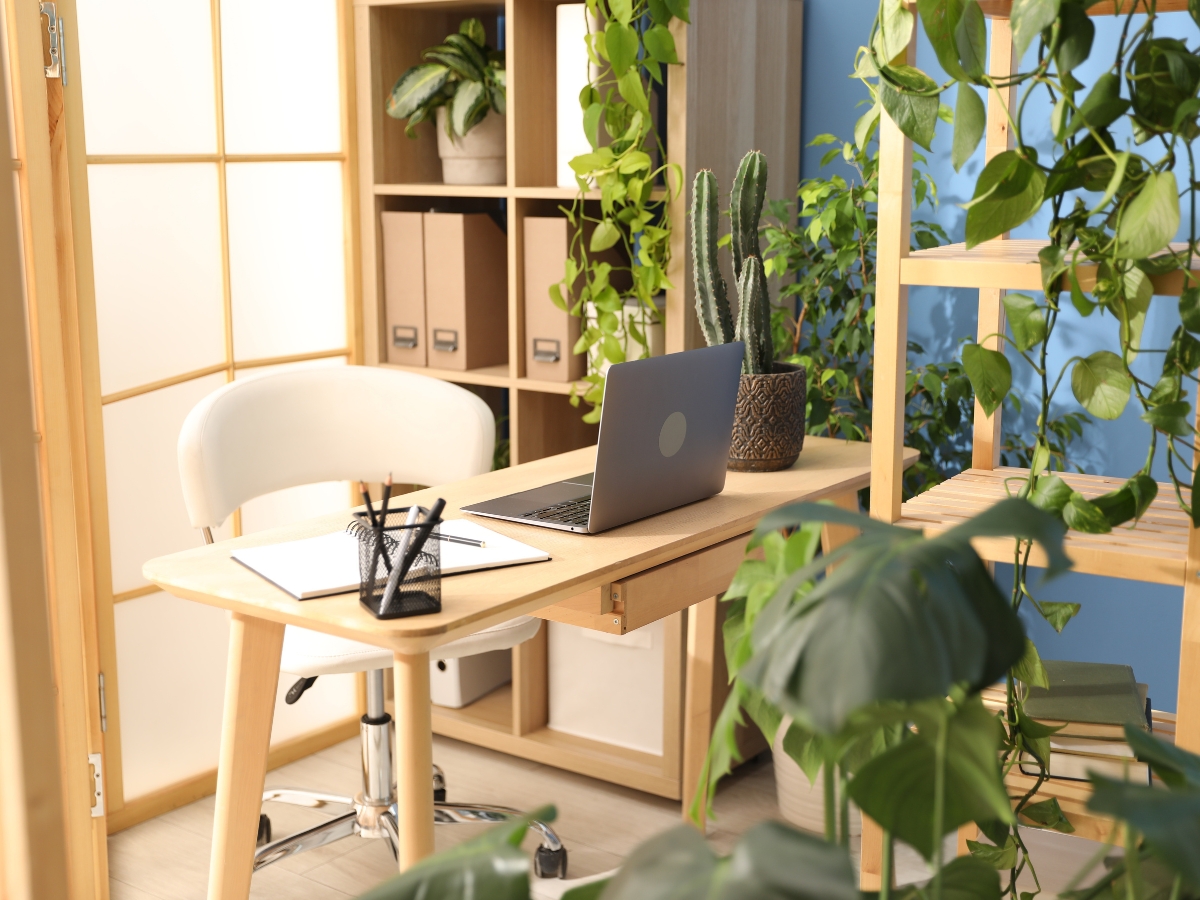
Spaces designed around natural elements require thoughtful materials and regular maintenance to remain comfortable and healthy.
Restoration and maintenance services can support these goals by helping homeowners and businesses preserve interior materials that reflect nature. Flooring work, carpet care, and material restoration all contribute to environments that align with the principles of biophilic design.
When natural materials are installed and maintained correctly, they help create interiors that feel balanced and connected to the outdoors.
Restoration services play a practical role in maintaining those materials so they continue to support both comfort and visual appeal. Clean surfaces, well-maintained flooring, and healthy indoor air conditions all contribute to the type of environment biophilic design aims to create.
Rather than focusing only on appearance, these services help protect the long-term health of indoor spaces. Regular care ensures that materials remain functional while continuing to support natural aesthetics.
How Flooring Installation Supports Natural Interior Spaces
Flooring plays a central role in shaping the character of an interior space. In environments inspired by nature, materials with organic textures and natural tones often help reinforce the goals of biophilic design. Wood, bamboo, and cork are commonly used because they introduce warmth and visual variation that synthetic materials sometimes lack.
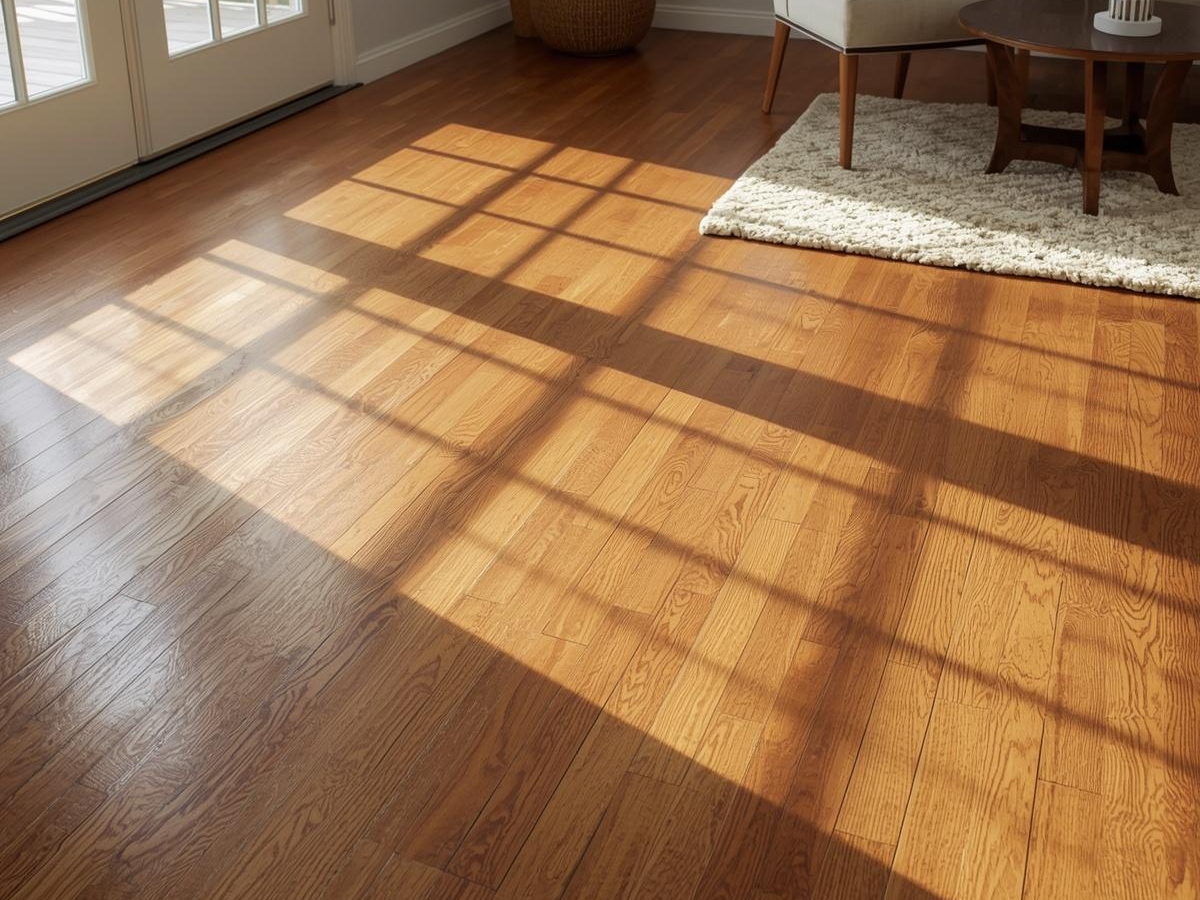
Natural wood flooring is often chosen for its durability and timeless appearance. The grain patterns found in wood create visual movement that reflects patterns seen in nature. This subtle connection can make indoor environments feel less artificial and more inviting.
Bamboo flooring is another option frequently used in interiors influenced by biophilic design. Bamboo grows quickly compared with many hardwood trees, which makes it a renewable material in many applications. In addition to sustainability, bamboo flooring provides strength and a distinctive appearance that complements modern and traditional interiors.
Cork flooring also supports nature-inspired design. Its soft texture and natural resilience create a comfortable walking surface while maintaining an organic appearance. Cork also has insulating qualities that may contribute to acoustic comfort within a room.
Selecting flooring materials with natural origins helps reinforce the visual and tactile experience that biophilic design encourages. When these surfaces are installed properly and maintained over time, they continue to support the natural character of the interior.
The Role Of Clean Flooring In Healthy Indoor Environments
Clean surfaces play an important role in maintaining indoor wellness. Floors and carpets can collect dust, pollen, and other airborne particles over time. When these materials are cleaned regularly, indoor air quality often improves, which supports the wellness goals associated with biophilic design.
Carpet care is especially important in spaces that receive frequent use. Over time, carpets can trap particles that affect indoor comfort. Professional cleaning methods remove debris that standard household cleaning may not fully address. When carpets remain clean, they contribute to a fresher indoor atmosphere.
Maintaining flooring surfaces also preserves their appearance. Natural flooring materials such as wood or cork benefit from periodic maintenance to protect their surface and keep them looking consistent with the rest of the interior design. Clean, well-maintained floors reinforce the natural qualities that biophilic design relies on.
Maintaining Natural Materials Over Time
Natural materials often require routine care to maintain their appearance and performance. Regular inspections, cleaning, and minor repairs help ensure that these materials continue to function as intended. This type of upkeep supports the long-term success of interiors designed around nature-based principles.
Restoration services often address small issues before they become larger problems. Minor floor repairs, surface refinishing, or deep cleaning can extend the life of interior materials. By maintaining these features, homeowners and building managers preserve the natural atmosphere that biophilic design aims to achieve.
This approach also supports sustainability. Maintaining existing materials reduces the need for replacement and helps keep interiors functional for longer periods.
Creating Interiors That Reflect Natural Design Principles
Nature-inspired interiors rely on more than visual design alone. The materials used in the space and the way they are maintained both influence how comfortable the environment feels. Clean flooring, natural materials, and consistent maintenance all help reinforce the connection between interior spaces and the natural world.
Biophilic design continues to gain attention because it emphasizes the relationship between people and their surroundings. When restoration and maintenance services support natural materials, they help preserve the qualities that make these spaces calming and welcoming.
By focusing on materials that reflect natural textures and maintaining them carefully, indoor environments can remain aligned with the principles of biophilic design. These practices help ensure that homes and workplaces continue to feel healthy, balanced, and connected to nature.
How Can Flooring And Carpet Solutions Create Sustainable, Eco-Friendly Interiors?
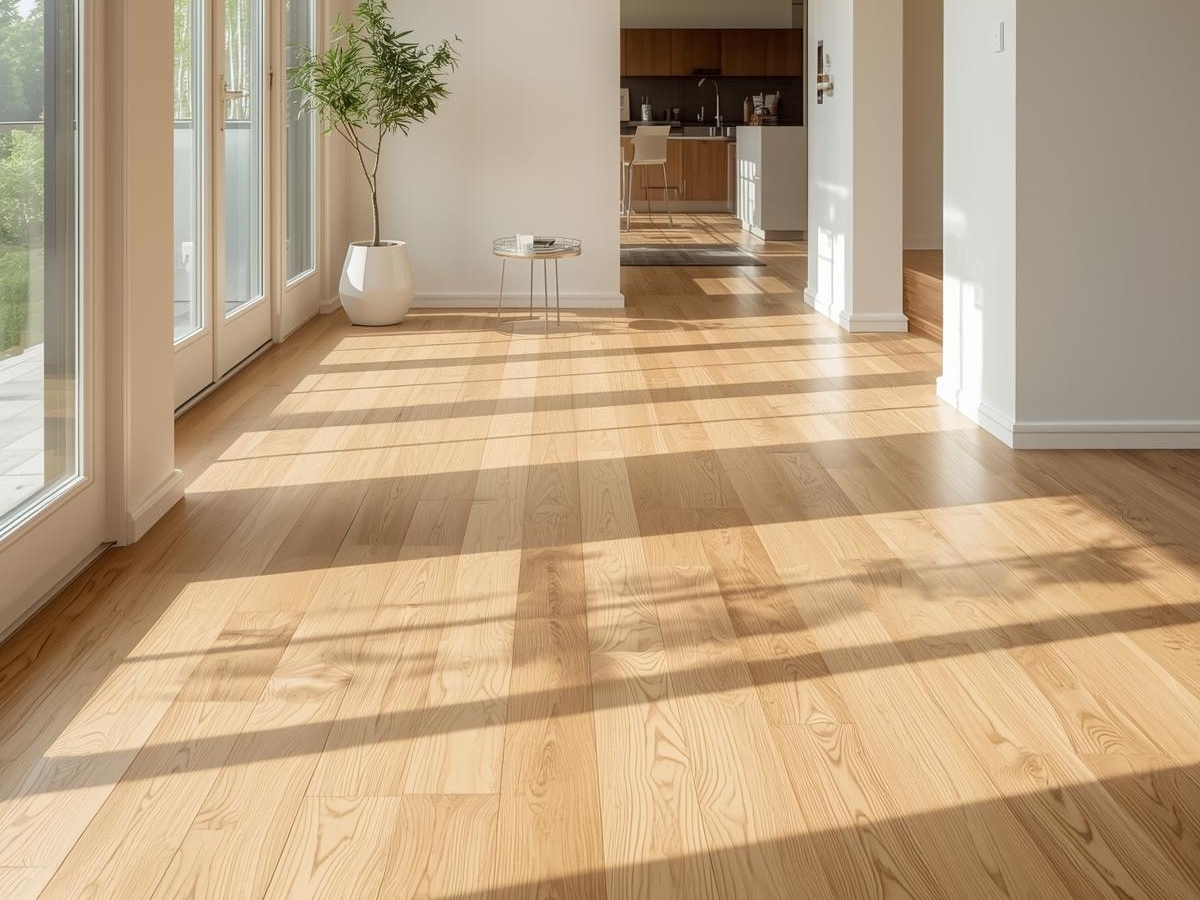
Interior spaces that prioritize sustainability often focus on both materials and maintenance. Flooring and carpet choices influence how a room looks, how comfortable it feels, and how environmentally responsible the space becomes over time. When carefully selected, these materials can support healthier indoor environments while reinforcing the principles of biophilic design.
Biophilic design encourages the use of materials that reflect the natural world. Flooring and textiles made from renewable or responsibly sourced resources help bring this concept into everyday interiors. Natural textures and organic patterns also contribute to spaces that feel warmer and more balanced.
Sustainable flooring and carpet solutions also reduce environmental impact. Materials that require fewer resources to produce, last longer, and can be maintained instead of being replaced often support more responsible building practices. In homes and workplaces alike, these choices can help create interiors that are both practical and aligned with the goals of biophilic design.
Natural Flooring Materials That Support Biophilic Design
Natural flooring materials are often used to strengthen the connection between interior environments and nature. Surfaces such as bamboo, cork, and reclaimed wood introduce organic textures and tones that reflect natural landscapes. These materials help create a visual connection to the outdoors while also supporting sustainability.
Several materials are commonly used in flooring that complement biophilic design:
- Bamboo flooring, known for its fast growth and renewable qualities
- Cork flooring, harvested from the bark of cork oak trees without harming the tree
- Reclaimed wood, which repurposes existing timber instead of requiring new harvesting
Bamboo flooring has become popular because it grows much faster than traditional hardwood trees. This makes it a renewable option in many applications. In addition to sustainability benefits, bamboo provides durability and a distinctive grain pattern that fits well in modern interiors.
Cork flooring offers a different set of advantages. Its natural elasticity creates a softer surface underfoot, which can make rooms feel more comfortable. Cork also has insulating qualities that may help regulate temperature and reduce noise. These features make it suitable for residential spaces as well as offices.
Reclaimed wood introduces history and character to an interior environment. Instead of using newly harvested timber, reclaimed wood repurposes materials from older structures. This approach reduces the demand for new resources while preserving the natural beauty of wood surfaces.
Together, these materials demonstrate how flooring choices can support the goals of biophilic design while also promoting sustainable building practices.
The Role Of Carpets in Eco-Friendly Interior Design
Carpets also play an important role in shaping the atmosphere of an interior space. When produced responsibly and maintained well, carpet solutions can support both comfort and sustainability. Many modern carpets are made from natural fibers or recycled materials, which helps reduce environmental impact.
Natural fiber carpets made from materials such as wool often align well with biophilic design principles. Wool is renewable, biodegradable, and durable. It also offers natural insulation and comfort, making it suitable for living areas and workspaces.
Recycled carpet fibers are another option for environmentally conscious interiors. These materials help reduce waste by repurposing existing resources into new flooring products. When properly maintained, recycled carpets can provide both durability and visual appeal.
In addition to material choice, carpet maintenance also affects sustainability. Regular cleaning and upkeep extend the life of carpet materials, reducing the need for early replacement. This approach supports the long-term environmental goals associated with biophilic design.
How Eco-Friendly Decor Complements Sustainable Flooring
Sustainable flooring often works best when paired with other environmentally conscious design choices. Natural fabrics, recycled materials, and low-toxicity finishes help reinforce the overall concept of nature-inspired interiors.
Decor elements that complement these spaces may include:
- Curtains made from organic cotton or linen
- Furniture crafted from responsibly sourced wood
- Finishes and paints that contain fewer synthetic chemicals
Natural textiles contribute softness and visual balance to interior spaces. Materials such as linen and organic cotton also allow airflow and avoid some of the synthetic coatings used in conventional fabrics.
When these design elements are combined with natural flooring, the result is an interior environment that feels cohesive and connected to nature. This layered approach strengthens the influence of biophilic design while maintaining practicality.
Building Sustainable Spaces Through Material Choices
Sustainable interiors are often created through a combination of thoughtful materials and careful maintenance. Flooring, carpets, and decor choices all influence how a space functions over time. When natural materials are chosen and maintained responsibly, they can support healthier indoor environments and reduce environmental impact.
Biophilic design encourages designers and property owners to consider how natural elements influence comfort and well-being. Flooring made from renewable materials, carpets produced with recycled fibers, and decor that emphasizes natural textures all contribute to this goal.
By focusing on sustainable materials and responsible maintenance, interiors can remain functional and visually appealing for years. These choices help ensure that spaces designed around biophilic design principles continue to support both environmental responsibility and everyday comfort.
What Are Effective Strategies For Installing Green Walls And Maximizing Natural Light?
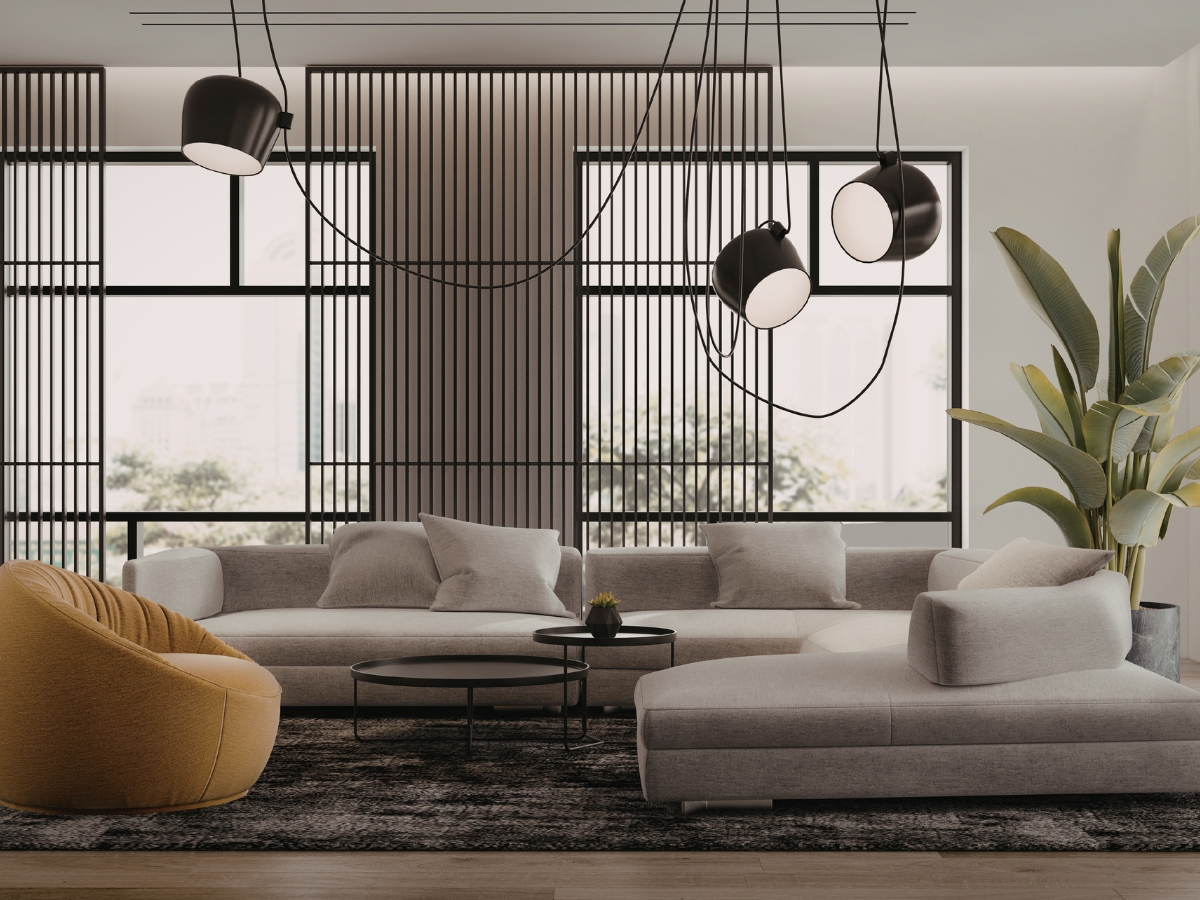
Integrating plants and daylight into interior spaces is a practical way to strengthen the impact of biophilic design. These elements help create environments that feel more open, comfortable, and connected to nature.
Green walls and natural light are two widely used strategies that support these goals while improving the overall experience of a space.
Green walls, also known as vertical gardens, introduce living plants directly into interior architecture. They bring visual interest while supporting healthier indoor environments. Natural light complements these installations by brightening spaces and reinforcing the sense of openness that biophilic design encourages.
When used together, plants and daylight create interiors that feel less artificial and more in harmony with the natural world. Homes, offices, and commercial environments can all benefit from these features when they are thoughtfully planned and maintained.
How Green Walls Improve Indoor Air Quality
Green walls add more than visual appeal to interior spaces. Plants interact with the surrounding air in ways that can contribute to healthier indoor conditions. Through natural biological processes, plants absorb carbon dioxide and release oxygen. This exchange can help maintain balanced indoor air conditions.
Plants may also interact with certain airborne particles found in indoor environments. Research exploring plant-based air filtration suggests that vegetation can assist in reducing some indoor pollutants when incorporated into building systems.
While plants should not replace proper ventilation, they can contribute to improved indoor air quality as part of a broader environmental strategy.
Green walls also influence other aspects of interior comfort. The presence of plant surfaces can help soften noise within a room. This effect can be useful in busy environments such as offices, where sound often reflects off hard surfaces.
In addition to air and acoustic benefits, green walls can contribute to thermal balance. Plant layers and soil systems may help regulate temperature slightly by absorbing heat and providing insulation. These combined effects make vertical plant installations a valuable feature within biophilic design.
Planning And Installing Interior Green Walls
Successful green wall installations require thoughtful planning. Plants must be selected based on light availability, humidity levels, and maintenance requirements. Choosing species that adapt well to indoor environments helps ensure that the wall remains healthy over time.
Common considerations for green wall systems include:
- Selecting plant species suited to indoor conditions
- Ensuring adequate irrigation and drainage systems
- Providing consistent access to natural or artificial light
Plants that tolerate lower light levels are often used in interior green walls, especially in spaces where sunlight is limited. Proper irrigation systems are also essential. Many installations use built-in watering systems that distribute moisture evenly across the plant wall.
Maintenance is another important factor. Regular inspection and care help ensure that plants remain healthy and visually appealing. When properly maintained, green walls can remain a long-lasting feature that supports the goals of biophilic design.
Maximizing Natural Light In Interior Design
Natural light is another key element that strengthens the influence of biophilic design. Daylight changes throughout the day and helps create a dynamic environment that feels closer to outdoor conditions. Access to sunlight also plays a role in regulating biological rhythms that influence sleep and energy levels.
Several design techniques can help increase the presence of daylight within a space:
- Positioning windows to allow sunlight to reach deeper into rooms
- Using reflective surfaces to distribute light more evenly
- Selecting lighter interior colors that bounce light across walls and ceilings
Mirrors are often used to reflect sunlight further into interior spaces. When placed opposite or near windows, mirrors can help distribute light into darker areas of a room. This technique allows daylight to reach parts of the interior that might otherwise remain shaded.
Light colored walls and finishes can also support brighter interiors. Surfaces that reflect light help spread illumination throughout the space rather than absorbing it.
Combining Plants And Daylight For Natural Interiors
The combination of greenery and natural light strengthens the overall impact of biophilic design. Plants thrive when they receive sufficient light, and spaces with daylight often feel more welcoming when paired with living vegetation.
Interior environments that include both elements often feel more balanced and comfortable. Offices, residential spaces, and public buildings increasingly incorporate these features because they help create environments that support well-being and productivity.
By carefully planning green walls and maximizing natural light, interior designers can create spaces that reflect the natural world while remaining practical for daily use. These strategies demonstrate how biophilic design can transform indoor environments into healthier and more engaging places to live and work.
How Can Homeowners And Businesses Plan Projects That Support Biophilic Design?

Improving an interior space with natural elements usually begins with planning. Homeowners and businesses interested in nature-inspired interiors often start by identifying areas where materials, lighting, and layout can better reflect the principles of biophilic design. Careful preparation helps ensure that updates support both comfort and sustainability.
Projects that incorporate biophilic design often focus on features such as natural flooring materials, improved lighting, and healthier indoor environments. These updates can range from replacing flooring with natural materials to improving maintenance practices that support cleaner and more balanced interior spaces.
Before beginning any project, it is helpful to review the goals of the space. Some environments focus on improving comfort and relaxation, while others aim to support productivity and workplace wellness. Identifying the purpose of the space helps guide decisions about materials, layout, and maintenance.
Planning Natural Flooring Installation Projects
Natural flooring is a common feature in spaces influenced by biophilic design. Materials such as wood, bamboo, or cork introduce organic textures that reflect the natural environment. When planning a flooring installation project, several practical steps help ensure that the final result aligns with the design goals.
Preparing for flooring installation often involves gathering information about the space. Important details may include:
- The dimensions and layout of the room
- The type of flooring material being considered
- Existing flooring conditions and subfloor structure
These factors help determine the best material for the environment. For example, bamboo flooring is often chosen for its renewable qualities and durability, while cork flooring offers a softer surface that may help reduce noise and provide additional comfort underfoot.
A thoughtful planning stage also helps ensure that the materials selected remain consistent with the principles of biophilic design. Natural textures, neutral tones, and durable surfaces often work best when creating interiors that emphasize a connection to nature.
Maintaining Interior Materials for Long-Term Results
Maintenance plays an important role in keeping nature-inspired interiors functional and visually appealing. Flooring, carpets, and natural materials all benefit from consistent care. When these surfaces are maintained properly, they continue to support the atmosphere that biophilic design seeks to create.
Carpet maintenance is particularly important in high-traffic areas. Over time, carpets can collect dust, pollen, and other airborne particles. Regular cleaning helps remove this buildup and can improve overall indoor air quality.
Flooring surfaces also benefit from routine inspections and cleaning. Natural materials such as wood or cork may require periodic maintenance to preserve their appearance and durability. These steps help extend the lifespan of the materials while maintaining the natural aesthetic.
Maintaining interior materials not only preserves appearance but also supports healthier indoor environments. Clean surfaces and well-maintained materials contribute to the wellness-focused goals that often guide biophilic design projects.
Improving Interior Environments Through Natural Materials
Interior improvements that follow the principles of biophilic design often emphasize the use of natural materials throughout the space. Flooring, textiles, and finishes can all influence how a room feels and functions.
Designers often consider several factors when selecting materials:
- Durability and long-term performance
- Natural appearance and texture
- Compatibility with other elements in the room
Natural wood, plant elements, and organic fabrics are commonly used because they help create interiors that feel balanced and welcoming. These materials introduce subtle variations in color and texture that reflect patterns found in nature.
When combined with thoughtful lighting and layout decisions, these elements contribute to a space that feels comfortable without relying on overly complex design features.
Creating a Long-Term Approach To Biophilic Design
Spaces designed with nature in mind often benefit from ongoing care and gradual improvements. Instead of making all changes at once, many homeowners and businesses update materials over time as part of a broader design strategy.
This gradual approach allows each update to support the overall goal of creating healthier indoor environments. Flooring updates, improved lighting, and better maintenance practices can all contribute to spaces that feel more connected to the natural world.
Biophilic design continues to gain attention because it offers practical ways to improve everyday environments. By focusing on natural materials, proper maintenance, and thoughtful planning, interior spaces can become more comfortable and sustainable while still remaining functional for daily use.
Conclusion
Embracing biophilic design principles in your home creates a profound connection to nature that nurtures well-being, reduces stress, and enhances your daily living experience.
From natural materials and abundant greenery to maximizing natural light, thoughtful integration of the outdoors brings warmth and vitality to every space.
For expert guidance in transforming your home with designs that honor this connection, trust Restor-It, Inc. Ready to bring the restorative power of nature indoors? Call (678) 355-6645 or visit our website for a free quote today. Let us help you create a home that nourishes your spirit and celebrates the beauty of the natural world.