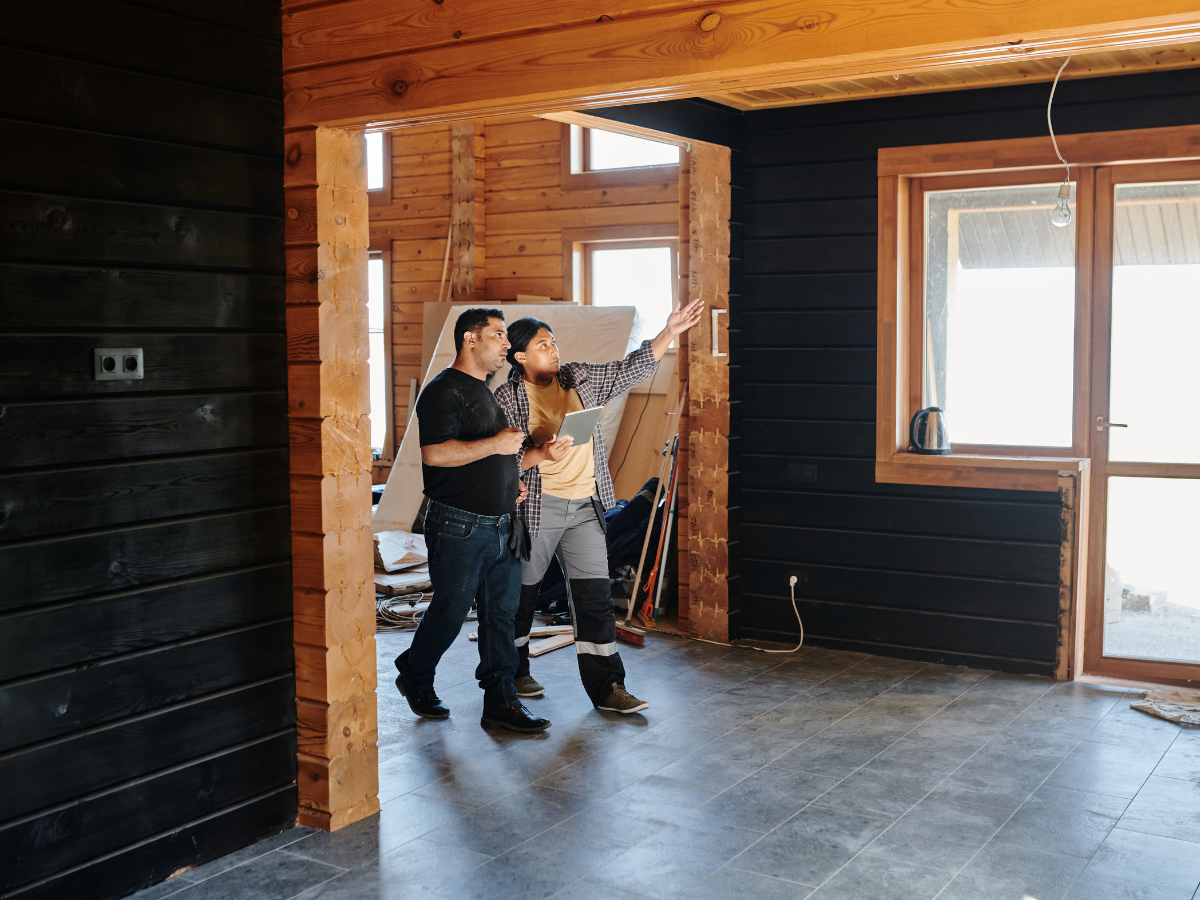
Squeaky floors might seem like a minor annoyance, but they can quickly become impossible to ignore. That sharp creak with every step is often a sign of movement between floorboards, loose fasteners, or changes in humidity affecting the materials. Knowing how to fix squeaky floors can help you restore quiet, stability, and confidence in your home’s structure.
The good news is that many squeaks can be addressed without major renovations. Identifying the source of the noise is the first step, whether it’s coming from hardwood, subflooring, or joists beneath the surface. Once you understand the cause, targeted fixes can eliminate the problem at its source.
With the right approach, you can quiet noisy floors and prevent the issue from returning over time.
Fix Squeaky Floors and Restore Quiet in Your Home
What Causes Squeaky Floors And How To Identify Floor Joist Noise
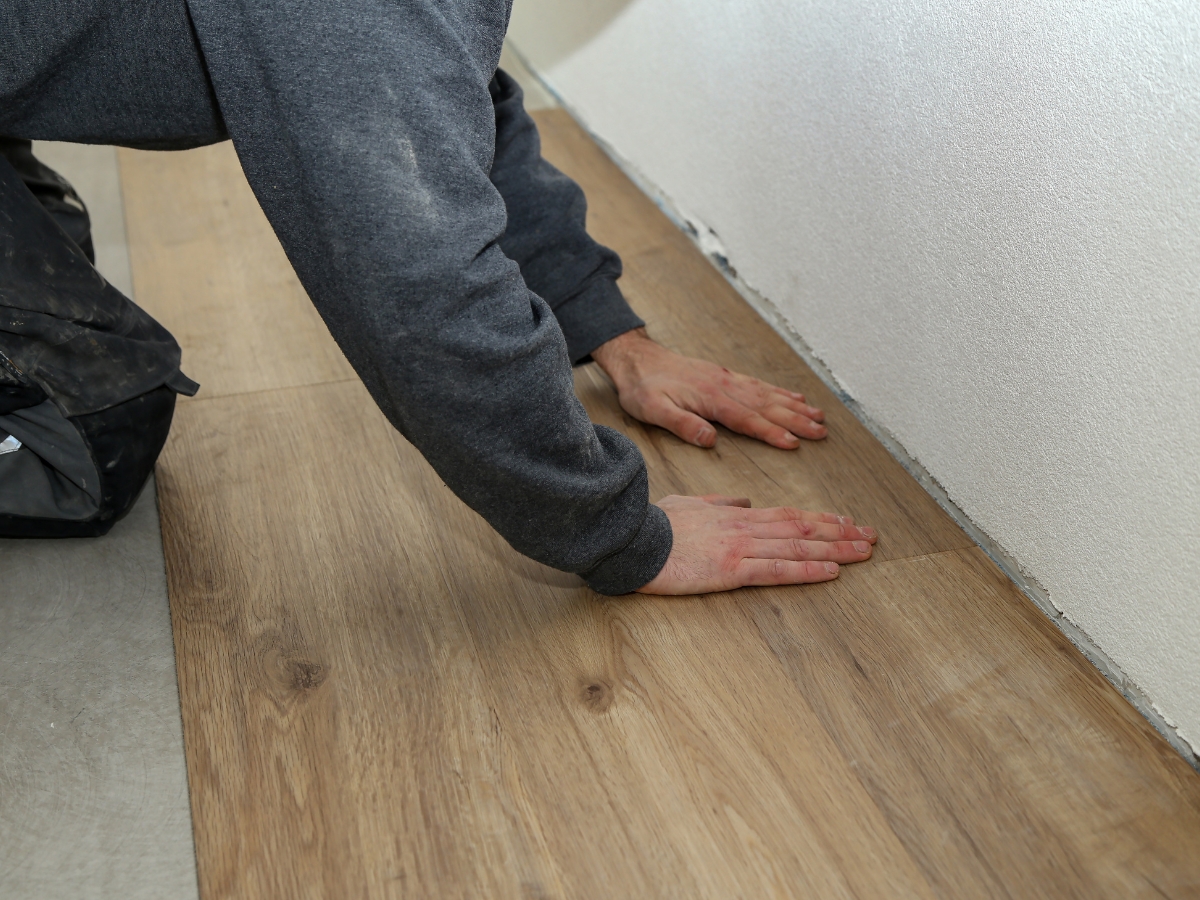
Squeaky floors are a common issue in both older and newer homes, and they usually point to movement within the flooring system.
If you are trying to fix squeaky floors, it helps to understand that the noise often comes from friction between materials that should be tightly secured. Floorboards, subfloor panels, and joists all need to stay aligned, and when they shift even slightly, they can create that familiar creaking sound.
In many cases, the noise develops gradually. Changes in humidity, temperature, and daily foot traffic can cause materials to expand, contract, or loosen over time.
This movement may not be visible at first, but the sound is often the earliest sign that something needs attention. Identifying where the sound is coming from is the first step toward finding a lasting solution.
Which Structural Issues Lead To Floorboard Squeaks
Several structural issues can contribute to squeaks, and most of them relate to how securely the flooring components are connected. One of the most common causes is loose floorboards.
As nails or fasteners shift or wear down, boards can move slightly when stepped on, creating friction against the subfloor or neighboring boards.
Improper installation can also play a role. If the flooring was not fastened evenly or did not sit flush against the joists from the start, small gaps can develop. Over time, these gaps allow movement, which leads to noise. Even well-installed floors can begin to squeak as materials age, especially in high-traffic areas where repeated pressure weakens the connections.
Natural wear is another factor to consider. Wood flooring, in particular, responds to environmental changes. As it expands and contracts, it may pull away from fasteners or rub against other surfaces. This is why some squeaks appear during certain seasons and then fade, only to return later.
Understanding these patterns can make it easier to fix squeaky floors in a way that addresses the root cause rather than just the symptom.
How To Detect Subfloor Problems Causing Floor Noise
Pinpointing the exact source of a squeak takes a bit of observation. Start by walking slowly across the floor and noting where the noise is most noticeable. It often helps to have someone else listen while you move, since sound can travel and seem like it is coming from a different spot.
A visual inspection can also reveal useful clues. Look for slight gaps between boards, uneven surfaces, or areas where the flooring feels less stable underfoot. These signs may indicate that the subfloor or joists beneath are not providing consistent support.
If you want a clearer sense of what is happening below the surface, consider checking from underneath if there is access through a basement or crawl space.
This can reveal loose fasteners, gaps between the subfloor and joists, or sections where movement is more pronounced. These are all key areas to address when working to fix squeaky floors.
When To Take A Closer Look At Structural Movement
Not every squeak signals a major problem, but consistent or worsening noise is worth investigating further. If the sound becomes louder, spreads to multiple areas, or is accompanied by visible shifting, it may point to a deeper structural issue.
Taking the time to identify the cause before making repairs leads to better results. Whether the issue is a loose board, a gap in the subfloor, or movement along the joists, understanding the source helps ensure that efforts to fix squeaky floors are effective and long-lasting.
What Are The Best Floorboard Tightening Methods To Eliminate Squeaks
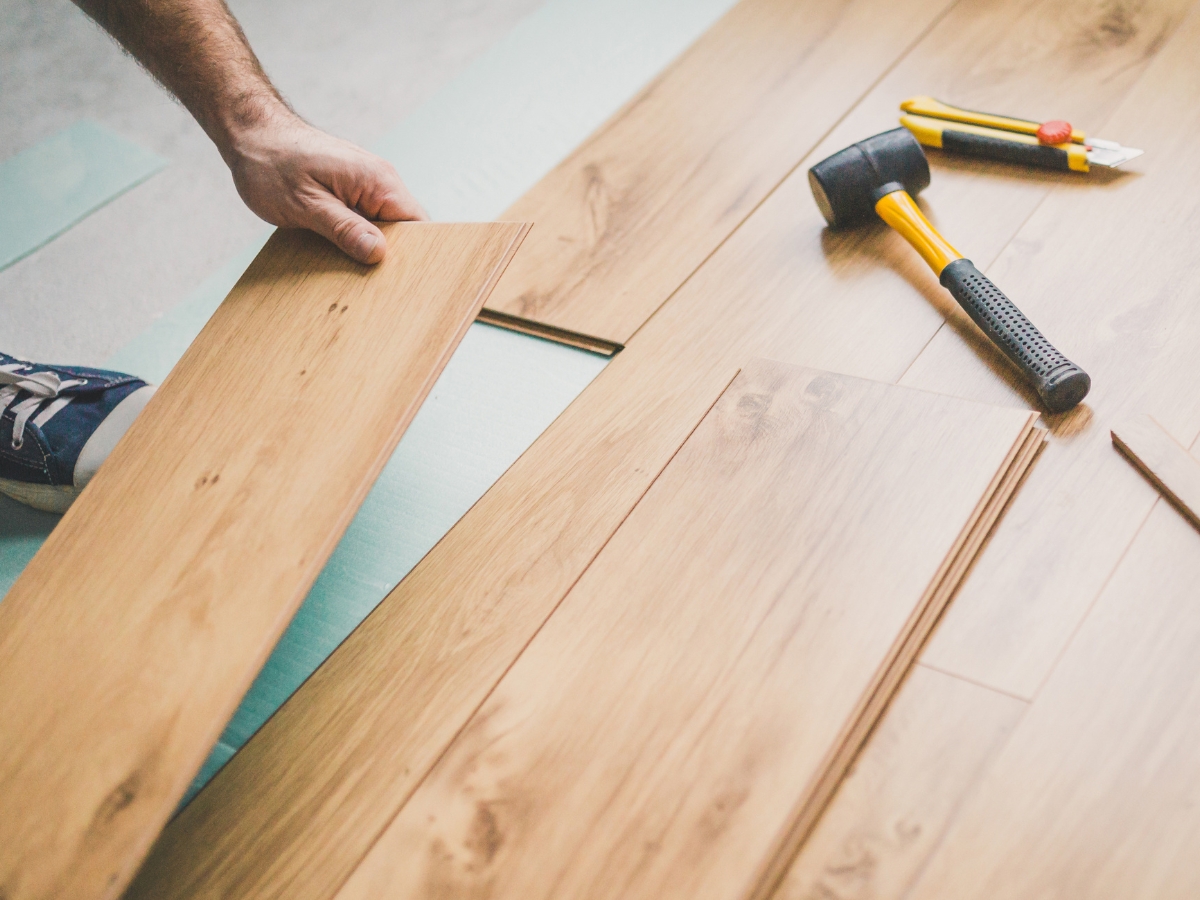
If you want to fix squeaky floors, the most effective approach is to focus on tightening the connection between the floorboards, subfloor, and joists. Squeaks usually come from small movements that create friction, so the goal is to eliminate that movement as much as possible.
Floorboard tightening methods are practical because they address the source of the problem instead of masking the sound. Whether you are dealing with a single noisy spot or several areas across a room, using the right techniques can restore stability and reduce noise without replacing the entire floor.
How To Use Screws And Nails For Floor Squeak Repair
One of the most reliable ways to fix squeaky floors is by securing loose boards with screws or nails. This method works by pulling the flooring tightly against the joists, which limits movement and stops the friction that causes noise.
Start by locating the exact area where the squeak occurs. Walking slowly across the floor and applying pressure can help pinpoint the problem.
Once you have identified the spot, choose fasteners that match your flooring type. Wood screws are often preferred because they provide a stronger hold over time, while finishing nails can still work well in lighter applications.
Drive the fasteners through the floorboard and into the joist below. If you are using screws, make sure they are long enough to anchor securely without damaging anything beneath the surface. For nails, a slight angle can help improve grip and reduce the chance of loosening later on.
This method is effective because it reinforces the connection between layers of the floor. When done carefully, it can significantly reduce noise and improve the overall feel underfoot. It is also one of the more accessible options for homeowners looking to fix squeaky floors without extensive tools or experience.
What Are Effective Shimming Techniques For Floor Joist Noise Fix
Shimming is another practical way to deal with squeaks, especially when the issue comes from gaps between the subfloor and the joists. These gaps allow movement, which leads to noise when weight is applied.
To begin, identify where the gap exists. If you have access to the space below the floor, such as a basement or crawl space, this process becomes much easier. Look for areas where the subfloor does not sit tightly against the joist.
Once you locate the gap, gently insert a shim into the space. Wood or composite shims both work well, as long as they fit snugly without forcing the structure out of alignment. The goal is to close the gap, not to push the materials apart. After placing the shim, check the floor above to see if the noise has improved.
Shimming can be especially useful when fasteners alone are not enough. It adds support from below, which helps stabilize the flooring system and reduces the chances of future movement. When combined with other tightening methods, it creates a more complete solution for anyone trying to fix squeaky floors.
Combining Methods for Long-Lasting Results
In many cases, the best results come from using more than one technique. Screws or nails can secure loose boards from above, while shims provide added support from below. Together, these methods address both movement and structural gaps.
Taking the time to assess the cause of the squeak before making repairs will always lead to better outcomes. By focusing on stability and proper support, you can fix squeaky floors in a way that lasts and improves the comfort of your home.
When Should You Choose DIY Floor Repair Vs. Hiring Professional Services
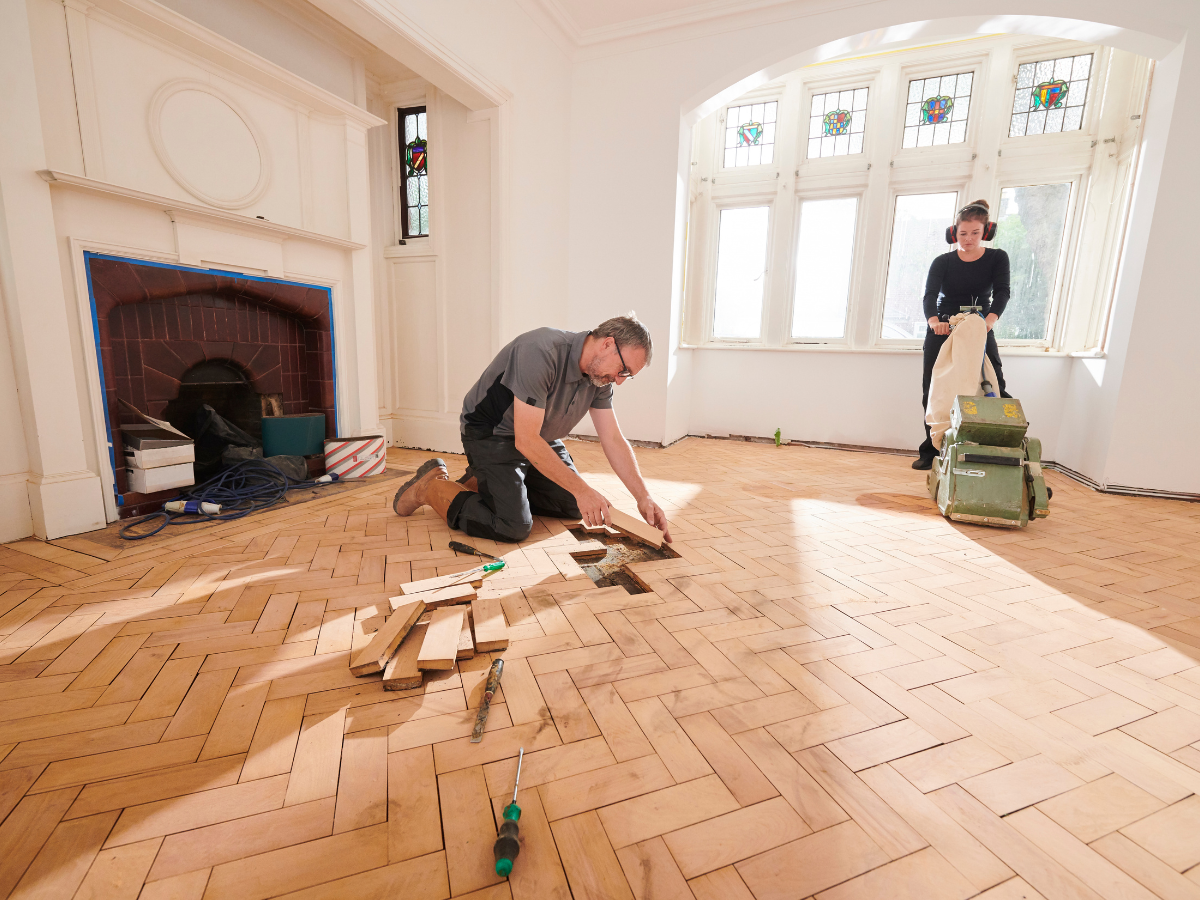
Deciding whether to handle repairs yourself or bring in professional services often comes down to the scope of the problem and your level of comfort with basic tools. If your goal is to fix squeaky floors, some situations are simple enough to manage on your own, while others require a more careful, experienced approach.
Squeaks caused by minor movement or loose boards are usually manageable with straightforward fixes. However, when the issue involves deeper structural concerns, such as uneven subfloors or shifting joists, it becomes more important to weigh the risks of trial and error against the benefits of a professional repair.
Understanding where your situation falls on that spectrum can help you avoid unnecessary frustration and ensure the repair lasts.
What Floor Repair Tasks Can Homeowners Safely Perform
Many homeowners can fix squeaky floors on their own when the issue is limited and easy to access. Tasks like tightening loose boards or reinforcing small gaps do not require specialized equipment, just patience and attention to detail.
Simple repairs often include securing boards with screws, adding support where needed, and inspecting the floor for visible signs of wear. These steps can make a noticeable difference, especially in areas where the squeak is isolated to one or two spots.
DIY repairs also give you a chance to better understand how your flooring system works. As you inspect and adjust different areas, you may start to recognize patterns in how and where the noise occurs. This can help you prevent future issues before they develop.
That said, it is important to stay within your comfort level. If a repair starts to involve cutting into flooring, working in tight crawl spaces, or dealing with uneven structural elements, it may be time to reconsider whether continuing on your own is the best option.
When Professional Help Makes More Sense
There are situations where hiring a professional is the more practical choice. If the squeaks are widespread, persistent, or tied to structural movement, a trained eye can identify underlying problems that are not immediately visible.
Professionals bring experience that goes beyond surface-level fixes. They can assess whether the issue is related to joist spacing, subfloor integrity, or long-term wear that requires more than a simple adjustment. This level of insight is especially helpful when trying to fix squeaky floors that keep returning after temporary repairs.
Working with a company such as Restor-It can also provide reassurance that the job is handled correctly. Instead of addressing symptoms, professionals focus on stabilizing the entire flooring system, which helps prevent the same issue from coming back later.
Another factor to consider is time. What might take a homeowner several attempts to diagnose and fix can often be resolved more efficiently by someone with the right tools and experience.
Finding The Right Balance Between DIY And Professional Repair
In many homes, the best approach is a combination of both. You might start with simple fixes, such as tightening boards or checking for gaps, and then monitor the results. If the noise improves, you may not need further intervention. If it persists, you will have a clearer understanding of the issue when consulting a professional.
Choosing how to fix squeaky floors is not just about saving money or time. It is about making sure the solution is appropriate for the problem. By starting with a careful assessment and being realistic about your skill level, you can decide when a DIY approach is enough and when it is worth bringing in expert help.
Which Noise Reduction Solutions Work Best For Wood Floor Squeaks
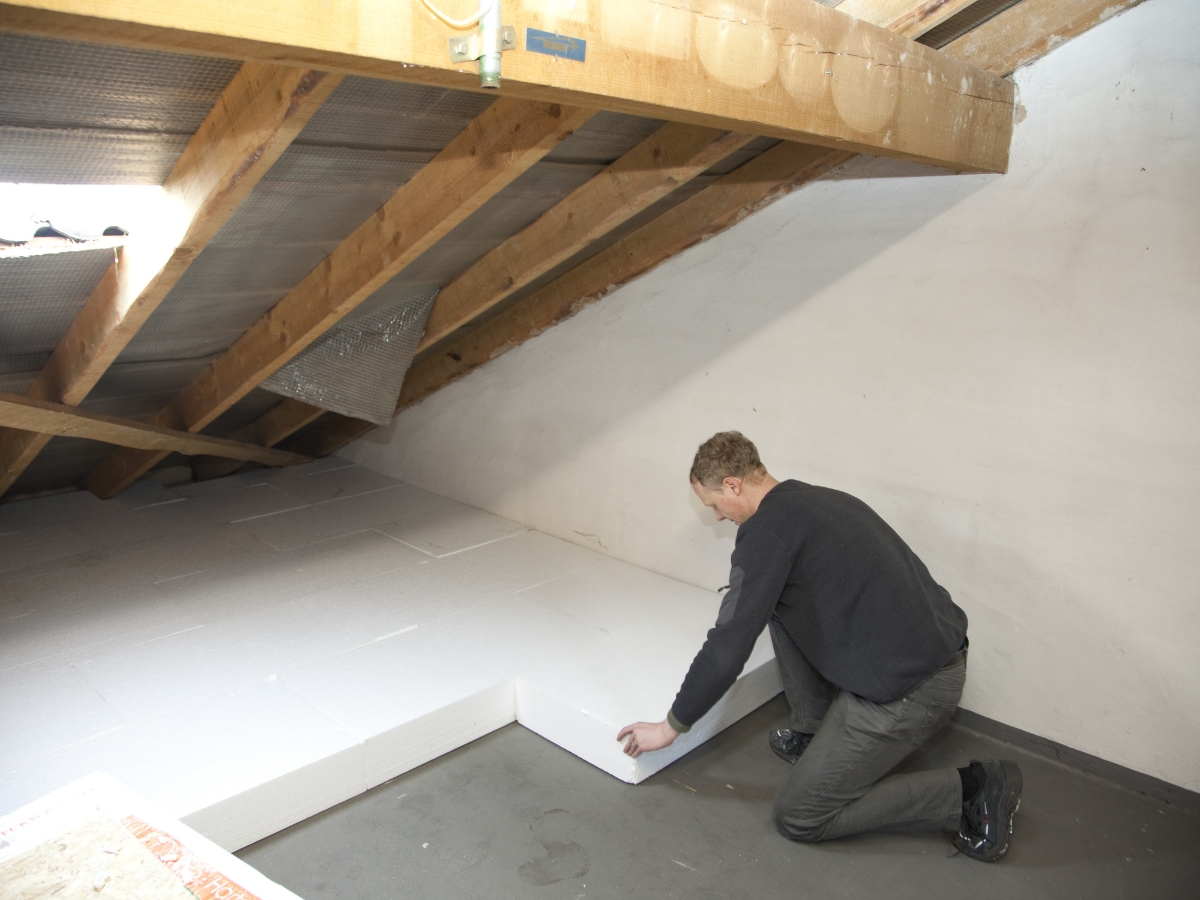
When trying to fix squeaky floors, repair methods are often the first step, but they are not the only option. Noise reduction solutions can also play an important role, especially in homes where some level of movement is unavoidable. These approaches focus on limiting how sound travels through the floor while improving overall comfort underfoot.
Wood flooring naturally expands and contracts, so even after tightening boards or reinforcing joints, some minor movement may remain.
That is where sound-dampening techniques come in. By combining structural fixes with materials designed to absorb vibration, you can create a quieter and more stable floor over time.
How Do Floor Repair Techniques Reduce Acoustic Floor Noise
Most squeaks come from friction between components that should remain still. When you fix squeaky floors by tightening connections, you reduce that friction at the source. Securing loose boards, reinforcing joists, and closing gaps all help limit the movement that creates noise.
These repairs also improve how sound travels through the floor. A stable surface does not just eliminate squeaks; it reduces the hollow or echoing effect that can make footsteps louder. As the structure becomes more solid, vibrations are less likely to travel across the room or into other areas of the home.
Another important factor is consistency. When the floor is evenly supported, weight is distributed more smoothly. This reduces stress on individual boards and lowers the chance of new squeaks forming. Over time, this kind of stability helps maintain both comfort and quiet.
What Materials Help Minimize Floorboard Noise
In some cases, adding the right materials can make a noticeable difference, especially when repairs alone do not fully resolve the issue. These materials work by absorbing sound and reducing the impact of movement.
A few commonly used options include:
- Acoustic underlayment, which sits beneath flooring to absorb vibration and reduce sound transfer
- Cork or rubber layers, which provide cushioning and help dampen footstep noise
- Area rugs with dense padding, which soften impact and reduce surface-level noise
These additions are especially useful in multi-level homes where sound can travel between floors. Even small adjustments, such as placing rugs in high-traffic areas, can improve how the space feels and sounds.
How Adhesives And Installation Choices Affect Noise Levels
Another factor that is often overlooked is how flooring is secured during installation. Adhesives can play a key role in helping fix squeaky floors by bonding materials more firmly together. When boards are properly adhered, there is less opportunity for shifting or rubbing.
Using quality construction adhesive between the subfloor and joists, or beneath certain flooring types, can add an extra layer of stability. This does not replace mechanical fasteners, but it complements them by reducing subtle movement that might otherwise go unnoticed until it creates noise.
Installation techniques also matter. Floors that are evenly spaced, properly aligned, and well supported are less likely to develop squeaks in the first place. Paying attention to these details, whether during initial installation or repair, can help maintain long-term performance.
Combining Repair And Sound Reduction For Better Results
The most effective way to fix squeaky floors is often a combination of tightening methods and sound reduction strategies. Repairs address the root cause, while materials and installation choices help control how sound behaves in the space.
By approaching the problem from both angles, you create a more complete solution. The result is not just a quieter floor, but one that feels more solid and comfortable with everyday use.
How To Estimate Cost And Schedule Floor Repair Services Efficiently

If you are planning to fix squeaky floors, understanding the cost and timing involved can make the process much easier to manage.
While repairs are often straightforward, pricing can vary depending on the condition of the floor and how much work is required. Taking time to assess the situation early helps you avoid surprises and plan the work more efficiently.
A clear estimate usually starts with identifying the source of the noise. Minor squeaks caused by loose boards will typically cost less to repair than issues tied to subfloor gaps or joist movement. The more precise you are about the problem, the easier it becomes to get an accurate idea of both cost and timeline.
What Factors Influence Floor Squeak Repair Pricing
Several key factors affect how much it will cost to fix squeaky floors. Labor is often the largest component, especially if the repair requires accessing areas beneath the flooring or working around finished surfaces. Simpler repairs, such as tightening boards from above, tend to be quicker and more affordable.
Material choice also plays a role. Basic fasteners like screws and nails are inexpensive, but additional materials such as shims, underlayment, or adhesives can increase the overall cost. These materials are often necessary when the issue goes beyond a loose board and involves structural support.
The extent of the problem is another important consideration. A single squeak in one area is very different from widespread noise across an entire room.
Larger repairs require more time, more materials, and sometimes multiple steps to resolve. In those cases, the goal is not just to fix squeaky floors temporarily, but to improve stability so the issue does not return.
Access can also affect pricing. If the repair can be done from below through a basement or crawl space, it may allow for more direct fixes. If not, the work may need to be done from above, which can involve additional care to protect the finished flooring.
How To Request A Quote And Plan Your Timeline
Getting a quote usually starts with a basic description of the issue. The more detail you can provide, the more accurate the estimate will be. It helps to note where the squeaks occur, how long they have been present, and whether they have changed over time.
Most professionals will follow a simple process:
- Review the problem based on your description
- Inspect the area in person if needed
- Recommend a repair approach based on the cause
- Provide a cost range and estimated timeline
Working with a company such as Restor-It can simplify this process, since experienced teams are familiar with common causes and solutions. They can often identify whether the issue is isolated or part of a larger structural concern, which helps shape both the cost and the repair plan.
Scheduling is usually flexible for smaller repairs, but more involved work may require additional planning. It is a good idea to choose a time when the area can remain undisturbed, especially if multiple steps are needed to fix squeaky floors properly.
Planning For Efficient And Lasting Repairs
Efficiency comes from preparation. Before scheduling work, clear the area, make note of problem spots, and decide whether you want a quick fix or a more permanent solution. This helps ensure that the repair is done once and done well.
Balancing cost and quality is also important. While it may be tempting to focus only on price, investing in a thorough repair can prevent repeated issues and additional expenses later.
When you approach the process with a clear understanding of the factors involved, it becomes much easier to fix squeaky floors in a way that fits both your budget and your expectations.
When to DIY Floor Repair vs. Hiring a Professional
Squeaky floors can be more than just an annoyance—they often signal underlying issues with subflooring, loose boards, or improper installation.
While some minor squeaks can be addressed with simple DIY fixes, persistent or widespread problems may require professional assessment to ensure lasting results and prevent further damage.
For expert flooring repair and restoration that restores peace and quiet to your home, trust Restor-It, Inc. Ready to silence those squeaks for good? Call (678) 355-6645 or visit our website for a free quote today. Let our skilled team diagnose and resolve your flooring issues with precision, care, and craftsmanship you can rely on.