Severe weather can arrive with little warning in Atlanta, bringing heavy rain, strong winds, fallen trees, power outages, and flooding that disrupt daily life in a matter of hours. While you can’t control the weather, you can control how prepared your household is when a storm approaches.
Storm prep for Atlanta homes starts long before the forecast turns severe. Building an emergency kit, securing your property, protecting important documents, and understanding recovery steps can help reduce stress and minimize damage when conditions worsen.
Preparation also allows you to respond more quickly and safely in the aftermath of a storm. With the right plan in place, homeowners can protect their families, reduce potential losses, and recover more efficiently when severe weather impacts their community.
Storm Prep Essentials for Severe Weather in Atlanta
How To Prepare For Hurricane Season In Atlanta: Specific Tips And Checklists
While Atlanta is located well inland, the city is not immune to the effects of hurricanes. Tropical systems that make landfall along the Gulf Coast or Atlantic Coast can travel hundreds of miles inland, bringing heavy rainfall, damaging winds, flash flooding, and prolonged power outages.
For that reason, hurricane-related storm prep should be part of every Atlanta homeowner’s seasonal planning. Taking the time to prepare before hurricane season begins can reduce stress, minimize property damage, and help families respond more effectively if severe weather develops.
What Are The Unique Challenges Of Hurricane Preparedness In Atlanta?
One of the biggest misconceptions about hurricanes is that only coastal communities need to prepare for them. In reality, weakening tropical systems can still create serious problems across Metro Atlanta.
Heavy rainfall is often the most significant concern. Saturated ground, overflowing creeks, and poor drainage can lead to flash flooding in neighborhoods that rarely experience standing water under normal conditions. Strong wind gusts can also bring down trees and power lines, especially when the soil is already waterlogged.
Atlanta’s rapid growth and expanding development have created additional challenges. Increased pavement and reduced natural drainage areas can contribute to localized flooding during major storm events. Older infrastructure in some neighborhoods may also struggle to handle large volumes of stormwater.
Community preparedness is another important factor. Neighbors who communicate and coordinate during severe weather events are often better equipped to assist one another, share resources, and respond to emergencies. Effective storm prep extends beyond individual households and benefits entire communities.
How To Develop A Hurricane Emergency Plan For Your Atlanta Home
A hurricane emergency plan provides a clear course of action before, during, and after severe weather. Rather than making decisions under pressure, families can rely on a plan that has already been discussed and practiced.
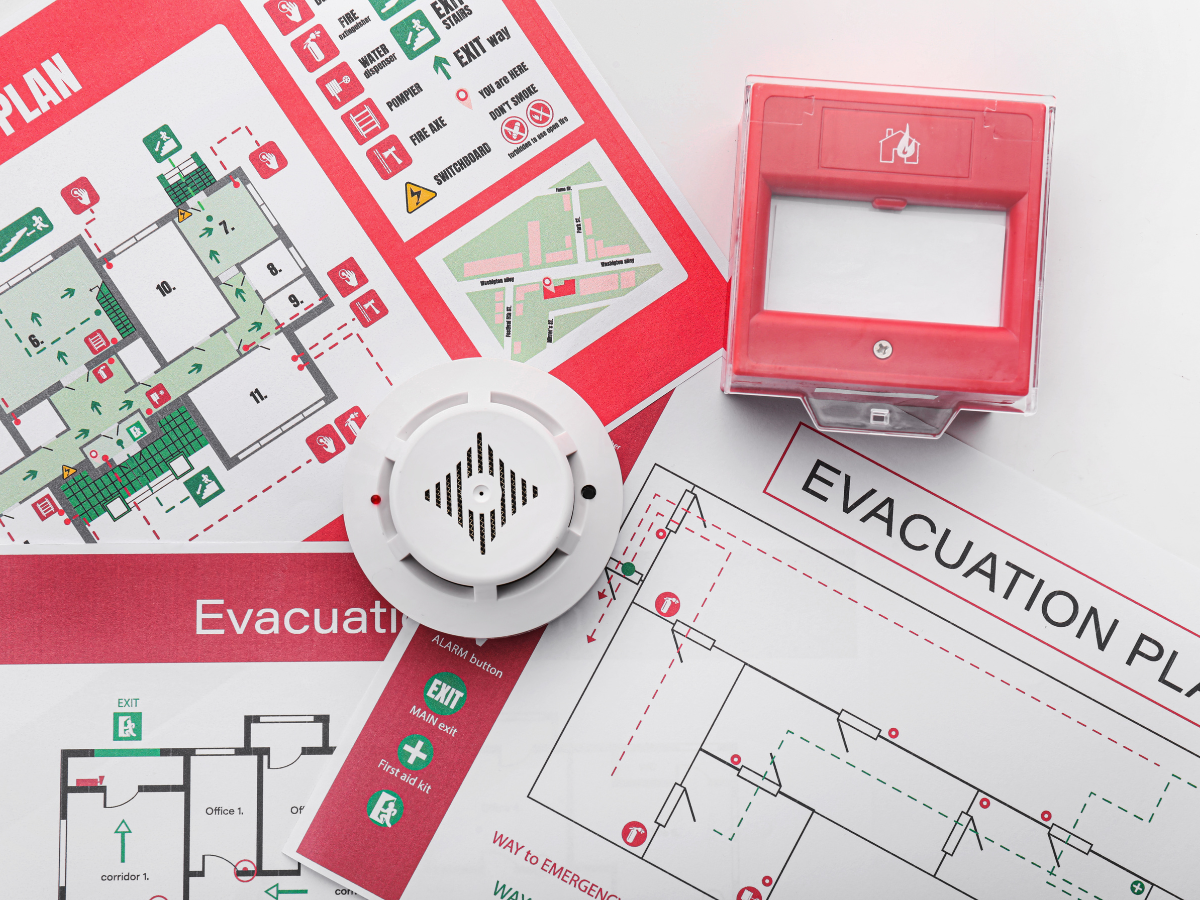
Start by identifying evacuation routes and alternate travel options. Even if evacuation is unlikely, understanding available routes can save valuable time if conditions worsen unexpectedly. Family members should know where to go, how to get there, and what supplies to bring.
Communication planning is equally important. Designate an out-of-area contact who can serve as a central point of communication if local networks become overloaded. Make sure all family members have access to important phone numbers and know how to reconnect if separated.
Storm prep should also include reviewing emergency supplies, securing important documents, and identifying safe locations within the home. Discuss responsibilities ahead of time so everyone understands their role, whether it’s gathering supplies, monitoring weather updates, or helping pets and younger family members.
The most effective emergency plans are simple, practical, and easy to follow when stress levels are high.
How To Maintain And Update Your Storm Preparedness Plan Regularly
Creating a plan is only the beginning. To remain effective, storm prep plans should be reviewed and updated on a regular basis.
Households change over time. Children grow older, family members relocate, pets are added, and medical needs evolve. Reviewing your emergency plan at least once a year helps ensure that contact information, supply inventories, and evacuation procedures remain current.
It’s also important to stay informed about changes in local emergency resources. New shelters, emergency notification systems, or community preparedness programs may become available and should be incorporated into your planning.
Many homeowners find it helpful to conduct seasonal reviews before the start of hurricane season. This provides an opportunity to replace expired emergency supplies, test backup power equipment, inspect property vulnerabilities, and refresh family communication plans.
Community involvement can further strengthen preparedness efforts. Participating in local emergency readiness programs and neighborhood planning initiatives helps residents learn from one another and stay informed about regional risks.
In Georgia, organizations such as the University of Georgia Cooperative Extension have expanded emergency preparedness and disaster recovery initiatives to support readiness, response, and recovery efforts throughout the state.
Building Long-Term Hurricane Readiness
Hurricane preparedness is not a one-time task. It is an ongoing process that combines planning, maintenance, and awareness.
By understanding Atlanta’s unique weather risks, developing a clear emergency plan, and regularly updating your storm prep strategy, you can improve your household’s ability to respond to severe weather with confidence.
The goal is not to eliminate every risk but to reduce uncertainty and ensure that your family is prepared when hurricane-related storms impact the region.
What Should An Emergency Kit Checklist For Atlanta Storms Include?
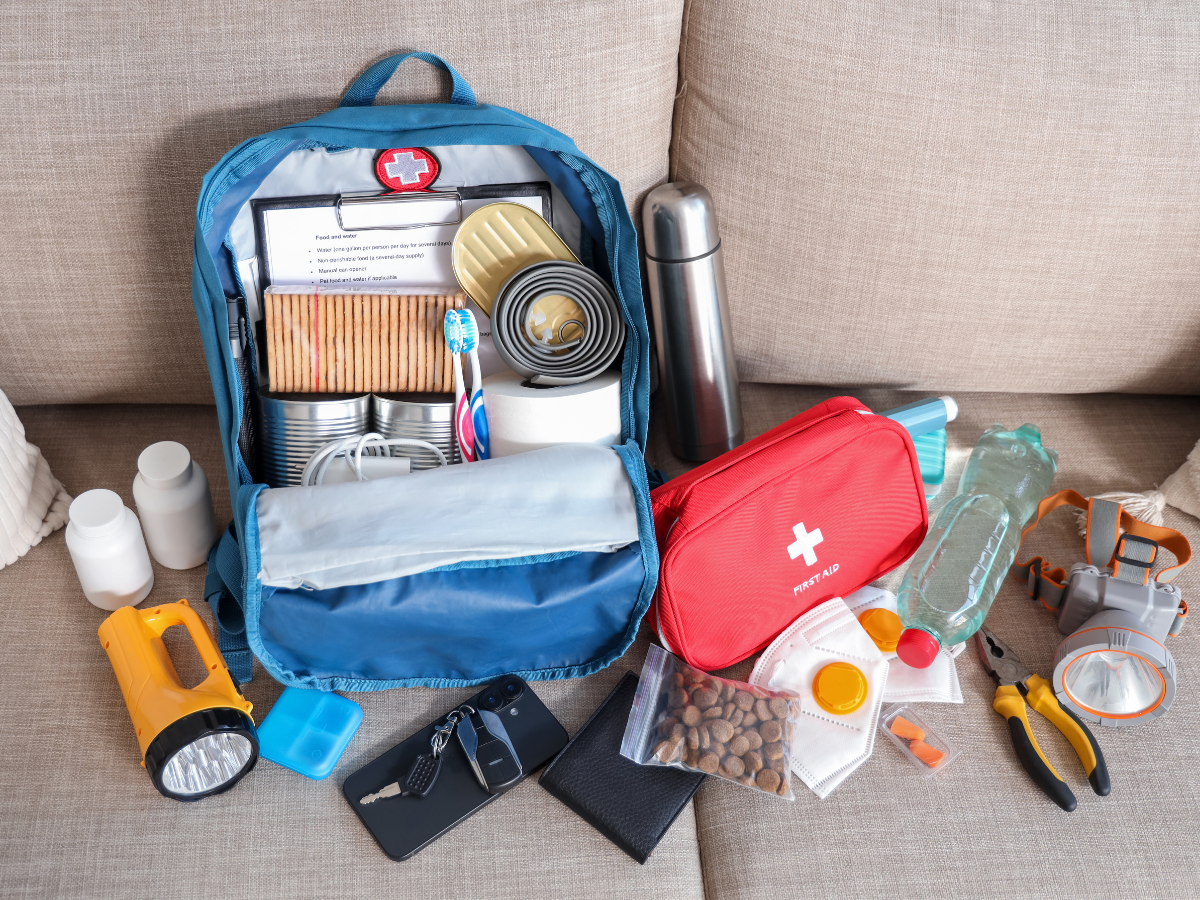
An emergency kit is one of the most important parts of effective storm prep. When severe weather strikes, power outages, road closures, and limited access to supplies can occur with little warning.
Having essential items already gathered and stored in an easily accessible location can help your household remain safe, comfortable, and self-sufficient during and after a storm.
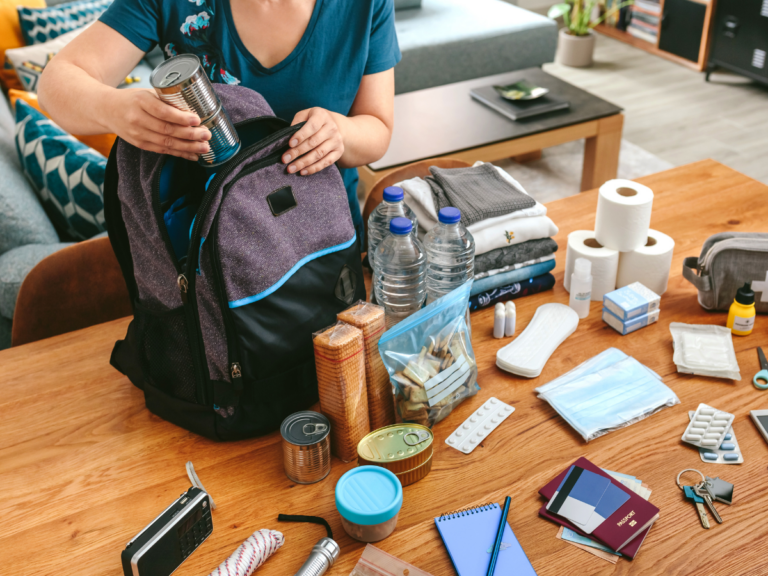
A well-stocked emergency kit should support your family for at least several days. While every household’s needs are different, there are several core items that should be included in any storm prep plan.
Which Essential Supplies Are Needed For Atlanta Storm Emergency Kits?
At the foundation of every emergency kit are the supplies needed to meet basic daily needs. Water should be a top priority, with enough stored to provide at least one gallon per person per day for several days.
Bottled water or properly stored emergency water containers can help ensure a reliable supply if local systems are disrupted.
Food is equally important. Focus on non-perishable items that require little or no preparation, such as canned goods, protein bars, dried fruit, peanut butter, and shelf-stable meals. Choosing foods your family already enjoys makes it easier to rotate supplies and avoid waste.
A comprehensive first aid kit should also be included. Stock it with bandages, antiseptic wipes, pain relievers, prescription medications, and any medical supplies required by family members. During a storm, access to pharmacies and healthcare facilities may be limited, making advance preparation especially important.
Lighting and communication tools are another key component of storm prep. Flashlights, extra batteries, battery-powered lanterns, and portable phone chargers can help you stay informed and navigate safely during power outages.
A battery-powered or hand-crank weather radio can provide critical updates when internet or cellular service becomes unreliable.
Additional practical items such as a multi-tool, whistle, dust masks, garbage bags, moist towelettes, and personal hygiene products can make emergency situations more manageable. These supplies may seem small, but they often become invaluable during extended disruptions.
How To Customize Your Emergency Kit For Severe Weather In Georgia?
While standard emergency kits provide a solid starting point, the most effective storm prep involves tailoring supplies to your household’s specific needs. Every family faces different circumstances, and customization can make a significant difference during an emergency.
Consider the ages and needs of everyone in the household. Families with young children may need diapers, formula, baby wipes, and comfort items.
Older adults may require additional medications, mobility aids, or backup medical equipment. Pet owners should also include food, water, medications, leashes, and carriers for their animals.
Georgia’s climate can influence what you keep on hand as well. During summer storm season, battery-powered fans, cooling towels, and extra drinking water may be useful. During colder months, blankets, warm clothing, and alternative heat sources can provide additional protection if power is lost for an extended period.
It’s also helpful to store copies of important documents in a waterproof container. Insurance information, identification, medical records, and emergency contact lists can be difficult to access if digital systems are unavailable.
Research on household disaster preparedness has shown that customized emergency kits often provide better outcomes than one-size-fits-all solutions. While general checklists are helpful, households benefit most when they build upon those recommendations to address their unique circumstances and risks.
Maintaining Your Emergency Kit Year-Round
Creating an emergency kit is only the first step. Effective storm prep requires ongoing maintenance to ensure supplies remain usable when they are needed most.
Set aside time at least twice a year to inspect your kit. Replace expired food, water, medications, and batteries. Update clothing sizes for growing children and adjust supplies if family needs have changed. Many homeowners choose to review their kits at the beginning of storm season and again before winter.
Keeping supplies organized in clearly labeled containers can also improve response times during emergencies. When severe weather warnings are issued, you should be able to quickly access everything you need without searching through multiple storage areas.
A thoughtfully prepared emergency kit provides more than just supplies. It offers peace of mind. By taking the time to customize, organize, and maintain your kit, you can approach storm season with greater confidence and ensure your household is ready for whatever conditions may arise.
How Can Homeowners Protect Their Atlanta Homes From Storm Damage?
Preparing your home before severe weather arrives is one of the most effective ways to reduce the risk of costly repairs and safety hazards.
While no property is completely immune to extreme weather, proactive storm prep can significantly improve your home’s ability to withstand strong winds, heavy rain, and localized flooding.
Regular maintenance, strategic upgrades, and seasonal inspections all play an important role in protecting your property when storms move through the Atlanta area.
Rather than waiting for a weather alert, homeowners should view storm protection as an ongoing part of home maintenance. Small preventative measures taken throughout the year can make a substantial difference when severe weather strikes.
What Are Effective Home Storm Safety Tips For Wind And Flood Prevention?
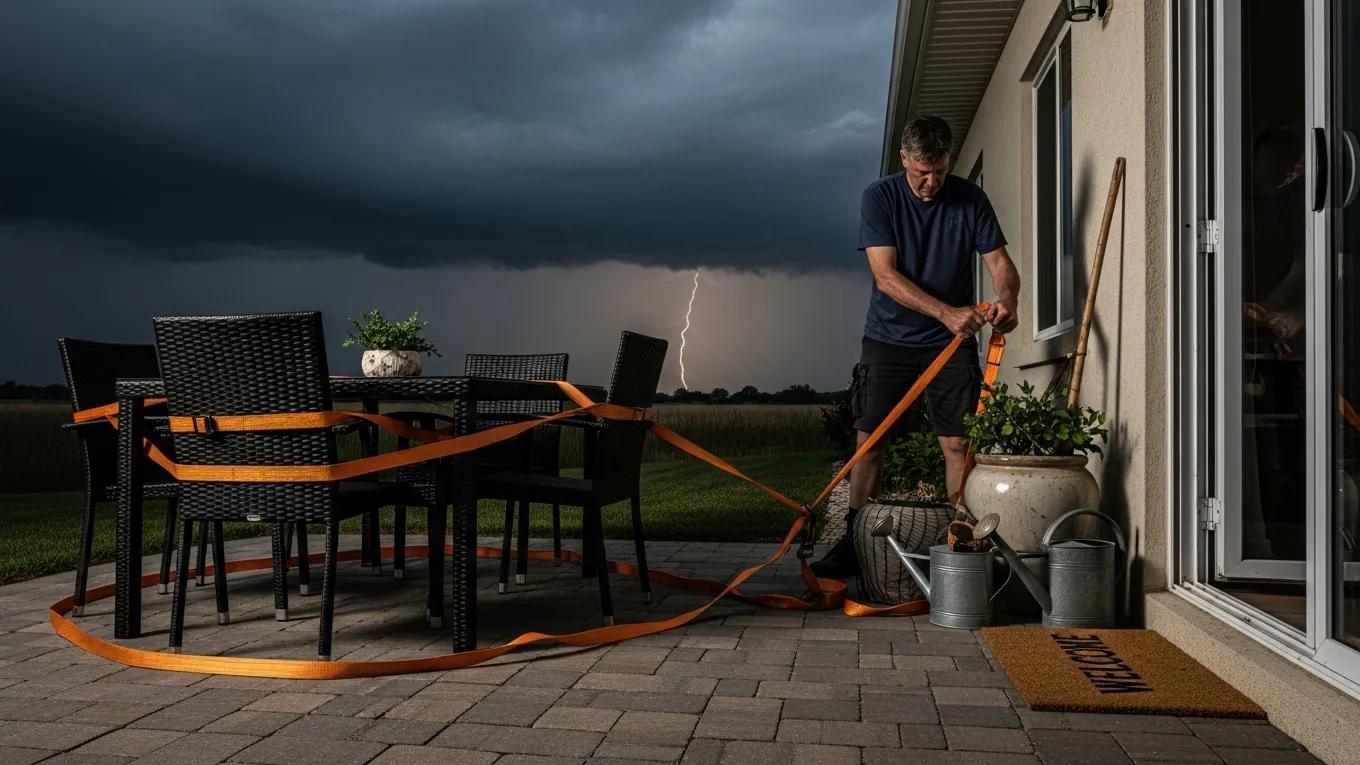
Many of the most common forms of storm damage can be reduced with a few practical precautions. One of the simplest yet most important steps is securing outdoor items before a storm.
Patio furniture, grills, planters, decorations, and yard equipment can become dangerous projectiles during high winds, potentially damaging windows, siding, vehicles, and neighboring properties.
Proper drainage maintenance is another essential part of storm prep. Gutters and downspouts should be inspected regularly and cleared of leaves, branches, and debris.
When gutters become clogged, rainwater can overflow and collect around the foundation, increasing the risk of water intrusion and structural issues. Ensuring that downspouts direct water away from the home helps further reduce flood-related concerns.
Windows are often vulnerable during severe storms. Installing storm shutters or using approved protective coverings can help shield glass from wind-driven debris. Even in areas where hurricanes are less common, strong thunderstorms can generate enough force to break unprotected windows.
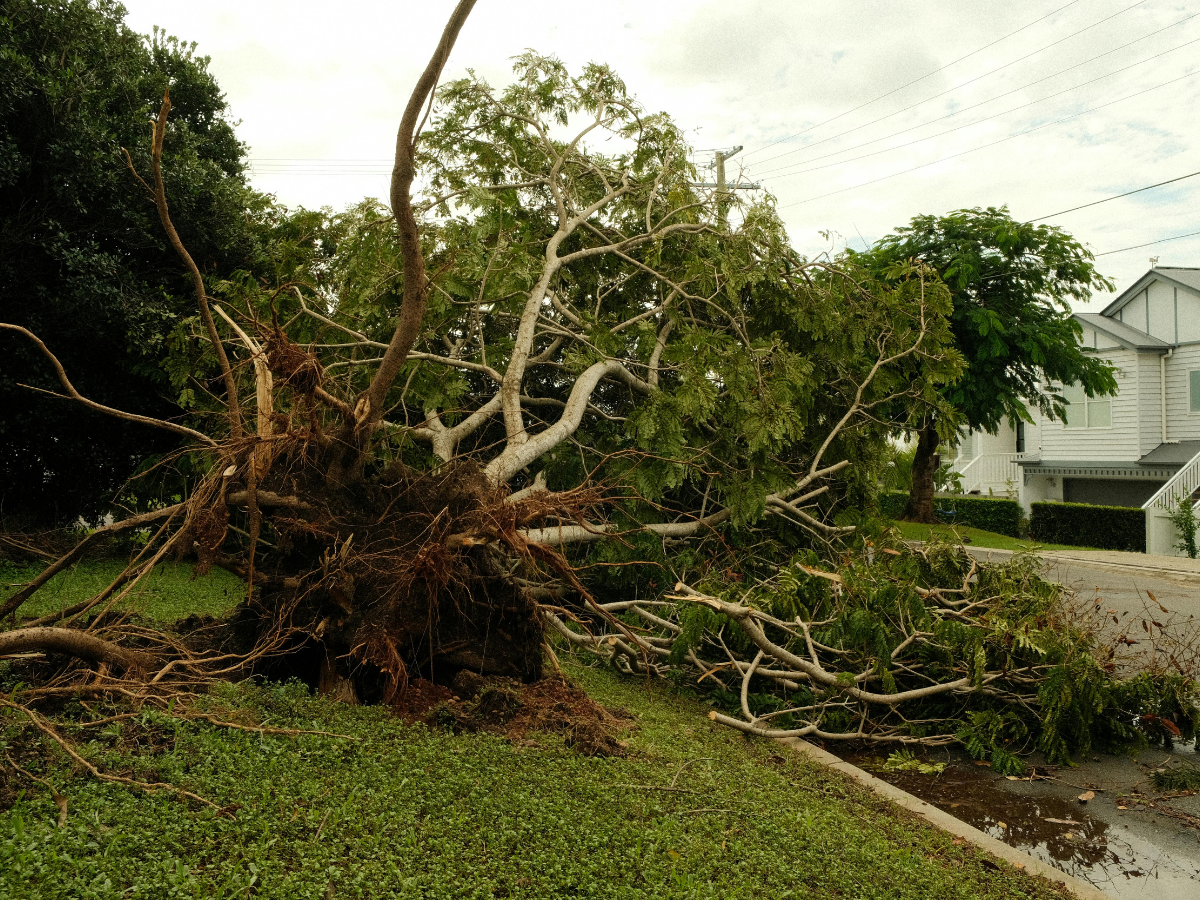
Landscaping can also contribute to storm safety. Trimming dead or overhanging tree limbs reduces the likelihood of branches falling onto roofs, vehicles, or power lines. Healthy, well-maintained trees are generally better able to withstand severe weather than neglected ones.
Effective storm prep also includes reviewing insurance coverage, creating an emergency communication plan, and keeping important documents stored in a secure, waterproof location. These steps do not physically protect the structure, but they can help homeowners recover more efficiently if damage occurs.
Which Structural Reinforcements Help Prevent Flood And Wind Damage?
While routine maintenance is important, structural improvements provide an additional layer of protection against severe weather. These upgrades are particularly valuable for homes located in areas prone to heavy rainfall, strong winds, or recurring storm activity.
One of the most important areas to inspect is the roof. Loose shingles, damaged flashing, and aging roofing materials can create entry points for water during storms.
Regular roof inspections and timely repairs help prevent leaks and reduce the likelihood of extensive interior damage. Strengthening roof connections and ensuring proper installation can also improve resistance to high winds.
Foundation protection is another key consideration. Cracks in foundations or basement walls can allow water to enter during periods of heavy rainfall. Sealing vulnerable areas and maintaining proper grading around the home can help direct water away from the structure and reduce the risk of flooding.
For homes with basements or lower-level living spaces, sump pumps provide valuable protection. During intense rain events, a sump pump can remove excess water before it accumulates and causes damage.
Homeowners may also consider installing a battery backup system to keep the pump operational during power outages, which often accompany severe storms.
Garage doors are another frequently overlooked vulnerability. Because of their large surface area, garage doors can be susceptible to wind pressure. Reinforced doors or additional bracing systems can help prevent structural failures during strong storms.
Creating A Long-Term Storm Protection Plan
The most successful storm prep strategies combine routine maintenance with targeted upgrades. Rather than treating storm protection as a one-time project, homeowners should regularly assess their property’s vulnerabilities and address issues before severe weather arrives.
Seasonal inspections provide an opportunity to check roofing materials, drainage systems, trees, windows, and other critical components. By identifying small problems early, homeowners can often avoid larger and more expensive repairs later.
A comprehensive approach to storm prep not only helps protect the physical structure of a home but also provides greater peace of mind.
When severe weather develops, homeowners who have taken preventive measures can feel more confident knowing their property is better prepared to handle the challenges that storms may bring.
How To Stay Informed With Severe Weather Alerts In Georgia
One of the most important aspects of storm prep is staying informed before conditions become dangerous. Severe weather can develop quickly in Georgia, especially during thunderstorm season, making timely information essential for protecting your family and property.
By using reliable weather alert systems and monitoring local conditions, homeowners can make informed decisions and respond more effectively when storms approach.
The key is to use multiple sources of information rather than relying on a single weather report. Combining official alerts, mobile technology, and local resources provides a more complete picture of developing weather threats.
What Are The Best Local Weather Alert Systems For Atlanta Residents?
Atlanta homeowners have access to several dependable weather alert resources that provide updates before and during severe weather events.
One of the most trusted tools is NOAA Weather Radio, which delivers continuous broadcasts of weather forecasts, warnings, and emergency information directly from the National Weather Service.
Because it operates independently of internet and cellular networks, it can remain a reliable source of information during power outages.
Local television and radio stations are also valuable resources. Many Atlanta news outlets provide live storm coverage, radar updates, and emergency instructions when severe weather threatens the region. Their local expertise can help residents better understand how a storm may affect specific neighborhoods or counties.
Mobile weather applications have become another essential component of modern storm prep. Apps such as The Weather Channel, AccuWeather, and local news weather apps can deliver location-based notifications directly to a smartphone.
These alerts often provide advance notice of severe thunderstorms, flash flood warnings, tornado watches, and other developing hazards. Using a combination of these systems helps ensure you receive critical information even if one communication method becomes unavailable.
How Can Smart Weather Alerts Enhance Storm Prep?
Advances in technology have made it easier than ever to stay informed during severe weather. Smart weather alerts can provide real-time notifications based on your exact location, allowing homeowners to respond quickly as conditions change.
Many smartphones allow users to enable emergency weather notifications through built-in alert systems. These warnings can be particularly valuable at night or during periods when you may not be actively monitoring forecasts.
Smart home devices can further support storm prep efforts. Voice assistants and smart speakers can be configured to announce severe weather alerts as they are issued. Some home security systems also offer weather monitoring features that send notifications directly to homeowners.
In addition, automated smart home functions can improve safety during emergencies. For example, homeowners may choose to activate exterior lighting, monitor security cameras remotely, or receive alerts when power outages occur.
While technology should never replace official emergency guidance, it can provide an additional layer of awareness and preparedness.
What Local Atlanta Weather Risks Should Homeowners Monitor?
Understanding the weather threats most common to the Atlanta area allows homeowners to focus their storm prep efforts more effectively. Severe thunderstorms are among the most frequent hazards and can produce damaging winds, lightning, hail, and heavy rainfall.
Flash flooding is another concern, particularly in low-lying areas or neighborhoods with poor drainage. Even short periods of intense rainfall can create hazardous conditions and cause water intrusion into homes.
Tornadoes, while less common than thunderstorms, remain a significant risk throughout Georgia. Tornado watches and warnings should always be taken seriously, especially during spring and early summer when severe weather activity tends to increase.
Research examining Atlanta’s rapid urban development has shown that expanding residential and commercial areas can increase exposure to thunderstorm-related hazards such as damaging winds, hail, and tornadoes.
As the metropolitan region continues to grow, understanding local weather risks becomes an increasingly important part of responsible storm prep.
Where Can You Find Reliable Storm Data And Updates?
Accurate information is essential before, during, and after severe weather events. In addition to weather apps and local broadcasts, homeowners should regularly monitor official resources such as the National Weather Service and NOAA.
These organizations provide detailed forecasts, radar imagery, watches, warnings, and safety guidance.
Community organizations and local emergency management agencies can also be valuable sources of information. Many share updates through social media, text alert programs, and neighborhood communication networks.
Effective storm prep goes beyond stocking supplies and securing property. Staying informed allows homeowners to make timely decisions, reduce risks, and respond confidently when severe weather threatens the Atlanta area.
By combining official alerts, local forecasts, and smart technology, families can remain prepared for changing conditions throughout storm season.
What Are The Key Steps For Post-Storm Recovery And Restoration In Atlanta Homes?
The hours and days following a severe storm can be overwhelming for homeowners. Once the immediate danger has passed, the focus shifts from storm prep to recovery and restoration.
Having a clear plan can help you assess damage, protect your property from further issues, and begin the process of returning your home to normal.
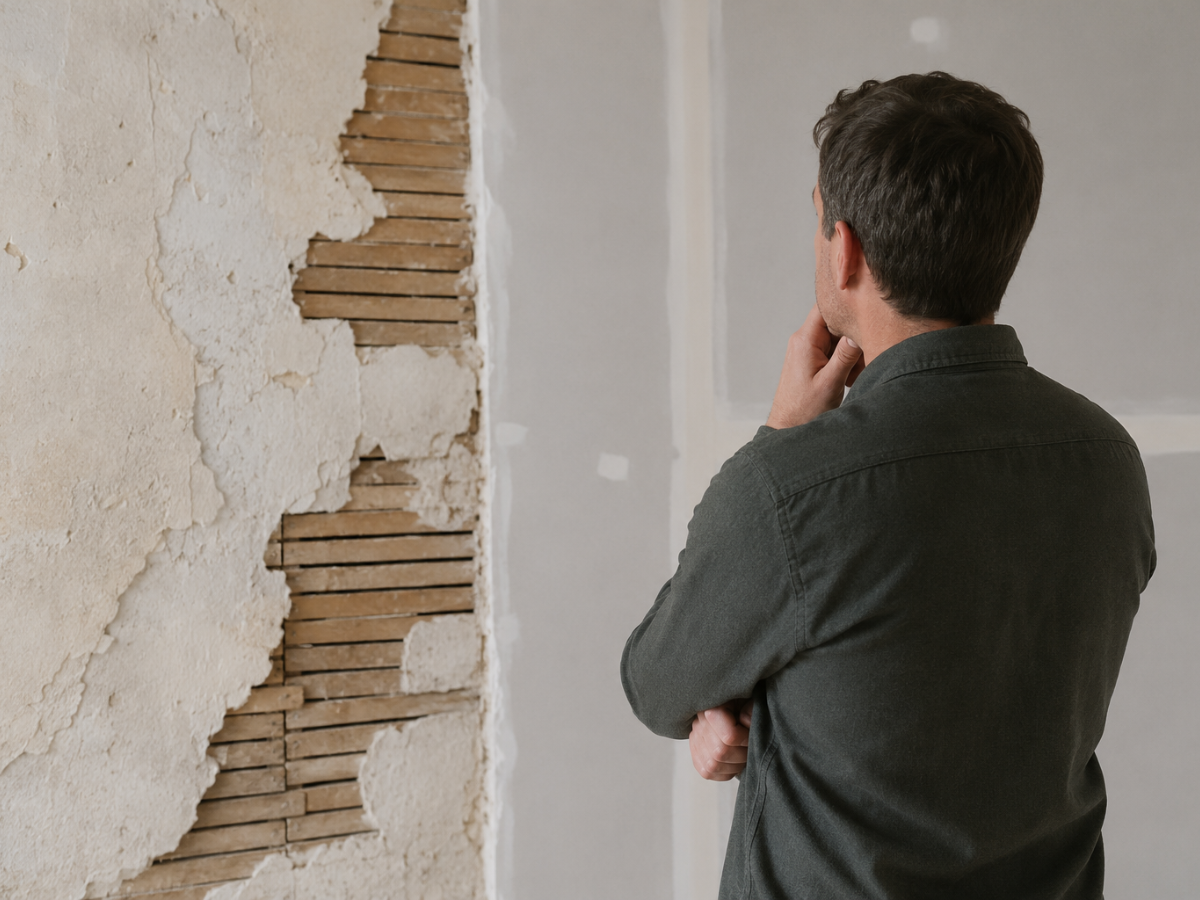
The first priority is always safety. Before entering any damaged area, check for potential hazards such as downed power lines, gas leaks, standing water near electrical systems, or structural instability. If conditions appear unsafe, wait for professional assistance before proceeding.
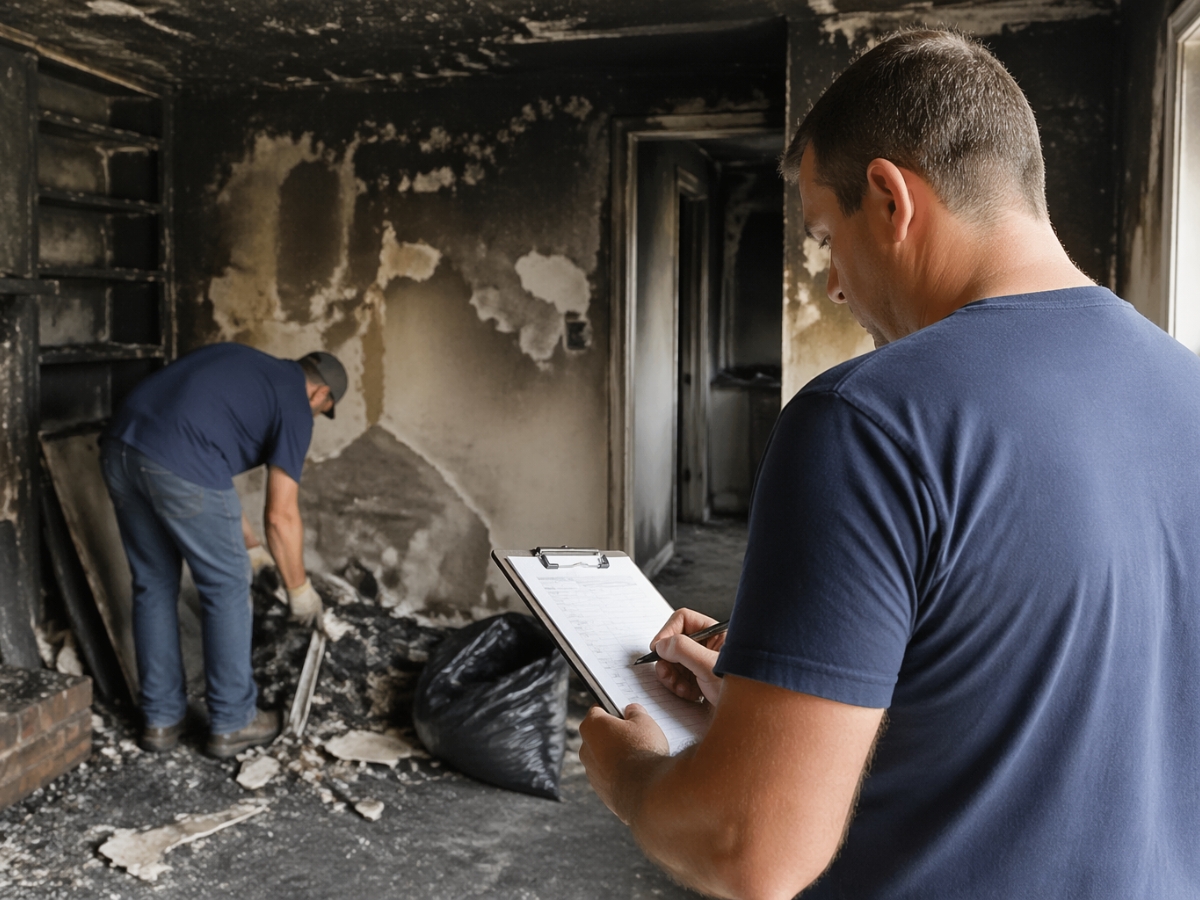
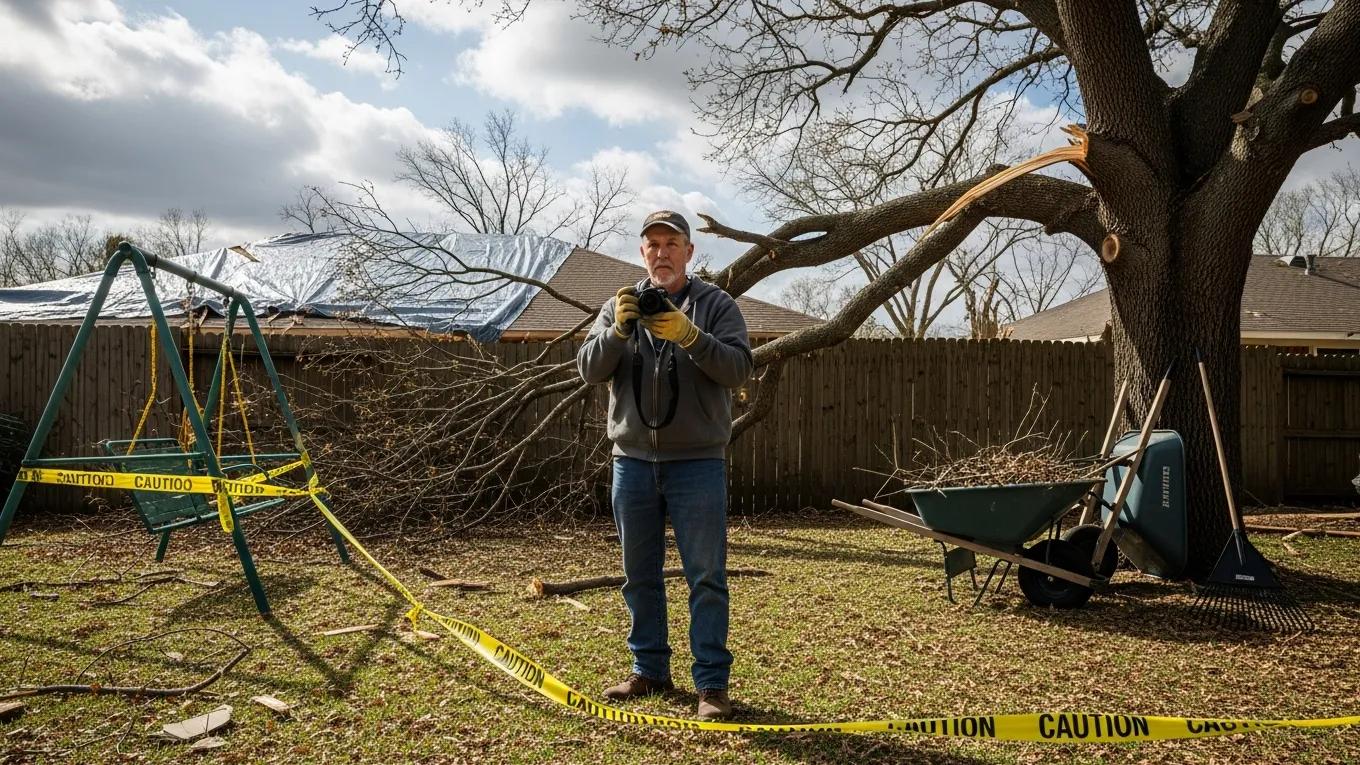
Once it is safe to do so, conduct a thorough inspection of your property. Take photographs and videos of all visible damage, both inside and outside the home.
Detailed documentation is important for insurance claims and can help streamline the recovery process. Record damage to roofing, siding, windows, flooring, personal belongings, and landscaping.
After documenting the damage, contact your insurance provider as soon as possible. Early communication can help initiate claims processing and provide guidance on any temporary measures you should take to protect the property from further loss.
For significant damage, professional restoration services are often necessary. Experienced contractors can assess structural concerns, remove damaged materials, and develop a comprehensive recovery plan.
While effective storm prep can reduce the severity of damage, even well-prepared homes may require professional restoration after major weather events.
How Does Storm Damage Restoration Include Water Damage And Mold Remediation?
One of the most common challenges after severe storms is water intrusion. Even minor roof leaks or flooding can create conditions that lead to long-term structural damage if not addressed quickly.
The restoration process typically begins with a detailed assessment to determine how much water entered the property and which materials have been affected. Professionals use specialized equipment to detect hidden moisture behind walls, under flooring, and in other hard-to-see areas.
Water extraction is usually the next step. Removing standing water as quickly as possible helps limit additional damage and reduces the risk of mold growth. Industrial drying equipment, dehumidifiers, and air movers are often used to remove excess moisture from the structure.
Mold prevention is a critical part of the recovery process. Mold can begin developing within a relatively short period after water exposure, particularly in warm and humid environments like Atlanta. Thorough drying and sanitation help reduce this risk and protect indoor air quality.
Once moisture issues have been resolved, restoration work can begin. This may include repairing drywall, replacing flooring, restoring insulation, repainting damaged surfaces, and addressing any structural concerns. The goal is not only to repair visible damage but also to ensure the home is safe and fully functional again.
When Should You Contact Professionals For Flooring And Carpet Repair After Storms?
Flooring materials are often among the first areas affected by storm-related water damage. Carpet, hardwood, laminate, and subflooring can all absorb moisture, leading to long-term problems if not properly addressed.
One indication that professional assistance is needed is visible water damage. Discoloration, buckling, warping, staining, or soft spots in flooring materials often signal that moisture has penetrated beneath the surface. A persistent musty odor can also indicate hidden water damage or mold growth.
Time is an important factor when dealing with wet flooring. The longer moisture remains trapped within carpets, padding, or wood materials, the greater the likelihood of permanent damage. Prompt evaluation can often prevent minor issues from becoming more extensive and costly repairs.
When selecting a restoration provider, look for companies with experience handling storm-related damage rather than general repair work alone. Specialized restoration professionals understand the unique challenges associated with water intrusion, moisture detection, and mold prevention.
Building A Strong Recovery Plan After Severe Weather
While storm prep focuses on preventing damage before severe weather arrives, recovery planning is equally important. Quick action after a storm can help minimize losses, speed up repairs, and reduce the risk of secondary issues such as mold, structural deterioration, or prolonged water damage.
By prioritizing safety, documenting damage carefully, addressing moisture problems promptly, and working with qualified restoration professionals when necessary, Atlanta homeowners can navigate the recovery process more effectively and restore their homes with confidence.
What Insurance And Claims Considerations Should Atlanta Homeowners Know After Storm Damage?
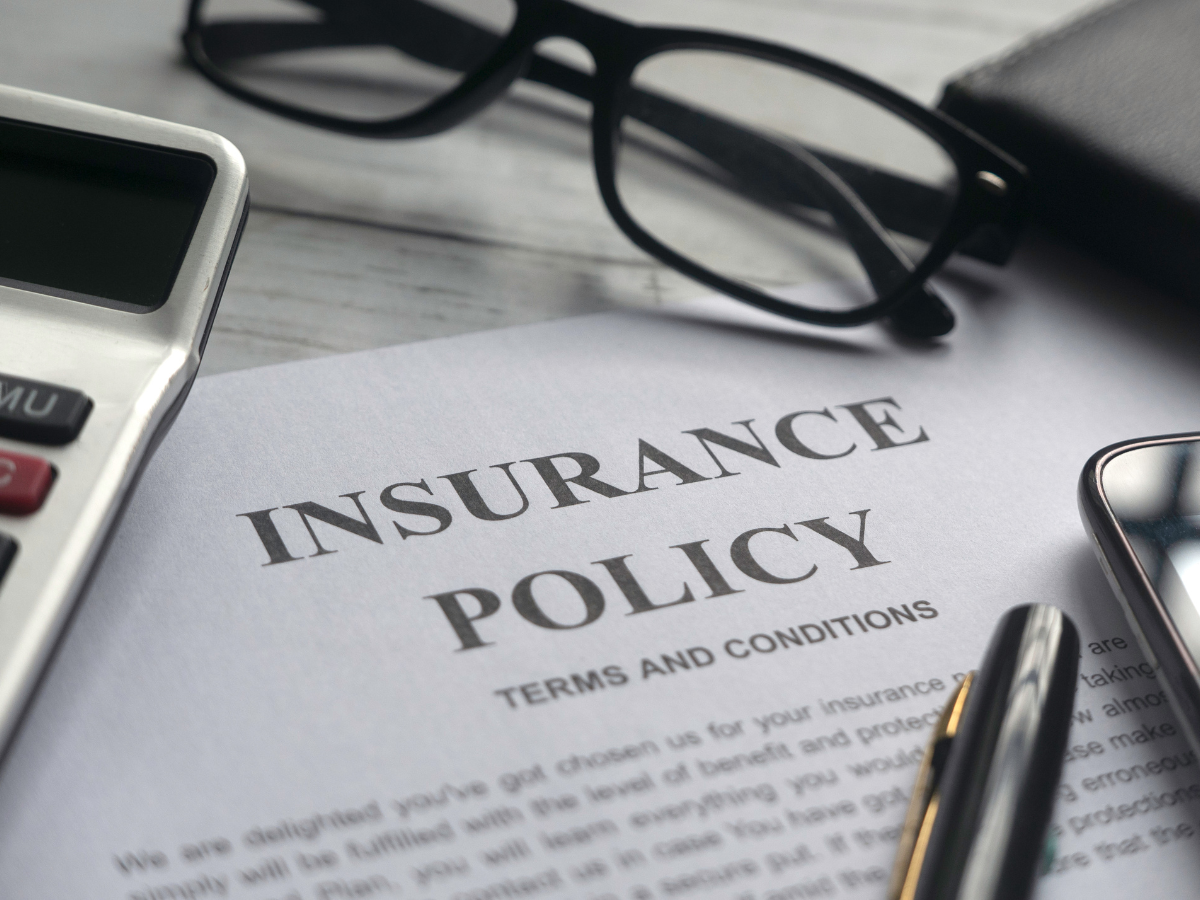
Recovering from a severe storm often involves more than repairing physical damage. Homeowners must also navigate the insurance claims process, which can significantly affect how quickly and effectively repairs are completed.
Understanding what insurers typically require and taking the right steps immediately after a storm can help reduce delays and improve the chances of a successful claim.
While thorough storm prep can minimize damage, even well-prepared homes may experience losses after severe weather. Knowing how to document damage and communicate with your insurance provider can make the recovery process much smoother.
How To Document Storm Damage For Insurance Claims Effectively?
One of the most important actions homeowners can take after a storm is to carefully document all damage before beginning cleanup or repairs. Insurance companies rely heavily on evidence when evaluating claims, so accurate records are essential.
Start by conducting a detailed inspection of both the exterior and interior of the property. Take clear photographs and videos of damaged roofing, siding, windows, gutters, fences, landscaping, and any affected personal belongings.
Capture wide-angle images that show the overall extent of the damage, along with close-up photos that highlight specific issues.
In addition to visual documentation, keep written records describing what occurred. Note the date and time of the storm, the areas affected, and any immediate actions taken to prevent further damage. Maintaining a detailed timeline can be helpful if questions arise later during the claims process.
It’s also important to save receipts for emergency repairs and temporary protective measures. If you purchase tarps, board up windows, remove fallen trees, or hire emergency services to prevent additional damage, those expenses may be relevant to your claim.
Many policies require homeowners to take reasonable steps to protect the property after a loss. Prompt communication with your insurance company is another critical part of post-storm recovery.
Report damage as soon as possible and follow any instructions provided by your insurer regarding inspections, documentation, and repair estimates.
Understanding The Role Of Insurance Adjusters
After a claim is filed, an insurance adjuster will typically inspect the property to assess the extent of the damage. Their findings help determine the amount covered under the policy and the compensation available for repairs.
During the inspection, homeowners should be prepared to share photographs, receipts, contractor estimates, and any documentation collected after the storm. Having organized records can make discussions with the adjuster more productive and reduce misunderstandings about the scope of the damage.
In complex situations involving extensive losses or disputed damage assessments, some homeowners choose to work with a public adjuster.
Unlike insurance company adjusters, public adjusters represent the policyholder and may assist with documenting losses, reviewing coverage, and negotiating settlements. While not necessary for every claim, they can be helpful in certain circumstances.
Common Insurance Challenges After Storms
Storm-related claims can sometimes involve issues that homeowners do not anticipate. Coverage limits, deductibles, exclusions, and policy conditions may affect what repairs are eligible for reimbursement.
Flood damage, for example, is often handled differently than wind-related damage and may require separate coverage. This is why reviewing insurance policies before storm season is an important part of storm prep.
Understanding what is covered, what exclusions apply, and what documentation may be required can help homeowners avoid surprises during the claims process.
Keeping a current home inventory can also simplify claims. Photographs of valuable belongings, purchase records, and digital copies of important documents make it easier to verify losses if damage occurs.
Preparing Today To Simplify Recovery Tomorrow
Insurance recovery is often easier when preparation begins before a storm ever arrives. Effective storm prep includes not only protecting your home from damage but also organizing records, reviewing coverage, and understanding the claims process ahead of time.
By documenting damage thoroughly, maintaining clear records, communicating promptly with insurers, and understanding your policy, you can navigate post-storm recovery with greater confidence.
These proactive steps help ensure that when severe weather strikes, you’re prepared not only to protect your property but also to manage the financial recovery process more effectively.
Conclusion
Preparing your Atlanta home for severe weather can help protect your property, reduce safety risks, and make the recovery process much smoother after a storm.
From assembling emergency kits and securing outdoor items to understanding the steps to take after storm damage occurs, a proactive approach can make a significant difference when unexpected weather strikes. When storm-related damage does happen, having a trusted restoration partner on your side is essential.
For reliable restoration and repair services, choose Restor-It, Inc.. If your home has been impacted by a storm and you need professional restoration services, call (678) 355-6645 to speak with the team at Restor-It, Inc. or request a free quote to get started on the recovery process.