A home doesn’t need to be filled with excess to feel complete. Minimalist design focuses on creating spaces that feel intentional, functional, and calm by removing unnecessary clutter and emphasizing what truly adds value to daily life. The result is a cleaner environment that often feels more open and easier to maintain.
Embracing minimalist design tips for simple living is less about strict rules and more about making thoughtful choices. Neutral palettes, purposeful furniture, clean lines, and practical storage all help create balance without making a space feel empty or cold.
With the right approach, minimalist design can support a simpler lifestyle, reduce visual stress, and create a home that feels more organized, comfortable, and connected to how you actually live.
A Practical Guide to Minimalist Design for Simple Living
What Are The Key Principles Of Minimalist Interior Design?
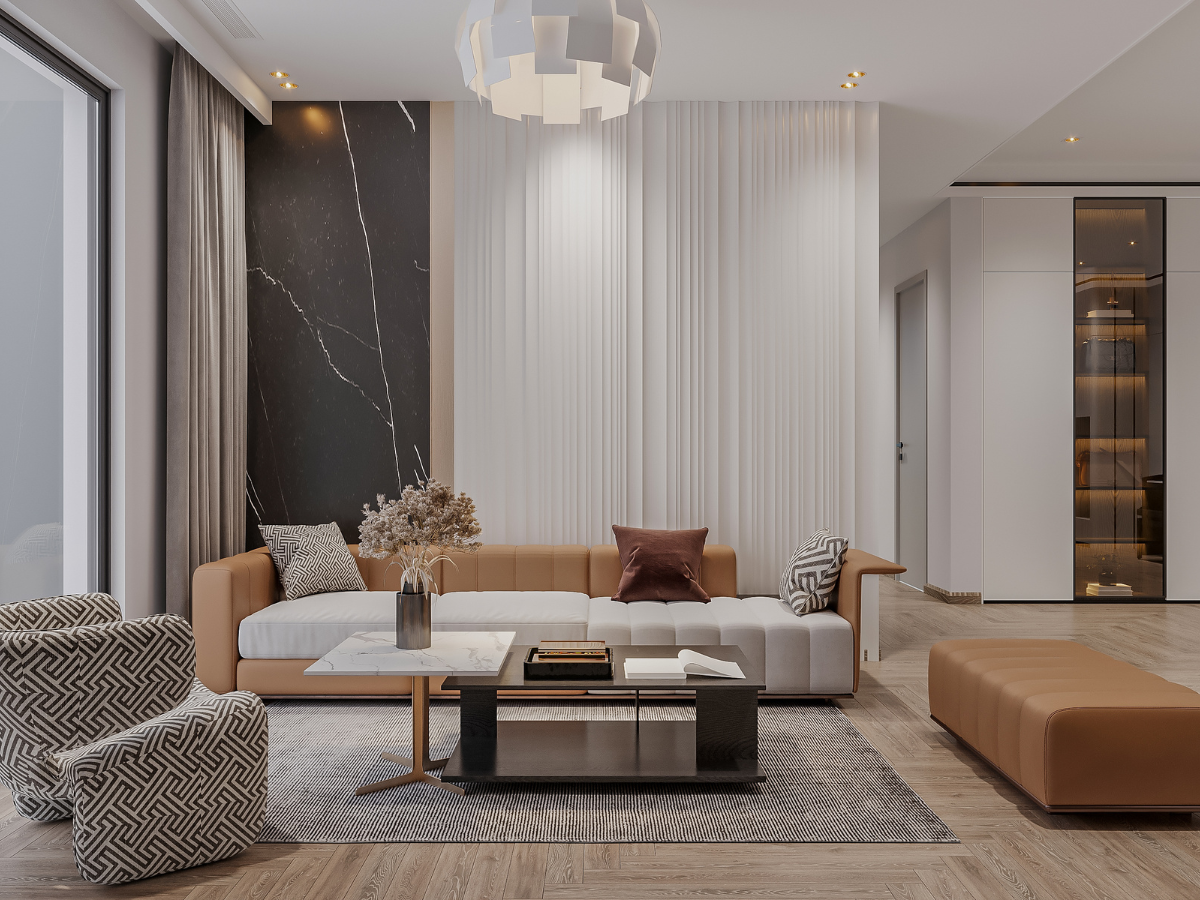
Minimalist design centers on simplicity, balance, and intentional living. Rather than filling a room with decorative elements, this approach focuses on keeping only what serves a purpose or adds meaningful visual value. The result is a space that feels open, calm, and easier to live in day to day.
At its core, minimalist design relies on clean layouts, practical furniture choices, and a restrained use of color and décor. Open space plays an important role because it allows rooms to feel less crowded and more functional.
Instead of treating empty space as something to fill, minimalist interiors use it strategically to create breathing room and visual clarity. Natural materials are another defining feature.
Wood, stone, linen, and textured fabrics help soften the simplicity of minimalist interiors, so they feel welcoming rather than cold. These materials add warmth and dimension without introducing unnecessary visual noise.
A successful minimalist space also prioritizes quality over quantity. Fewer furnishings often mean each piece stands out more, making craftsmanship, comfort, and durability especially important. Rather than constantly adding new décor, minimalist design encourages thoughtful decisions about what truly belongs in a space.
How Does Functional Simplicity Define Minimalist Spaces?
Functional simplicity is what separates minimalist design from spaces that simply look empty. Every item in a minimalist room should have a clear purpose, whether it serves a practical function, improves comfort, or contributes to the overall atmosphere.
Furniture is often selected for both usability and clean visual appeal. Multi-functional pieces are especially valuable because they reduce clutter while maximizing efficiency.
A storage bench, for example, can provide seating while keeping everyday items hidden from view. Similarly, floating shelves or built-in cabinetry help maintain organization without overwhelming the room.
Layout matters just as much as furniture selection. Minimalist interiors tend to avoid overcrowding by leaving enough open space for movement and natural light. This creates a more relaxed environment where the eye can move comfortably through the room.
Concealed storage is another major part of functional simplicity. One reason minimalist design feels calming is that it minimizes visible clutter. Cabinets, drawers, and hidden compartments help keep everyday necessities accessible without constantly being on display.
Lighting also contributes to the overall simplicity of a minimalist interior. Large windows, soft natural light, and understated fixtures help rooms feel brighter and more spacious. Instead of relying on overly decorative lighting, minimalist spaces often use lighting to enhance mood and functionality.
Which Neutral Color Palettes Enhance Modern Aesthetics?
Neutral color palettes are one of the most recognizable elements of minimalist design because they create a clean, cohesive foundation throughout the home. Soft whites, warm beige tones, muted grays, and earthy taupes are commonly used to establish a calm and balanced atmosphere.
These shades work well because they allow textures, materials, and architectural details to stand out naturally. In a minimalist room, the focus often shifts from bold color contrasts to subtle variation in texture and tone.
Linen curtains, matte finishes, wood grain, and stone surfaces become more noticeable when paired with understated colors. Warm neutrals have become especially popular in modern minimalist interiors because they make spaces feel more inviting.
Cooler shades like bright white or steel gray can sometimes feel sterile if overused, while warmer tones create a softer and more comfortable environment.
Earth-inspired colors can also add depth without disrupting the minimalist aesthetic. Muted olive greens, sandy browns, clay tones, and soft charcoal accents introduce variety while maintaining a restrained palette. These colors pair particularly well with natural materials and organic textures.
Accent colors are still possible in minimalist design, but they are usually used intentionally and sparingly. A single dark accent wall, textured black fixtures, or muted blue décor pieces can create visual interest without overpowering the space.
Why Minimalist Design Continues To Appeal To Modern Homeowners
The lasting appeal of minimalist design comes from its ability to make spaces feel more manageable, functional, and visually calm. In homes filled with constant activity and distractions, simplicity often creates a stronger sense of comfort than excess decoration.
Minimalist interiors also adapt well to changing lifestyles. Because the design focuses on timeless materials, clean lines, and functional layouts, spaces tend to age more gracefully and remain practical over time.
Rather than following short-term trends, minimalist design encourages intentional choices that support both aesthetics and everyday living. That balance between beauty and function is what continues to make minimalist interiors appealing in modern homes.
How Can You Start Effective Decluttering For A Minimalist Home?
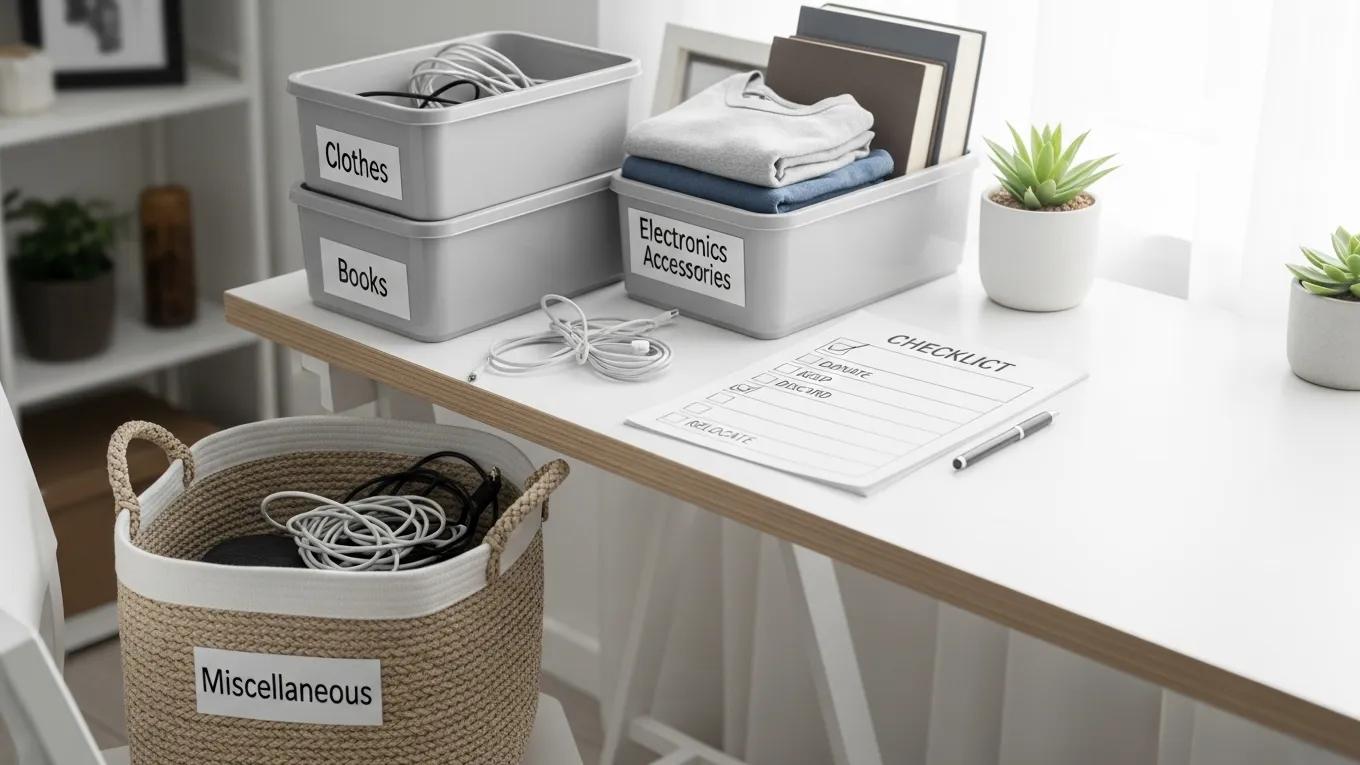
Decluttering is one of the first and most important steps in creating a home centered around minimalist design. The goal is not simply to own fewer things, but to make more intentional decisions about what stays in your space and why. A thoughtfully organized home can feel calmer, more functional, and easier to maintain over time.
For many people, decluttering also changes the way they interact with their environment. Instead of constantly managing excess belongings, they begin focusing on keeping items that are useful, meaningful, or genuinely improve daily life. This shift often makes a home feel more open and less mentally overwhelming.
Minimalist design works best when every item has a purpose or adds clear value to the space. That does not mean rooms need to feel empty or impersonal. Instead, the emphasis is on reducing distractions and creating an environment that supports comfort, clarity, and simplicity.
Starting small is often the most effective approach. Trying to declutter an entire house in one weekend can quickly become exhausting. Focusing on one drawer, shelf, or room at a time makes the process more manageable and helps build momentum.
What Are Practical Decluttering Methods And Tools?
There are several proven methods that can make decluttering feel less intimidating and more structured. One of the most widely recognized approaches is the KonMari method, which encourages people to evaluate belongings based on whether they still bring value or fulfillment to their lives.
This method shifts the focus away from guilt or obligation and toward intentional ownership.
Another practical strategy is the four-box method. With this approach, items are sorted into categories such as keep, donate, sell, or discard. This system simplifies decision-making because every item immediately receives a destination instead of being repeatedly moved from place to place.
Storage tools also play an important role in maintaining a minimalist design after decluttering is complete. Clear containers, drawer organizers, labels, and concealed storage solutions help prevent clutter from gradually returning.
However, storage should support organization rather than become a way to keep unnecessary items indefinitely.
Digital tools can also help reduce household clutter. Scanning paperwork, reducing duplicate kitchen tools, or organizing digital subscriptions and files can create a cleaner and more efficient living environment without requiring major renovations.
Research surrounding the KonMari method has also linked decluttering practices with improved well-being and more mindful consumption habits. Many people find that simplifying their homes naturally encourages more thoughtful purchasing decisions in the future.
How Does Decluttering Reduce Home Stress And Improve Living?
A cluttered environment often creates more mental strain than people realize. Visual overload can make it difficult to relax, focus, or feel fully comfortable at home. Decluttering helps reduce that constant background stress by creating spaces that feel more organized and easier to navigate.
Minimalist design supports this sense of calm because it removes unnecessary distractions from everyday life. Clean surfaces, open layouts, and intentional décor choices make rooms feel more peaceful and functional.
Many people notice they spend less time searching for misplaced items or managing clutter once they adopt a more minimalist approach.
Decluttering can also improve productivity and routines. Kitchens become easier to use when counters are clear, closets become less frustrating when clothing is simplified, and living spaces feel more comfortable when they are not overcrowded with furniture or décor.
There is also an emotional component to simplifying a home. Holding onto unused belongings can sometimes create feelings of guilt, obligation, or mental fatigue. Letting go of unnecessary items often creates a stronger sense of control and clarity.
Studies on minimalism and emotional well-being continue to show connections between simplified living environments and reduced stress levels. People who embrace minimalist design often report feeling more focused, less overwhelmed, and more satisfied with their living spaces overall.
Why Decluttering Supports Long-Term Minimalist Design
Decluttering is not just a one-time project. It becomes an ongoing habit that supports the long-term success of minimalist design. Once a space has been simplified, maintaining it becomes much easier because there are fewer unnecessary items competing for storage and attention.
Over time, intentional decluttering can also influence future purchasing habits. Many homeowners become more selective about what they bring into their homes, focusing on quality, functionality, and long-term value instead of impulse buying.
By approaching decluttering as a gradual lifestyle shift rather than a quick cleanup, it becomes easier to create a home that feels organized, practical, and genuinely enjoyable to live in.
What Space-Saving Furniture Solutions Support Minimalist Living?
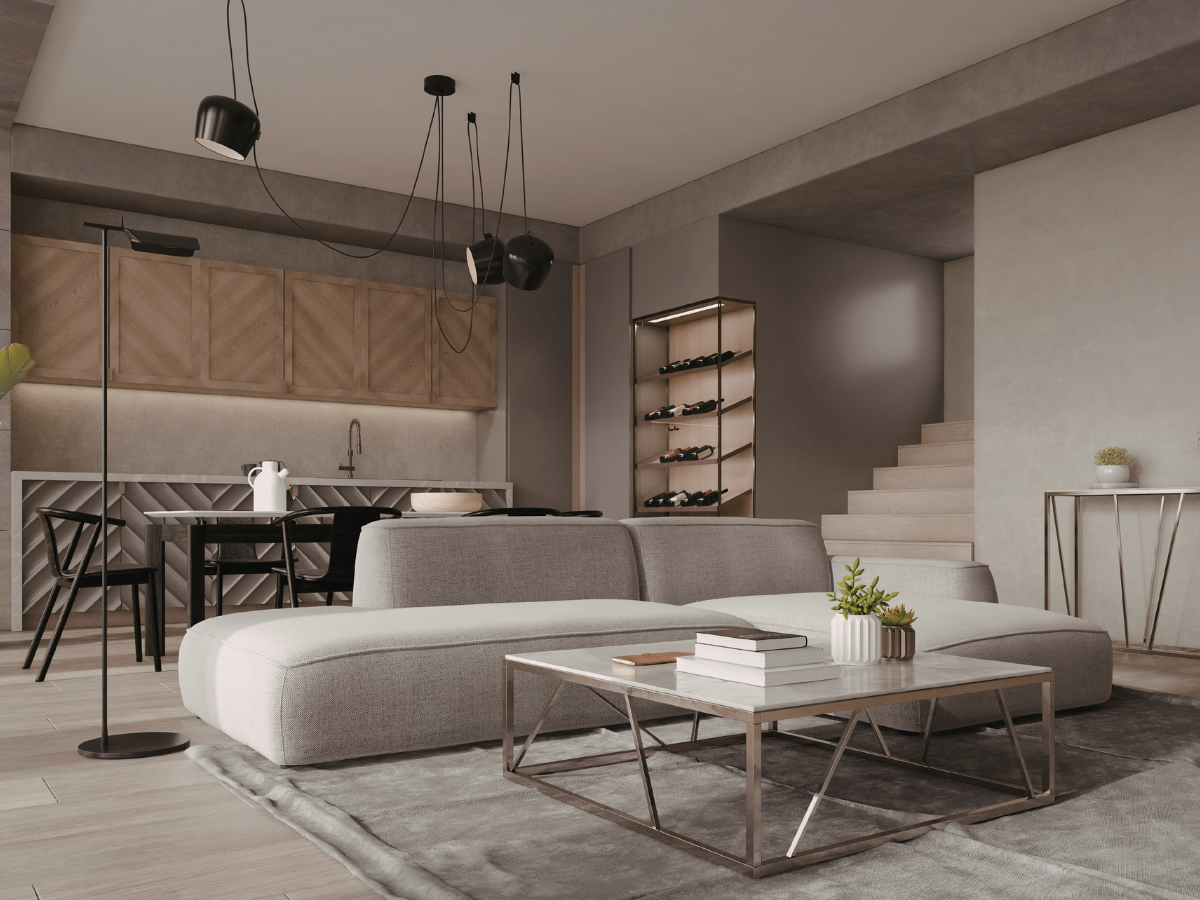
Furniture plays a major role in shaping the feel and functionality of a minimalist home. In smaller spaces, especially, the right furniture choices can make rooms feel more open, organized, and comfortable without sacrificing practicality.
Minimalist design focuses on reducing excess, so furniture should support daily living while keeping visual clutter to a minimum.
One of the most effective ways to achieve this balance is by choosing pieces that serve more than one purpose. Space-saving furniture helps maximize usable square footage while maintaining the clean, uncluttered look that defines minimalist interiors.
Instead of filling a room with separate items for every function, minimalist living encourages thoughtful selections that combine comfort, storage, and versatility.
The goal is not to make a home feel empty or overly simplified. Rather, minimalist design emphasizes furniture that works efficiently within the space and contributes to a calm, cohesive atmosphere.
Which Multifunctional Furniture Pieces Maximize Small Spaces?
Multifunctional furniture is especially valuable in apartments, compact homes, and urban living spaces where every square foot matters. Pieces that adapt to different needs allow homeowners to maintain flexibility without overcrowding a room.
Sofa beds are one of the most common examples because they allow a living room to double as a guest space when needed. This eliminates the need for a dedicated guest room while still providing comfortable accommodations.
Extendable dining tables are another practical option. They remain compact for everyday use but can expand when hosting friends or family. This flexibility helps maintain open floor space without limiting functionality.
Storage ottomans, lift-top coffee tables, and beds with built-in drawers also work well in minimalist design because they reduce the need for extra storage furniture. Hidden storage helps keep surfaces clear and organized, which contributes to the clean appearance associated with minimalist interiors.
Wall-mounted desks and fold-away tables are useful solutions for people working from home in smaller spaces. These pieces provide a dedicated workspace without permanently occupying valuable floor area.
Even modular furniture systems can support minimalist living. Sectional seating with movable components, stackable storage units, or adaptable shelving allows homeowners to reconfigure spaces as their needs change over time.
How To Choose Furniture That Complements Minimalist Design Principles?
Choosing furniture for a minimalist home involves more than simply selecting modern-looking pieces. The best furniture choices balance functionality, proportion, and simplicity while contributing to the overall flow of the room.
Clean lines are one of the defining features of minimalist design. Furniture with simple silhouettes tends to create a calmer visual effect than highly decorative or oversized pieces. Streamlined shapes also make spaces feel less crowded, especially in smaller rooms.
Neutral color palettes often work best because they create consistency throughout the home. Soft whites, beige tones, muted grays, and natural wood finishes help furniture blend into the surrounding environment without overwhelming the space.
Material quality matters as well. Since minimalist interiors typically contain fewer furnishings, each piece becomes more noticeable. Durable materials like solid wood, metal, stone, and high-quality upholstery tend to age better and maintain their appearance longer.
Scale is another important consideration. Oversized furniture can quickly dominate a room and disrupt the sense of openness that minimalist design aims to create. Choosing appropriately sized furniture allows for better movement, improved balance, and a more comfortable layout overall.
Minimalist spaces also benefit from intentional spacing between furniture pieces. Leaving some open space around seating, tables, and storage units helps rooms feel lighter and more breathable instead of being tightly packed.
Why Space-Saving Furniture Supports Long-Term Minimalist Living
Space-saving furniture does more than improve organization. It supports a lifestyle built around intentional use of space and belongings. When furniture serves multiple purposes, homeowners often find they need fewer overall items, which naturally reduces clutter and simplifies maintenance.
Minimalist design works best when rooms feel functional without becoming visually busy. Multifunctional furniture helps create that balance by maximizing efficiency while preserving openness and comfort.
Over time, thoughtful furniture choices can also make a home easier to adapt as needs change. Whether accommodating guests, creating a workspace, or improving storage, flexible furniture solutions allow minimalist homes to remain practical without sacrificing their clean and uncluttered aesthetic.
How Does Natural Light Optimization Enhance Modern Home Aesthetics?
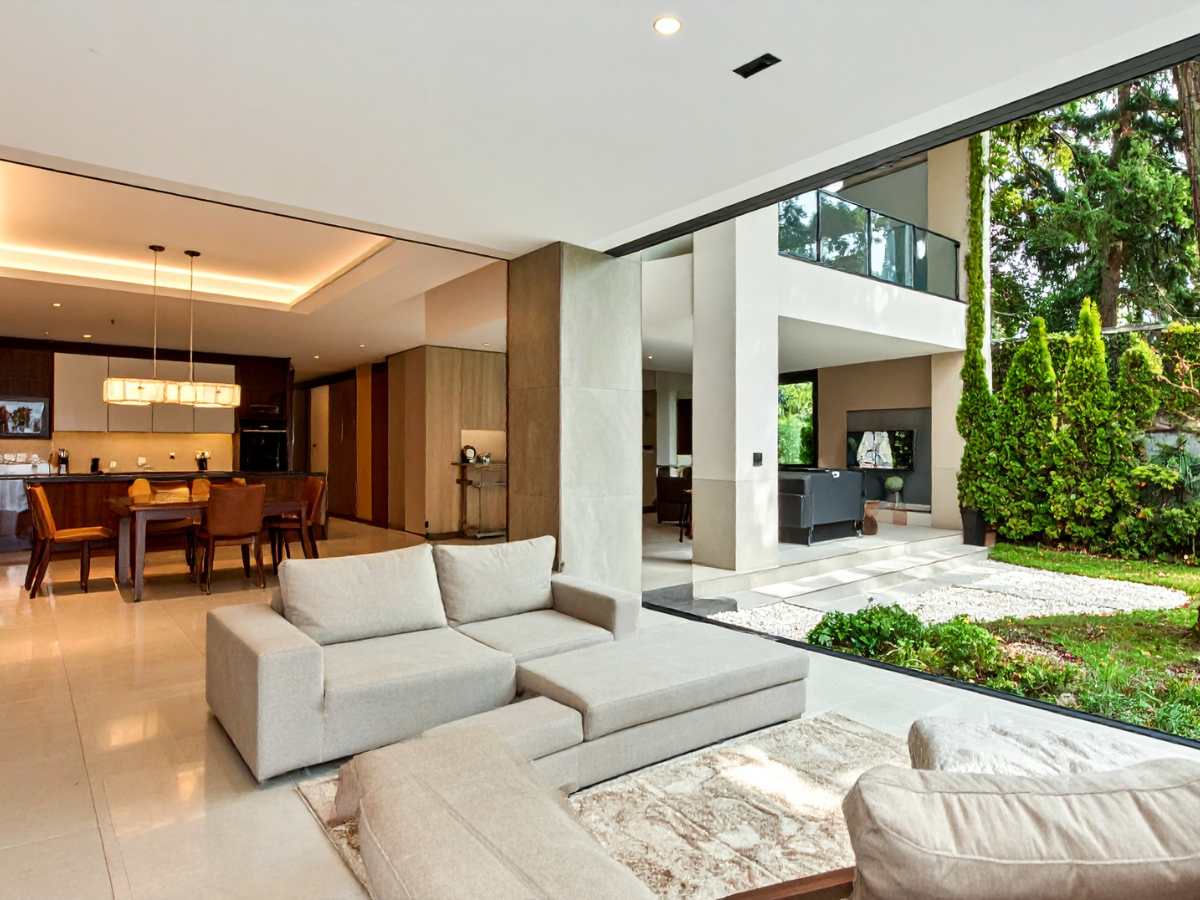
Natural light is one of the most important elements in minimalist design because it helps spaces feel open, calm, and visually balanced. A well-lit room often appears larger, cleaner, and more welcoming without requiring excessive décor or complicated design features.
In minimalist interiors, natural light works alongside neutral colors, open layouts, and simple furnishings to create a sense of clarity. Instead of relying heavily on decorative lighting or visual distractions, these spaces use sunlight to highlight textures, architectural details, and the overall flow of the home.
The relationship between light and minimalist design goes beyond appearance alone. Bright, naturally lit spaces often feel more comfortable and easier to spend time in throughout the day. Even a relatively small room can feel significantly more spacious when natural light is allowed to move freely through the space.
Homes designed with natural light in mind also tend to feel more connected to the outdoors. Large windows, open sightlines, and reflective surfaces help blur the boundary between indoor and outdoor environments, creating a calmer and more relaxed atmosphere.
What Are Techniques To Maximize Natural Light In Minimalist Interiors?
Maximizing natural light does not always require major renovations. In many cases, small design adjustments can noticeably improve how light moves through a home.
Window treatments are one of the first places to start. Heavy curtains can block sunlight and make rooms feel smaller or darker.
Sheer curtains or lightweight blinds allow privacy while still letting in natural light. In some minimalist spaces, homeowners choose to leave windows mostly uncovered to keep rooms feeling bright and open.
Color selection also plays a major role. Light-colored walls, ceilings, and flooring help reflect sunlight throughout the room instead of absorbing it. Soft whites, warm neutrals, and pale gray tones are commonly used in minimalist design because they brighten spaces naturally without feeling harsh.
Mirrors are another effective tool for increasing brightness. Strategically placing a mirror across from a window can reflect sunlight deeper into the room and make the space feel larger. Reflective finishes on furniture or décor can create a similar effect without overwhelming the minimalist aesthetic.
Furniture placement matters as well. Large furniture pieces positioned directly in front of windows can interrupt the flow of natural light. Keeping layouts more open allows sunlight to move more freely through the home.
Open floor plans naturally support better light distribution because fewer walls block sunlight from reaching surrounding areas. Even in smaller homes, removing unnecessary visual barriers can help rooms feel brighter and more connected.
How Does Natural Light Influence Mood And Space Perception?
The benefits of natural light extend well beyond aesthetics. Research continues to show strong connections between sunlight exposure, mood, productivity, and overall well-being.
Bright spaces often feel more energizing and comfortable than dim or artificially lit environments. Exposure to natural light helps regulate circadian rhythms, which influence sleep patterns, focus, and daily energy levels. Homes that receive consistent daylight throughout the day often feel more uplifting and less enclosed.
Natural light also changes how people perceive space. A smaller room with good lighting can feel significantly larger and more open than a bigger room with poor lighting. This effect is especially valuable in minimalist design, where simplicity and openness are central goals.
Shadows, contrast, and changing daylight patterns also add subtle visual interest to minimalist interiors. Because minimalist spaces contain fewer decorative elements, natural light becomes an active part of the design itself.
Sunlight interacting with textures like wood, linen, stone, or matte finishes creates depth without adding clutter.
Research on light exposure further highlights the importance of healthy lighting environments. Studies have shown that poor lighting conditions and excessive artificial light exposure can negatively affect mood and emotional well-being over time.
Why Natural Light Is Essential In Minimalist Design
Natural light supports nearly every core principle of minimalist design. It enhances openness, reduces reliance on excessive decoration, and helps rooms feel calm and functional without visual overload.
Rather than filling a space with unnecessary objects, minimalist interiors rely on thoughtful design choices that improve comfort and livability. Natural light is one of the most effective ways to achieve that balance.
By prioritizing sunlight through layout, color selection, and intentional design decisions, homeowners can create interiors that feel brighter, more spacious, and more enjoyable to live in every day.
Why Are Eco-Friendly Materials Important in Minimalist Home Design?
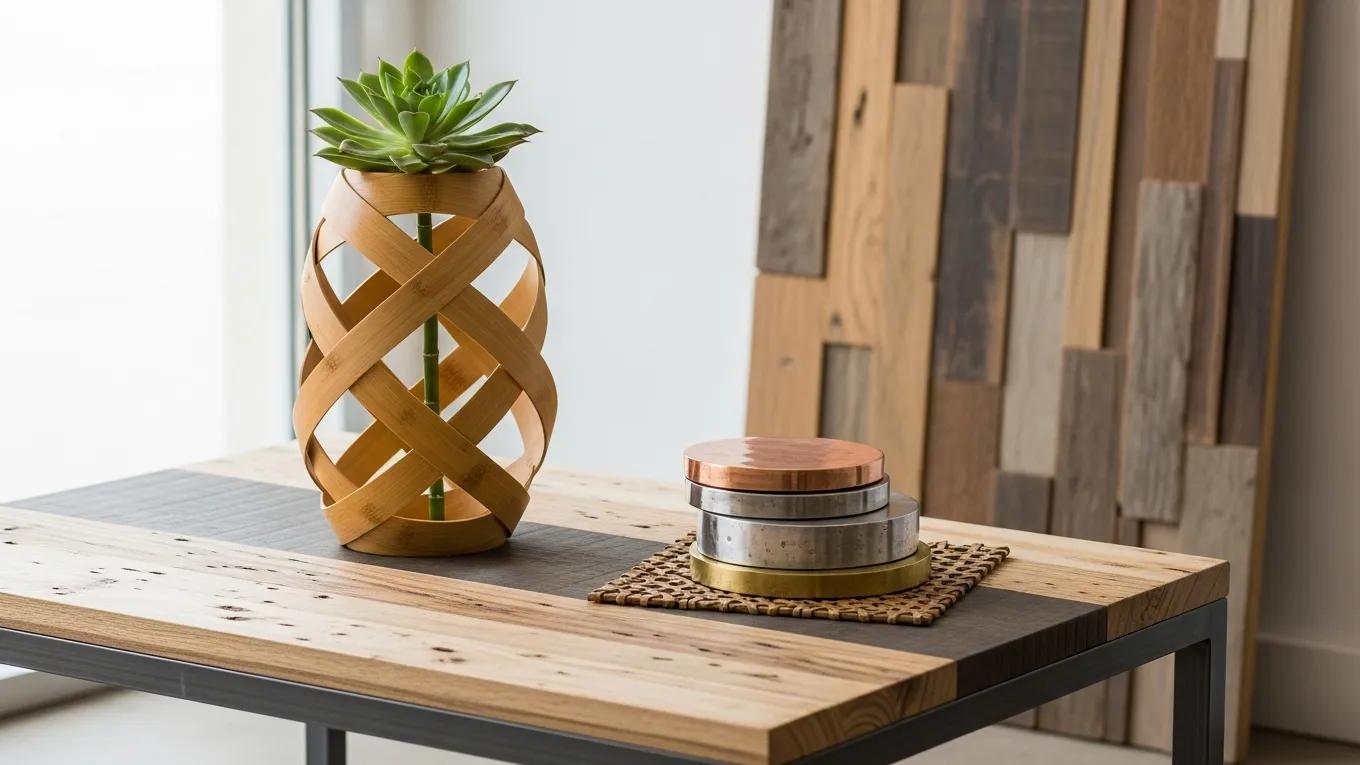
Eco-friendly materials have become an important part of modern minimalist design because they support both sustainability and long-term functionality. Minimalism is built around the idea of intentional living, and that naturally aligns with choosing materials that are durable, responsibly sourced, and designed to last.
Rather than filling a home with disposable or trend-driven items, minimalist design encourages thoughtful decisions about what enters a space. Eco-friendly materials support this approach by reducing waste and emphasizing quality over excess.
Many sustainable materials also bring natural texture and warmth into minimalist interiors, helping rooms feel comfortable without relying on unnecessary decoration.
Sustainability is not only about environmental impact. It also influences how a home feels and functions over time. Materials that age well, require less replacement, and maintain their appearance contribute to a more practical and low-maintenance living environment.
Minimalist design often favors fewer but better furnishings and finishes. Choosing sustainable options allows homeowners to create spaces that are visually clean while also reflecting more responsible consumption habits.
Which Sustainable Materials Align With Modern Aesthetic Trends?
Many sustainable materials work especially well in minimalist interiors because they complement the clean lines and natural textures commonly found in modern spaces.
Bamboo is a popular option because it is renewable, lightweight, and visually versatile. Its simple grain pattern fits naturally into minimalist design while offering durability for flooring, furniture, and decorative accents.
Reclaimed wood is another widely used material. It adds warmth and character without feeling overly rustic or heavy. In minimalist interiors, reclaimed wood is often used sparingly for shelving, dining tables, or accent walls to create texture while maintaining simplicity.
Recycled metal and glass are also increasingly common in modern minimalist homes. These materials work particularly well in lighting fixtures, hardware, and furniture frames because they provide clean, streamlined finishes without excessive ornamentation.
Natural stone, cork, linen, and organic cotton are additional materials frequently associated with sustainable minimalist design. These materials create subtle visual variation and help soften spaces that might otherwise feel too stark or industrial.
Many homeowners are also prioritizing low-VOC paints, sustainable insulation, and responsibly manufactured cabinetry as part of a broader focus on healthier indoor environments. These choices improve air quality while supporting the minimalist goal of creating calm and functional living spaces.
How To Incorporate Eco-Friendly Elements Without Cluttering?
One challenge in minimalist design is introducing personality and texture without overcrowding the space. Eco-friendly elements can help achieve this balance when used intentionally.
Instead of adding numerous decorative accessories, focus on a smaller number of well-made pieces with natural materials or practical functionality. A solid wood coffee table with built-in storage, for example, can provide warmth, organization, and visual simplicity all at once.
Textiles are another effective way to incorporate eco-friendly materials subtly. Linen curtains, organic cotton bedding, wool rugs, or woven baskets add texture and softness while keeping the overall design restrained and cohesive.
Color palettes also help maintain simplicity. Neutral tones paired with natural materials create a calm and unified appearance that supports minimalist design without making rooms feel sterile. Warm beige, soft white, muted gray, and earthy tones tend to work especially well in sustainable interiors.
Plants can introduce eco-friendly design elements naturally, but restraint is important. A few carefully placed plants often create more visual impact than filling every surface with greenery. In minimalist spaces, intentional placement matters more than quantity.
Lighting choices also contribute to sustainability without adding clutter. Energy-efficient fixtures, LED lighting, and large windows that maximize natural light support both environmental goals and minimalist aesthetics.
Why Sustainability And Minimalist Design Work Well Together
Minimalist design and sustainable living share many of the same principles. Both emphasize intentional choices, reduced waste, and long-term value rather than constant consumption or unnecessary excess.
Eco-friendly materials strengthen minimalist interiors because they combine practicality with timeless visual appeal. Instead of relying on short-lived trends, these materials create spaces that feel grounded, durable, and adaptable over time.
By focusing on quality craftsmanship, natural textures, and functional simplicity, homeowners can create minimalist spaces that are not only visually clean but also environmentally responsible and comfortable for everyday living.
Frequently Asked Questions
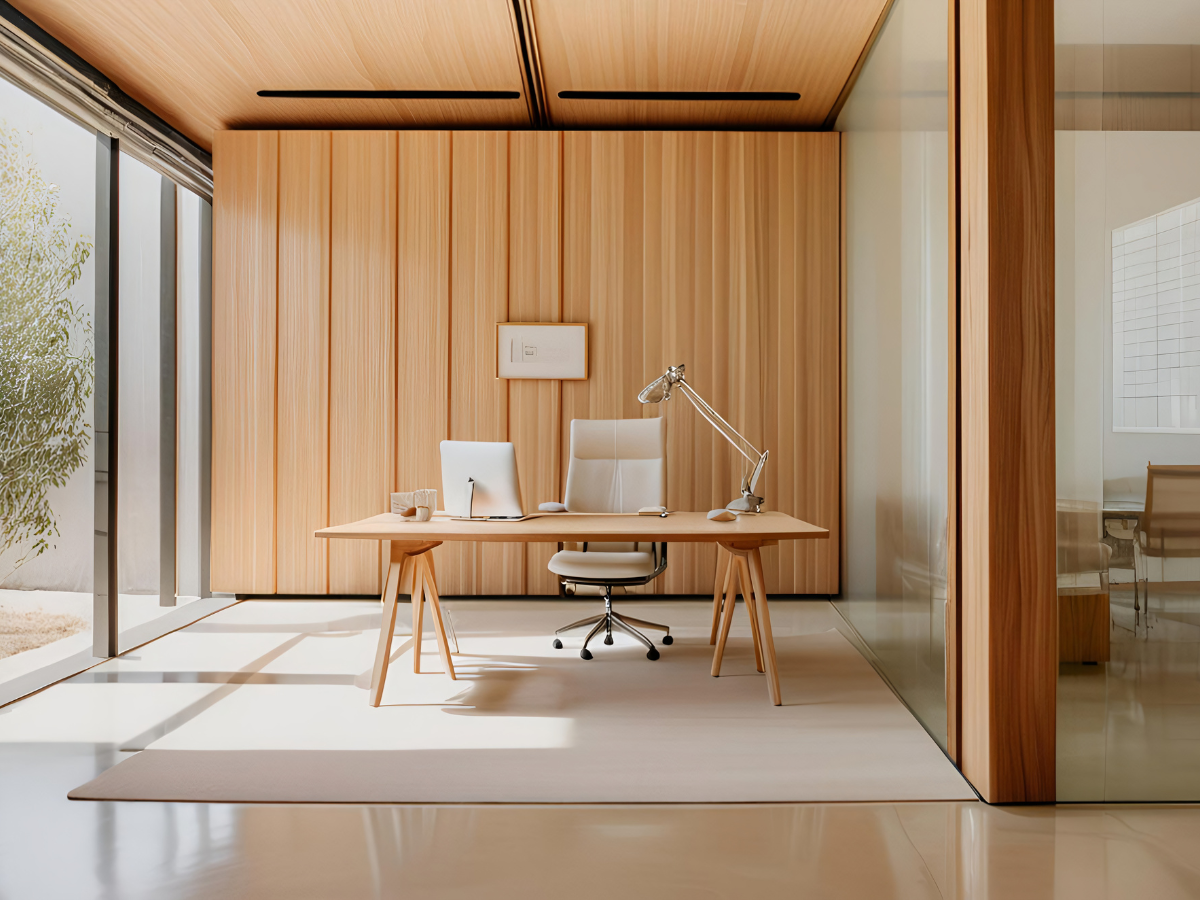
As you embark on your journey toward minimalist home design, you may have several questions regarding the process and its implications. Addressing these common queries can provide clarity and confidence as you make changes to your living space.
How Do I Maintain Minimalism While Using Flooring and Carpet Services?
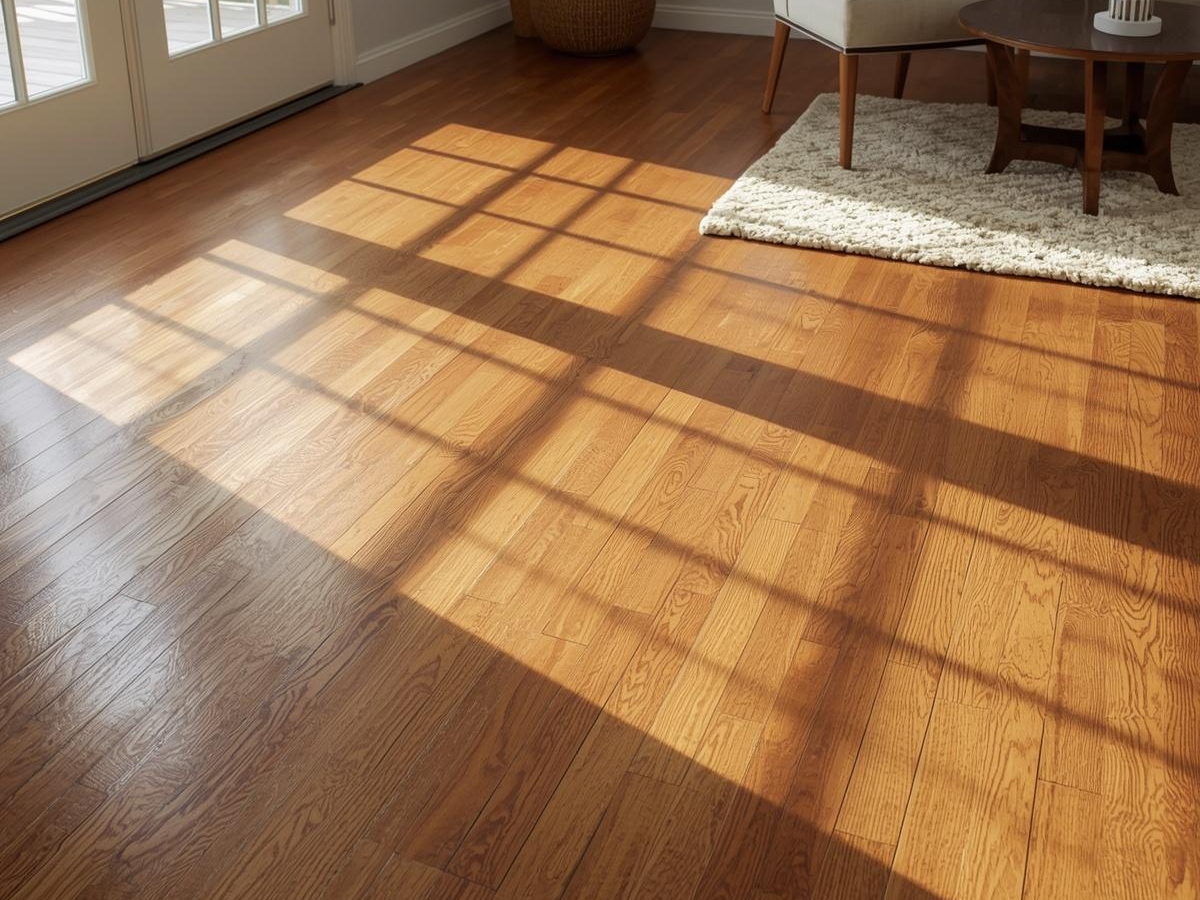
When selecting flooring and carpet services, prioritize materials that align with minimalist principles. Choose simple, neutral designs that complement your overall aesthetic. Additionally, consider sustainable options such as bamboo or cork flooring, which offer both style and environmental benefits.
What Are Tips for Integrating Minimalist Design with Home Restoration?
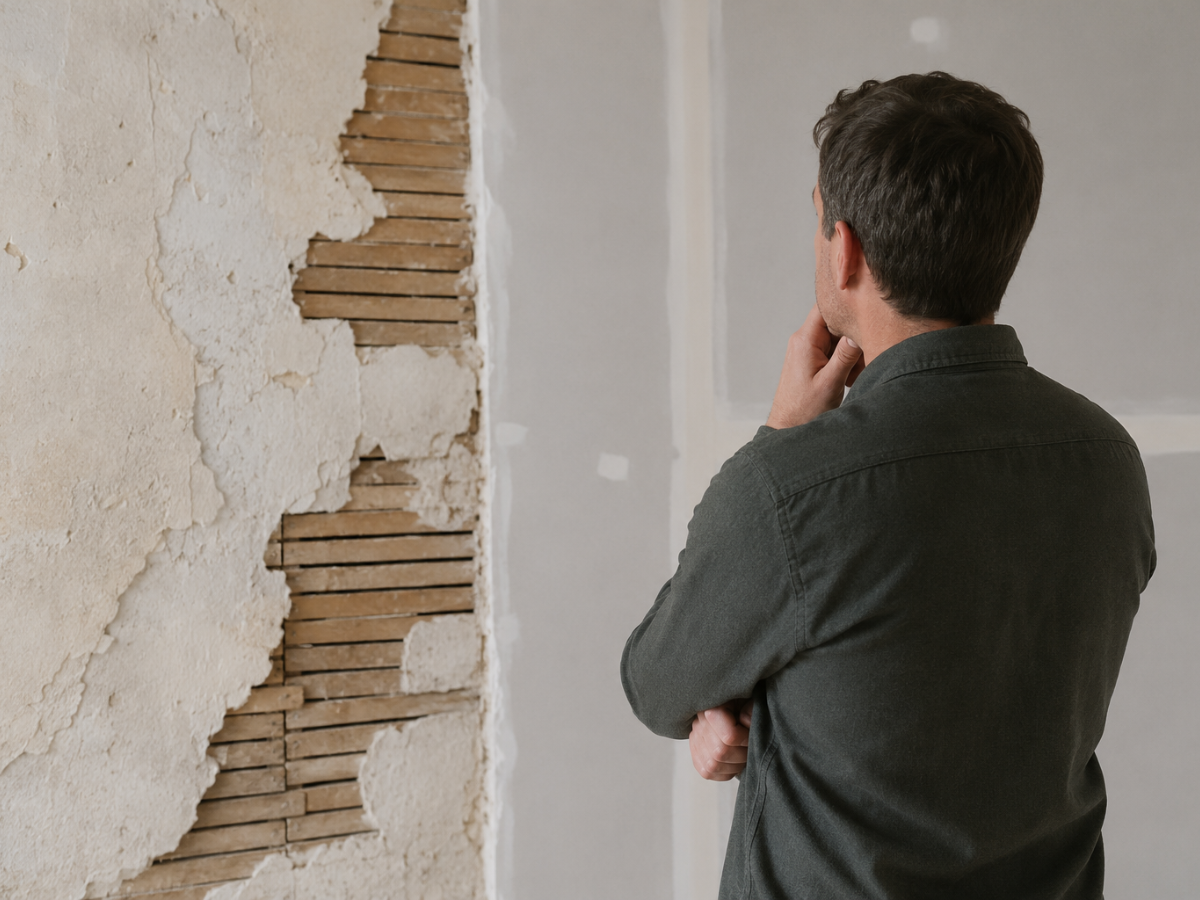
Integrating minimalist design with home restoration involves focusing on essential elements while preserving the character of your space. Emphasize clean lines and functional layouts, and choose materials that enhance the original architecture without overwhelming it. This approach allows you to maintain the integrity of your home while embracing a modern aesthetic.
How Can You Measure and Maintain Your Minimalist Home Design Progress?
To measure and maintain your minimalist home design progress, establish clear goals and regularly assess your space. Create a checklist of areas to declutter and evaluate the effectiveness of your design choices. This ongoing process ensures that your home remains aligned with your minimalist values.
What Tools Help Track Decluttering and Design Updates?
Utilizing tools such as apps for organization and design planning can streamline the decluttering process. Consider using digital platforms that allow you to visualize your space and track your progress. These tools can help you stay focused and motivated as you work toward achieving your minimalist goals.
How Often Should Minimalist Spaces Be Reviewed and Updated?
Regularly reviewing and updating your minimalist space is essential for maintaining its integrity. Aim to assess your home every few months, making adjustments as needed to ensure that it continues to reflect your lifestyle and values. This practice not only keeps your space fresh but also reinforces your commitment to minimalism.
Where Can You Find Inspiration and Resources for Minimalist Home Design?
Finding inspiration for minimalist home design can be as simple as exploring design blogs, magazines, and social media platforms. Look for resources that showcase minimalist aesthetics and provide practical tips for implementation. Engaging with these materials can spark creativity and help you refine your design vision.
Which Design Blogs and Magazines Offer Modern Minimalist Ideas?
Several design blogs and magazines focus on modern minimalist ideas, offering a wealth of inspiration and practical advice. Publications such as “Dwell,” “Apartment Therapy,” and “Minimalissimo” provide insights into the latest trends and showcase stunning minimalist spaces that can inspire your own design journey.
How Do Visual Aids Like Mood Boards and Diagrams Support Design Planning?
Visual aids such as mood boards and diagrams are invaluable tools for design planning. They help you visualize your ideas and ensure that all elements work harmoniously together. By creating a mood board that reflects your desired aesthetic, you can make more informed decisions about color schemes, furniture choices, and overall design direction.
Conclusion
Embracing minimalist design is about more than just decluttering—it’s about creating a home that feels calm, intentional, and functional, where every piece serves a purpose and brings you joy.
For expert help with home restoration, flooring updates, or creating a clean, streamlined space that aligns with minimalist principles, trust Restor-It, Inc. With over 25 years of experience serving Atlanta homeowners, they bring quality craftsmanship and transparent communication to every project.
Ready to simplify your space and elevate your everyday life? Call (678) 355-6645 or visit our website for a free quote today. Let our team help you create a home that’s both beautiful and beautifully simple.