Kitchen flooring has to survive a lot before appearance even enters the conversation. Spilled drinks, dropped utensils, muddy shoes, cooking messes, heavy foot traffic, and the occasional plumbing mishap can all test the surface under your feet.
That makes the tile vs hardwood decision about more than which material looks better with your cabinets. Tile offers strong moisture resistance and plenty of design flexibility, while hardwood brings natural warmth and character but comes with different care considerations.
Comfort, durability, maintenance, installation costs, and long-term value can also influence which option makes sense for your household.
Rather than choosing based on looks alone, comparing how tile and hardwood perform in a real kitchen can help you find flooring that suits your design style and the way you actually use the space.
Tile vs Hardwood for Kitchens: A Practical Comparison
Tile vs Hardwood: Quick Kitchen Flooring Comparison
Choosing between tile and hardwood in a kitchen usually comes down to how the room is used, how much moisture it sees, and what kind of feel you want underfoot. Both can be durable, attractive choices, but they respond very differently to spills, impact, temperature, scratches, and long-term wear.
This tile vs hardwood comparison gives you the major trade-offs first so you can narrow the decision before looking at installation, maintenance, cost, and design in more detail.
| Factor | Tile | Hardwood |
|---|---|---|
| Water resistance | Porcelain and many ceramic tiles handle surface moisture well when properly installed, although grout and the subfloor still need protection from prolonged water exposure. | More sensitive to standing water and repeated moisture exposure. Spills should be cleaned promptly to reduce the risk of staining, cupping, or other damage. |
| Scratch and dent resistance | Highly resistant to everyday scratching, especially with harder porcelain tile. Individual tiles can still chip or crack from heavy impacts. | Can scratch or dent from furniture, pet nails, grit, and dropped objects. The finish and wood species affect how visible wear becomes. |
| Comfort underfoot | Hard and often cool underfoot, which some homeowners find less comfortable during long periods of standing. | Warmer and slightly more forgiving underfoot, giving kitchens a softer residential feel. |
| Maintenance | Routine sweeping and mopping are straightforward, but grout may need additional cleaning or maintenance over time. | Regular sweeping and manufacturer-approved cleaning are usually simple, but excess water and harsh cleaners should be avoided. |
| Repairability | A damaged tile can sometimes be replaced individually if a matching replacement is available and the surrounding installation remains intact. | Surface wear can often be addressed through screening or refinishing, depending on the floor’s condition and construction. |
| Installation | Requires a flat, stable substrate and careful layout. Cutting tile, setting it evenly, and grouting can make installation labor-intensive. | Installation requirements vary by flooring type and subfloor. Solid hardwood commonly involves fastening, while some engineered products allow other installation methods. |
| Upfront cost | Varies widely by tile material, size, pattern, and installation complexity. Intricate layouts and extensive subfloor preparation can increase labor costs. | Varies by species, grade, plank width, finish, and whether the product is solid or engineered. Premium wood and complex installation generally cost more. |
| Lifespan | Quality tile can remain serviceable for decades when the substrate and installation hold up. Damaged individual pieces may be replaceable without replacing the entire floor. | Well-maintained hardwood can also last for decades, and solid hardwood may be refinished multiple times rather than replaced when the surface becomes worn. |
| Design flexibility | Available in a broad range of colors, formats, patterns, stone looks, and wood-look designs. | Offers natural grain, color variation, plank dimensions, stains, and finishes, with an appearance that can change through refinishing. |
| Best suited for | Kitchens where water resistance, easy surface cleaning, and resistance to scratches are high priorities. | Kitchens where warmth, natural wood character, comfort, and future refinishing potential matter more than maximum moisture resistance. |
Neither material is automatically the better kitchen floor. The right choice depends on how your household uses the space, which tradeoffs matter most, and how the flooring needs to perform over time.
Which Is More Durable: Tile or Hardwood?
Tile generally resists scratches, dents, and everyday surface wear better than hardwood. However, tile can chip or crack under heavy impact, while hardwood may show more surface wear but often provides more options for renewing the finish.
How Tile Handles Everyday Kitchen Wear
Porcelain and ceramic tile hold up well against chair movement, pet traffic, shoes, and routine kitchen activity. Their scratch resistance can be particularly useful in busy households.
Tile is not indestructible. Heavy dropped objects can chip or crack individual pieces, and an unstable or poorly prepared substrate can make cracking more likely.
For high-traffic kitchens, tile can therefore offer strong resistance to the smaller marks that accumulate during daily use. A broader comparison of flooring for high-traffic areas also shows why porcelain and ceramic tile are often considered alongside other durable flooring materials for rooms that see constant activity.
How Hardwood Handles Scratches, Dents, and Heavy Traffic
Hardwood is more susceptible to scratches and dents from pet nails, grit, furniture, dropped objects, and repeated traffic.
How quickly wear becomes noticeable depends on the wood species, finish, color, grain pattern, and household habits. Some marks affect only the finish, while deeper scratches and dents reach the wood itself.
High-traffic paths between appliances and adjoining rooms may show wear first. Regular cleaning, felt furniture pads, rugs, and keeping pet nails maintained can help reduce unnecessary abrasion.
Does Hardwood Wear Mean It Needs to Be Replaced?
Usually not. Minor finish wear may sometimes be addressed through screening and recoating, while more substantial wear on solid hardwood may be corrected through sanding and refinishing.
Refinishing potential depends on the floor’s construction and remaining wear layer. Solid hardwood generally allows more refinishing than engineered products with thin wood veneers.
Which Is Easier to Repair: Tile or Hardwood?
A damaged tile can sometimes be replaced individually if matching material is available and the surrounding installation remains sound. Keeping spare tiles after installation can make future repairs easier.
Hardwood may be repaired locally or across a larger area. Individual boards can sometimes be replaced, while broader finish wear may call for screening or refinishing.
Professional flooring and subflooring repairs can involve evaluating what is happening below the visible flooring before deciding whether repair or replacement makes more sense.
Which Material Has the Durability Advantage?
Tile generally has the advantage for scratch, dent, and abrasion resistance. Hardwood offers greater potential for renewing a worn surface. Consider which type of damage is most likely in your kitchen rather than treating durability as a single measurement.
Tile vs Hardwood: Which Handles Kitchen Moisture Better?
Tile has the advantage when spills, wet shoes, pet bowls, or appliance leaks are common concerns. Hardwood can perform well in kitchens, but it is less forgiving when water remains on the surface or reaches the seams between boards.
What Happens When Tile Gets Wet?
Porcelain and ceramic tile handle ordinary spills and damp cleaning well because the tile itself does not swell or warp. The materials underneath still need protection. Cracked grout, failed joints, or prolonged leaks can allow moisture to reach the underlayment or subfloor even when the tile surface appears intact.
What Happens When Hardwood Gets Wet?
Small spills are generally manageable when cleaned promptly. Prolonged or repeated moisture can cause staining, swelling, cupping, or other changes. The finish provides protection but is not a permanent moisture barrier. Worn areas, scratches, and gaps can make it easier for water to reach the wood.
Engineered hardwood may respond differently from solid wood because of its layered construction. Homeowners considering wood in a kitchen may want to compare solid hardwood and engineered hardwood before deciding which type is better suited to the room.
Is Wood-Look Tile a Good Alternative to Hardwood?
Wood-look tile offers plank-inspired visuals with greater resistance to routine moisture. It can mimic wood grain and color while retaining many of tile’s performance characteristics.
It still feels like tile, however. The surface is harder and often cooler, grout remains part of the floor, and it cannot be refinished like many hardwood floors.
Which Is More Comfortable in a Kitchen: Tile or Hardwood?
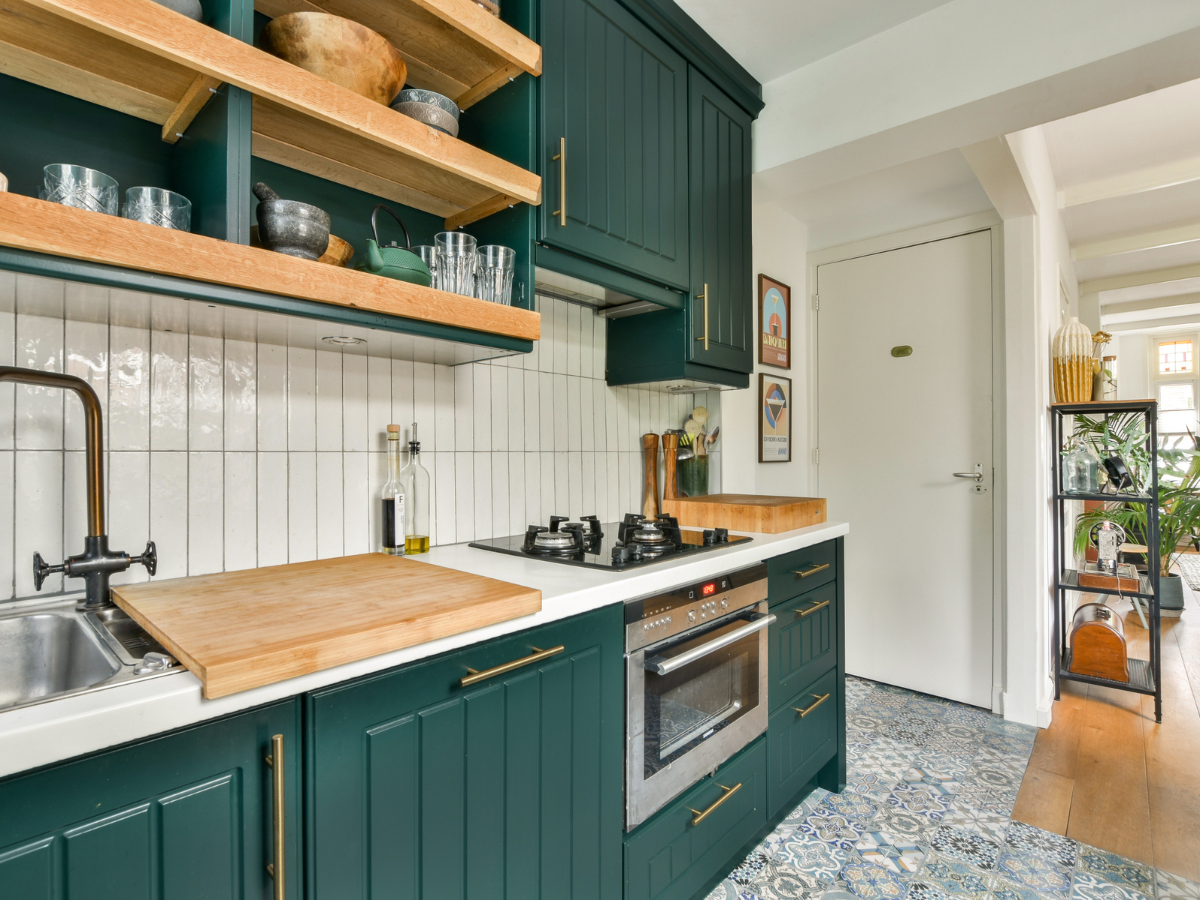
Hardwood generally feels warmer and slightly more forgiving underfoot than tile, which can matter when people spend long periods cooking or cleaning. Actual comfort also depends on room temperature, footwear, rugs, subfloor construction, and how long you typically stand in the kitchen.
Which Flooring Feels Warmer Underfoot?
Hardwood tends to feel warmer because wood does not conduct heat as readily as tile. Tile can therefore feel cooler even when both surfaces are at the same room temperature. Radiant heating can make tile more comfortable in colder conditions, although it adds installation complexity and cost.
Is Hardwood More Comfortable for Standing?
Tile has very little give, which some people find tiring during long periods at the sink or prep area. Hardwood is still a hard flooring material but has slightly more natural resilience. Anti-fatigue mats or rugs can improve comfort with either flooring when placed where they will not create a slipping or tripping hazard.
Which Flooring Is Quieter in an Open-Plan Kitchen?
Hardwood generally creates a softer acoustic feel than tile. Tile can make footsteps, chair movement, and dropped objects sound sharper, particularly in open spaces with few soft furnishings.
Flooring is only one factor. Rugs, curtains, furniture, underlayment, and the structure beneath the floor also influence how sound travels.
Which Is Better if Comfort Is the Priority?
Hardwood generally has the advantage when warmth, standing comfort, and a quieter feel are priorities. Tile may still make more sense when moisture or scratch resistance matters more. Rugs and radiant heating can also change how either floor feels, although those additions affect cost and maintenance.
Which Is Easier to Clean and Maintain: Tile or Hardwood?
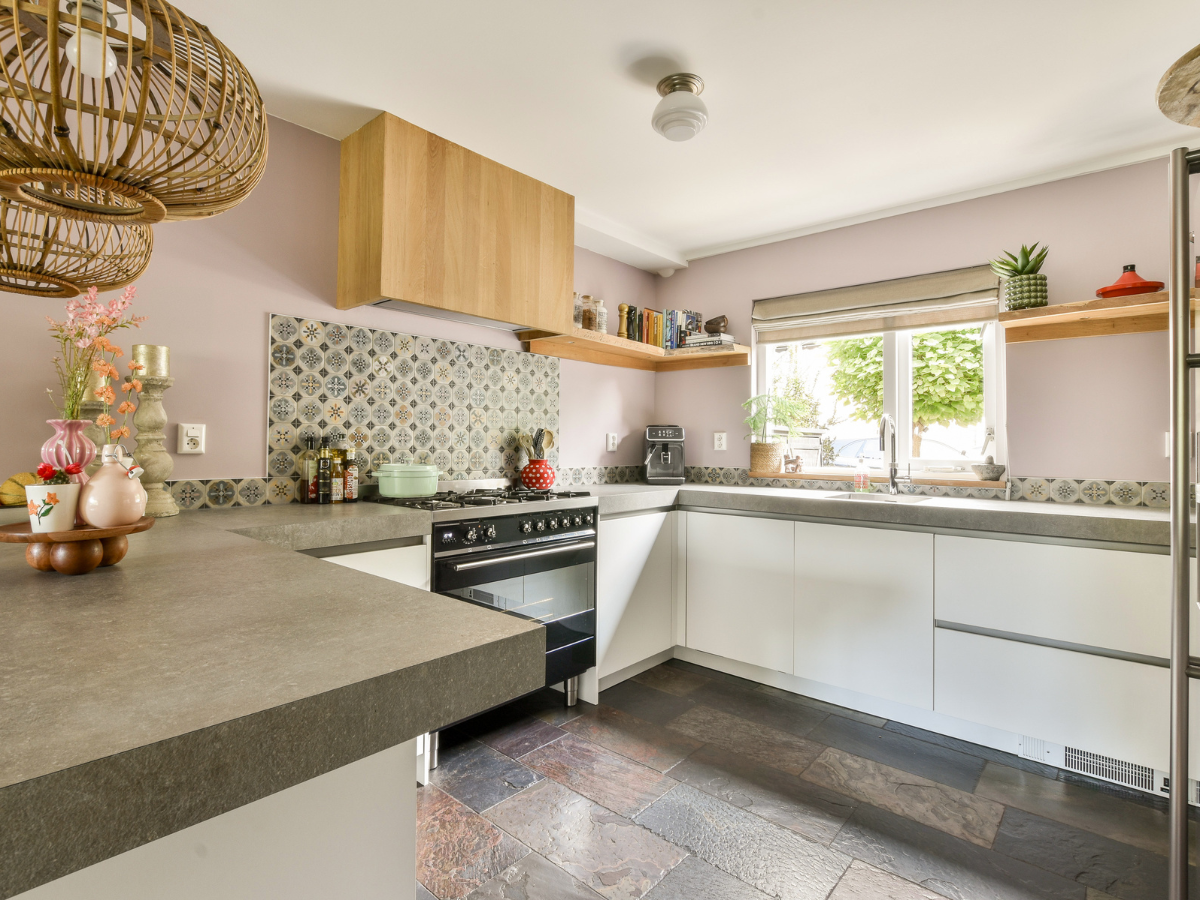
Tile generally requires less day-to-day caution, while hardwood needs more attention to moisture and surface protection. Tile’s maintenance tends to center on grout and damaged pieces, while hardwood may eventually require finish renewal.
What Does Routine Tile Cleaning Involve?
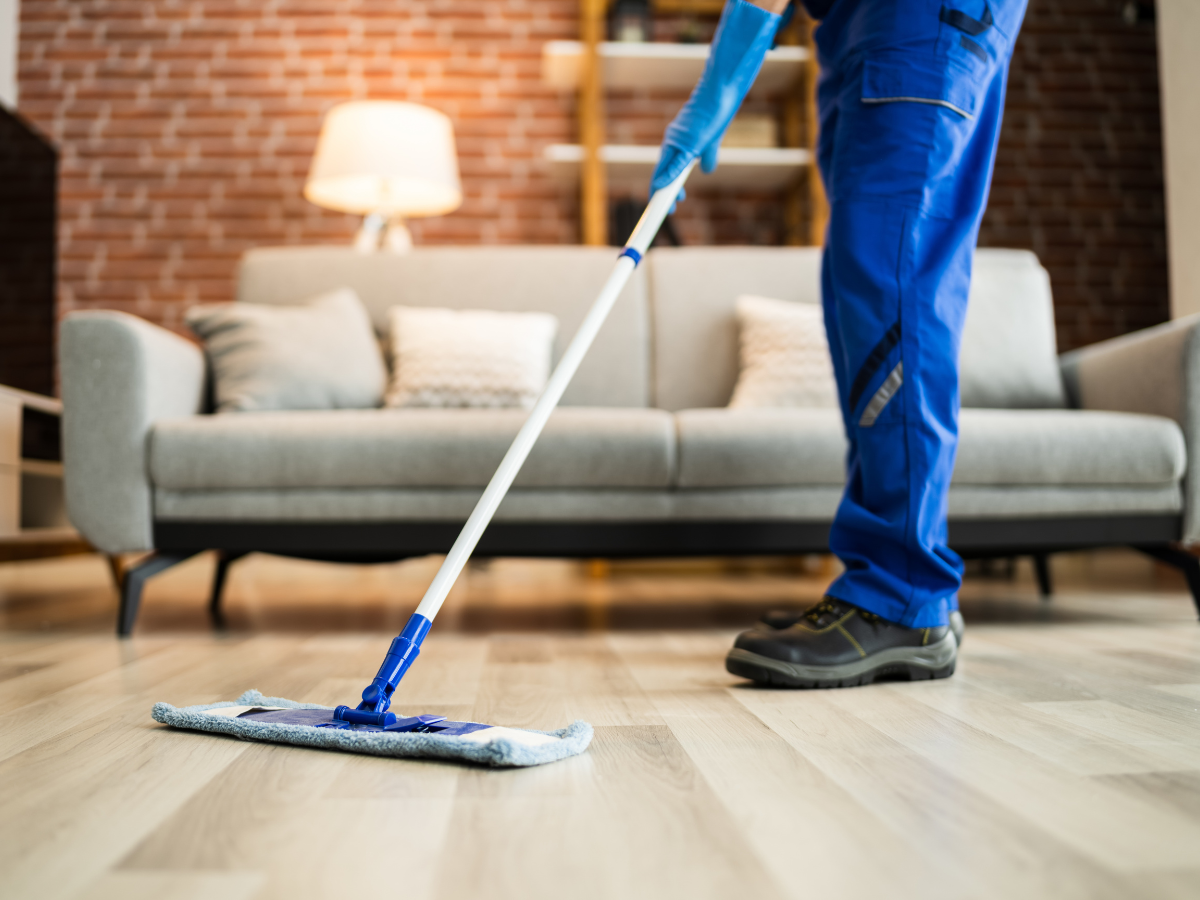
Ceramic and porcelain tile can usually be maintained with sweeping or vacuuming followed by damp mopping with an appropriate cleaner.
Grout may require additional attention because dirt and stains can collect in the joints. Some cement-based grout may also benefit from periodic sealing, while other products have different requirements. Avoid harsh or highly acidic cleaners that could damage tile finishes, grout, or sealers.
How Should Hardwood Floors Be Cleaned?
Regularly remove dust, sand, and grit that could scratch the finish. For deeper cleaning, use products and methods approved for the specific flooring and avoid saturating the boards. Prompt spill cleanup, felt furniture pads, entrance mats, and appropriate cleaners can help preserve the finish.
What Maintenance Is Needed Over the Long Term?
Tile tends to need localized attention as it ages. Grout may discolor or deteriorate, and an individual chipped or cracked tile may need replacement, which is easier when spare matching material was saved from the original installation.
Hardwood often develops wear more gradually across traffic paths. A floor with a sound surface may eventually need recoating, while deeper scratches or widespread finish wear can call for sanding and refinishing if the flooring construction allows it.
Regular care and long-term hardwood floor maintenance can help delay more extensive restoration.
The distinction is useful when comparing tile vs hardwood because “easy maintenance” means different things for each material. Tile is generally more forgiving during everyday cleaning, while hardwood asks for more preventive care but may offer greater potential to renew a worn surface instead of replacing the floor.
How Do Tile and Hardwood Compare on Cost?
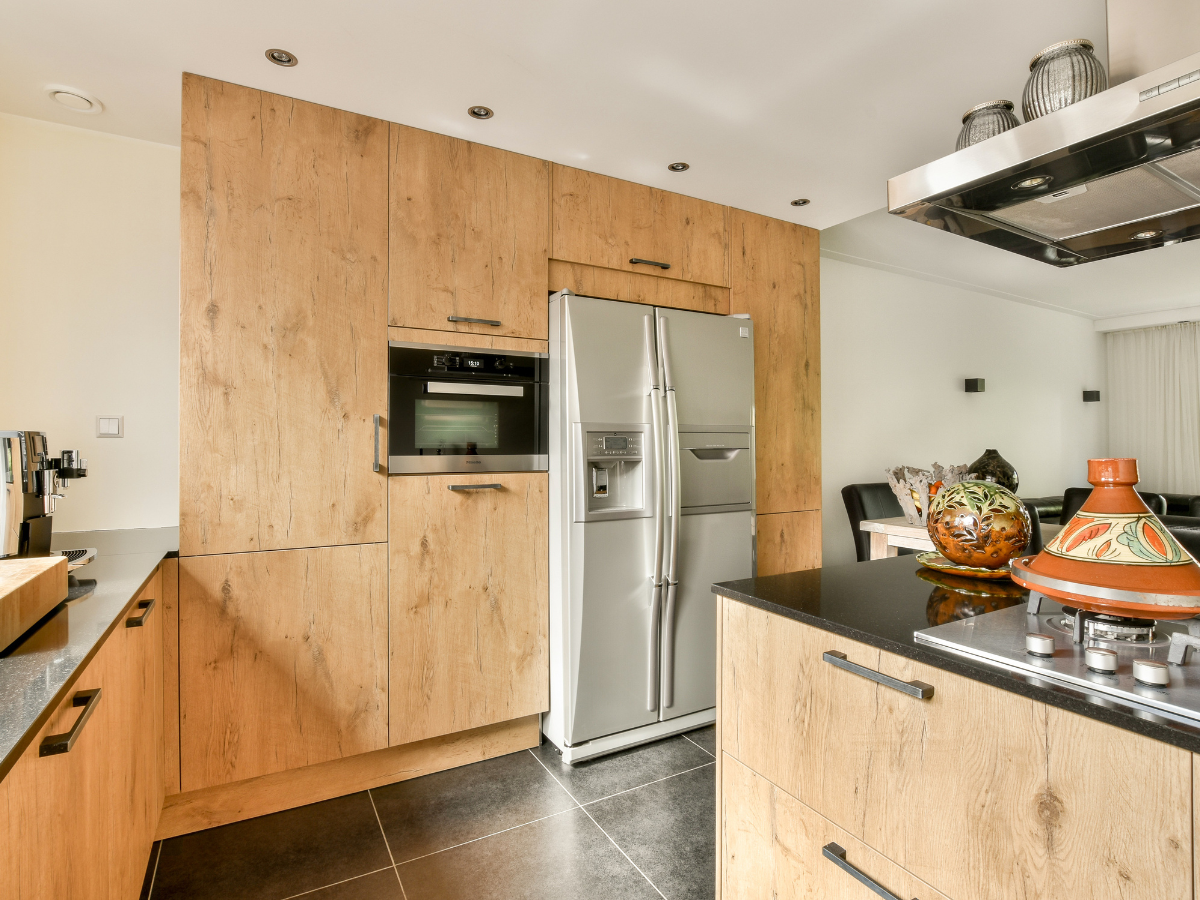
Neither material is automatically cheaper. Material selection, installation requirements, subfloor condition, and project complexity can all change the final price.
A basic ceramic tile may cost less than premium hardwood, while specialty porcelain or natural stone can cost considerably more. Hardwood prices also vary by species, grade, plank width, construction, and finish.
What Affects the Material Cost?
Tile pricing varies with material, size, finish, and design. Ceramic often provides more budget-conscious choices, while porcelain, natural stone, decorative products, and complex patterns can increase costs.
Hardwood pricing depends on species, grade, plank dimensions, construction, and finish. Both projects should also budget for waste, particularly in kitchens with irregular layouts or installations requiring numerous cuts.
Why Can Installation Cost as Much as the Flooring?
Removing old flooring, preparing or repairing the subfloor, moving appliances, creating transitions, and disposing of materials can add significant labor.
Tile may require leveling, precise cuts, pattern alignment, setting, and grouting. Hardwood installation costs vary according to whether the product is nailed, glued, floated, or finished on site.
For either material, the condition of the existing floor can change the quote considerably. Professional flooring installation may involve tile, hardwood, subfloor preparation, and other project-specific work, so estimates should separate those components rather than presenting one unexplained square-foot price.
Which Flooring Costs More Over Time?
Tile may eventually need grout maintenance or individual repairs. Hardwood can require recoating or refinishing as the finish wears. Rather than comparing purchase prices alone, consider material, removal, preparation, installation, maintenance, repair, and eventual renewal or replacement.
How Do Tile and Hardwood Change the Look of a Kitchen?
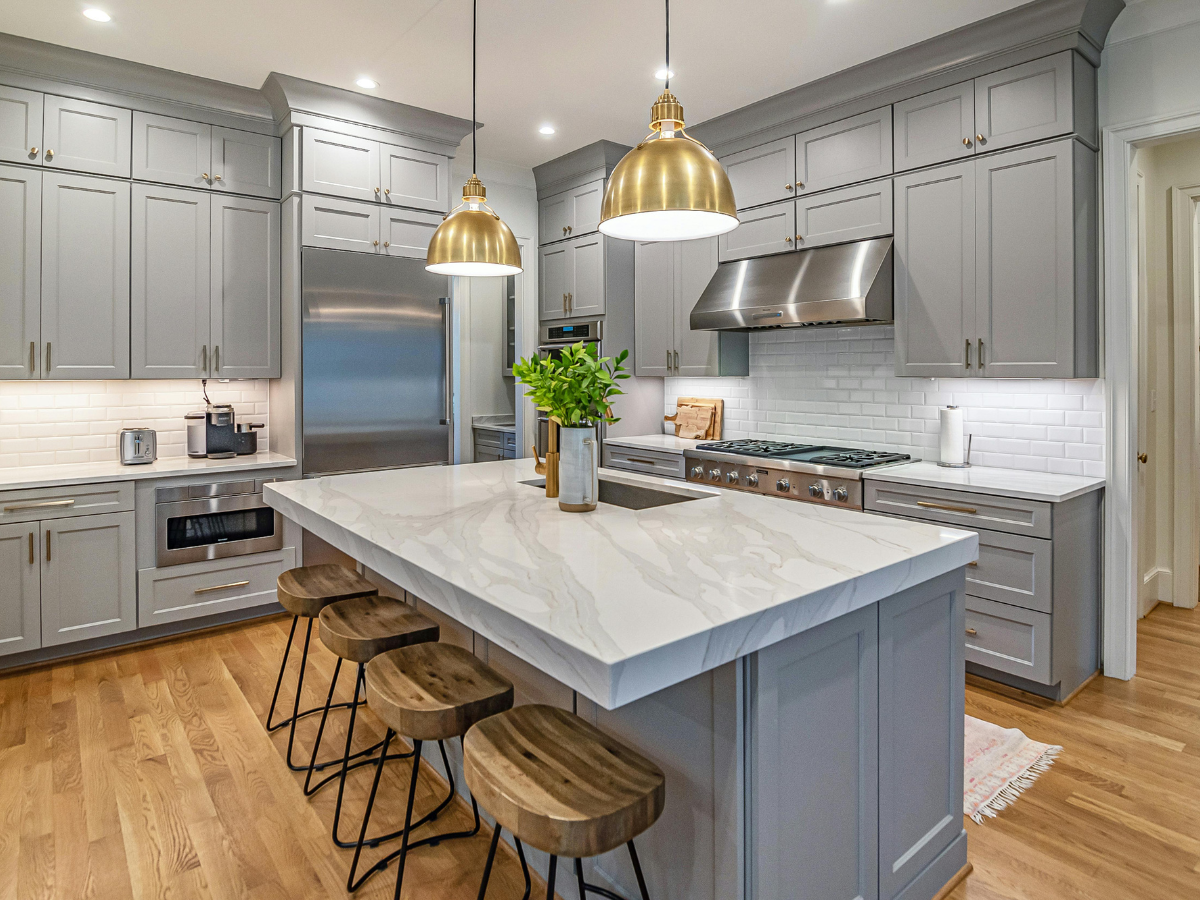
Tile provides more freedom with pattern, shape, color, and material-inspired finishes. Hardwood emphasizes natural grain and can create stronger visual continuity with adjoining living areas.
Cabinets, countertops, wall colors, and natural light also influence how flooring appears, so samples should be viewed in the kitchen whenever possible.
What Design Options Does Tile Offer?
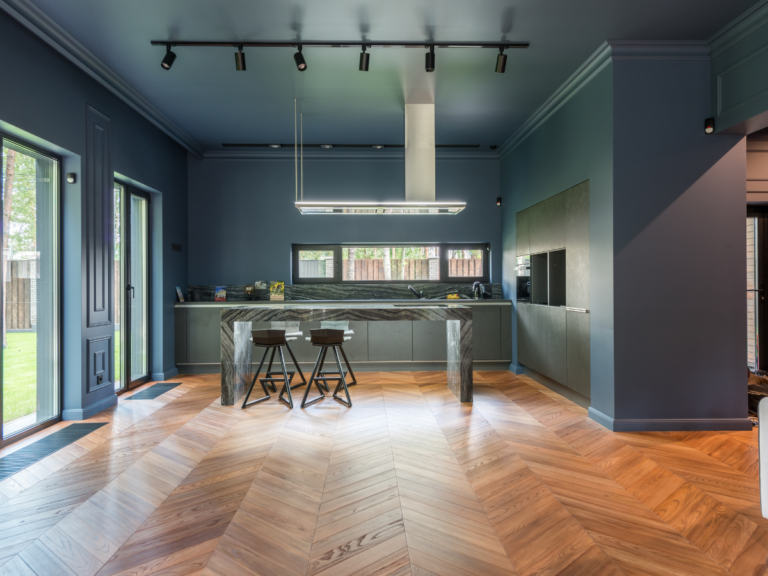
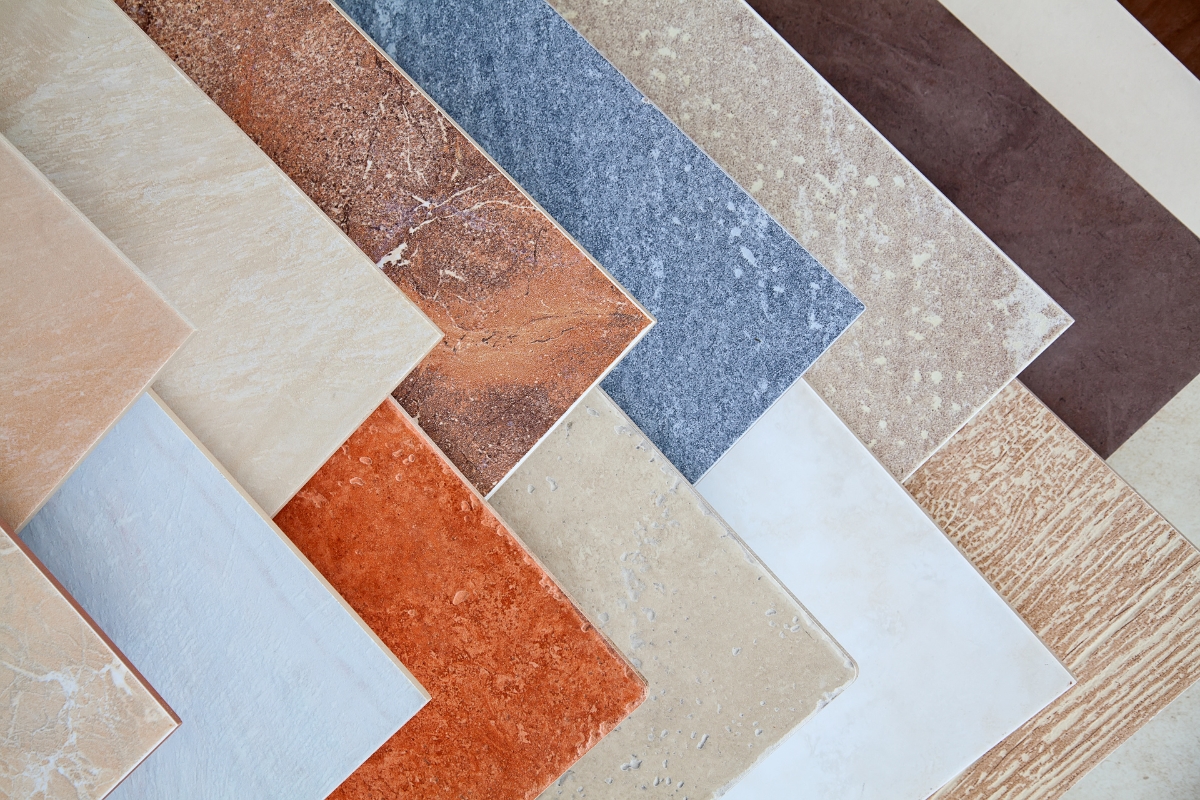
Tile provides a broad range of formats, from small mosaics to large-format squares and rectangles. Layout patterns such as straight-set, diagonal, herringbone, or other geometric arrangements can make the floor either a quiet backdrop or a more prominent design feature.
Color and finish add another layer of flexibility. Tile can mimic stone, concrete, terrazzo, or wood, while matte, textured, and polished surfaces create different visual effects even within the same color family.
Grout also contributes more to the finished appearance than homeowners sometimes expect. A grout color close to the tile can make the floor look more continuous, while greater contrast emphasizes each tile and makes the pattern more noticeable.
What Design Options Does Hardwood Offer?
Hardwood gets much of its visual character from the wood itself. Species, grain pattern, knots, natural color variation, plank width, stain, and finish all affect whether the floor feels traditional, rustic, contemporary, or somewhere in between.
Wider planks can create a cleaner, more expansive appearance with fewer seams, while narrower boards often produce a busier rhythm across the floor. Stain can deepen or shift the wood tone, and sheen levels influence whether the finished floor looks more understated or polished.
Natural variation is part of hardwood’s appeal, but it also means the installed floor will not look perfectly uniform. Homeowners who prefer consistent color and pattern may be more comfortable with tile, while those who value variation often see it as part of real wood’s character.
What Works Best in an Open-Concept Kitchen?
Open-concept layouts make flooring transitions more noticeable because the kitchen may share long sightlines with dining and living areas. Continuing an existing hardwood floor through the kitchen can visually connect those spaces and reduce the number of material changes across the room.
Tile can still work well when the kitchen needs a distinct visual zone. The transition should feel intentional, however, particularly where tile meets hardwood at a wide opening rather than behind a doorway where the change is less visible.
The entire open-plan space does not need to use one flooring material to feel cohesive. Repeating tones from adjacent hardwood in the tile, cabinetry, or other finishes can create a relationship between the spaces without making them identical.
Broader kitchen design and material choices can also help determine whether flooring should blend into the surrounding rooms or define the kitchen more clearly.
Wood-look tile offers another option when homeowners want plank-inspired visuals without extending real wood throughout the kitchen. It can bridge the styles of adjoining spaces, although grout lines, surface texture, and the feel underfoot will still distinguish it from genuine hardwood.
In the tile vs hardwood decision, aesthetics come down to the role you want the floor to play. Tile offers greater control over pattern and visual contrast, while hardwood tends to emphasize natural character and continuity across connected rooms.
Tile vs Hardwood: How to Choose the Right Kitchen Flooring
The best choice between tile and hardwood depends on which tradeoffs matter most in your kitchen. Tile generally favors moisture resistance, scratch resistance, and easier routine cleanup, while hardwood tends to offer more warmth, a softer visual feel, and the ability to refinish many floors later.
A useful tile vs hardwood decision should therefore start with how the room is used rather than with a blanket recommendation. The same flooring can be a strong fit in one household and frustrating in another.
Tile May Make More Sense If…
Tile is often the stronger choice when the kitchen regularly deals with water, pet traffic, muddy shoes, or other conditions that put more stress on the floor. It can also suit homeowners who prefer a highly durable surface and do not mind the harder, cooler feel underfoot.
Tile may be a better fit if:
- spills and moisture are frequent concerns
- scratch resistance is a high priority
- pets or heavy foot traffic create more surface wear
- easy routine cleaning matters more than refinishing potential
- you prefer stone, porcelain, patterned, or wood-look designs
- the kitchen can visually transition from adjoining flooring without feeling disconnected
Hardwood May Make More Sense If…
Hardwood can be the better fit when comfort, continuity, and natural material are more important than maximum resistance to water or scratching. It is especially appealing in open-plan homes where the kitchen connects directly to existing wood floors and a flooring transition would interrupt the visual flow.
Hardwood may make more sense if:
- warmth and comfort underfoot are important
- the kitchen opens directly into rooms with existing hardwood
- natural grain and variation are part of the design goal
- you are comfortable with prompt spill cleanup
- refinishing or recoating the floor later is valuable
- you prefer a floor that can develop some visible character over time
Questions to Ask Before You Decide
Before choosing tile vs hardwood, look at the kitchen as part of the household rather than as an isolated room. These questions can help identify which material better matches the way the space actually functions:
- How often does the kitchen deal with spills, wet shoes, pet bowls, or appliance leaks?
- Are there pets, children, or heavy daily foot traffic?
- Does the kitchen connect directly to existing hardwood or another flooring material?
- How important is warmth and standing comfort?
- How much routine maintenance am I willing to do?
- Would I rather have greater scratch resistance or stronger refinishing potential?
- How long do I expect to keep the flooring?
- Is the existing subfloor level, stable, and in good condition?
- Will the project require removing old flooring or repairing the subfloor first?
- What is my total budget once materials, preparation, labor, transitions, and future upkeep are included?
The final decision should reflect the combination of performance, appearance, comfort, and cost that matters most to the household. Tile and hardwood can both work well in kitchens, but they solve different problems, which is why the right choice is the one that best matches the room’s real demands.
Conclusion
Choosing between tile and hardwood comes down to how you use your kitchen, the look you want, and how much maintenance fits your lifestyle. Tile offers strong moisture resistance and plenty of design flexibility, while hardwood brings natural warmth and can create a seamless transition into nearby living spaces.
Weighing those differences alongside durability, comfort, upkeep, and budget can help you choose flooring that works for your home long after installation day. For professional flooring installation and guidance, choose Restor-It, Inc. Call (678) 355-6645 to discuss your kitchen flooring project and request your free quote today.