Floors rarely wear out because of one major cleaning mistake. More often, damage builds gradually as grit, spills, moisture, and everyday traffic go untreated for too long. The challenge is knowing which maintenance tasks need daily attention and which can wait for weekly, monthly, or seasonal care.
A practical floor care schedule takes the guesswork out of maintenance by matching cleaning frequency to the flooring material and level of use. Routine sweeping or vacuuming can limit abrasive debris, while periodic deep cleaning and protective treatments address buildup that everyday maintenance cannot.
Whether you maintain hardwood, tile, vinyl, laminate, or carpet, organizing floor care by frequency can help simplify cleaning, preserve appearance, and reduce premature wear, keeping your floors looking their best for longer.
A Floor Care Schedule for Daily, Weekly, and Monthly Maintenance
Why Is a Floor Care Schedule Important for Long-Term Flooring Performance?
A good floor care schedule does more than keep surfaces looking clean. It helps prevent everyday wear from turning into permanent damage, gives homeowners a better chance of catching problems early, and makes it easier to match maintenance to the specific flooring material.
The most effective schedule is not based on a rigid calendar alone. Traffic levels, pets, children, moisture exposure, flooring type, finish condition, and manufacturer recommendations all affect how often a floor needs attention.
For that reason, a practical floor care schedule should combine frequent routine cleaning with periodic inspections and less frequent restorative maintenance.
Daily and Weekly Care Prevents Small Problems From Building Up
Loose grit is one of the simplest threats to many flooring surfaces. Dirt and sand tracked indoors can act like an abrasive under shoes, furniture legs, or pet paws. On hardwood and resilient flooring, that can contribute to surface scratching.
In carpet, embedded soil can work deeper into the fibers and make routine vacuuming less effective. Regular sweeping, dusting, or vacuuming helps remove that debris before it accumulates.
Entry mats can reduce how much dirt reaches the floor in the first place, while furniture pads help protect areas exposed to repeated movement. Spills should also be addressed promptly using a method appropriate for the flooring material.
The goal is not constant cleaning. It is keeping routine soil and moisture from remaining on the surface long enough to create more difficult maintenance problems.
Cleaning Frequency Should Match Traffic Levels
A lightly used guest room and a busy kitchen should not follow the same maintenance schedule. High-traffic areas usually need more frequent cleaning because they collect more soil and experience greater mechanical wear.
Entryways, hallways, family rooms, kitchens, and spaces used by pets may need attention several times a week, while lower-traffic rooms can often be maintained less frequently.
Flooring in especially busy parts of the home may also benefit from more frequent condition checks. Restor-It’s discussion of flooring for high-traffic areas highlights how maintenance requirements differ across carpet, tile, vinyl, and hardwood when surfaces are exposed to heavier use.
Instead of following a schedule mechanically, homeowners can adjust frequency when floors begin showing visible soil sooner than expected.
Different Flooring Materials Need Different Care
A floor care schedule should always be built around the material being maintained. Hardwood generally benefits from frequent dry cleaning methods that remove abrasive particles without introducing unnecessary moisture. Damp cleaning should use products and methods compatible with the floor’s finish.
Luxury vinyl plank is typically easier to maintain but can still be damaged by abrasive tools, harsh chemicals, or unsuitable cleaners.
A neutral cleaner and soft cleaning tools are usually safer choices, subject to manufacturer instructions. Proper care for luxury vinyl plank also includes controlling grit, wiping spills promptly, and protecting the wear layer from unnecessary abrasion.
Carpet requires a different approach. Routine vacuuming addresses surface and embedded soil, while stains, odors, rippling, or damaged sections may require more specialized attention. Periodic carpet cleaning and repair can address issues that normal household maintenance cannot correct.
Tile itself may tolerate frequent cleaning well, but grout lines often require separate attention because they can collect dirt and staining.
Avoid Using One Cleaner Across Every Floor
One of the most common maintenance mistakes is assuming that a general-purpose cleaner is safe for every material.
Products that leave residue can make some floors look dull. Harsh chemicals may damage finishes, coatings, grout sealers, or resilient flooring surfaces. Excessive water can also create problems for moisture-sensitive materials.
Before adding a cleaner to a floor care schedule, check the flooring manufacturer’s recommendations and confirm that the product is intended for that surface.
Cleaning tools matter too. Abrasive pads, stiff brushes, steam equipment, or aggressive vacuum attachments may be inappropriate for certain finishes even if the cleaning solution itself is safe.
Periodic Inspections Can Catch Wear Before It Becomes a Repair
Routine cleaning is also an opportunity to look at the floor more closely.
Pay attention to changes such as:
- finish wearing away in repeated traffic paths
- boards beginning to separate or move
- cracked or loose tile
- damaged grout
- curling or lifting resilient flooring
- loose or rippled carpet
- recurring stains or discoloration
- soft spots or movement that may indicate a subfloor problem
Some cosmetic wear can be handled through maintenance, while structural movement, moisture damage, or persistent flooring problems may need professional evaluation.
Addressing deterioration early can sometimes limit the amount of repair required. Once damage reaches the subfloor or spreads across a larger area, the solution may become more disruptive.
Deep Cleaning and Restoration Should Be Scheduled by Condition
Not every floor needs the same type of periodic maintenance. Carpet may need occasional professional cleaning depending on soil load and use. Hardwood may eventually require screening, recoating, repair, or refinishing when its protective finish begins to fail.
Grout may need more intensive cleaning or resealing, while damaged flooring may require repair rather than another round of routine cleaning.
A calendar can help homeowners remember these tasks, but condition should guide the final decision. Scheduling restorative work too early can waste money. Waiting until the surface is badly deteriorated can make the work more extensive.
Build a Floor Care Schedule You Can Actually Maintain
A useful floor care schedule can be simple:
- Daily or as needed: Remove spills, visible debris, and tracked-in moisture.
- Weekly: Sweep, vacuum, or dust-mop based on the flooring material and traffic level.
- Monthly: Inspect high-use areas, edges, transitions, grout, seams, and flooring near exterior doors or moisture sources.
- Periodically: Deep clean, repair, recoat, stretch, patch, or refinish when the material and its condition call for it.
The exact timing will vary from home to home, but the principle remains the same. Routine cleaning handles everyday wear, inspections catch developing problems, and periodic maintenance protects the floor when basic cleaning is no longer enough.
A consistent floor care schedule makes flooring maintenance more predictable and helps homeowners respond to wear before appearance, safety, or structural condition begins to decline.
What Is the Recommended Floor Cleaning Schedule by Floor Type?
A useful floor care schedule should reflect how each flooring material responds to dirt, moisture, abrasion, and wear. Hardwood, laminate, tile, and carpet may all need regular cleaning, but the right methods and timing are different.
Fixed rules such as refinishing hardwood every year or sealing every tile floor on the same schedule can lead to unnecessary work and, in some cases, improper maintenance. Product specifications, finish type, household traffic, pets, moisture exposure, and manufacturer instructions should determine the final routine.
The following schedule provides a practical starting point.
| Flooring Type | Routine Cleaning | Periodic Care | Watch For |
|---|---|---|---|
| Hardwood | Sweep or vacuum as needed; damp clean periodically | Recoat, screen, repair, or refinish based on finish wear | Dull traffic paths, scratches, gaps, finish loss |
| Laminate | Sweep or vacuum regularly; lightly damp mop as needed | Usually no polishing or refinishing | Swollen seams, lifting edges, scratches |
| Tile | Sweep or vacuum regularly; mop as needed | Clean grout more thoroughly; reseal only when the tile or grout requires it | Cracked grout, loose tile, staining |
| Carpet | Vacuum regularly; spot-clean spills promptly | Deep clean based on traffic and manufacturer guidance | Matting, ripples, fraying, persistent stains |
Hardwood Floors Need Gentle Cleaning and Condition-Based Restoration
For most hardwood floors, frequent removal of grit is more important than aggressive wet cleaning. Sweep, dust-mop, or vacuum using an attachment suitable for hard floors, especially in entrances and heavily traveled rooms.
Damp cleaning can be added when necessary using a product approved for the floor’s finish. Avoid leaving standing water or using an excessively wet mop, since moisture can enter seams and affect wood flooring.
Solid and engineered wood also differ in how they can be restored. Both benefit from routine cleaning and prompt spill removal, but solid hardwood can generally tolerate more refinishing over its lifespan.
The construction and wear layer of engineered products may limit how aggressively or how often they can be sanded. Understanding the maintenance differences between hardwood and engineered wood can help homeowners avoid treating every wood floor the same way.
Do not assume hardwood needs annual refinishing. Instead, watch the protective finish. Dullness alone may sometimes call for cleaning or a less intensive surface treatment, while widespread finish loss, deep scratching, or exposed wood can justify more extensive restoration.
Laminate Flooring Requires Less Water, Not More Intensive Cleaning
Laminate is relatively straightforward to maintain because it does not need waxing, polishing, or traditional wood refinishing.
Remove grit regularly with a broom, microfiber tool, or vacuum suitable for hard flooring. Damp mop when needed, but keep water use controlled. Even products marketed as water-resistant can be vulnerable if liquid sits around seams or edges for prolonged periods.
A practical laminate floor care schedule should also include prompt spill cleanup and occasional inspection for lifting edges, separation, swelling, or movement.
The material’s low-maintenance design is one of the primary advantages discussed when comparing laminate flooring pros and cons, but low maintenance does not mean no maintenance. Grit can still wear the surface, and moisture-related damage cannot simply be refinished away like wear on some hardwood floors.
Steam cleaning should only be used if the flooring manufacturer specifically permits it.
Tile Cleaning Should Account for Both the Tile and the Grout
Tile floors often tolerate routine cleaning well, but the tile surface and grout should not automatically receive identical treatment. Sweep or vacuum regularly to keep loose grit from accumulating.
Mop as needed with a cleaner compatible with the specific material. Ceramic, porcelain, and natural stone can have different product requirements, so avoid assuming that one general-purpose tile cleaner works everywhere.
Grout deserves separate attention because it can collect soil and discolor over time. Periodic deeper cleaning may be necessary in kitchens, bathrooms, entrances, and other high-use areas.
The common advice to “seal tile every one or two years” is too broad. Many glazed ceramic and porcelain tiles do not require surface sealing, while certain grout and natural stone products may benefit from it.
Follow the recommendations for the actual tile, grout, and sealer used, and evaluate whether the existing seal is still performing before resealing.
Cracked grout or repeatedly loose tile should also be investigated rather than covered with another maintenance product. Movement or recurring cracking can indicate an installation or substrate problem.
Carpet Care Should Be Based on Traffic and Soil Levels
Carpet needs frequent soil removal because dirt can settle below the visible surface and become more difficult to extract. Vacuuming once a week may be adequate in lightly used rooms, but high-traffic areas, homes with pets, and busy households may need it more often.
Entrances, hallways, stairs, and family rooms generally collect soil faster than bedrooms or formal spaces. Spills should be blotted promptly using a product compatible with the carpet fiber. Avoid aggressive scrubbing, which can spread a stain or distort the pile.
Deep cleaning should be scheduled according to usage, carpet manufacturer recommendations, and visible soil rather than waiting until the carpet looks heavily dirty. Periodic extraction can remove soil that routine vacuuming leaves behind.
Maintenance should also include checking the physical condition of the installation. Ripples, loose seams, damaged sections, heavy matting, and recurring odors are different from routine cleaning problems.
Knowing the signs that carpet may need repair or replacement can help homeowners avoid repeatedly cleaning a floor when the underlying issue is wear or damage.
Adjust the Schedule for High-Traffic and Problem Areas
No whole-home schedule should force every room onto the same timetable. An entrance used by five people and two pets may need daily attention.
A guest bedroom may remain clean with weekly or less frequent care. Kitchens and bathrooms are more vulnerable to spills and moisture, while hallways experience repeated abrasion along the same traffic path.
Seasonal conditions can matter too. Rain, mud, pollen, and other tracked-in debris may temporarily increase cleaning needs. Instead of viewing a floor care schedule as a fixed list of dates, treat it as a baseline that responds to actual conditions.
Know When Routine Cleaning Is No Longer Enough
Cleaning cannot correct every flooring problem. Deep scratches, worn hardwood finishes, loose tile, failed grout, buckling laminate, carpet ripples, recurring moisture damage, or movement underfoot may require repair or restoration rather than another cleaning product.
This distinction is an important part of an effective floor care schedule. Routine maintenance should preserve a floor that is still performing properly.
Once the material or installation begins to fail, recognizing that change early can prevent homeowners from spending time and money treating a repair problem as a cleaning problem.
Which Eco-Friendly Floor Cleaning Products and Tools Are Recommended?

An eco-friendly approach to floor care does not require replacing every cleaner with a homemade alternative or choosing a product simply because the label says “natural.”
The better goal is to use products and tools that clean effectively, are appropriate for the flooring material, and reduce unnecessary chemical, water, and disposable-product use.
That makes product selection part of a practical floor care schedule. A cleaner that damages a finish, leaves heavy residue, or requires repeated applications is not a sustainable choice simply because it carries green marketing language.
Choose the Cleaner for the Floor Before Considering Its Eco Credentials
Floor compatibility comes first. Hardwood, laminate, luxury vinyl, tile, natural stone, and carpet respond differently to moisture, acidity, alkalinity, solvents, and abrasive ingredients. Before choosing a lower-impact cleaner, confirm that it is approved for the flooring material and, where applicable, the specific surface finish.
For example, mild detergent and regular sweeping can be sufficient for routine vinyl plank floor cleaning, reducing the need for aggressive products during everyday maintenance.
Using the correct cleaner in the first place may also extend the time between more intensive maintenance tasks.
pH-Neutral Cleaners Are Useful, but Not Universal
A pH-neutral floor cleaner can be a good option for many sealed flooring surfaces because it avoids the stronger acidity or alkalinity found in some specialty cleaning products.
That does not mean every floor requires a pH-neutral formula or that every neutral cleaner is automatically environmentally preferable. Product compatibility still matters.
Natural stone is a good example. Acidic household ingredients such as vinegar can damage certain stone surfaces, even though vinegar is often promoted as a simple green cleaner. Hardwood finishes and resilient flooring can also react poorly to products that were never formulated for those materials.
Before adding any product to a floor care schedule, check both the flooring manufacturer’s instructions and the cleaner’s intended uses.
Look Beyond Words Like “Natural” and “Green”
Terms such as “eco-friendly,” “natural,” and “plant-based” can be useful starting points, but they do not tell the whole story.
Third-party certifications can provide more meaningful information than marketing language alone. Programs such as EPA Safer Choice and Green Seal evaluate cleaning products against established criteria, and certified floor-care products are available in multiple categories.
Homeowners can also look for practical product characteristics such as:
- concentrated formulas that reduce packaging and transportation volume
- clearly stated dilution instructions
- refillable or recyclable packaging where available
- fragrance-free options when fragrance is unnecessary
- ingredient disclosure
- compatibility with the intended flooring surface
The objective is not to find a perfectly impact-free product. It is to make a better-informed choice while still cleaning effectively.
Concentrated Products Can Reduce Waste When Used Correctly
A concentrated cleaner can last considerably longer than a ready-to-use bottle, but only if it is diluted properly. Using extra product rarely means a cleaner floor. Too much solution may leave residue behind, create additional rinsing work, or cause the floor to attract dirt more quickly.
Follow the manufacturer’s dilution instructions rather than estimating by sight. Measuring the correct amount also makes cleaning results more consistent from one week to the next.
For households trying to reduce packaging waste, concentrates and refill systems can be worth considering when the product is compatible with the floor.
Reusable Cleaning Tools Can Be the Simplest Sustainable Upgrade
The tools used throughout a floor care schedule matter just as much as the cleaning solution. Washable microfiber pads, reusable mop heads, durable buckets, and reusable cleaning cloths can reduce reliance on disposable wipes and single-use mop pads.
Microfiber tools are also useful for picking up loose dust and debris without requiring cleaning solution for every pass. Choose the tool according to the surface. Soft microfiber works well for many hard floors, while abrasive pads can scratch or dull some finishes.
Vacuum maintenance matters too. A clogged filter or overfilled collection bin can reduce performance, leading to repeated passes over the same area. Cleaning filters and maintaining brushes according to the vacuum manufacturer’s instructions can help the equipment work efficiently.
Use Water Strategically Rather Than Excessively
More water does not automatically produce a better clean.
A well-wrung mop is generally more appropriate for moisture-sensitive floors than soaking the surface and collecting the excess afterward. Spot cleaning can also be more efficient than wet-mopping an entire room because of one small spill or mark.
For carpet, repeatedly saturating a stain can spread the problem or leave excess moisture behind. Blotting and using the appropriate cleaning method is generally more controlled. Reducing unnecessary water use is especially valuable because it supports both sustainable cleaning and proper floor maintenance.
Be Careful With Homemade Floor Cleaners
Homemade mixtures are often presented as automatically greener, cheaper, and safer. In practice, their suitability depends on both the ingredients and the floor.
Vinegar can be too acidic for some surfaces. Abrasive powders can scratch finishes. Essential oils may leave residue, and combining household chemicals without understanding how they interact can be dangerous.
A simple recipe found online should not override the flooring manufacturer’s care instructions.
Build Sustainability Into the Entire Floor Care Schedule
Eco-friendly maintenance is less about finding one “green” bottle and more about reducing unnecessary consumption across the life of the floor. Use the least intensive method that gets the job done. Remove loose soil before reaching for wet cleaners. Measure concentrated products correctly.
Reuse cleaning tools where practical. Treat spills early so they do not require stronger stain removers later. Most importantly, avoid products and techniques that shorten the life of the flooring itself.
A floor that is cleaned responsibly and maintained for longer generally requires fewer repairs, restorative treatments, and premature replacements. Building those choices into a consistent floor care schedule makes sustainability part of routine maintenance rather than a separate cleaning task.
How Can You Troubleshoot and Repair Common Flooring Problems?
Not every flooring problem belongs on a routine floor care schedule. Scratches, loose seams, water stains, warped boards, cracked tile, or persistent odors can signal damage that cleaning alone will not correct.
The first step is identifying whether the problem is cosmetic, limited to the flooring surface, or connected to moisture, the subfloor, or another part of the home. A small surface scratch may be manageable with basic maintenance, while flooring that repeatedly lifts or feels soft underfoot deserves a closer look.
Start by Identifying the Source of the Damage
Treating the visible symptom without finding its cause often leads to the same problem returning. A warped board near a dishwasher may point to a leak. Loose or cracked tile can indicate movement below the finished surface. Carpet that repeatedly ripples may have an installation or stretching problem rather than a cleaning issue.
Before attempting a repair, ask:
- Is the damage isolated or spreading?
- Is moisture present now, or was there a previous leak?
- Does the flooring move, flex, or feel soft?
- Is the problem limited to the finish, or does the material itself appear damaged?
- Has the same repair already failed once?
Problems involving the structure beneath the finished floor may require flooring and subflooring repairs rather than another surface treatment.
Handle Minor Surface Damage According to the Flooring Material
Small cosmetic problems do not always require replacement. Light scratches in some finished hardwood floors may be less noticeable after cleaning or using a manufacturer-approved touch-up product. More substantial scratches that penetrate the finish can require professional repair, screening, recoating, or refinishing.
Damaged laminate and luxury vinyl are different. Because these floors have manufactured surface layers, deep scratches, chips, or swollen planks generally cannot be sanded away like damage on some hardwood floors. Individual boards or planks may need replacement if the system allows it.
Minor grout deterioration can sometimes be repaired locally, but recurring cracks should not simply be filled repeatedly. Continued movement may indicate a problem with the installation or substrate.
Adding these inspections to a floor care schedule helps separate ordinary wear from damage that is beginning to worsen.
Water Damage Requires More Than Drying the Surface
A spill cleaned up quickly is very different from a plumbing leak, appliance failure, or flooding event.If water reaches beneath flooring, drying the visible surface may leave moisture trapped in padding, adhesive, wood, or the subfloor.
That can contribute to swelling, warping, adhesive failure, staining, odors, and microbial growth.
During significant water damage, the priority is to stop the source when it is safe to do so and address the affected materials promptly. The appropriate water damage recovery process may include water extraction, moisture assessment, controlled drying, and determining which materials can be restored.
Do not reinstall or cover flooring simply because the top feels dry. Moisture conditions below the surface need to be addressed first.
Fire and Smoke Damage Should Be Evaluated Before Cosmetic Repairs
Fire-damaged flooring can be affected by more than direct burns. Heat may damage finishes or flooring materials, while smoke and soot can settle into porous surfaces. Water used during firefighting can create a second source of damage.
A tiny superficial mark is different from flooring exposed to a larger fire. Before sanding, refinishing, or replacing affected sections, determine whether heat, smoke, water, or structural damage extends beyond the visible area.
The approach to flooring after fire damage depends on what material was affected and whether it can be safely cleaned and restored. Severely charred, structurally compromised, or contaminated materials may require removal rather than cosmetic repair.
Treat Mold as a Moisture Problem First
Visible mold is not simply another flooring stain. Mold growth usually indicates that moisture has remained available long enough to support it. Cleaning the visible surface without correcting the source can allow the problem to continue beneath flooring, behind baseboards, or within other building materials.
Signs that deserve closer investigation include persistent musty odors, recurring discoloration, previous flooding, chronically damp flooring, or visible growth that returns after cleaning.
Professional assessment becomes particularly important when mold appears to extend beneath flooring or into concealed materials. Remediation may require containment, removal of affected materials, drying, and correction of the moisture source rather than surface cleaning alone.
Know When a Repair Has Become a Replacement Decision
Repeated repairs are not always the most practical option. Replacement may make more sense when flooring has widespread water damage, extensive delamination, severe wear, multiple failed repairs, large areas of broken tile, or deterioration that affects both the flooring and subfloor.
The decision should consider how much of the floor is affected, whether matching materials are available, the condition of the underlying structure, and whether the original cause has been corrected.
A floor care schedule is useful partly because it makes these changes easier to notice. Routine inspections can catch isolated damage while it may still be repairable instead of allowing a small problem to spread unnoticed.
The key is knowing when maintenance has reached its limit. Cleaning protects a sound floor. Repair addresses localized damage. Restoration or replacement becomes necessary when the material, installation, or structure can no longer perform as intended.
When Should You Use Professional Flooring Installation or Carpet Repair Services?
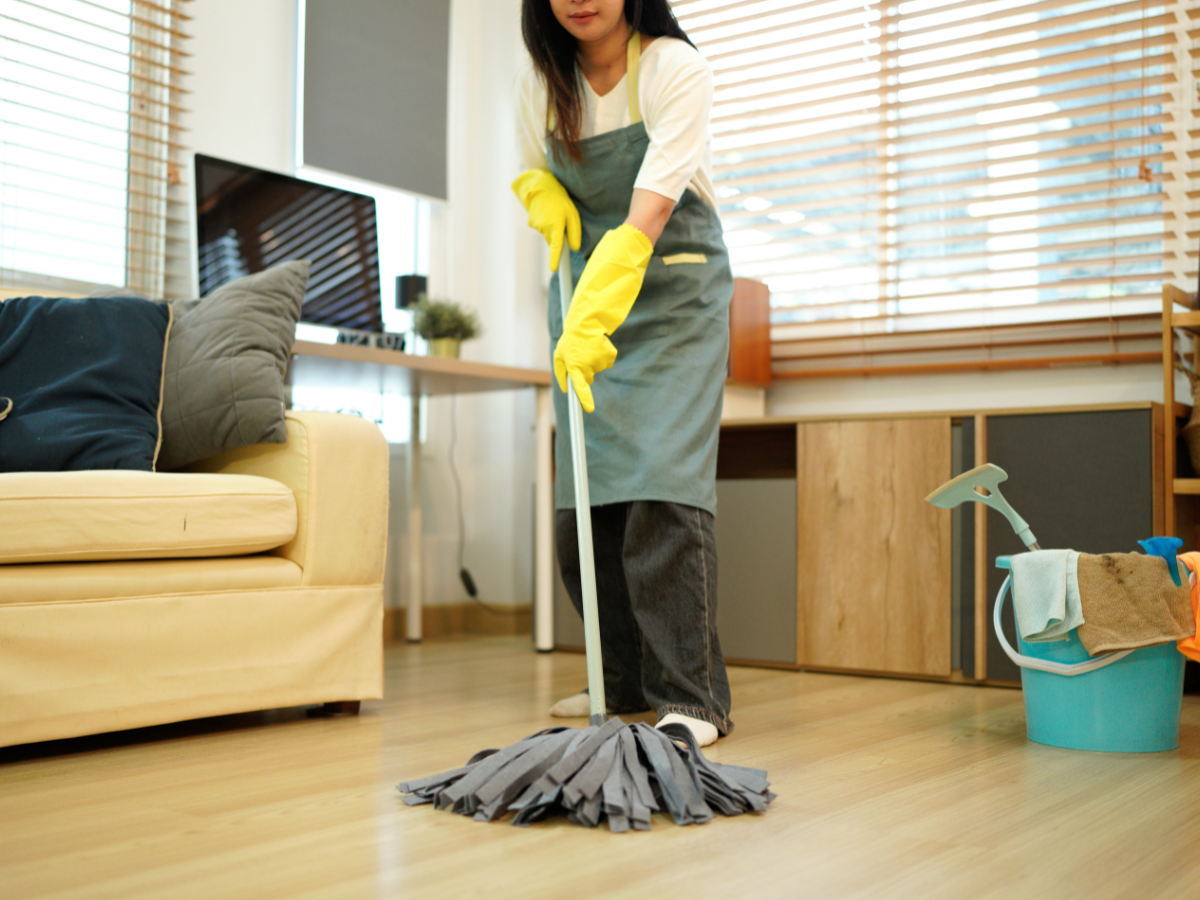
A floor care schedule can handle routine cleaning, inspections, and minor upkeep, but some flooring problems require installation or repair skills rather than more maintenance.
Knowing where that line falls can prevent homeowners from repeatedly treating a problem that is actually caused by installation failure, damaged materials, or an unstable subfloor.
Professional help becomes especially useful when the work affects the floor’s fit, structural support, moisture performance, or overall installation. The decision should be based on the type and extent of the problem, not simply whether a floor looks worn.
Professional Installation Starts With the Subfloor
Good flooring performance depends on more than how neatly the finished material is laid. Before installation begins, the subfloor may need to be checked for flatness, stability, damage, and moisture conditions appropriate for the selected flooring.
Installing new material over a weak, uneven, or moisture-affected surface can contribute to movement, gaps, loose sections, or premature failure.
Preparation also varies by flooring type. Hardwood, laminate, luxury vinyl, carpet, and tile may require different underlayments, adhesives, fastening methods, expansion allowances, or acclimation procedures.
This is one reason professional installation can support a long-term floor care schedule. When the flooring is installed according to the material and site conditions, routine maintenance is not being asked to compensate for preventable installation problems.
Some Installation Problems Look Like Maintenance Problems
Buckling, separating seams, loose tile, shifting planks, and recurring carpet ripples can initially look like ordinary wear. Cleaning will not correct those issues.
If a floor repeatedly moves, lifts, cracks, or separates, the cause should be identified before cosmetic repairs are made. Possible factors can include installation problems, moisture exposure, subfloor movement, or damaged materials.
Homeowners considering repair or replacement can review the available flooring installation and restoration services to understand how installation, carpet work, subfloor repair, and damage restoration differ from routine maintenance.
The important distinction is whether the flooring surface is simply dirty or worn, or whether something in the installation itself is no longer performing correctly.
Carpet Cleaning, Stretching, and Repair Solve Different Problems
Carpet maintenance is often treated as one category, but deep cleaning and physical repair address very different conditions. Professional cleaning targets soil, stains, and contaminants that routine vacuuming cannot adequately remove.
It may be appropriate when heavily used areas remain visibly soiled despite regular maintenance. Stretching is different. Carpet that develops ripples, waves, or loose areas may need to be re-tensioned rather than cleaned.
Ignoring loose carpet can affect appearance and create areas where the material experiences additional wear. Localized damage may sometimes be patched instead of replacing an entire room, particularly when compatible material is available and the surrounding carpet remains in good condition.
A professional evaluation can help determine whether cleaning, stretching, patching, or replacement is the appropriate response.
Do Not Expect Professional Cleaning to Restore Every Carpet
Deep cleaning can improve the appearance of many carpets, but it cannot reverse every form of damage.
Permanent fiber wear, severe matting, burns, large tears, extensive delamination, or widespread deterioration may remain after soil and stains are removed. Persistent odors may also require investigation below the carpet if contamination or moisture has reached the padding or subfloor.
Before paying for repeated cleaning, determine whether the problem is actually removable soil or physical deterioration. That distinction can save money and help prevent unrealistic expectations about what professional cleaning can accomplish.
Ask What the Flooring Estimate Actually Includes
When comparing installers or repair companies, the lowest total price does not necessarily represent the same scope of work. A useful estimate should make it reasonably clear what is included. Depending on the project, that may involve:
- removal and disposal of existing flooring
- subfloor inspection or preparation
- installation materials and labor
- transitions, trim, or baseboard work
- furniture moving
- carpet stretching or patching
- repair of localized damage
- cleanup after installation
Homeowners should also ask how unexpected subfloor damage or moisture problems will be handled if they are discovered after the existing flooring is removed. Clear scope matters because an inexpensive installation can become significantly more complicated once preparation or repair work is added.
Verify Product and Workmanship Warranty Details
Warranty coverage varies between flooring products and contractors, so homeowners should avoid assuming that all installation work is protected in the same way.
Ask whether the flooring manufacturer provides a product warranty, whether the installer provides separate workmanship coverage, and what conditions may affect either one.
Care requirements may matter as well. Using an incompatible cleaner, allowing unresolved moisture problems to continue, or failing to follow manufacturer instructions can affect some flooring warranties.
Keeping installation records, product information, and care instructions together makes them easier to reference when building a floor care schedule.
Know When Repair Is More Practical Than Replacement
Not every damaged floor needs to be removed completely. A localized carpet tear, a few damaged planks, an isolated tile problem, or limited subfloor damage may sometimes be repairable.
Replacement becomes more reasonable when deterioration is widespread, matching materials are unavailable, repeated repairs have failed, or the floor has reached the end of its practical service life. The best decision considers the condition of both the visible flooring and what is underneath it.
Professional flooring services are most valuable when they solve problems routine maintenance cannot. A well-planned floor care schedule should therefore include more than cleaning dates.
It should also help homeowners recognize when the floor has moved from ordinary upkeep into repair, restoration, or replacement.
Conclusion
A consistent floor care schedule can help preserve the appearance, performance, and lifespan of your flooring while making routine maintenance easier to manage.
Daily cleaning, periodic deep cleaning, prompt attention to spills and damage, and maintenance suited to the specific flooring material can prevent minor issues from becoming more costly problems.
When floors need professional care, repair, or replacement, experienced guidance can help determine the best solution for your space.
For dependable flooring services and expert workmanship, choose Restor-It, Inc. If you’re ready to keep your floors looking their best or explore professional flooring solutions, call (678) 355-6645 to speak with the team at Restor-It, Inc. or request your free quote today.