Understanding the process of mold remediation is essential for homeowners seeking to address contamination swiftly and effectively before it spreads, protecting both their property and their family’s health. Mold can begin colonizing within 24 to 48 hours of moisture exposure, and without professional intervention, it can quickly infiltrate walls, HVAC systems, and structural materials, leading to costly damage and respiratory risks.
This guide breaks down the step-by-step mold remediation process—from inspection and containment to removal and prevention—explaining how experts stop the spread and restore a safe, healthy indoor environment before the problem escalates.
Mold Remediation Explained for Health and Safety
What Are the Key Steps in Professional Mold Remediation?
When mold shows up indoors, it is rarely just a surface problem. Mold growth usually points to a moisture issue, whether it is a slow leak, poor ventilation, or water damage that never fully dried. That is why professional remediation is designed to do more than wipe away what you can see. It focuses on finding the source, removing contamination safely, and reducing the chance of regrowth. Mold remediation explained in practical terms is a process with a clear sequence, and understanding that sequence helps homeowners know what to expect and why each step matters.
A professional approach typically starts with confirmation and scope. From there, the team plans containment to keep spores from spreading during cleanup. Air filtration is used to reduce airborne particles while work is being done. Removal and cleaning follow, along with drying and humidity control so the conditions that allowed mold to grow are no longer present. The final goal is a safe indoor environment, not just a cleaner-looking wall.
The steps below break down two of the most important phases homeowners hear about early on: inspection and assessment, then containment and air filtration. These stages set the foundation for everything that comes next.
How Is Mold Inspection And Assessment Conducted?
Inspection and assessment are the first major steps because they define the plan. A professional inspection looks for visible mold, but it also looks for the moisture that is feeding it. That matters because mold can hide behind drywall, under flooring, inside insulation, and in other areas that do not show obvious staining. Inspectors often start by asking questions about recent leaks, flooding, condensation, or musty odors. They also pay attention to where symptoms are noticed most, since that can point toward a hidden source.
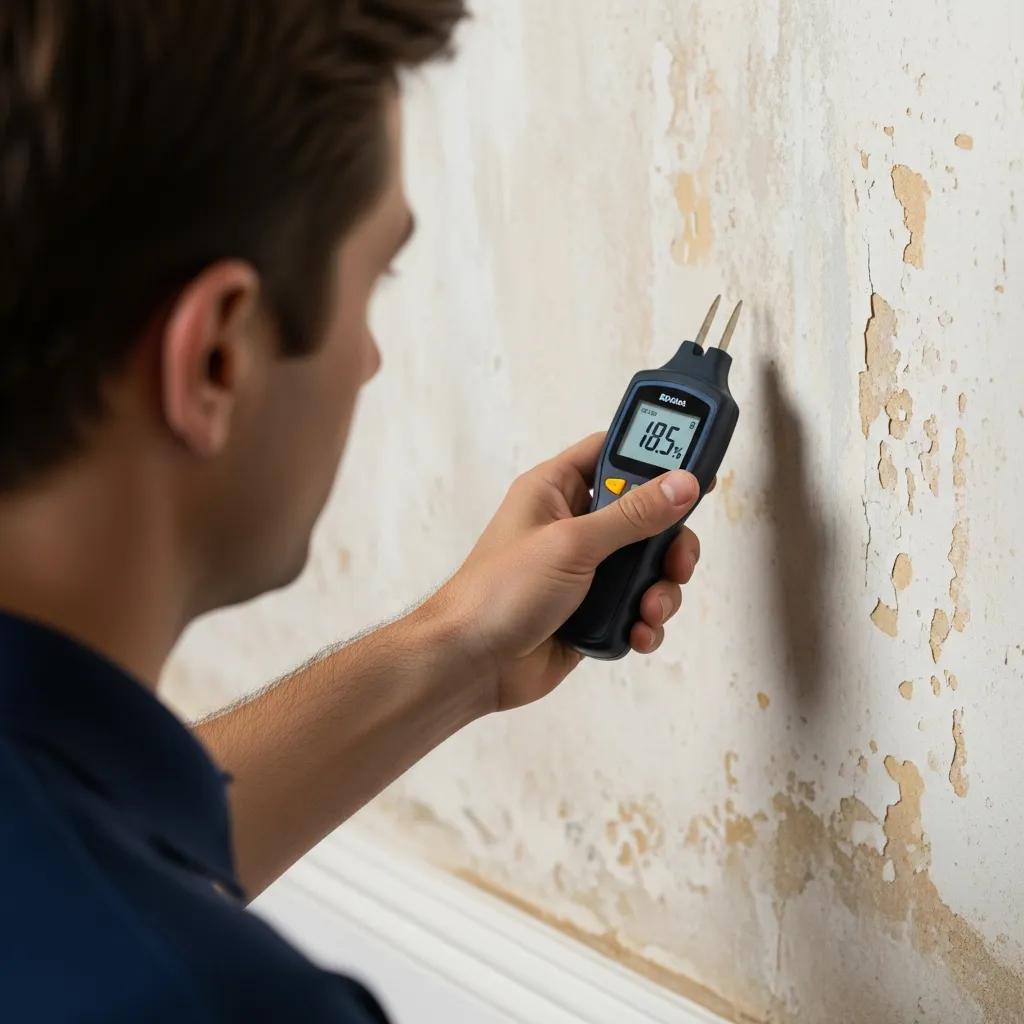
To confirm conditions, professionals typically use tools that help them detect moisture and temperature patterns. Moisture meters can show whether building materials are damp beyond normal levels, which can indicate a leak or ongoing humidity problem. Thermal imaging cameras can highlight temperature differences that sometimes signal damp areas behind a surface. These tools do not “see mold,” but they help narrow down where mold is more likely to be growing and where further investigation is needed.
Sampling may also be used, depending on the situation. Air samples can provide information about spore levels in the indoor environment compared to outdoors, which can help confirm a broader issue. Surface samples may be taken from suspected growth to identify the type of mold present. Sampling is not always required for remediation, but it can be useful when the source is unclear, when there are health concerns, or when documentation is needed.
At the end of the assessment, the goal is a clear scope: where mold is present, how far it likely extends, what materials are affected, and what moisture problem needs to be corrected. In other words, mold remediation explained begins with diagnosis. Without that, cleanup can turn into guesswork, and that is when mold tends to come back.
What Methods Are Used For Containment And Air Filtration?
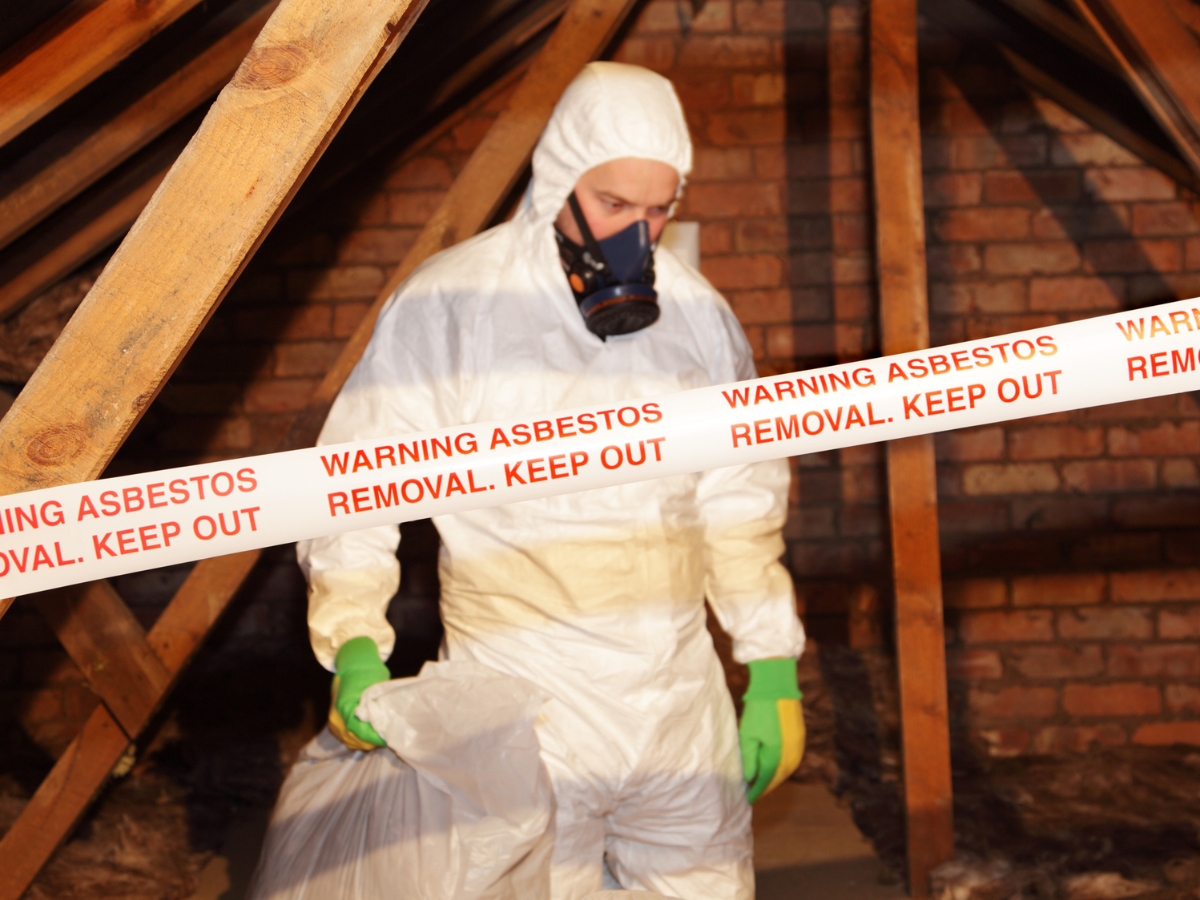
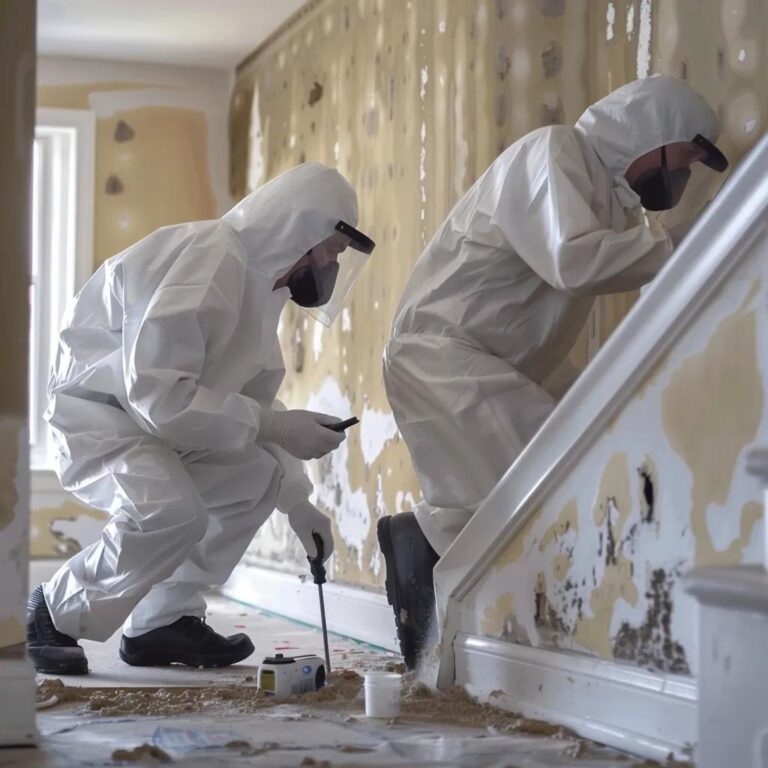
Once the affected areas are identified, containment and air filtration become the next priority. The reason is simple: disturbing mold growth can release spores into the air, and those spores can travel to clean areas if the space is not controlled. Professional containment is meant to keep the work zone isolated and reduce the chance of cross-contamination during removal.
Containment usually involves creating physical barriers, often using heavy-duty plastic sheeting to seal off doors, vents, and openings around the work area. In some cases, a decontamination or “transition” area is set up so workers can remove protective gear without tracking spores into the rest of the home. The level of containment depends on the extent of the contamination and where the mold is located, but the purpose stays the same: keep spores where they are, then remove them safely.
Air filtration supports containment by continuously pulling contaminated air through specialized filters. HEPA filtration is commonly used because it is designed to capture very small particles, including many airborne spores. During remediation, air scrubbers or negative air machines may be used to create negative air pressure, meaning air flows into the contained area rather than out of it. That inward flow helps keep spores from drifting into adjacent rooms.
Dehumidification is often paired with filtration because moisture control is central to long-term prevention. Dry air makes it harder for mold to spread and helps wet materials dry faster after removal. When homeowners hear “mold remediation explained,” this is a key point: filtration helps clean the air during the job, while drying helps prevent the same problem from returning after the job is done.
What Health Risks Are Associated With Mold Exposure?
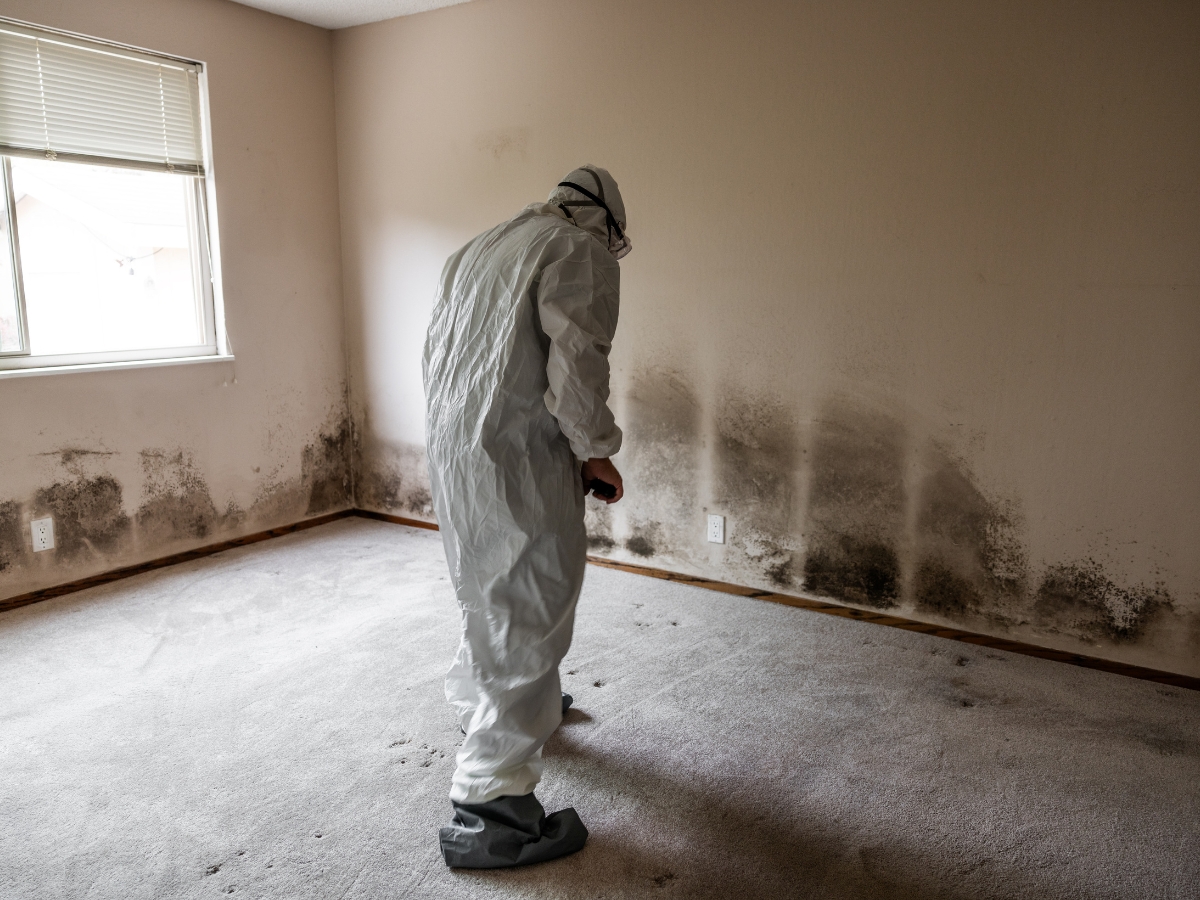
Mold is a common indoor problem, but the health effects can be anything but minor, especially when growth is widespread or the underlying moisture issue is ongoing. Mold releases spores and fragments into the air, and people can react when they breathe those particles in or when mold settles on surfaces that are touched often. Some households notice symptoms quickly, while others only connect the dots after weeks of feeling “off” at home. Mold remediation explained in a health context starts with a simple idea: if mold is present, the safest approach is to address it early, before exposure becomes routine.
It is also worth noting that not everyone responds the same way. Two people can live in the same space and have very different reactions. Children, older adults, and anyone with asthma, allergies, or a weakened immune system are often more sensitive. Even for people without diagnosed conditions, persistent dampness and mold can irritate the airways and contribute to discomfort that does not have an obvious cause.
Which Symptoms And Conditions Result From Mold Exposure?
Many mold-related symptoms overlap with seasonal allergies or a lingering cold, which is why the problem can go unnoticed. People commonly report sneezing, coughing, a runny or stuffy nose, watery eyes, and throat irritation. Skin irritation can also happen, especially if someone has direct contact with contaminated materials or if mold is present on fabrics or furniture. Headaches and fatigue are also reported by some individuals, although these symptoms can have many causes and are not specific to mold.
For people with asthma or chronic respiratory issues, exposure can be more disruptive. Mold can trigger wheezing, shortness of breath, chest tightness, and more frequent flare-ups. In some cases, symptoms feel worse at home and improve when the person is away, which can be a clue that the indoor environment is part of the issue. People with mold allergies may also experience stronger reactions, including persistent congestion or sinus irritation.
More serious health concerns are less common, but they matter. Individuals with weakened immune systems may be at higher risk for respiratory infections linked to mold exposure. Anyone experiencing severe breathing difficulty, recurring respiratory symptoms, or symptoms that worsen in a specific building should consider medical guidance while also addressing the environment. Mold remediation explained from this angle is not about fear. It is about reducing a preventable stressor on the body.
How Does Mold Affect Respiratory And Cognitive Health?
The clearest and most consistent concern is respiratory health. Mold exposure can irritate the airways and contribute to inflammation, which is why it can aggravate asthma and make breathing conditions harder to manage. Damp indoor environments can also promote other irritants, such as dust mites, which may compound symptoms. Over time, living in a space with ongoing moisture can lead to persistent coughing, chronic throat irritation, or recurring sinus issues that do not fully resolve until the source is addressed.
The conversation around cognitive effects is less settled. Some people report trouble concentrating, brain fog, mood changes, or memory issues when living in damp or moldy environments, and some studies have explored possible links. However, research is still evolving, and it is difficult to separate mold exposure from related factors like poor sleep, stress, and overall indoor air quality. Even so, if a home environment is contributing to breathing problems or poor sleep, it can indirectly affect focus and mental clarity.
The most practical takeaway is that indoor mold is not just a cosmetic issue. If symptoms appear or worsen in a specific space, it is a sign to take the environment seriously. Mold remediation explained in the simplest terms, is a way to lower exposure, improve indoor air quality, and reduce the risk of ongoing irritation or flare-ups tied to a damp home.
How Much Does Mold Remediation Cost In The Metro Atlanta Area?
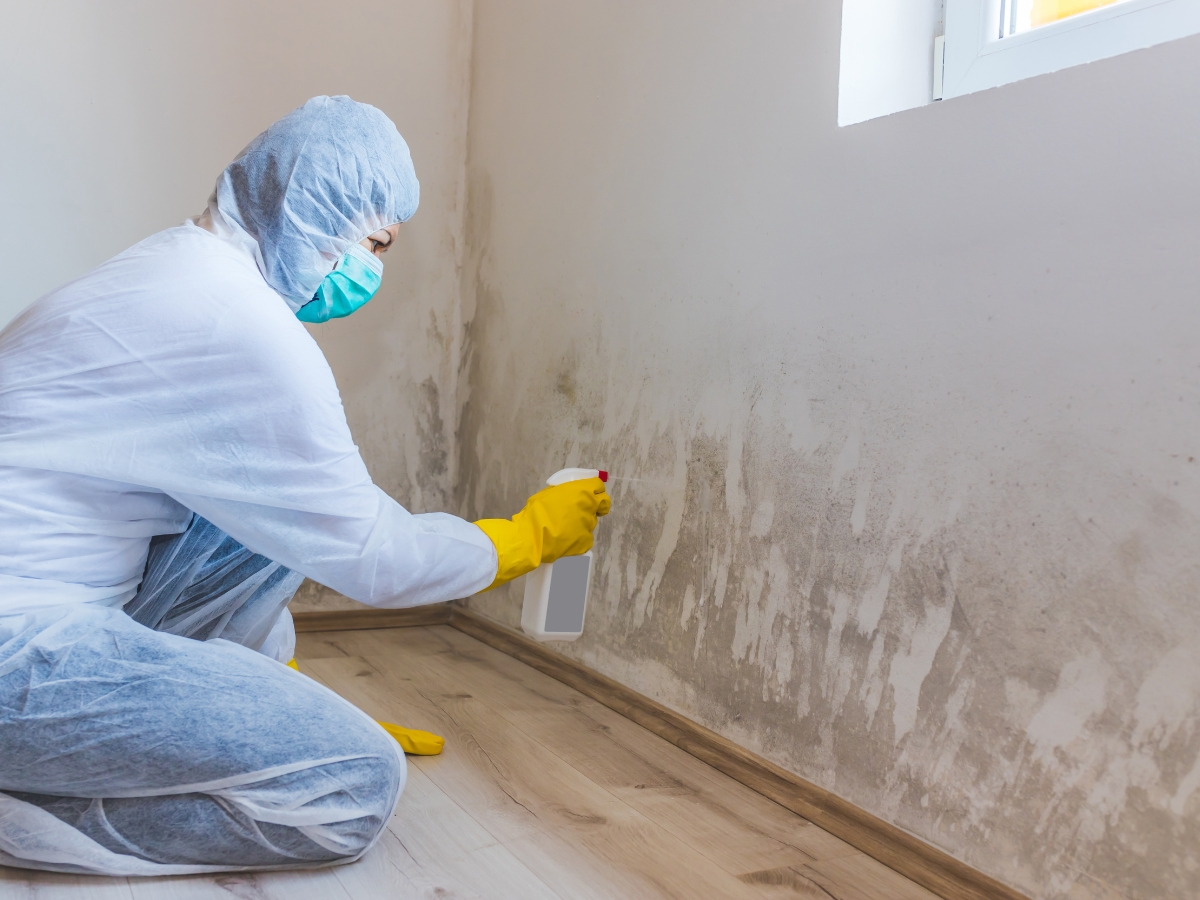
Mold remediation costs in Metro Atlanta can range widely because no two situations are exactly the same. Some homes have a small, contained area caused by a minor leak, while others have hidden growth behind drywall or under flooring that has been fed by moisture for months. When people ask for an exact price, the honest answer is that it depends on what is affected, how far the contamination has spread, and what needs to be removed or dried to stop it from coming back. Mold remediation explained from a pricing standpoint, is really about understanding what drives labor, equipment, and material costs.
In general, smaller, localized jobs tend to cost less than projects that require heavy containment, demolition, or repairs after removal. A simple issue in a bathroom or around a single window may be straightforward, while mold tied to HVAC moisture, crawlspace humidity, or a roof leak can be more involved. Metro Atlanta’s climate also plays a role, since humidity can make drying and prevention more challenging if the moisture source is not fully corrected.
Because of that range, homeowners usually get the clearest picture by having the situation evaluated on site. A detailed assessment helps confirm what is actually mold, where it is coming from, and what it will take to remove contamination safely. It also helps avoid paying for work that is unnecessary, while making sure the work that is necessary is not skipped.
What Factors Influence Professional Mold Removal Pricing?
The size of the affected area is one of the biggest factors, but it is not the only one. An area that looks small on the surface can still be expensive if the mold is behind walls, inside insulation, or under flooring, since reaching it may require removing building materials. The severity of growth matters too. Light surface growth on nonporous material is different from extensive contamination on porous materials that must be removed and replaced.
Access can also affect pricing. Mold in an easy-to-reach area, like a utility closet with open framing, is typically faster to address than mold in a tight attic space or a crawlspace with limited clearance. The amount of containment required is another cost driver. When professionals set up barriers, negative air pressure, and air filtration to prevent spores from spreading, it adds time and equipment, but it also reduces the risk of cross-contamination in the rest of the home.
Moisture and water damage are closely tied to cost as well. If the remediation includes drying saturated materials, identifying a leak, or addressing structural damage, that expands the scope. Some jobs also require post-remediation verification or additional cleaning to ensure indoor air quality improves after the work is complete. Mold remediation explained in practical terms, is that you are paying for safe removal plus the steps that keep the problem from repeating, not just the visible cleanup.
How Does Restor-It Inc Ensure Transparent Mold Remediation Costs?
One of the biggest frustrations homeowners run into is unclear pricing, especially when the scope changes mid-project. Restor-It Inc emphasizes transparency by starting with an estimate process that explains what is being recommended and why. Rather than presenting a single vague number, the goal is to outline what the work includes so homeowners can see how costs connect to specific steps, such as containment, filtration, removal of affected materials, and drying.
Clear documentation also helps homeowners compare options without guessing. When an estimate shows what is included, it is easier to understand why one bid might be higher than another and whether that difference reflects added protection, more thorough moisture control, or repairs that were not accounted for elsewhere. That clarity matters because mold issues can be stressful, and cost surprises only add to that stress.
If you are trying to budget in Metro Atlanta, a transparent estimate is often the most helpful starting point. It turns mold remediation explained from a confusing expense into a defined plan, with a clearer understanding of what you are paying for and what outcomes the work is meant to deliver.
What Are Effective Mold Prevention Tips to Avoid Future Growth?
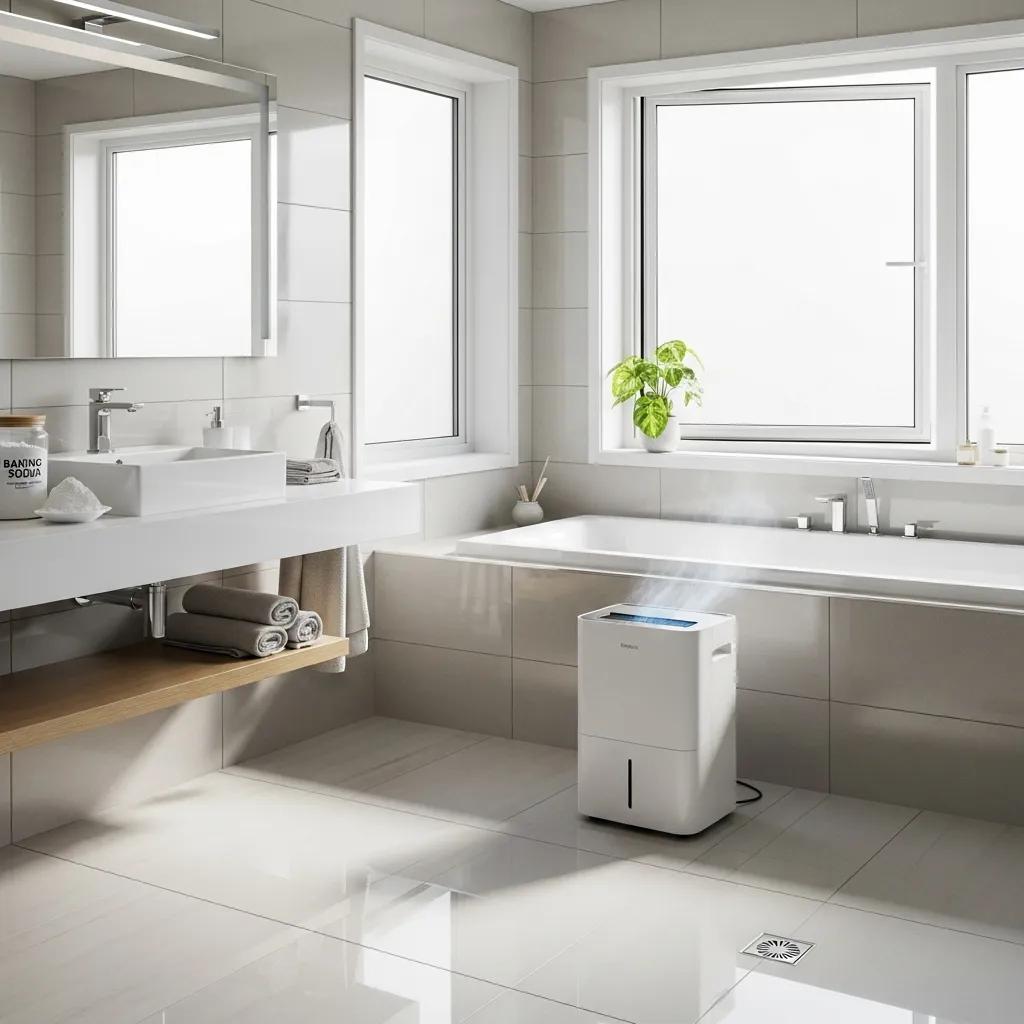
Preventing mold is less about constant cleaning and more about controlling moisture. Mold needs damp surfaces and time, so the goal is to keep indoor areas dry and to fix water problems before they turn into a bigger issue. Mold remediation explained often focuses on removal, but prevention is what protects your home after cleanup and reduces the chances of the same problem returning.
Homes in humid climates, including much of the Southeast, can be especially vulnerable because moisture can build up even without a major leak. Bathrooms, kitchens, basements, and crawlspaces tend to be the usual trouble spots, but mold can also form around windows, inside closets on exterior walls, and near HVAC components if condensation is common. The best prevention approach is consistent, realistic habits that address humidity, airflow, and water intrusion.
How Can Moisture Control Prevent Mold Development?
Moisture control is the foundation of mold prevention because it removes the main condition mold needs to grow. Start with the obvious sources of water. Regularly check under sinks, around toilets, near the water heater, and behind appliances like dishwashers and washing machines. Small leaks can go unnoticed for a long time, especially if they drip into cabinets or seep into flooring. Catching these early can save you from repairing materials later.
Ventilation matters just as much. Bathrooms should have a working exhaust fan that vents to the outside, and it should run long enough to clear steam after showers. Kitchens benefit from venting moisture while cooking, particularly when boiling water or using the stove for long periods. If parts of the home feel consistently damp or smell musty, a dehumidifier may help, especially in basements or other below-grade spaces. Many homeowners aim to keep indoor humidity below sixty percent, with a comfortable range often falling between thirty and fifty percent.
Airflow also supports moisture control. Crowded closets and tightly packed storage areas can trap humidity, especially on exterior walls. Leaving a bit of space for air movement can help those areas stay dry. HVAC systems can also contribute to moisture control when they are running properly, so changing filters and making sure the system drains correctly can prevent condensation problems from turning into mold growth.
What Maintenance Practices Reduce Mold Risks In Homes?
Preventing mold long term often comes down to maintenance that keeps water moving away from the home and prevents damp materials from lingering. Gutters and downspouts are a good starting point. When they clog, water can spill over and pool near the foundation, increasing the chance of moisture seeping into basements or crawlspaces. Downspouts should direct water away from the home rather than dropping it right at the base of the wall.
It also helps to pay attention after storms. If you notice water stains on ceilings, bubbling paint, or damp spots along baseboards, those changes can signal an active leak. Prompt repairs are important because mold can begin growing quickly when materials stay wet. Flooring, drywall, insulation, and wood framing can all hold moisture, which is why drying out the area fully is often as important as fixing the source.
If you have had mold before, build a simple routine around the areas that caused trouble. That might include checking crawlspace humidity, watching for window condensation, or inspecting attic ventilation. Mold remediation explained does not end when the visible growth is gone. The real protection comes from preventing moisture from returning and keeping vulnerable areas dry.
When homeowners focus on moisture control and basic upkeep, mold prevention becomes manageable. The goal is not perfection. It is catching problems early, improving airflow, and limiting the damp conditions that allow mold to settle in and spread.s, homeowners can take proactive measures to protect their health and property.
Conclusion
Understanding the mold remediation process empowers you to act swiftly and decisively, preventing a small issue from escalating into a costly health hazard and structural nightmare. While this guide provides essential knowledge, effective remediation requires professional expertise, specialized equipment, and a thorough approach to ensure complete removal and prevent recurrence. For reliable, comprehensive mold remediation you can trust, contact Restor-It, Inc. Don’t let mold compromise your home or health. Call (678) 355-6645 or visit our website for a free quote today. Let our certified experts restore your property and your peace of mind.