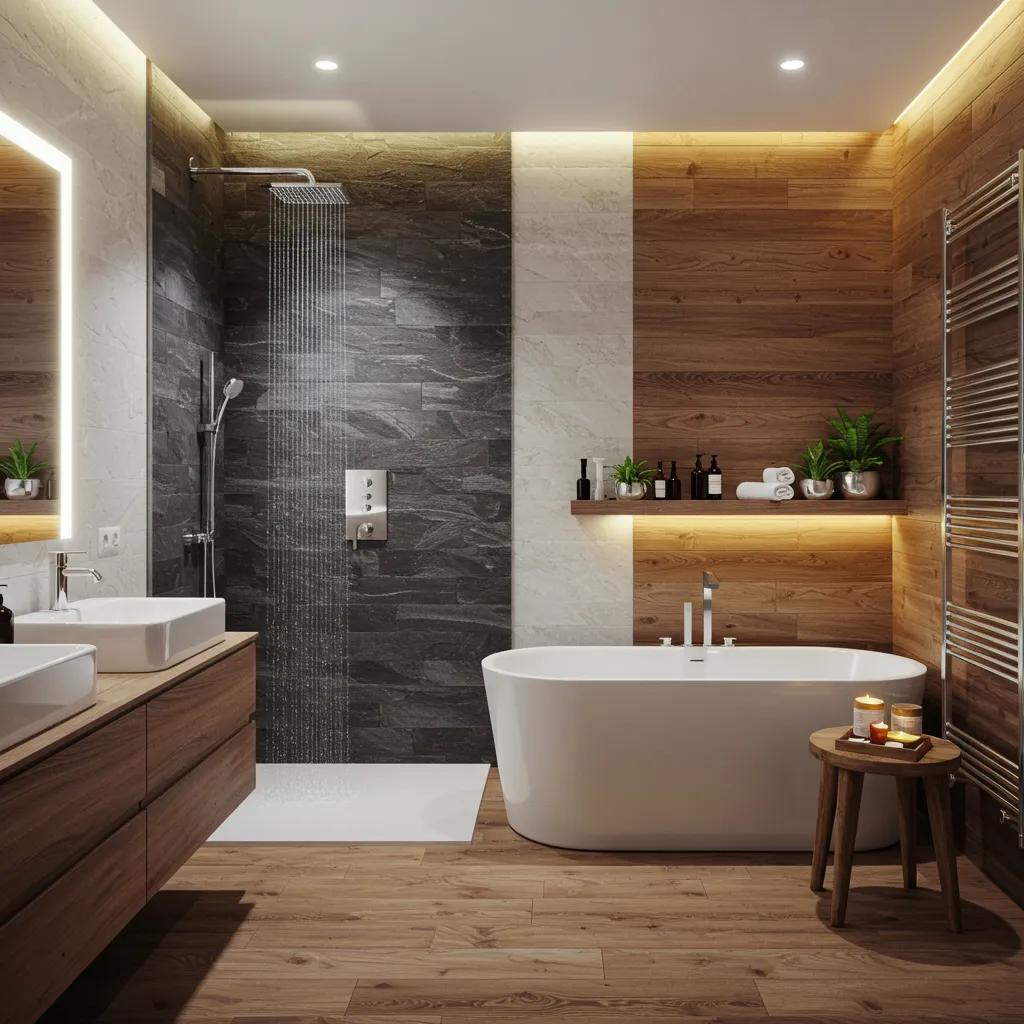
Laminate flooring has surged in popularity among homeowners for its affordability, durability, and striking visual appeal, but understanding its full range of pros and cons is essential before making a purchase. While it offers impressive resistance to scratches, ease of installation, and a vast array of design options, it also comes with limitations regarding moisture exposure, repairability, and long-term value compared to natural materials.
In this guide, we’ll provide a balanced, detailed look at laminate pros cons, helping you decide if it’s the right choice for your home’s style, budget, and lifestyle demands.
Laminate Pros Cons You Should Know Before Installing
What Are the Key Advantages and Disadvantages of Laminate Flooring?
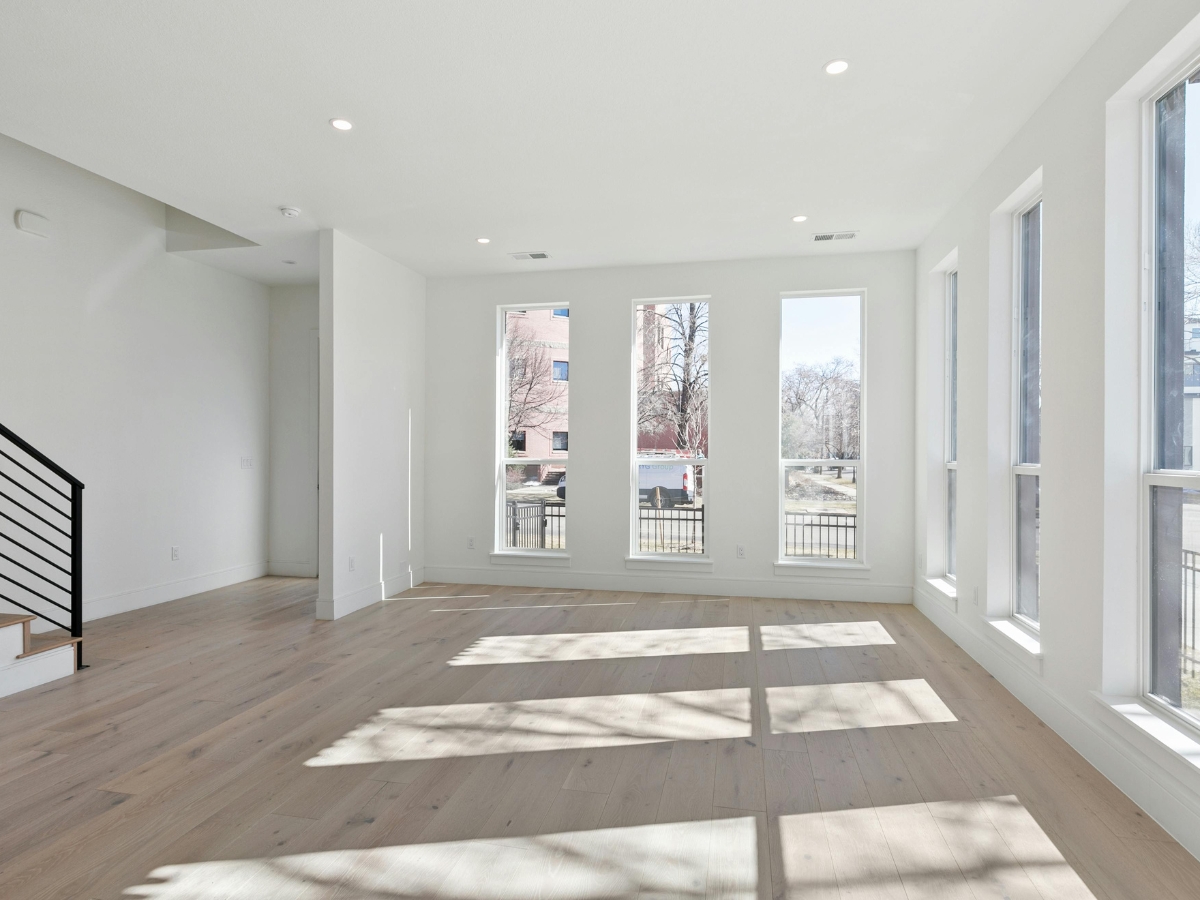
When people search laminate pros cons, they are usually trying to answer one question: is laminate a practical flooring choice for my home, or will it become a regret later? Laminate has improved over the years, and it can be a solid option in the right setting. It also has limitations that matter, especially in rooms where moisture, noise, or long-term wear are bigger concerns. Looking at both sides helps you choose based on how you actually live, not just how the floor looks in a sample photo.
What Are The Main Benefits Of Laminate Flooring For Homes?
One of the biggest laminate pros cons considerations is durability. Laminate is built to handle everyday life in many households, including moderate to heavy foot traffic. Many products include a wear layer designed to resist scuffs and light scratches, which can make laminate appealing for busy living rooms, hallways, and family spaces. While no floor is indestructible, laminate often holds up well to routine wear when it is installed properly and cared for consistently.
Another benefit is variety. Laminate is available in a wide range of styles, colors, and textures, and it can mimic the look of hardwood, stone, or tile without the same price tag. For homeowners who want the appearance of wood floors but need a more budget-friendly option, laminate can deliver a similar visual effect. Some modern laminate even includes more realistic surface texture and improved printing, which helps it look less flat and more natural.
Maintenance is also fairly straightforward. Laminate does not require special finishing or polishing. Most of the time, regular sweeping or vacuuming and occasional damp mopping are enough to keep it looking clean. That low-maintenance factor is a major reason laminate stays popular for households that want a clean look without a complicated upkeep routine. If you are weighing laminate pros cons, ease of cleaning is usually a strong point in laminate’s favor.
What Are Common Drawbacks And Considerations With Laminate Flooring?
Moisture is one of the most important drawbacks to understand. Traditional laminate can swell or warp if water seeps into seams or sits on the surface too long. That makes it a riskier choice for bathrooms, laundry rooms, or any space where spills are frequent unless the product is specifically labeled water-resistant or waterproof. Even then, it is important to follow installation guidelines and clean spills quickly, because the seams are often where damage begins.
Another common laminate pros cons issue is that laminate cannot be refinished. Hardwood can often be sanded and restored, but laminate has a top layer that cannot be renewed once it is worn through or damaged. That means deep scratches, chipped edges, or swelling usually require plank replacement rather than repair. In many homes, this is not a dealbreaker, but it does affect long-term value and lifespan expectations.
Sound is another consideration. Laminate can sometimes sound hollow or click underfoot, especially if it is installed over an uneven subfloor or without the right underlayment. The good news is that sound issues can often be reduced with better underlayment choices and careful installation, but it is still worth thinking about if you live in a multi-level home or want a quieter feel.
When you evaluate laminate pros cons honestly, laminate often works best in dry, high-traffic areas where you want style options, easy maintenance, and a practical budget. If moisture and long-term refinishing are priorities, you may want to compare alternatives, but laminate remains a reliable option for many homeowners when chosen and installed thoughtfully.
How Durable Is Laminate Flooring Compared To Other Options?
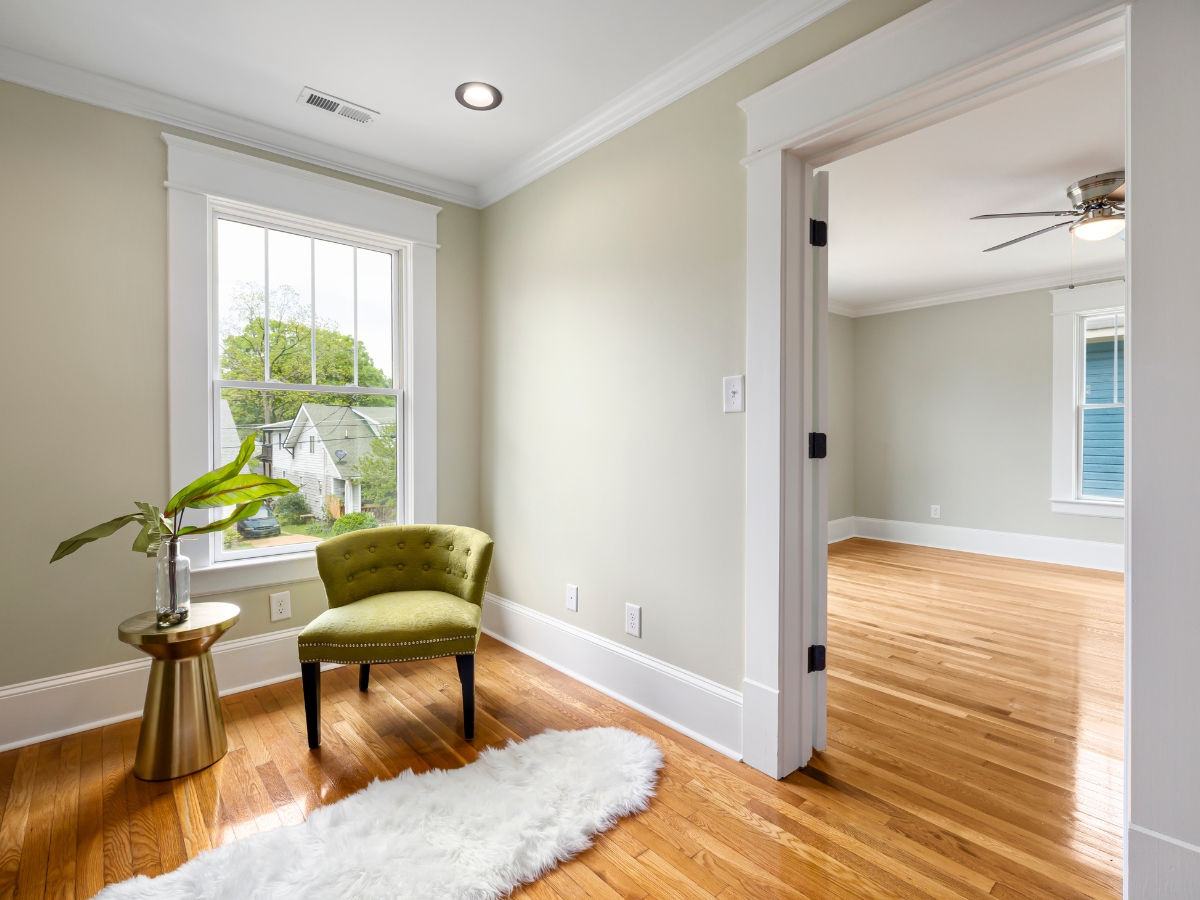
If you are weighing laminate pros cons, durability is usually one of the biggest deciding factors. Laminate is often marketed as tough, and in many homes it does hold up well. Still, durability depends on what you buy, how it is installed, and what your household puts the floor through day to day. A quality laminate in a busy living room can perform very differently than an entry-level product in a kitchen where spills are common. The key is knowing what drives performance so you can compare laminate realistically against other flooring options.
What Factors Affect Laminate Flooring Durability?
One of the main factors is product quality. Higher-quality laminate typically has a thicker wear layer, stronger core materials, and a better locking system. That combination helps resist scratches, dents, and surface wear. Lower-quality laminate can still look good at first, but it may show scuffs sooner, and the edges may be more vulnerable if the core is thinner or less dense. When people talk about laminate pros cons, this is a common point of confusion. Laminate durability is not one standard across all products, so the quality tier matters.
Installation is another major factor. Even durable laminate can fail early if it is installed over an uneven subfloor or if expansion gaps are ignored. Buckling, gaps, and edge damage often trace back to moisture issues or improper installation rather than the surface itself. When laminate is installed correctly, it tends to wear evenly and feel more stable underfoot. When it is not, the floor may develop soft spots, shifting seams, or areas that click and lift.
Maintenance also plays a role. Laminate is easy to clean, but it still performs best with regular sweeping and prompt spill cleanup. Grit acts like sandpaper under shoes and can wear down the surface over time, especially in high-traffic paths. Water is the other big issue. Even water-resistant laminate can be vulnerable if moisture sits at seams for long periods. Simple habits, like using mats at entryways and avoiding overly wet mopping, can extend the floor’s lifespan and reduce some of the common laminate pros cons concerns.
How Does Laminate Compare To Hardwood And Luxury Vinyl Plank?
Compared to hardwood, laminate is often more scratch-resistant on the surface, especially in homes with pets or heavy foot traffic. Hardwood, however, has a long-term advantage because it can often be refinished. If hardwood gets worn or scratched, it can be restored. Laminate cannot be sanded and refinished, so deep damage usually means replacing planks. From a laminate pros cons standpoint, laminate often wins on easier upkeep and lower cost, while hardwood wins on long-term value and the ability to refresh the surface.
Compared to luxury vinyl plank, laminate and LVP can look similar from a distance, but they behave differently around moisture. LVP is usually more forgiving in wet areas because it is designed to handle water exposure better than traditional laminate. In households where spills are frequent or where the floor will be installed in kitchens, laundry rooms, or bathrooms, LVP often has the durability edge. Laminate can still be a strong choice in drier spaces where scratch resistance and style variety matter most.
When you look at laminate pros cons through the durability lens, laminate tends to be a practical middle ground. It can handle everyday wear well when you choose a higher-quality product, install it correctly, and maintain it consistently. If moisture resistance is your top priority, LVP may be a better fit. If long-term refinishing is important, hardwood usually comes out ahead.
What Are The Typical Costs Of Laminate Flooring Installation In Metro Atlanta?
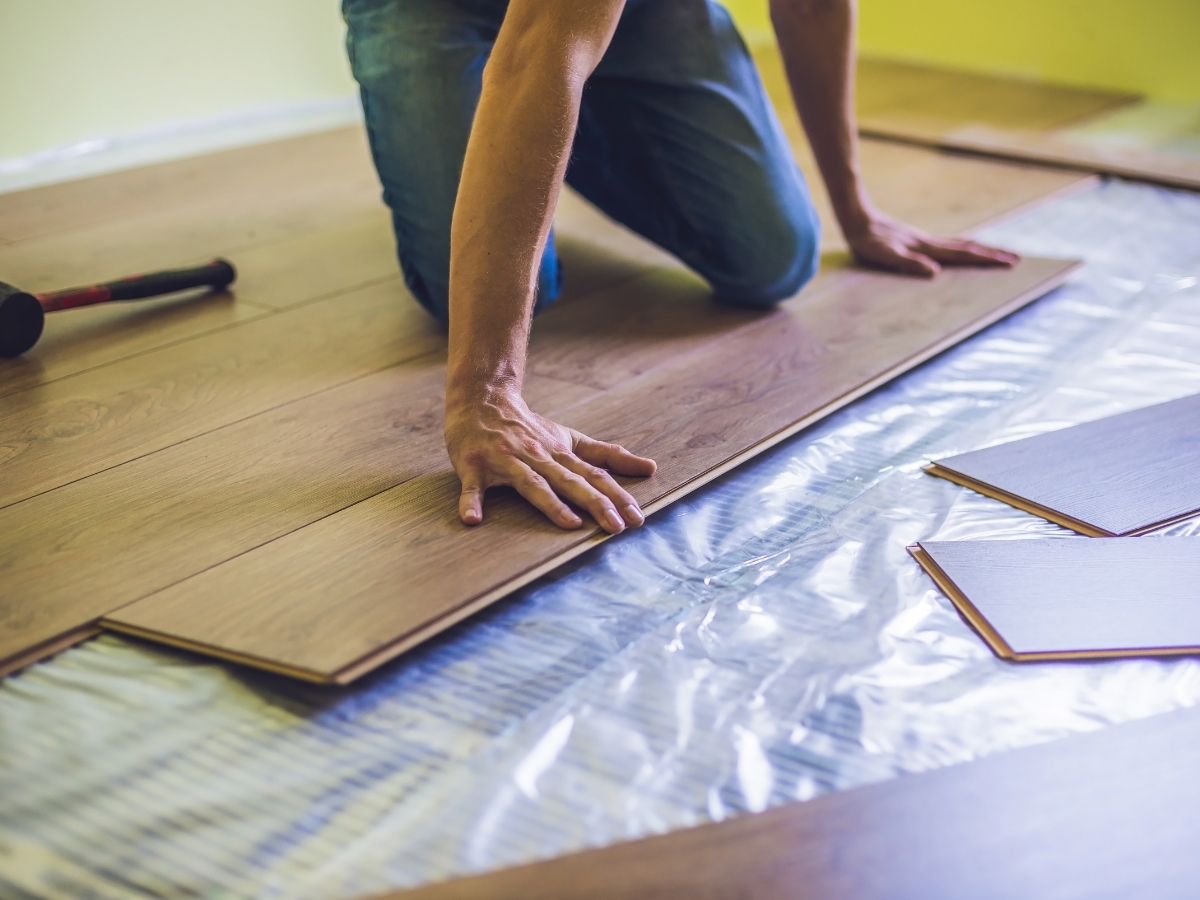
If you are researching laminate pros cons, cost is usually one of the main reasons laminate ends up on the shortlist. It tends to be more budget-friendly than hardwood while still offering a wide range of styles. Still, the total price of a laminate project in Metro Atlanta depends on more than the flooring you pick. Installation costs can shift based on the condition of the subfloor, the layout of the space, and the details that come with finishing the job correctly. Understanding what drives pricing helps you plan a realistic budget and avoid surprises after the project starts.
Most homeowners find that laminate remains a cost-effective option, but it helps to remember that “installed cost” is the combination of materials, labor, and preparation. When those pieces are balanced well, laminate can deliver strong value, which is one of the consistent laminate pros cons points people come back to.
What Influences The Cost Of Laminate Flooring Installed?
Material quality is one of the biggest price variables. Laminate products range from entry-level options to higher-quality planks with thicker wear layers, more realistic texture, and better locking systems. Higher quality laminate typically costs more upfront, but it can also perform better over time, especially in high-traffic areas. If durability is a priority, choosing a stronger product can reduce the chance of early wear, edge chipping, or plank movement.
Labor costs also matter, and they often reflect job complexity. A straightforward rectangular room is usually faster to install than a space with multiple doorways, tight corners, angled walls, or built-ins. Stairs, transitions between rooms, and trim work can add time and cost as well. Subfloor condition is another overlooked factor. If the subfloor is uneven, damaged, or squeaky, prep work may be needed before installation. That extra work can increase the project total, but it also protects the floor from shifting, gaps, and premature wear.
Local pricing can vary across Metro Atlanta depending on demand and the specific area. Some neighborhoods have higher labor rates, and pricing can also change during peak remodeling seasons. When weighing laminate pros cons, it is helpful to compare quotes that clearly separate materials, labor, and prep work so you can see what you are actually paying for.
How Does Professional Installation Impact Pricing And Quality?
Professional installation often costs more than a DIY approach, but it can improve the final result in ways that matter long-term. Laminate is a floating floor, which means proper spacing, alignment, and expansion gaps are critical. When those details are handled well, the floor is less likely to buckle, separate, or develop soft spots. Pros also tend to handle transitions and trim more cleanly, which affects both appearance and performance.
Professional installers can also catch issues early, such as moisture concerns, uneven subfloors, or layout challenges that could affect the floor later. That matters because many of the common complaints people have about laminate are not always product failures. They are installation problems that show up months later as lifting seams, movement, or noise. A well-installed laminate floor often feels more solid underfoot and tends to age better, which improves the value side of the laminate pros cons discussion.
If you are budgeting for laminate in Metro Atlanta, the best approach is to plan for both the flooring and the conditions of the space. Laminate can be a smart choice, but the outcome depends heavily on quality selection and correct installation.
Are Waterproof Laminate Flooring Options Suitable for Your Home?
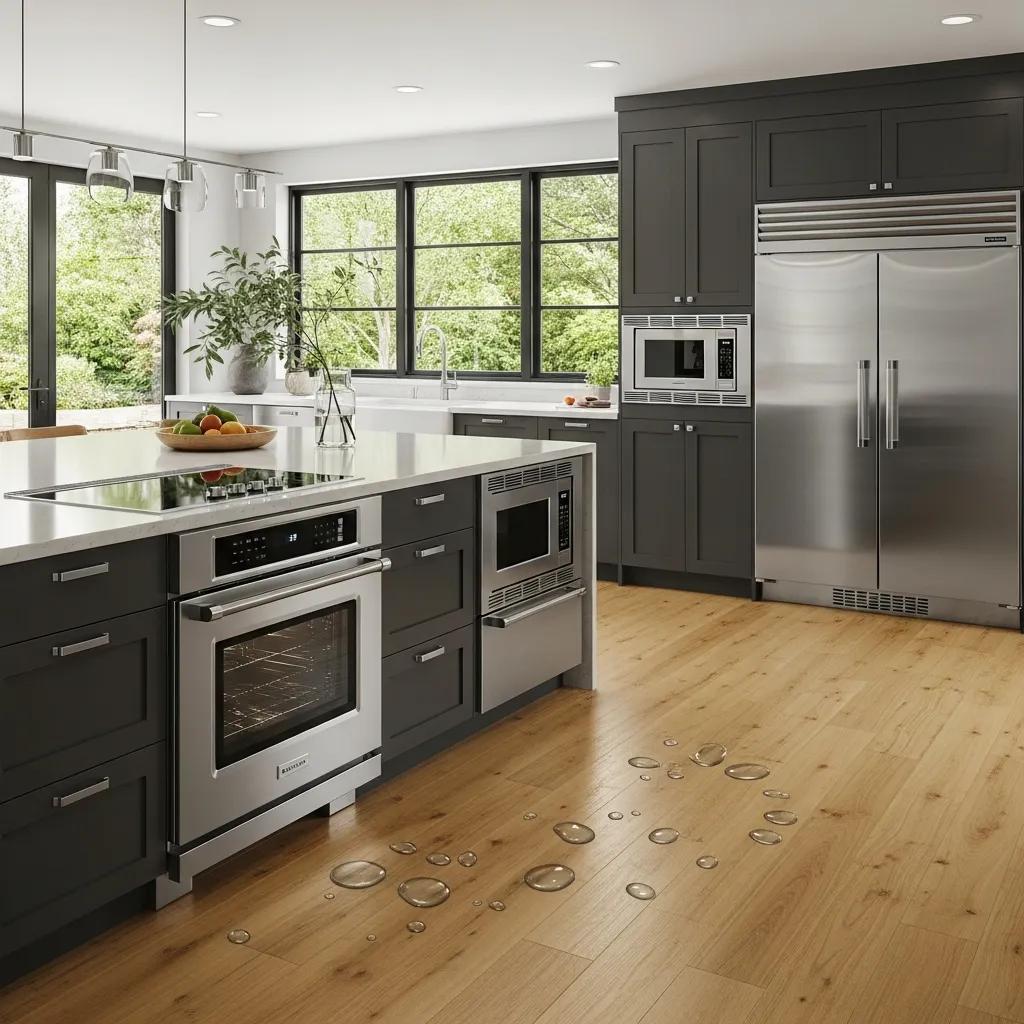
When people look up laminate pros cons, moisture is usually the first concern that comes up. Traditional laminate has a reputation for swelling when water gets into the seams, which is why homeowners have often avoided it in kitchens, bathrooms, and laundry areas. Newer waterproof and water-resistant laminate options are designed to address that weakness, but they still need to be chosen and installed with realistic expectations. Waterproof laminate can be a smart option for many homes, especially when you want the look of wood with more protection against everyday spills.
The main question is not whether waterproof laminate is “good” or “bad.” It is whether the specific product you choose matches the room, the amount of moisture exposure, and how the household uses the space. Understanding the difference between water-resistant and waterproof construction is an important part of weighing laminate pros cons.
What Waterproof Laminate Solutions Are Available For Kitchens And Bathrooms?
Many products marketed as waterproof laminate rely on better seam protection and tighter locking systems. Water-resistant laminate usually has a surface coating that helps repel spills, along with joints designed to reduce water seepage. This can work well in kitchens, powder rooms, and bathrooms where water exposure is occasional and spills are cleaned up quickly. The key is that water resistance buys time, but it does not make the floor immune to standing water.
Rigid core laminate is another option that has gained popularity. This type often uses a denser core designed to resist swelling and warping better than traditional laminate cores. Some rigid core products are built to handle higher humidity and brief water exposure without the same level of damage risk. For homeowners comparing laminate pros cons, rigid core laminate can feel like a more practical middle ground, especially when moisture is a concern but vinyl is not the look you want.
Underlayment also matters. Some waterproof laminate systems include a built-in pad or recommend a specific underlayment that adds moisture protection. This layer can reduce minor moisture transfer from below and can help with comfort and sound. It is not a substitute for correct installation, but it can be a helpful part of an overall moisture plan.
How Does Waterproof Laminate Perform In Moisture-Prone Areas?
Waterproof laminate can perform well in kitchens and bathrooms when it is installed properly and maintained consistently. The most important factor is preventing water from sitting at seams for extended periods. Spills should be cleaned up promptly, and rugs or mats near sinks, dishwashers, and tubs can reduce daily exposure. In bathrooms, ventilation matters too. Excess humidity over time can stress flooring materials, so a working exhaust fan helps protect the floor and the subfloor underneath.
Installation details also affect performance. Many manufacturers require a moisture barrier or specific prep steps, especially on concrete slabs. Skipping those steps can lead to problems that look like product failure, even when the issue is moisture coming from below. A careful installation helps the floor stay stable, reduces gapping, and protects the joints where moisture tends to cause the most damage.
Even with waterproof labeling, laminate is still not ideal for areas with constant standing water. It is generally not recommended for shower floors or wet rooms where water exposure is continuous. For most households, though, waterproof laminate can reduce one of the biggest laminate pros cons issues and open up more rooms where laminate makes sense.
If you like the look and feel of laminate but need better moisture protection, modern waterproof options can be a strong fit, as long as you treat them as spill-resistant flooring, not flood-proof flooring.
Conclusion
Understanding the key pros and cons of laminate flooring is essential for making an informed decision that fits your home, lifestyle, and budget. While its affordability and durability are major advantages, being aware of its limitations with moisture and resale value ensures you choose the right material for the long term. For expert guidance, professional installation, and a flawless finish, trust the flooring specialists at Restor-It, Inc.
Ready to explore if laminate is right for you? Call (678) 355-6645 or visit our website for a free quote today. Let’s find the perfect flooring solution for your home.