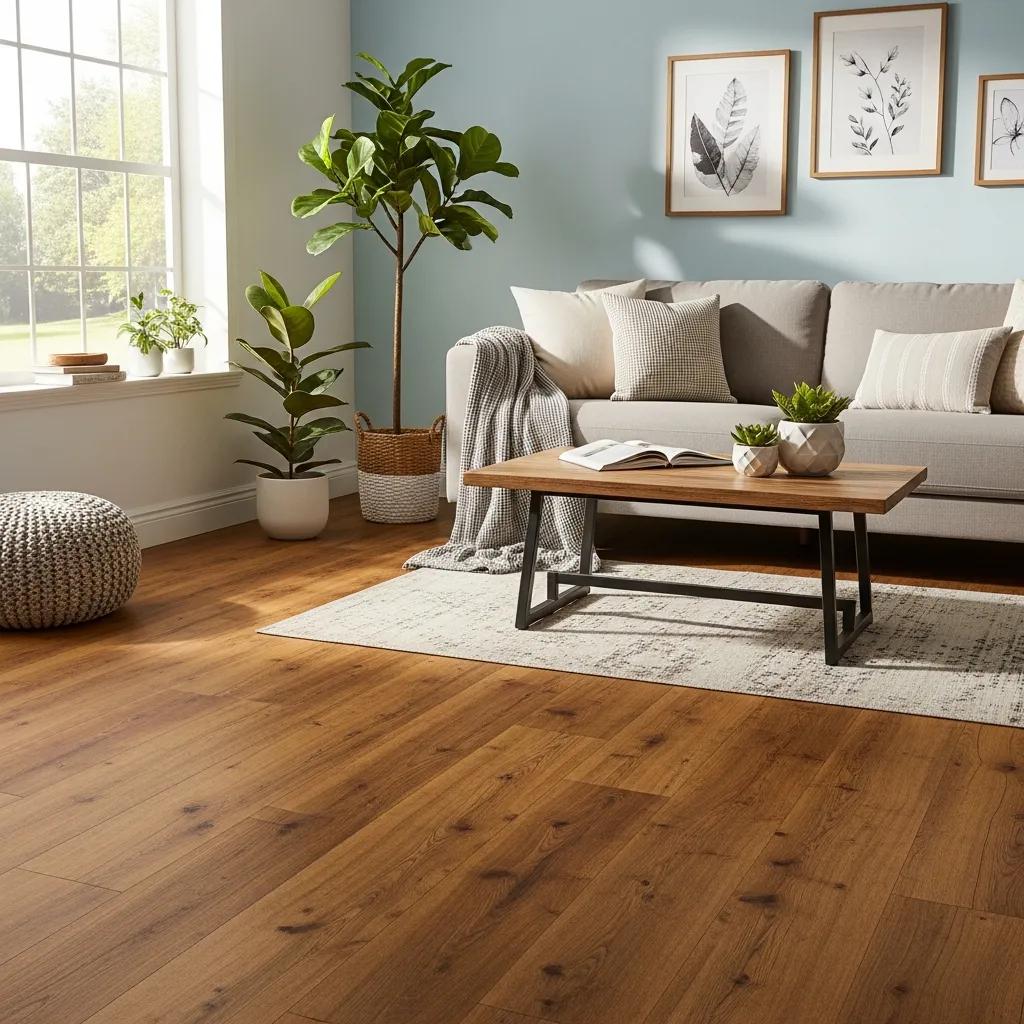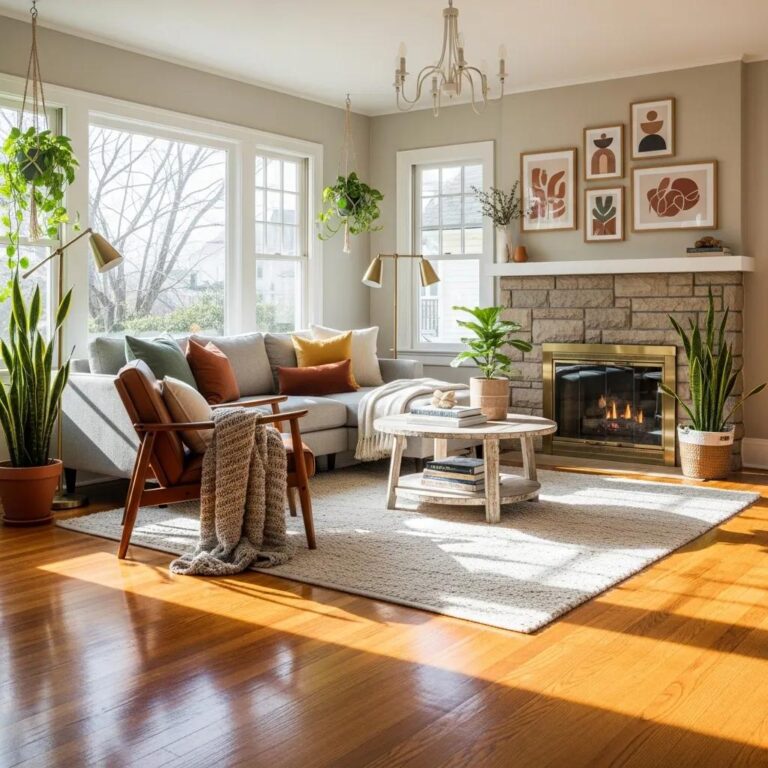
Choosing hardwood flooring is one of the most impactful decisions a homeowner can make, offering a combination of timeless beauty, exceptional durability, and increased property value that few other materials can match. Beyond its classic aesthetic appeal, hardwood benefits provide practical advantages like easy cleaning, hypoallergenic properties, and the unique ability to be refinished multiple times, allowing it to adapt to changing styles over decades.
In this guide, we’ll explore the key benefits of hardwood flooring that every homeowner should know, helping you understand why it remains a premier choice for creating a warm, elegant, and long-lasting foundation in your home.
Hardwood Benefits That Stand the Test of Time
What Are the Key Benefits of Hardwood Flooring?
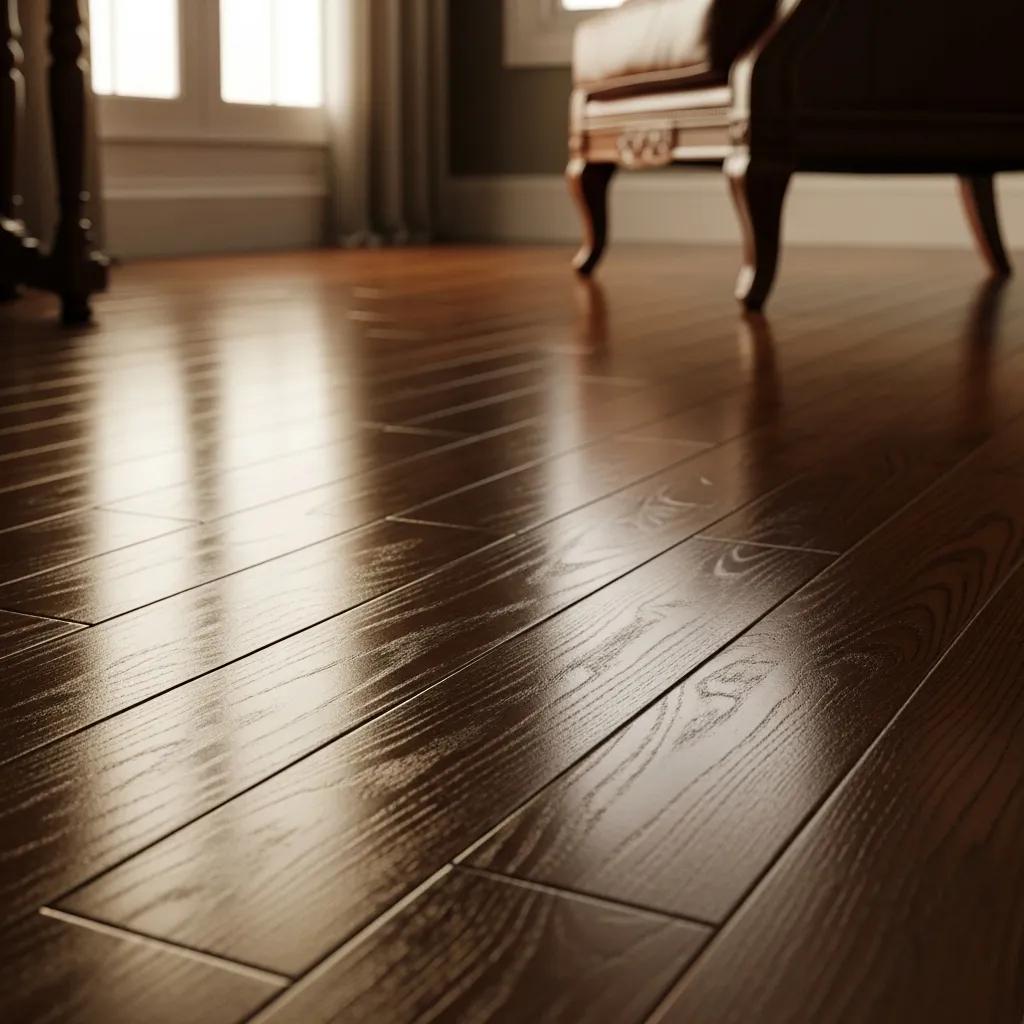
When people talk about hardwood benefits, they usually mean a mix of practicality and appearance. Hardwood flooring has a reputation for holding up well over time, and it tends to look good in a wide range of home styles, from traditional to modern. Unlike many flooring options that are designed to be replaced after a certain number of years, hardwood is often chosen because it can last and still feel current. It also adds a natural warmth to a space that can be hard to replicate with synthetic materials.
Another reason hardwood remains popular is flexibility. If a room’s design changes, hardwood generally works with it. New paint colors, new furniture, even a full renovation can happen without needing to replace the floors. For homeowners thinking long-term, that kind of stability is a major part of the appeal.
How Does Hardwood Flooring Enhance Home Value And ROI?
One of the most talked-about hardwood benefits is how it can influence resale appeal. Many buyers prefer hardwood because it is seen as a durable, higher-end finish and because it is easier to refresh than carpet. Even when a home is older, well-kept hardwood can read as a valuable feature rather than something that needs to be removed right away.
Hardwood can also support return on investment because it is not a short-lived material. With proper care, it can remain in good condition for decades, which means the cost is spread out over a long period of use. That longevity often makes hardwood feel like a smarter purchase compared to flooring that needs replacement more frequently. Keep in mind that ROI depends on your local market, the condition of the floor, and the overall look of the home, but hardwood is widely viewed as a strong selling point.
Why Is Hardwood Flooring Considered Durable And Long-Lasting?
Hardwood is known for its strength, but the bigger advantage is that it is maintainable. Day-to-day wear is normal in any busy home, yet hardwood can handle foot traffic, furniture movement, and the general life of a household better than many softer flooring materials. More importantly, when the surface starts to show its age, hardwood can often be sanded and refinished, which helps restore the look without replacing the entire floor.
Durability does depend on factors like wood species, finish type, and how the space is used. A hallway or kitchen will naturally see more activity than a guest room, and some woods are harder than others. Still, the ability to refinish gives hardwood a longer functional life than many alternatives. With simple habits like using floor protectors under furniture, cleaning up spills quickly, and avoiding overly wet mopping, hardwood can stay solid and attractive for years.
Improving Wood Durability Through Modern Innovation
Wood is a natural material, and like any natural material, it has limits. It can expand and contract with moisture changes, and it can be vulnerable if it is consistently exposed to water. That said, ongoing innovation has focused on improving moisture resistance and stability through wood modification and protective finishes. Research into modified wood products and treatment methods aims to reduce common issues like swelling, warping, and decay while keeping the look and feel that people want in real wood floors.
For homeowners, the takeaway is simple: hardwood already performs well, and improvements in finishes and material treatments continue to make it an even more reliable choice in a wider range of environments.
Which Types Of Hardwood Flooring Are Best For Your Home?
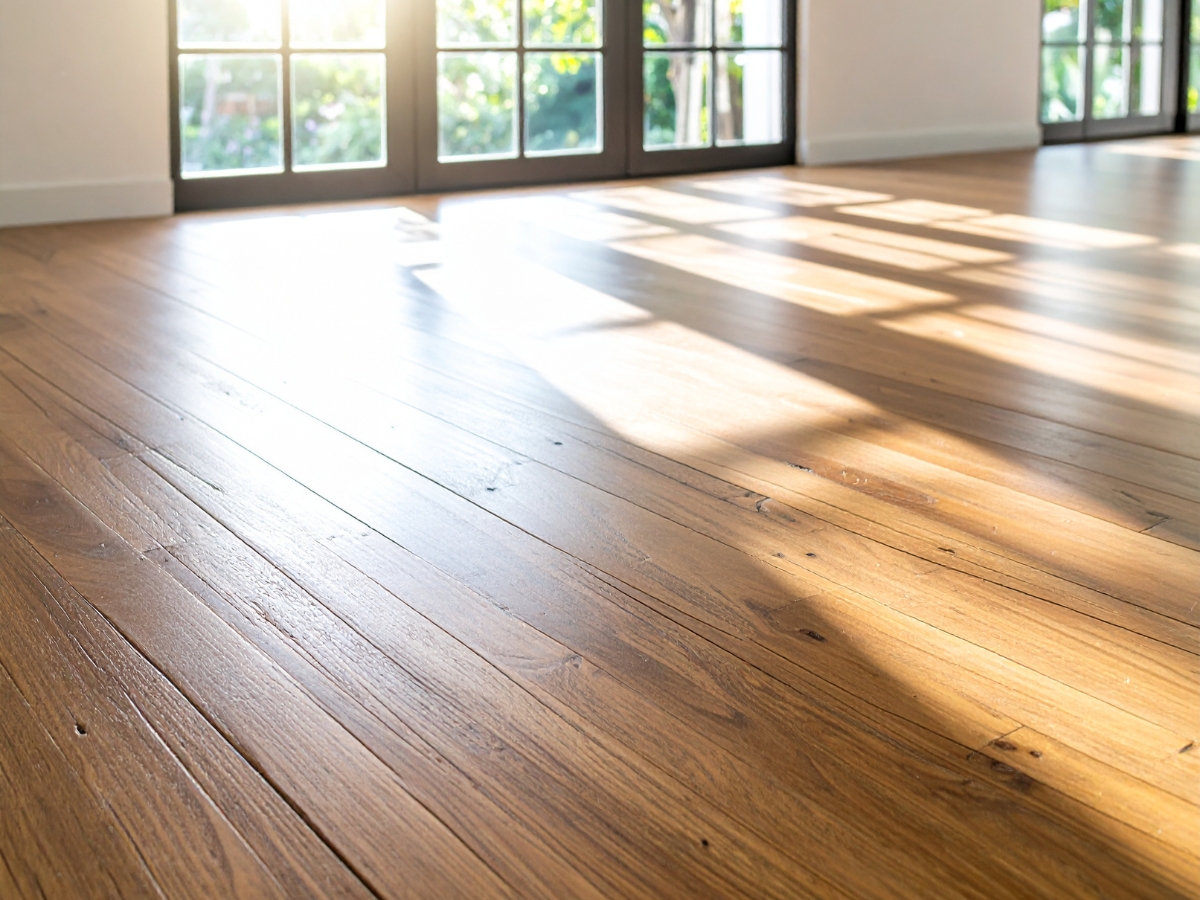
Choosing the right hardwood floor usually comes down to how you live in the space, the look you want, and the conditions in your home. When people talk about hardwood benefits, they often focus on durability and long-term value, but the type of hardwood you choose also plays a big role in how well the floor performs day to day. The good news is that there are strong options for nearly every room, whether you want a classic feel, a more modern look, or something that can handle busy households.
Two of the most common choices are solid hardwood and engineered hardwood. Both offer the warmth and character people expect from real wood, but they behave differently depending on moisture, temperature, and installation needs. After you narrow down the construction type, wood species like oak, maple, and hickory help you fine-tune the final look and durability.
What Are The Differences Between Solid And Engineered Hardwood?
Solid hardwood is made from a single piece of wood, which is part of why it has such a traditional appeal. One of the biggest hardwood benefits of solid planks is that they can often be sanded and refinished multiple times over their lifespan. That makes solid hardwood a strong long-term option, especially in living rooms, dining rooms, hallways, and bedrooms where moisture is less of a concern. Solid hardwood does best in stable indoor environments where humidity does not swing dramatically throughout the year.
Engineered hardwood is built differently. It uses a real wood veneer on top, supported by layers underneath that are designed for stability. That layered structure helps it resist movement from humidity changes better than solid wood. For many homeowners, that stability is a major advantage, especially in places where moisture levels can be less predictable. Engineered hardwood is often a better fit for basements, kitchens, and homes in climates with bigger seasonal shifts. It still delivers the appearance of wood, but with added peace of mind in spaces where solid hardwood may be more likely to expand or contract.
How Do Oak, Maple, And Hickory Compare In Durability And Appearance?
Once you decide between solid and engineered, the species you pick helps define both the style and how the floor wears over time. Oak is a go-to choice for a reason. It is known for strength, a noticeable grain that hides minor wear, and a look that works with many design styles. Oak also stains well, which makes it easier to match to your preferred tone, whether you want a lighter natural finish or a deeper color.
Maple has a smoother, more uniform grain and tends to look cleaner and more modern. Its lighter appearance can brighten a space, which is appealing in smaller rooms or homes with a contemporary style. Maple is durable, but because the grain is subtler, scratches can be more noticeable depending on the finish and lighting.
Hickory is one of the hardest domestic options and is often chosen for high-traffic areas. It has more dramatic color variation and bold grain patterns, which can add a lot of character. That variation also helps hide everyday wear, making hickory a practical pick for active households with pets or heavy foot traffic. If you love a rustic or natural look, hickory can be a great match, though the strong variation may feel busy in some design styles.
In the end, the best choice is the one that matches your home’s conditions and your personal taste. When you align construction type and species with how the space is used, you get the most out of the long-term hardwood benefits without sacrificing the style you want.
How Do You Maintain Hardwood Floors for Longevity and Beauty?
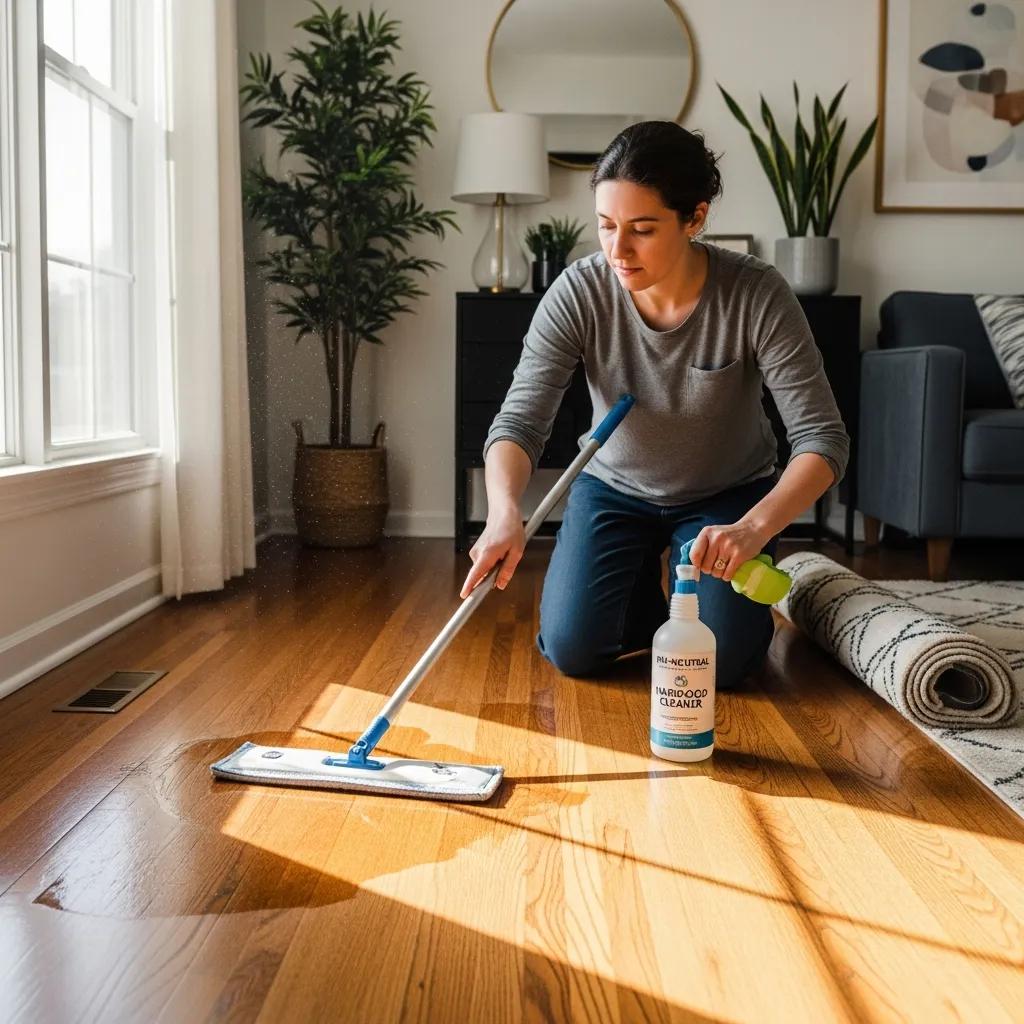
One of the most practical hardwood benefits is how well these floors can hold up over time, but that durability depends on consistent, basic care. Hardwood does not need complicated routines to look good. What it does need is protection from grit, moisture, and long-term wear that slowly dulls the finish. When maintenance is handled the right way, hardwood can stay attractive for years and often be refreshed instead of replaced.
A good approach starts with day-to-day habits, then builds into periodic deeper care as the floor ages. The goal is not perfection. It is keeping the finish intact and preventing avoidable damage that can shorten the life of the wood.
What Are Effective Cleaning And Refinishing Practices?
Regular dry cleaning is the foundation of hardwood care. Dirt and small debris act like sandpaper under shoes and chair legs, so sweeping or vacuuming helps prevent fine scratches that build up over time. If you vacuum, use a setting that is safe for hard floors so you do not risk scuffing the surface. For weekly cleaning, a lightly damp mop can work well, but the key is moisture control. You want the mop damp, not wet, and you should avoid leaving water sitting on the floor.
Choosing the right cleaner also matters. A pH-neutral hardwood floor cleaner helps remove residue without breaking down the finish. Avoid harsh chemicals or oily products that can leave buildup, create a slippery surface, or interfere with future refinishing. If you are ever unsure, check the flooring manufacturer’s recommendations, especially for newer finishes.
Refinishing is what keeps hardwood looking renewed after years of use. Many floors can go a long time before they need it, but signs like widespread dullness, visible wear paths, or finish that looks thin are clues it may be time. Some floors can be screened and recoated, which refreshes the protective layer without sanding down to bare wood. Others may need a full refinish depending on the condition and the type of hardwood installed. Either way, refinishing is a major reason hardwood remains a long-term flooring choice and supports the broader hardwood benefits homeowners care about.
How Does Humidity Control Affect Hardwood Floor Health?
Hardwood is a natural material, which means it responds to moisture in the air. When indoor humidity is too high, wood can swell. When humidity is too low, it can shrink, which may lead to gaps between boards. Over time, repeated expansion and contraction can contribute to cupping, cracking, or changes in how the floor feels underfoot.
Keeping indoor humidity steady is one of the simplest ways to protect hardwood. Many homes do well when humidity stays around the mid-range, often cited as about thirty percent to fifty percent. In drier seasons, a humidifier can help reduce shrinkage and gaps. In more humid conditions, air conditioning or a dehumidifier can help keep moisture from building up in the wood. If your home has big seasonal swings, even small adjustments can make a noticeable difference in how stable your floors remain.
With routine cleaning, smart moisture habits, and consistent humidity control, hardwood floors tend to age gracefully. That ongoing performance is a big part of why hardwood benefits are often tied to longevity, value, and a home that still looks well cared for years down the line.
Why Is Hardwood Flooring A Healthier And Eco-Friendly Choice?
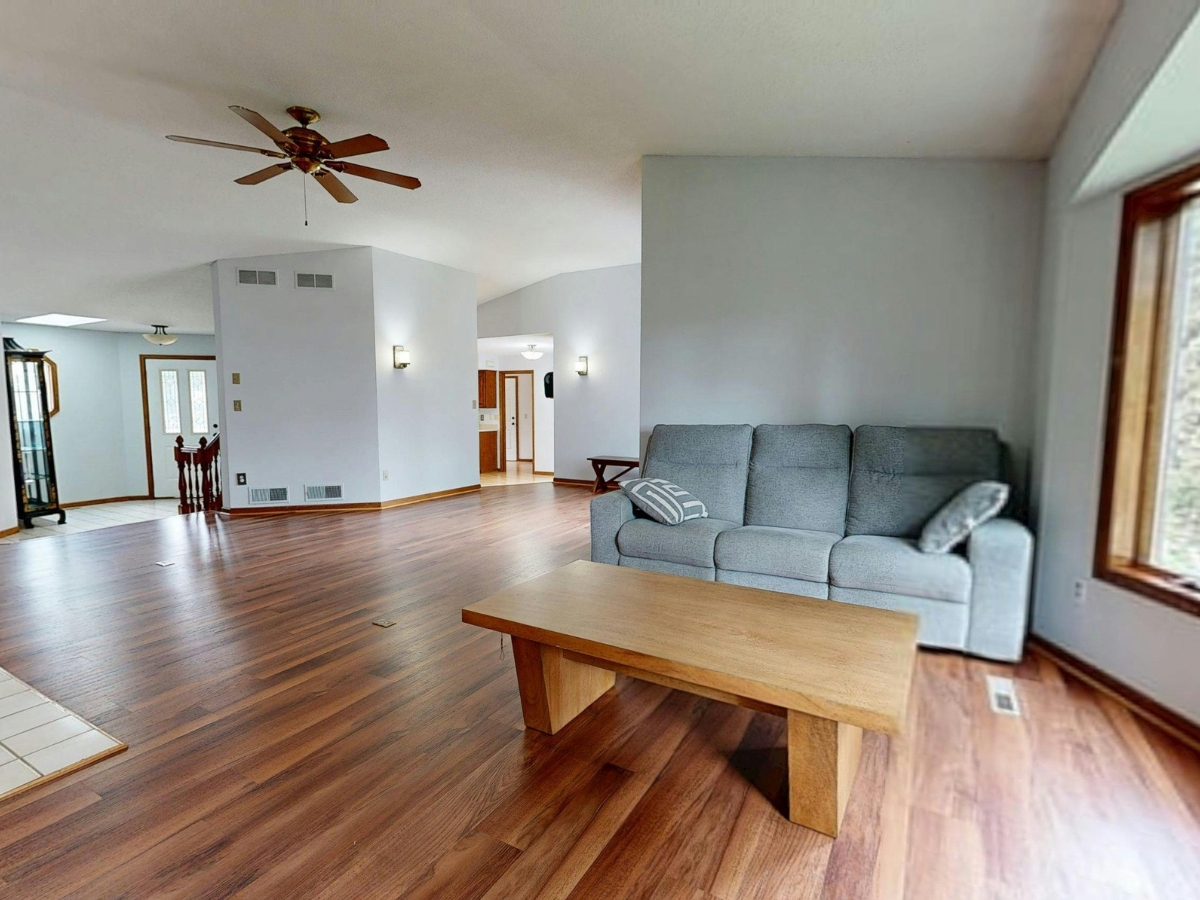
When people discuss hardwood benefits, they often focus on durability and style, but hardwood can also be a smart choice for a cleaner indoor environment and a more sustainable home. Compared to many other flooring options, hardwood has a simple surface that is easier to keep clean, and it can be sourced in ways that support responsible forestry. If you are trying to balance comfort, upkeep, and long-term impact, hardwood is worth considering for reasons that go beyond appearance.
How Does Hardwood Flooring Improve Indoor Air Quality For Allergy Sufferers?
One of the more practical hardwood benefits is that it does not hold onto allergens the way carpet can. Carpet fibers and padding can trap dust, pet dander, and pollen, and those particles can be stirred up again with foot traffic or vacuuming. Hardwood, on the other hand, has a smooth surface that makes routine cleaning more effective because debris has nowhere to hide.
This does not mean hardwood eliminates allergens completely, but it can make them easier to manage. Regular sweeping or vacuuming, along with occasional damp cleaning using a suitable product, can reduce the buildup that contributes to symptoms for people with allergies or sensitivities. Many households notice the difference most in bedrooms, living rooms, and other areas where carpet tends to hold dust over time. The main advantage is consistency. When the surface is simple to clean, it is easier to keep indoor air quality steadier from week to week.
What Makes Hardwood Flooring A Sustainable And Renewable Resource?
Hardwood can be an eco-friendly option when it is sourced responsibly. Wood is renewable, meaning forests can be replanted and managed over time, unlike materials tied to finite resources. The key is choosing flooring that comes from suppliers and manufacturers that follow sustainable forestry practices. Responsible sourcing focuses on harvesting methods that protect long-term forest health, support regrowth, and reduce unnecessary environmental impact.
Another sustainability advantage is lifespan. Hardwood floors can last for many years, and many can be refinished rather than replaced. That reduces the need for frequent tear-outs and new materials, which can lower waste over the life of a home. For homeowners thinking long-term, durability and repairability are part of what makes hardwood feel like a more responsible purchase. A floor that can be renewed instead of discarded supports sustainability in a very practical way.
How Do Common Hardwood Species Compare For Home Use?
Different species can offer different advantages, so the best choice depends on your style and how the room is used. Oak is a popular option because it is durable and has a classic grain that suits many interiors. Maple is often chosen for its lighter tone and smoother look, which can feel more modern and can brighten a space. Hickory is known for its strength and more dramatic grain pattern, and it is commonly used in areas that see heavier foot traffic.
Choosing the right species helps you get the most out of hardwood without overcomplicating the decision. When the look, durability, and room conditions align, you end up with a floor that performs well and still fits the design of the home.
Hardwood flooring can be a strong choice for homeowners who care about comfort, cleanliness, and long-term impact. The surface is easier to keep clear of dust and allergens than carpet, and responsible sourcing makes wood a renewable option. Add in the long lifespan and the ability to refresh many floors through refinishing, and the hardwood benefits extend well beyond appearance.
Conclusion
Choosing hardwood flooring is a timeless investment that enhances your home’s beauty, durability, and value for generations. Beyond its stunning aesthetic, hardwood offers practical benefits like improved air quality, unmatched longevity, and a versatility that complements any design style. To experience these advantages with expert installation and care, trust the professionals at Restor-It, Inc.
Ready to transform your home with the warmth of hardwood flooring? Call (678) 355-6645 or visit our website for a free quote today. Let’s build a foundation of lasting beauty and quality.