Selecting the best carpet for home interior design is about more than just color and texture—it’s a strategic decision that influences comfort, durability, and the overall aesthetic harmony of your space. From plush, cozy fibers perfect for a bedroom to stain-resistant, durable loops ideal for a family room or hallway, the right carpet can unify a room’s style while meeting practical needs.
In this article, we’ll walk you through the key factors to consider—including material, pile type, padding, and color—to help you choose a carpet that enhances your home’s design and stands up to everyday life.
Choosing the Best Carpet for Home Interior Design That Elevates Your Space
What Are the Most Durable Carpet Types for High-Traffic Areas?
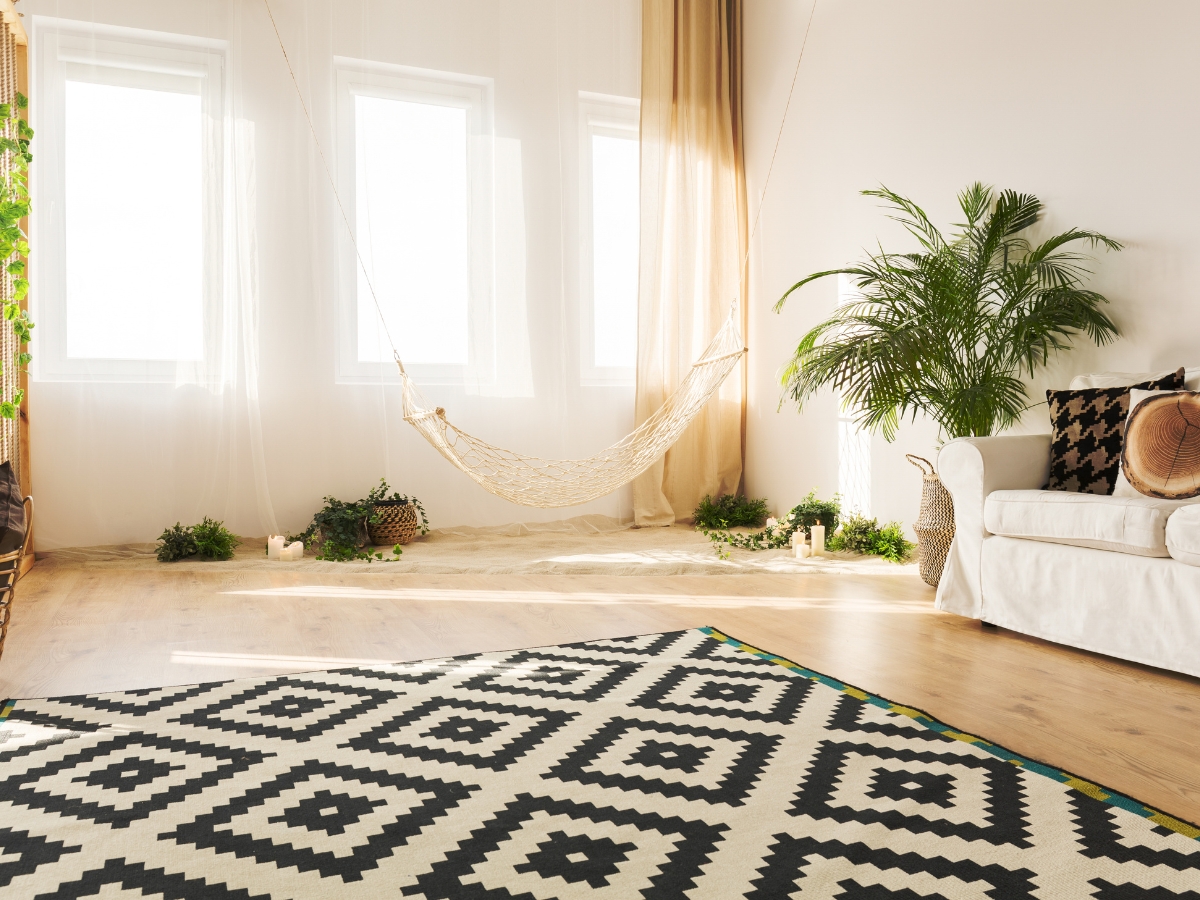
When you are trying to choose the best carpet for home interior design, durability in high-traffic areas should be one of the first things you consider. Entryways, stairs, and hallways take more wear than the rest of the house, so they need carpet that can bounce back from constant foot traffic without looking tired after a few seasons. Durability comes from a mix of fiber type, how the pile is constructed, and whether the carpet is paired with the right padding and a realistic care routine. Nylon and triexta are known for their ability to spring back from compression and resist matting, while wool blends can last for many years when maintained properly.
Here is a quick comparison of common carpet fibers and where they perform best:
| Fiber Type | Durability / Stain Resistance | Cost Range | Best Use |
|---|---|---|---|
| Nylon | High durability, responds well to stain treatments | $–$$ | Hallways, stairs, family rooms |
| Triexta (synthetic) | Inherently stain resistant and resilient | $–$$ | Living areas, pet-friendly homes |
| Wool | Medium to high durability, naturally hides soil | $$–$$$ | Bedrooms, formal rooms |
| Olefin (polypropylene) | Low to medium durability, strong moisture resistance | $ | Basements, low-traffic spaces |
| Polyester | Medium durability, strong stain resistance, less spring | $–$$ | Budget living areas, guest rooms |
Using this table as a starting point helps you match fiber performance and budget to the way your home actually functions.
Which Carpet Materials Offer The Best Durability And Stain Resistance?
Your choice of fiber has a direct impact on how the carpet wears, how easily it cleans up, and how it supports the overall look of your rooms. If you are focused on the best carpet for home interior design in busy spaces, nylon is often the front runner because it handles heavy foot traffic and tends to recover well from crushing when combined with a good pad. Triexta is another strong option, especially for homes with kids and pets, because it builds stain resistance into the fiber itself and still feels soft underfoot. Polyester leans more toward stain resistance than longevity, so it suits guest rooms and lower-use areas.
Wool has its own advantages. It offers a naturally luxurious feel, good insulation, and an ability to hide soil, which keeps formal rooms looking polished. The tradeoff is that it needs gentler cleaning and more attentive care to deliver its full lifespan. Olefin works best in basements and certain utility areas where moisture resistance matters more than long-term resilience against heavy wear.
Thinking about your household habits, level of traffic, and willingness to stick to a maintenance routine will point you toward the fiber that makes the most sense.
How Do Carpet Pile Types Affect Durability And Maintenance?
Pile construction shapes how a carpet looks after years of use just as much as fiber choice. Loop piles, such as many berber styles, tend to hide footprints and vacuum marks and resist crushing, which makes them a smart choice for hallways and stairs. They do, however, need some care around pets and sharp edges because loops can snag. Cut piles such as frieze use twisted yarns that curl slightly on the surface and do a good job disguising everyday wear, making them comfortable and practical in family rooms and bedrooms. Saxony and plush piles deliver a soft, formal look but can show shading and traffic paths more quickly in very busy areas.
Regardless of style, higher density and tighter twist generally improve how well a carpet holds its shape over time. Regular vacuuming, prompt spot cleaning, and the use of entry mats will help any pile type perform better. When you combine an appropriate fiber with a pile construction suited to each room’s use, you get a carpet that supports your interior design goals while standing up to real life in an open, well-used home.
How Do Carpet Color Trends for 2025 Influence Your Interior Design Choices?
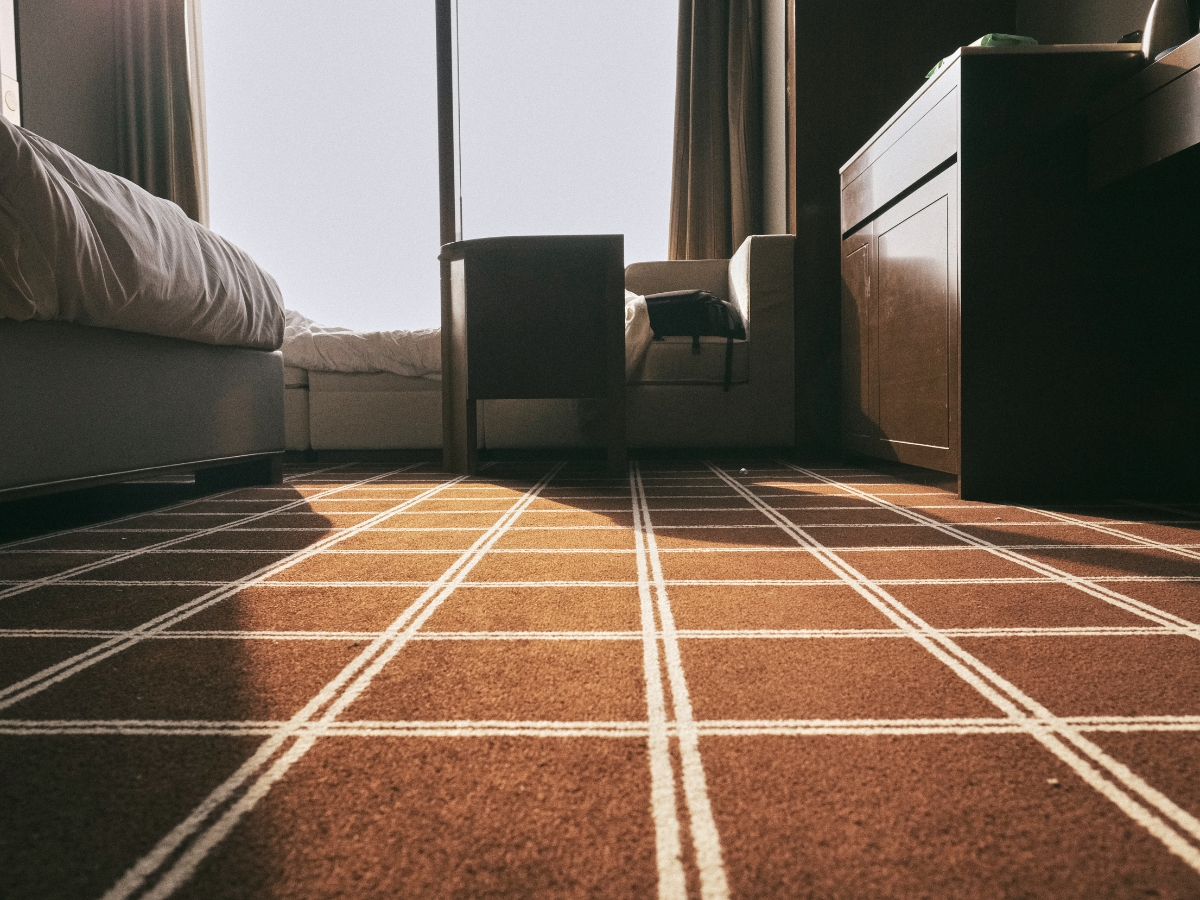
Color trends for 2025 lean toward warm neutrals, grounded earth tones, and richer jewel-inspired shades that add depth without overpowering a room. When you are choosing the best carpet for home interior design, these directions give you a useful framework rather than strict rules. Warm neutrals such as soft beige, taupe, and greige continue to work well in both traditional and contemporary spaces because they sit quietly in the background while furniture, art, and lighting take the lead. They are especially helpful in open floor plans where you want one carpet color to flow through several zones without feeling busy.
Earth tones are becoming more prominent, particularly muted olives, terracotta-inspired shades, and warm mushroom tones. These colors pair naturally with wood floors, warm metal finishes, and organic textures like linen and rattan. In many Atlanta homes, they also support a biophilic, nature-connected look that feels calm rather than rustic. Used as wall-to-wall carpet in a bedroom or family room, these hues can make the space feel grounded and inviting, especially in rooms that need visual warmth.
Jewel undertones such as deep teal, inky blue, or soft sapphire are showing up more in accent roles. Instead of choosing a full room of bright color, many homeowners use these shades in patterned carpet for stairs, small dens, or area rugs layered over a neutral base. This approach lets you nod to trend-forward color while keeping the main palette flexible for future changes. It can be a smart move when you are balancing personal taste with long-term resale appeal.
Texture and pattern matter just as much as color when you are searching for the best carpet for home interior design. Textured neutrals, heathered yarns, and small-scale patterns help disguise everyday wear, footprints, and vacuum marks, which is useful in busy households. A slightly varied tone-on-tone design often looks cleaner between deep cleans than a completely flat solid, particularly in high-traffic living rooms and hallways.
Lighting is another key factor. Warm beige or taupe carpets tend to make smaller or low-ceiling rooms feel larger because they reflect light gently and do not draw sharp visual lines across the floor. Muted olive and terracotta tones can warm up north-facing rooms or spaces with cooler wall colors, while still reading as sophisticated rather than loud. In very bright rooms with lots of natural light, a mid-tone neutral can keep the space from feeling washed out.
You can think of the current trends this way: warm neutrals are your safe, versatile base; earth tones add character and a connection to nature; jewel-inspired accents bring focus and personality when used in the right amount. For most homes, the carpet that works hardest is still a neutral or softly colored base that links rooms together, with bolder hues appearing in runners, rugs, or upholstery.
Before committing, bring home several carpet samples and look at them against your paint, trim, and furniture at different times of day. Notice how they respond to morning light, evening lamps, and shadows. This simple step ties the 2025 color trends back to your actual rooms, so the carpet you choose feels intentional, current, and livable for years, not just for one design season.
What Are the Top Carpet Colors and Patterns for Modern and Traditional Styles?
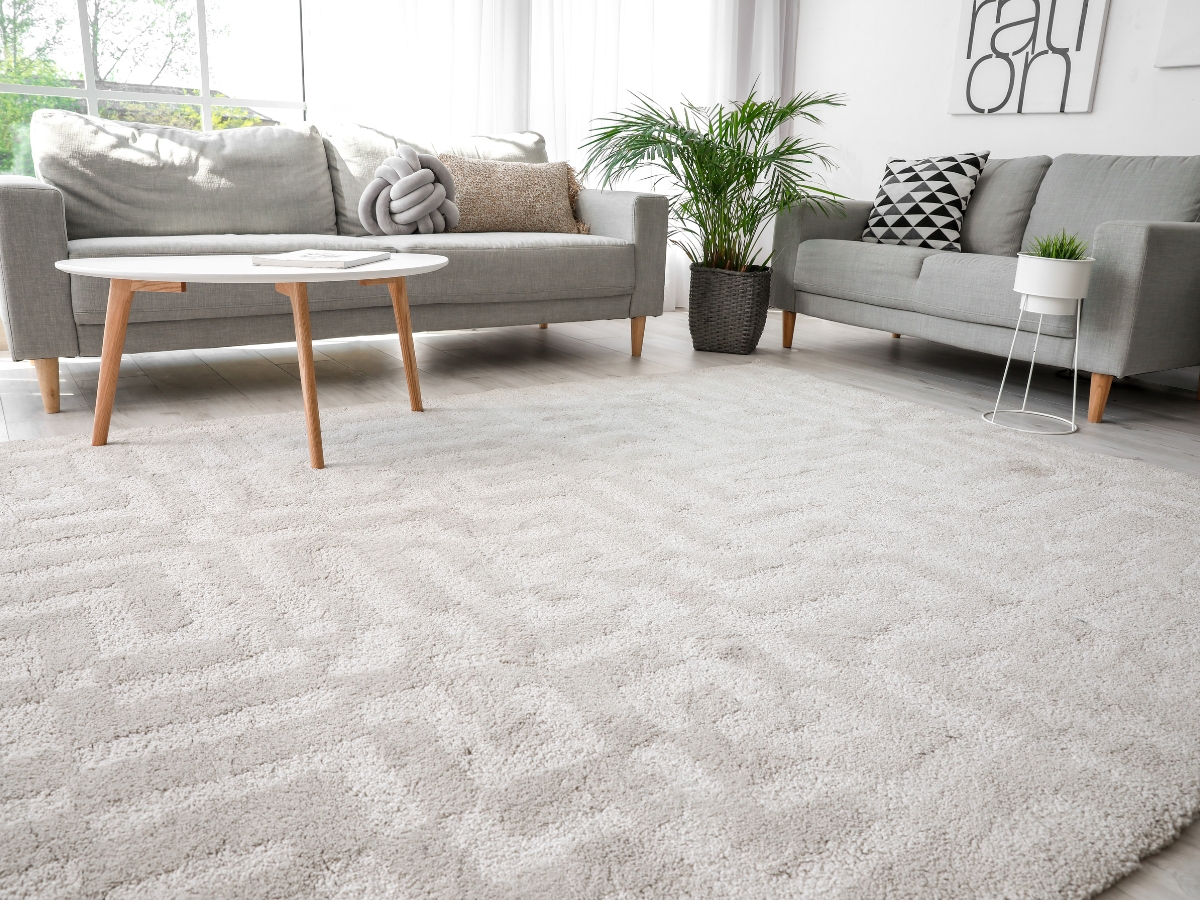
Choosing the best carpet for home interior design starts with understanding how color and pattern support the overall style of your space. Modern and traditional rooms have different needs, but both rely on carpet to tie furniture, wall color, and architectural details into a cohesive whole. Instead of chasing trends for their own sake, it helps to think about how you actually live in the space and how much visual movement you want underfoot.
Modern interiors often lean on clean lines, simple silhouettes, and a limited color palette, so the carpet usually plays a supporting role rather than becoming the main focal point. Textured neutrals work especially well here. Think soft grays, warm greige, oatmeal, or taupe with a slight heather or tonal variation. These colors ground the room and allow bolder choices in art, accent chairs, or a statement sofa. Subtle geometric or linear patterns can add depth without feeling busy, particularly in large open-plan living areas. When you are looking for the best carpet for home interior design in a modern setting, aim for patterns you notice up close rather than across the room, so the floor reads as calm and continuous.
Traditional spaces benefit from a slightly richer palette. Warm mid-tones in beige, camel, mushroom, or soft cocoa complement wood furniture, classic millwork, and layered fabrics like drapery and upholstered seating. In more formal rooms, deeper jewel-inspired tones such as navy, forest, or wine can work as wall-to-wall carpet, especially when walls and trim stay lighter. The pattern can be more pronounced in traditional design as well. Small-scale florals, tone-on-tone damasks, or understated borders at the room’s edge add structure and a tailored feel. The key is to keep the scale of the pattern in proportion to the room size so it enhances rather than overwhelms.
Many homes fall into a transitional style, blending modern and traditional elements, and carpet is a good place to reinforce that middle ground. In these interiors, textured neutrals with a gentle crosshatch, pin-dot, or broken stripe pattern help bridge clean-lined casework and more classic furniture shapes. The pattern adds visual interest and hides everyday wear, but the palette stays quiet enough to work with both contemporary and vintage pieces. If you host often or have a busy household, this kind of transitional carpet can be one of the best carpet for home interior design solutions because it is forgiving and adaptable.
Practical concerns should always sit alongside style decisions. Medium-value colors hide dirt and footprints better than very light or very dark options, which matters in hallways, great rooms, and on stairs. Slightly speckled or heathered yarns disguise small spills and everyday dust more effectively than perfectly flat solids. In households with pets or children, consider patterns that break up the surface visually so minor stains or wear do not immediately draw the eye. This approach lets you keep a polished look without feeling like you are constantly chasing every mark.
It also pays to think about how carpet will interact with adjacent hard flooring. If you have wood or luxury vinyl in entry areas or kitchens, choose carpet tones that share an undertone with those surfaces so transitions feel intentional rather than abrupt. Carrying similar color values from room to room helps the entire interior feel unified, even when the materials change. Whether your home leans modern, traditional, or somewhere in between, a thoughtful mix of color, pattern, and texture will help your carpet support the overall design instead of competing with it.
How Can You Match Carpet Colors to Your Room’s Lighting and Furniture?

Choosing the best carpet for home interior design is not just about picking a color you like on a showroom rack. The same sample can look completely different once it is laid out in your living room, under your own lighting and next to your existing furniture. That is why the most important step is to bring large samples home and see them in context. Place them directly on the floor where the carpet will go, then move them around the room so you can see how the color shifts near windows, in corners, and beside key pieces like the sofa, coffee table, or bed.
Lighting has a huge influence on how carpet reads in real life. Natural light during the day tends to reveal undertones, especially in cooler grays or warmer beiges, while evening lighting from lamps and overhead fixtures can make the same color feel deeper or more yellow. Set your samples down and look at them in bright midday light, then again at night with your regular lamps turned on. If a beige suddenly looks pink, or a gray starts to feel blue or green after dark, you will want to know that before you commit. This simple habit helps you narrow the field to colors that stay pleasant throughout a full day.
Furniture and wood tones are just as important as light. Place carpet samples next to your sofa fabric, chairs, bedskirt, or dining set, as well as against your baseboards and doors. The goal is to see whether the undertones of the carpet work with the existing finishes or fight against them. For example, a cool gray carpet can look sharp with black metal and white walls but may clash with honey oak trim. Warm neutrals tend to be safer in mixed spaces, while textured or heathered patterns do a good job of tying together slightly different tones in furniture and flooring. When you are aiming for the best carpet for home interior design, you want a color that supports your existing pieces rather than forcing a full room makeover.
Open-concept layouts need an extra layer of planning. If your living room flows into a dining area or kitchen, stand back and look at how the carpet sample relates to the hard flooring nearby. You can set the sample at the planned transition point to see how the two surfaces meet. Pay attention to whether the new carpet makes the other floor finish look too orange, too gray, or too dark. If the tones are close but not identical, a simple, narrow transition strip or a change in pattern can make the shift feel intentional. Area rugs can also be used as a test run, giving you a preview of how a larger field of color will feel before you install wall-to-wall carpet.
As you compare options, take notes or photos of each sample in different spots and at different times of day. It is easy to forget small undertone changes once you gather everything back up. A few quick images on your phone can help you review which colors felt calm, which looked dingy, and which made the room come alive. By slowing down and testing carpet where it will actually live, you end up with a choice that fits your lighting, furniture, and layout, and supports your broader interior style for years instead of just looking good under store lights.
Which Eco-Friendly Carpet Options Are Best for Healthy Atlanta Homes?
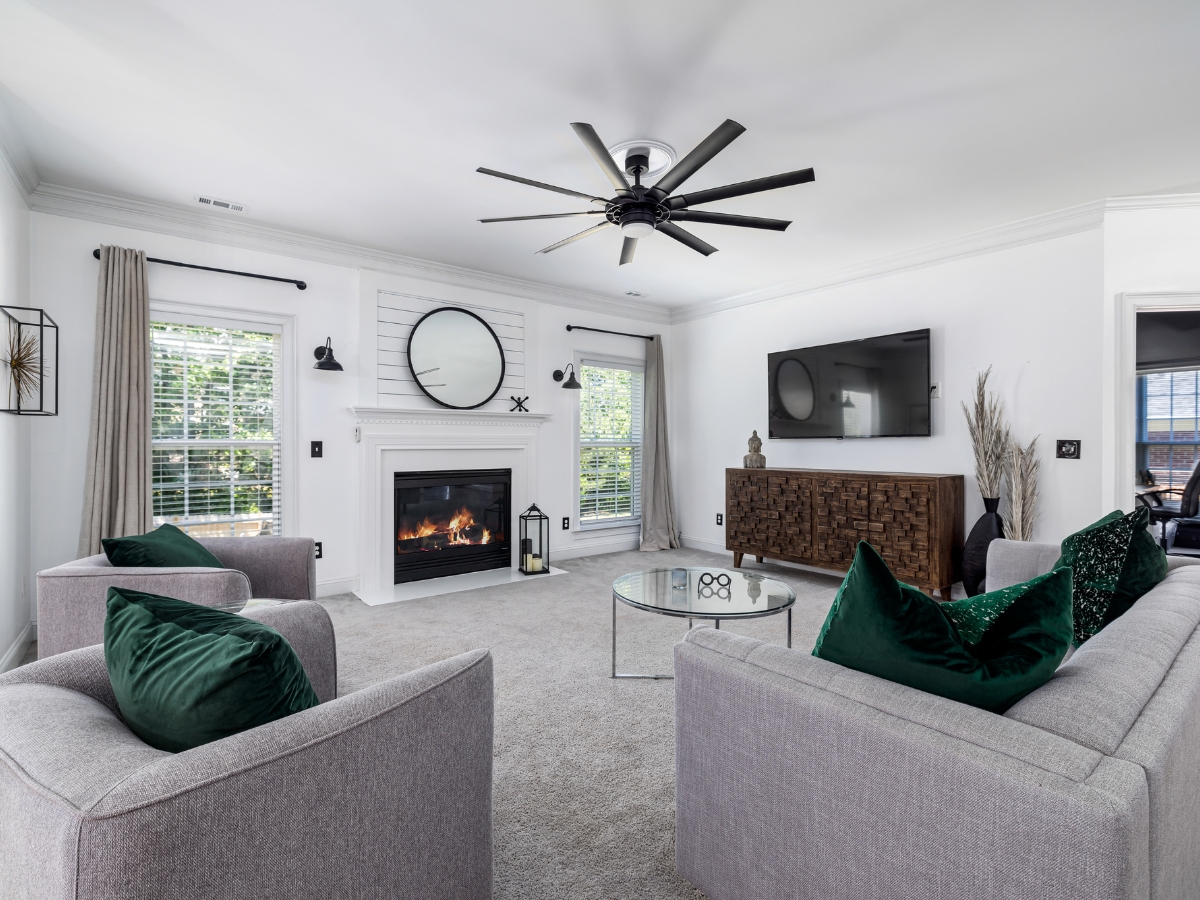
If you are aiming for the best carpet for home interior design and a healthier indoor environment, it helps to start by looking at both fiber type and how the product is made. Eco-focused carpet options typically fall into two groups: natural fibers like wool and jute, and recycled-content synthetics such as PET and regenerated nylon. Each one offers a different balance of durability, maintenance needs, and environmental impact, which is especially important in a humid climate like Atlanta, where moisture and air quality are constant concerns.
For most homes, the first priority is choosing products with low VOC emissions. Carpets, padding, and adhesives that carry certifications such as Green Label Plus are designed to release fewer pollutants into the air, which supports better indoor air quality after installation. Recycled-content carpets made from PET or regenerated nylon can also be good options. They help keep plastic out of landfills while still providing stain resistance and comfort underfoot. Natural fibers, especially wool, add warmth and sound absorption and are renewable, but they do require more careful cleaning to stay in good shape.
Pairing these materials with the right pad and moisture-control steps is critical. A suitable underlayment improves comfort and acoustics, while moisture testing and proper installation help prevent mold growth under the carpet. When you combine low-VOC products with thoughtful installation, you get much closer to a truly germ-conscious and eco-aware home interior.
What Natural and Recycled Carpet Materials Are Available?
When you are comparing options for the best carpet for home interior design, it helps to understand how the main eco-friendly materials differ in everyday use. Wool is the classic natural choice. It offers a soft, premium feel, good resilience, and natural soil-hiding, and it can be a smart fit for bedrooms or living rooms where you want long-term comfort. The tradeoff is a higher upfront cost and the need for regular professional cleaning to protect the fibers.
Recycled PET carpet is made from plastic such as post-consumer bottles and is popular because it is stain-resistant, relatively affordable, and available in a wide range of styles. It suits busy family rooms and play areas, though it is not quite as resilient as nylon in very high-traffic zones. Regenerated nylon sits closer to traditional nylon in performance. It is made from reclaimed feedstocks, which lowers its environmental footprint compared with virgin nylon while still offering strong durability for hallways, stairs, and other demanding areas.
As you weigh these choices, think about your cleaning habits, how long you plan to stay in the home, and where you need the most resilience. It can help to compare lifecycle costs instead of just the purchase price, taking into account future cleaning and potential replacement.
How Do Eco-Friendly Carpets Improve Indoor Air Quality and Comfort?
Eco-minded carpet choices affect how your home feels and how healthy it is to live in. Low-VOC carpets and pads release fewer chemical compounds after installation, which means less odor and fewer irritants in the air during the first weeks of use. In a region like metro Atlanta, where homes are often closed up during hot or cold seasons, that reduction in off-gassing can make a noticeable difference for anyone with asthma, allergies, or chemical sensitivities.
Natural fibers such as wool can also help with comfort because they breathe more than some synthetics and provide extra thermal insulation and sound dampening. A well-chosen underlayment adds to that effect, making bedrooms and living spaces quieter and more comfortable underfoot. To get the full benefit, installers should test for moisture in the subfloor, allow materials to acclimate, and use low-VOC adhesives that are compatible with your chosen carpet and pad. Those steps help prevent hidden moisture problems and support better long-term indoor air quality.
Putting it all together, eco-friendly carpet options give you a way to align interior design, comfort, and health. By choosing low-emission products, selecting natural or recycled fibers that fit your lifestyle, and relying on sound installation practices, you can build a home interior that looks good, feels comfortable, and supports cleaner air for the long term.
What Should You Know About Carpet Installation Costs and Services in Atlanta?
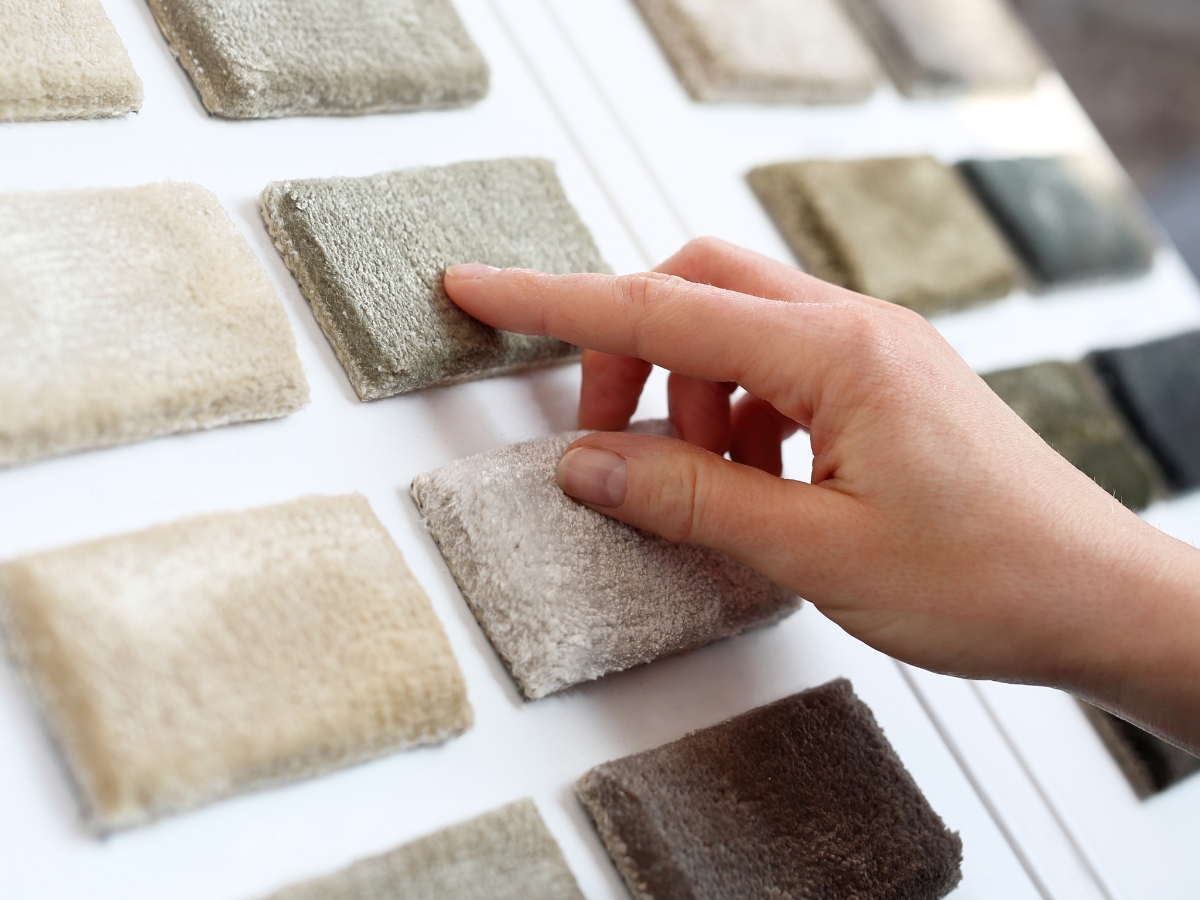
When you are choosing the best carpet for home interior design, it helps to understand how installation costs come together, especially in a metro area like Atlanta. Pricing is shaped by several factors that work together: the quality and thickness of the carpet itself, the square footage of each room, the padding you select, and any repairs or leveling the subfloor needs before new flooring can go down. Labor rates and preparation time also play a role, which is why two rooms of the same size can have very different totals if one needs more prep work.
Budget-focused projects often start with removing old flooring and disposing of it properly, then adding a basic pad and a straightforward stretch install. Higher-end projects may involve heavier or patterned carpet, upgraded padding for sound and comfort, and closer attention to seam layout so the finished floor looks seamless in large spaces. If a subfloor has soft spots, squeaks, or uneven sections, installers may need extra time to fasten, patch, or level those areas. That extra step adds cost, but it is critical for the carpet to wear evenly and for the best carpet for home interior design to look good over time.
Professional services also matter for warranty coverage. Most manufacturers require proper stretching, specified padding, and correct seam placement for their warranties to stay valid. Experienced installers understand how to place seams away from main sightlines, how to handle thresholds, and how to manage stairs so that high-traffic areas do not show premature wear. When you look at an estimate, it can help to ask which tasks are included, such as furniture moving, old carpet removal, and disposal, rather than only comparing the price per square foot.
How Much Does Carpet Installation Typically Cost In Metro Atlanta?
There is no single price for carpet installation in metro Atlanta, but you can think in terms of project types. A small bedroom with an economical synthetic carpet and standard padding usually falls at the lower end of local ranges, especially if the subfloor is already in good condition and there are no complicated cuts. Installation is faster, and much of the cost reflects straightforward labor and basic materials.
A larger living room tells a different story. When you choose a mid-range nylon or wool blend with thicker padding for comfort, the material cost rises, and installers often spend more time planning seam locations so the room reads as one continuous surface. If they uncover dips or uneven areas in the subfloor, they may recommend repairs before the carpet goes in. That extra preparation extends the life of the floor and helps the carpet lie flat, but it does add to the final bill.
Staircases are another factor that can change the budget. Stairs require more detailed work on treads, risers, and edges, and they often use more material than the square footage alone would suggest. Tight turns, landings, or open sides with spindles also add time. When you review quotes, it is helpful to see bedroom, living area, and stairs priced separately so you can understand where the investment is going.
Because so many elements affect the final number, most homeowners gather at least two or three local estimates and compare what is included, not just the totals. Clear proposals that spell out material type, padding, prep work, and any additional services make it easier to align your design goals with a realistic budget. With the right information, you can choose the best carpet for home interior design and have it installed in a way that looks good on day one and holds up to daily life for years to come.
Frequently Asked Questions
Choosing the best carpet for home interior design usually raises a lot of practical questions about pets, comfort, and long-term upkeep. The answers below tie design choices to everyday life so you can match the look you want with the performance your home actually needs.
What factors should I consider when choosing carpet for a home with pets?
In a home with pets, the best carpet for home interior design is one that stands up to claws, hair, and the occasional accident without looking tired after a few months. Focus on durable synthetic fibers such as nylon or triexta, since they bounce back well from traffic and respond better to stain treatments. Low pile or tightly woven textures are easier to vacuum and less likely to trap hair. It also helps to choose products with built-in stain protection so small spills and pet mishaps are easier to blot and remove before they set.
How can I maintain my carpet to extend its lifespan?
A simple but steady routine goes a long way. Regular vacuuming keeps grit from working down into the pile and damaging the fibers, which is a common cause of early wear. Treat spills as soon as you notice them, using cleaners that match the fiber type rather than harsh products that may leave marks. Most homes benefit from professional deep cleaning every 12 to 18 months to remove embedded soil and allergens. Rotating furniture, using walk off mats at entries, and occasionally changing traffic patterns all help the carpet wear more evenly.
What are the benefits of eco-friendly carpets?
Eco-friendly options can support both design and health goals. Natural fibers such as wool or jute and carpets made with recycled content, like PET or regenerated nylon, can lower the amount of new raw material and reduce landfill waste. Many of these products are available with low VOC backings and adhesives, which helps indoor air quality. When you are looking for the best carpet for home interior design and want a smaller environmental footprint, these materials offer warmth and comfort while aligning with sustainability priorities.
How do I choose the right carpet padding?
Padding is the quiet partner that affects how the floor feels, sounds, and holds up over time. In busy areas, a denser, slightly firmer pad helps the carpet resist crushing and keeps the surface more stable. In bedrooms or low traffic sitting rooms, a softer pad can add a plush feel underfoot. For basements or other moisture prone spaces, look for padding designed to resist dampness and help reduce mold risk. When you compare pads, ask about density and thickness together, and make sure the product meets the carpet manufacturer’s warranty requirements.
What are the common mistakes to avoid when installing carpet?
Problems later on often start with shortcuts during installation. Skipping subfloor preparation, such as leveling or fastening loose areas, can lead to ripples and squeaks. Installing carpet without letting it acclimate in the home may cause expansion or contraction issues. Using the wrong type of padding or placing seams in high visibility areas can also shorten the life of the floor or make wear lines obvious. Working with experienced installers who stretch the carpet correctly and plan seam locations carefully helps prevent these issues.
How can I test carpet samples effectively before making a purchase?
Always test samples in the rooms where you plan to install them. Place larger pieces on the floor and look at them in morning light, afternoon light, and again under evening lamps, since color and pattern often shift across the day. Compare each sample against your existing furniture, paint, and adjacent flooring so undertones do not clash once the entire room is covered. Walk across the samples in bare feet and shoes to see how they feel. Taking notes or photos as you go makes it easier to compare options and choose a carpet that suits both your design vision and daily life.
Conclusion
Choosing the perfect carpet for your home goes beyond color and texture—it’s about finding a balance between style, comfort, durability, and your lifestyle needs. At Restor-It, Inc., our flooring specialists guide you through every detail, from fiber selection to professional installation, ensuring your new carpet becomes a beautiful and lasting foundation for your space. Ready to transform your rooms with the perfect carpet? Call (678) 355-6645 or visit our website for a free quote today—and let’s create an interior you’ll love coming home to.