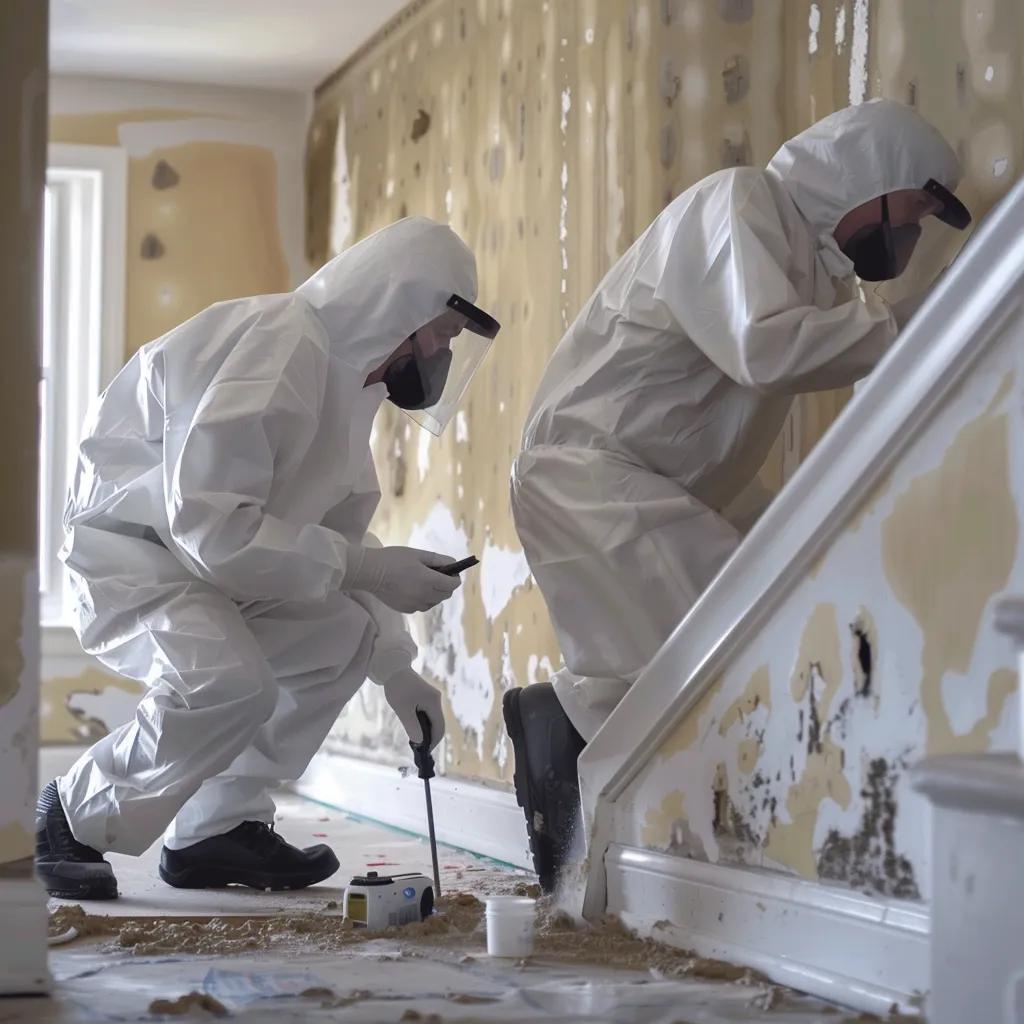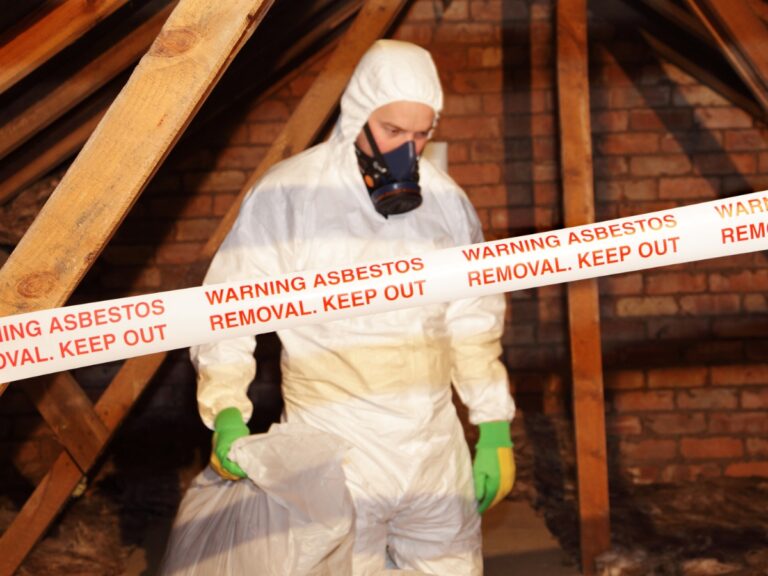
If you own or are considering buying an older home, asbestos awareness should be a top priority. Used extensively in construction before the 1980s, asbestos can still be found in insulation, flooring, ceiling tiles, roofing materials, and pipe coverings. While it may seem harmless when undisturbed, damaged or deteriorating asbestos-containing materials can release microscopic fibers into the air, posing serious health risks over time.
Understanding asbestos awareness for homeowners means knowing where it may be hiding, recognizing the warning signs of potential exposure, and taking the right steps before starting renovations or repairs.
Many DIY projects unintentionally disturb asbestos, increasing the risk to you and your family. Here, we’ll help you identify common asbestos risks in older homes and outline practical steps to ensure safety, compliance, and peace of mind.
Asbestos Awareness Facts You Need to Know
What Are the Common Signs of Asbestos in Older Homes?
Asbestos awareness matters most in older homes because asbestos was widely used for insulation, fire resistance, and durability in many common building materials. While its use declined as regulations tightened, asbestos-containing materials can still be present in homes built before the mid-1980s.
The challenge is that asbestos is not always obvious, and you cannot confirm it just by looking. Still, knowing where it is commonly found can help homeowners make safer decisions during repairs, remodeling, or even routine maintenance.
The biggest risk comes from disturbing materials that may contain asbestos. When asbestos-containing products are cut, sanded, scraped, or broken, fibers can become airborne. That is why asbestos awareness is not about guessing or panicking. It is about recognizing higher-risk materials and knowing when to pause, avoid disturbing surfaces, and consider professional testing.
How To Recognize Asbestos In Popcorn Ceilings And Vinyl Flooring
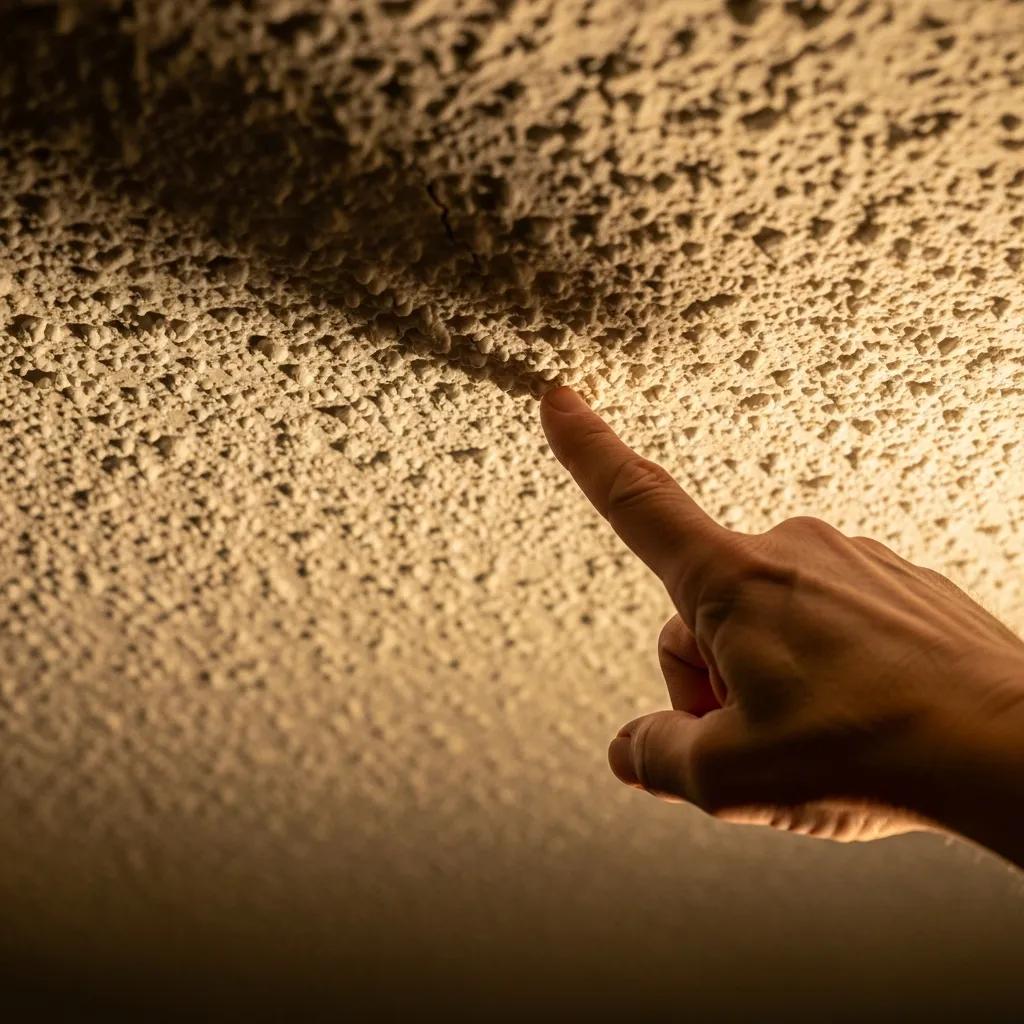
Popcorn or textured ceilings are one of the more common areas people worry about, especially in homes built before the mid-1980s. The texture itself is not a guarantee of asbestos, but older applications sometimes included asbestos for fire resistance.
If you have a bumpy, spray-on texture and the home falls within that older construction window, it is worth treating the surface as suspect until it is tested. The same caution applies if the ceiling is cracking, flaking, or has been damaged, because disturbance increases the chance of fiber release.
Vinyl flooring is another frequent concern. Older vinyl tiles, sheet vinyl, and the backing or adhesive used underneath may contain asbestos, particularly in homes built decades ago. If vinyl tiles are intact and firmly in place, they may not pose an immediate risk. Problems are more likely when tiles are breaking, peeling, or being removed.
If you see older flooring that is brittle, lifting at the edges, or deteriorating in high-traffic areas, it is a sign to slow down and avoid pulling it up without proper precautions. Asbestos awareness in this context means resisting the urge to scrape, sand, or pry up materials until you know what you are dealing with.
Visual Cues And Age Related Indicators Of Asbestos Presence
Age is one of the strongest indicators. Homes built before the mid-1980s are more likely to contain asbestos somewhere, even if it is hidden behind walls or under newer finishes. That does not mean every older home contains asbestos, but it does mean homeowners should be more cautious before beginning any demolition, drilling, or renovation work.
Condition matters as much as age. Asbestos-containing materials are most concerning when they are damaged or deteriorating. Crumbling insulation, worn pipe wrap, breaking ceiling texture, or damaged floor tiles can all increase the likelihood of fiber release if disturbed.
It is also important to remember that asbestos can appear in areas beyond ceilings and floors, such as older insulation, ductwork wrap, cement-like siding, and certain patching compounds. Since visual inspection cannot confirm asbestos, the safest next step is testing by a qualified professional before cutting into or removing suspect materials.
When in doubt, treat unknown materials carefully, avoid creating dust, and prioritize asbestos awareness during any project that involves older building components. A cautious approach protects your household and helps prevent accidental exposure.
What Health Risks Does Asbestos Exposure Pose To Homeowners?
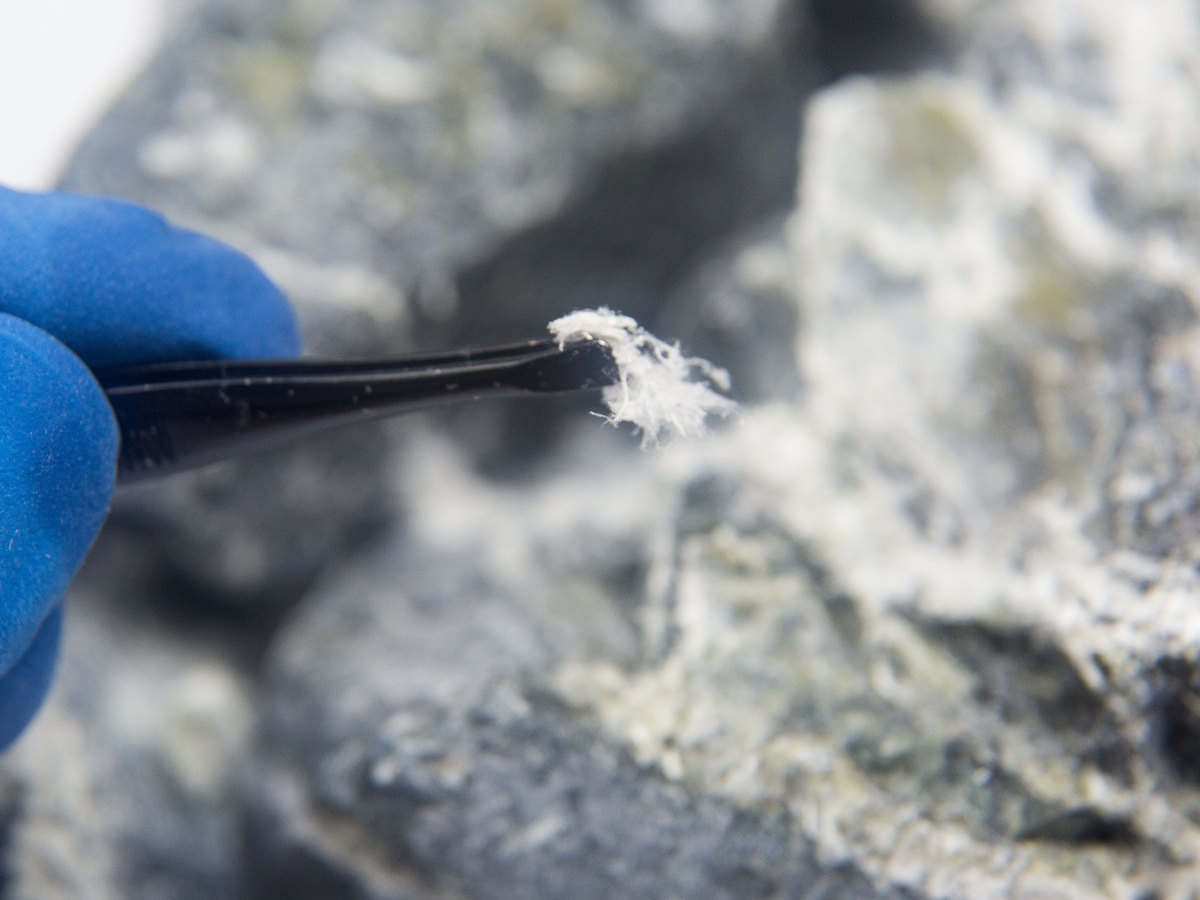
Asbestos awareness is especially important for homeowners because the biggest exposure risk often comes from everyday projects. Cutting into a ceiling, pulling up old flooring, sanding a patch, or removing insulation can disturb asbestos-containing materials and release fibers into the air.
Many people assume asbestos is only a concern in industrial settings, but it can also be present in older residential building products. The health risks are tied to inhalation, not just being near a material, which is why knowing when to avoid creating dust is a key part of asbestos awareness.
Asbestos-related illnesses typically develop over a long period of time rather than immediately. That delay can make the danger feel less real, even though it is serious. The safest approach is to treat suspected asbestos materials with caution and avoid disturbing them until testing confirms what they are. When homeowners understand the potential outcomes, they are more likely to make careful decisions before starting renovations.
Understanding Mesothelioma, Lung Cancer, And Asbestosis
Asbestos exposure is linked to several serious diseases, most of which affect the lungs and surrounding tissues. One of the most well-known is mesothelioma, a rare and aggressive cancer that often develops in the lining around the lungs. Mesothelioma has a strong association with asbestos exposure, which is why it is frequently mentioned in asbestos safety guidance.
Lung cancer is another major risk. Asbestos exposure can raise lung cancer risk, and the risk is significantly higher for people who smoke. That interaction matters because it means someone with both risk factors may face a greater likelihood of developing serious disease than someone exposed to asbestos alone. This is another reason asbestos awareness is not just about identifying materials, but also about reducing preventable exposure as much as possible.
Asbestosis is a chronic lung disease caused by inhaling asbestos fibers over time. It involves scarring of lung tissue, which can make breathing more difficult and reduce lung function. While asbestosis is often associated with repeated or heavy exposures, it highlights what asbestos fibers can do once they are inhaled and embedded in the lungs.
How Disturbed Asbestos Fibers Affect Lung Health
The danger with asbestos is not always visible. When asbestos-containing materials are left intact and undisturbed, they may not release fibers. The problem begins when they are cut, drilled, scraped, sanded, or broken. Those actions can release microscopic fibers that hang in the air and can be inhaled without anyone realizing it. This is why asbestos awareness emphasizes preventing dust, not just identifying older materials.
Once inhaled, asbestos fibers can lodge deep in the lungs. The body has a hard time clearing them, which can lead to ongoing inflammation and tissue damage. Over time, that inflammation can cause scarring and may contribute to cancer development in some cases.
The exact risk depends on factors like the amount of exposure, the duration, and the type of activity that creates airborne fibers, but the underlying mechanism is the same: disturbed materials create airborne fibers, and airborne fibers create inhalation risk.
For homeowners, the practical takeaway is straightforward. If a material is suspected to contain asbestos, avoid disturbing it, do not attempt dry scraping or sanding, and consider professional testing and guidance before moving forward. Building asbestos awareness into renovation planning is one of the simplest ways to reduce risk and protect the people living in the home.
How Can Homeowners Safely Test For Asbestos In Atlanta?
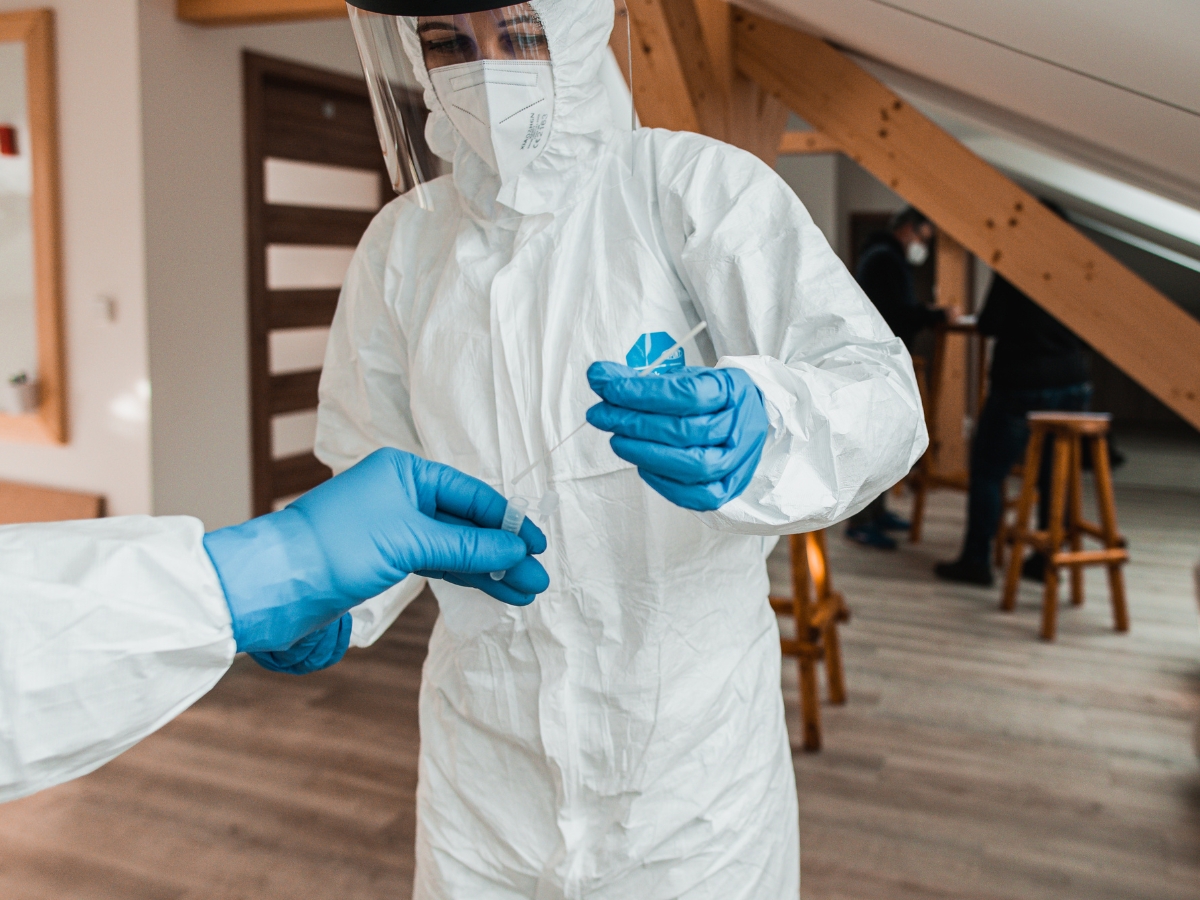
For homeowners in Atlanta, asbestos testing is often the smartest first step when you suspect older building materials may contain asbestos. The reason is simple: you cannot confirm asbestos by sight alone, and disturbing the wrong material during a renovation can create avoidable exposure.
Strong asbestos awareness starts with knowing when to slow down and get reliable information before you cut, scrape, sand, or remove anything that could release dust.
If your home was built before the mid-1980s, it is reasonable to be cautious around materials like textured ceiling finishes, older vinyl flooring, certain insulation products, and some cement-like boards or patching compounds.
The risk is not just “having asbestos in the house.” The risk increases when materials are damaged or when a project turns them into airborne fibers. Testing helps you make a plan based on facts instead of guesses.
Professional Asbestos Testing Services Available In Metro Atlanta
In Metro Atlanta, homeowners typically have access to trained asbestos inspectors and industrial hygiene professionals who can evaluate suspect materials and collect samples safely. A key benefit of professional testing is that it reduces the chance of accidental fiber release. A qualified inspector can identify the most likely sources, explain what is concerning and what is not, and take samples using methods designed to limit dust.
Sampling is only part of the process. The material needs to be analyzed by a laboratory that is properly certified or accredited for asbestos analysis. Most reputable testing workflows involve documented chain-of-custody, clear labeling, and lab results that specify whether asbestos was found and, in many cases, what type.
If asbestos is detected, professionals can also explain practical next steps, such as whether the safest choice is to leave the material intact and manage it, repair it, or plan removal using appropriate controls. This is where asbestos awareness becomes actionable, because the results help you decide what to do before a project begins.
Even if you are not planning a major renovation, professional testing can be useful when you see deterioration, water damage, crumbling edges, or repeated repairs in the same area. Those conditions can increase the likelihood of fibers being released if the material is disturbed.
Why DIY Asbestos Testing Is Not Recommended
DIY asbestos test kits may seem convenient, but the biggest concern is not the kit itself. The main risk is what happens during sampling. To collect a sample, you have to disturb the material, and that is exactly the step that can release fibers into the air if the material contains asbestos. Without proper containment, protective equipment, and cleanup procedures, a small sampling attempt can create contamination in the room, on clothing, or in nearby HVAC pathways.
Accuracy is another issue. Results are only as good as the sample, and homeowners may accidentally sample the wrong layer, miss hidden backing materials, or fail to collect a representative portion. In some cases, a negative result can create false confidence, leading to more aggressive demolition later. Good asbestos awareness means avoiding shortcuts that increase risk, especially when the stakes involve long-term respiratory health.
If you are concerned about asbestos in Atlanta, the safest approach is to avoid disturbing suspect materials, limit dust-producing work until testing is complete, and rely on qualified sampling and lab analysis. Testing is not just a box to check. It is a practical way to protect your household and make informed decisions about older building materials.
What Are the Costs and Safety Precautions for Asbestos Removal in Atlanta?
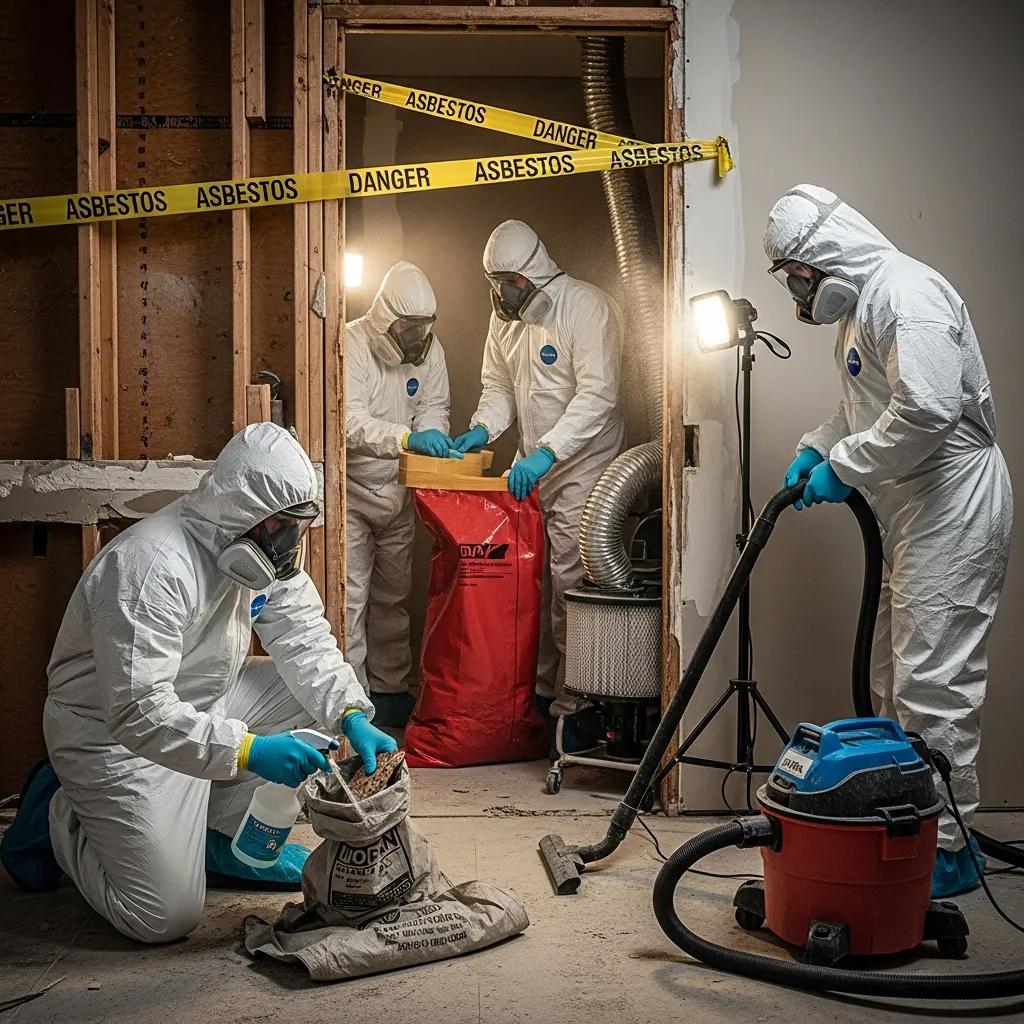
Asbestos awareness is especially important once testing confirms asbestos-containing materials in a home. Removal is not a typical home improvement project. It requires planning, proper containment, and trained professionals who understand how to reduce fiber release.
Homeowners in Atlanta often start by trying to estimate cost, but pricing varies widely because asbestos abatement is driven by the specific material, where it is located, and how difficult it is to access safely. Understanding the main cost factors and safety steps helps you set realistic expectations and avoid decisions that increase risk.
In many cases, the safest and most cost-effective option is not always full removal. If a material is intact and can be managed without disturbance, professionals may recommend encapsulation or enclosure rather than tearing it out. That decision depends on the condition of the material and whether you plan to renovate. Either way, asbestos awareness means treating this as a controlled process, not a demolition job.
Average Asbestos Removal Costs And Factors Affecting Pricing
Most homeowners will see costs fall into a few common categories: inspection, removal, and post-work verification. An asbestos inspection in the Atlanta area is often priced in the range of a few hundred dollars, while removal commonly rises into the thousands, depending on scope. Air quality or clearance testing may be added after removal to confirm the area is safe to reoccupy.
Pricing usually depends on the type of asbestos-containing material and whether it is considered friable, meaning it can crumble and release fibers more easily.
Pipe insulation and older sprayed or loose materials tend to require more intensive controls than products like certain floor tiles that may be removed with less fiber release when handled correctly. The size of the area matters, but access can matter just as much.
Tight crawlspaces, attic work, or materials behind walls can increase labor and containment complexity. Disposal requirements and the level of containment also affect cost, especially when negative air machines, specialized filtration, and extensive sealing are required.
If you are comparing quotes, look for clear scope descriptions. A low number can sometimes reflect a less thorough plan rather than a true bargain. Asbestos awareness is not just knowing asbestos is present, but understanding that the work has to be done to a standard that keeps fibers from spreading to other parts of the home.
Essential Safety Precautions For Homeowners During Asbestos Abatement
Homeowners do not need to manage the technical side of abatement, but there are practical safety steps that help protect the household. During active work, it is usually best to stay out of the contained area and follow the contractor’s guidance about occupancy, HVAC use, and access points.
Proper containment is one of the most important protections. Work areas are typically sealed with plastic sheeting, and many projects use negative air pressure and HEPA filtration to keep fibers from escaping.
Personal protective equipment is also a key part of safe abatement, although it is primarily for the trained crew. Proper respirators, disposable protective clothing, and careful decontamination procedures reduce the chance of fibers leaving the work zone on clothing or equipment.
You should also expect controlled entry and exit points, along with specific cleanup steps that rely on HEPA vacuums and wet methods rather than dry sweeping or standard household vacuums.
After the work is finished, clearance or air testing may be recommended, especially for larger removals or higher-risk materials. This helps confirm that the area meets safety criteria before normal living resumes. Asbestos awareness includes this final step because “done” should mean the area is safe, not just that the material is gone.
When homeowners understand both cost drivers and safety controls, they are better prepared to plan the project, ask informed questions, and make decisions that prioritize health as well as budget.
FAQs (Frequently Asked Questions) About Asbestos Awareness
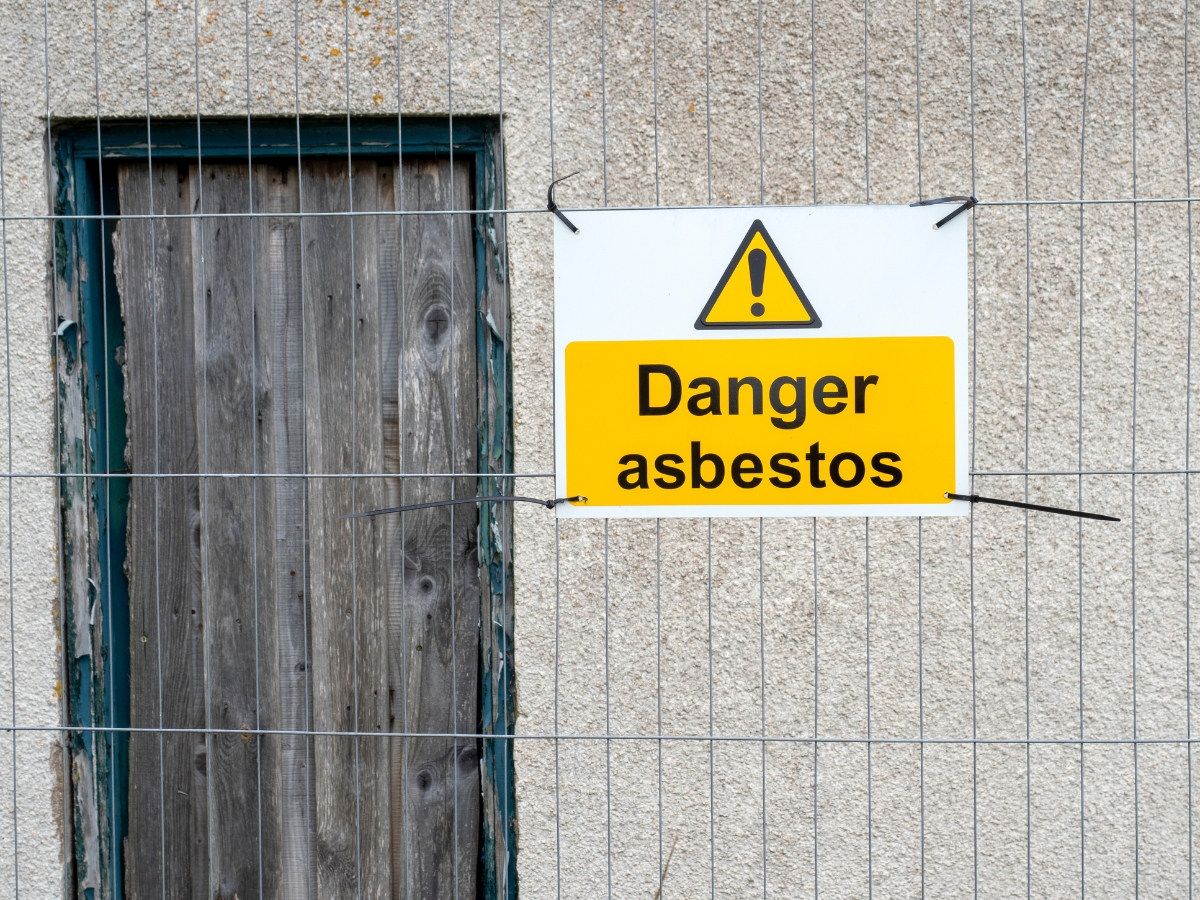
What Is Asbestos And Why Was It Used In Homes?
Asbestos is a group of naturally occurring minerals that were widely used in building materials for much of the twentieth century. It was valued for its strength, heat resistance, and insulating properties. As a result, it was added to products like insulation, flooring, ceiling textures, roofing materials, and certain cement compounds.
Over time, researchers identified serious health risks linked to inhaling asbestos fibers, which led to tighter regulations and a decline in its use. Asbestos awareness today centers on recognizing where it may still exist in older homes and understanding how to avoid disturbing it.
Is Asbestos Always Dangerous If It Is In My Home?
Not necessarily. Asbestos-containing materials that are intact and undisturbed may not pose an immediate health risk. The concern increases when materials are damaged, deteriorating, or disturbed during renovations or repairs.
When asbestos fibers become airborne and are inhaled, that is when exposure occurs. This is why asbestos awareness focuses on condition and activity. A stable, sealed material is generally less risky than one that is crumbling or being cut into without precautions.
How Can I Tell If A Material Contains Asbestos?
You cannot reliably identify asbestos by sight alone. Many materials that contain asbestos look similar to those that do not. The age of the home and the type of product can raise suspicion, but laboratory testing is the only way to confirm its presence.
If you suspect a material may contain asbestos, the safest step is to avoid disturbing it and consider professional sampling. Asbestos awareness includes knowing when to pause a project rather than guessing.
What Should I Do Before Starting Renovations In An Older Home?
If your home was built before the mid-1980s, it is wise to consider asbestos before beginning demolition, sanding, drilling, or removal of older materials. Planning ahead can prevent accidental fiber release.
Testing suspect materials before major work allows you to make informed decisions about removal, encapsulation, or leaving materials in place. Building asbestos awareness into renovation planning can help protect both residents and contractors from unnecessary exposure.
Are DIY Asbestos Removal Projects Safe?
In most cases, DIY removal is not recommended. Removing asbestos-containing materials requires specific safety controls, protective equipment, and disposal procedures.
Without proper containment and cleanup, fibers can spread to other areas of the home and remain there long after the work is done. Asbestos awareness means recognizing that removal is a specialized process and that mistakes can increase health risks rather than reduce them.
What Health Problems Are Linked To Asbestos Exposure?
Long-term or repeated exposure to asbestos fibers has been linked to serious respiratory illnesses, including lung cancer, mesothelioma, and asbestosis. These conditions often develop many years after exposure, which is one reason asbestos awareness is so important. Even though health effects may not appear immediately, preventing exposure now helps reduce the risk of future complications.
How Can Homeowners Practice Ongoing Asbestos Awareness?
Ongoing asbestos awareness involves staying informed about the age and materials in your home, monitoring the condition of older building components, and avoiding unnecessary disturbance of suspect materials.
If damage occurs, respond carefully and seek guidance before attempting repairs. Taking a cautious approach does not mean assuming the worst. It means making decisions based on knowledge and protecting your household from avoidable risks.
Conclusion
Asbestos awareness is a critical responsibility for owners of older homes, where undisturbed materials may seem harmless but pose significant health risks during renovations or deterioration. Knowing what to look for and, more importantly, what not to touch is the first step in protecting your family.
For professional identification, safe handling, and expert removal when necessary, trust the certified team at Restor-It, Inc. Don’t take chances with your family’s health. Call (678) 355-6645 or visit our website for a free quote today. Let our experts ensure your home is safe, sound, and free from hidden hazards.